-
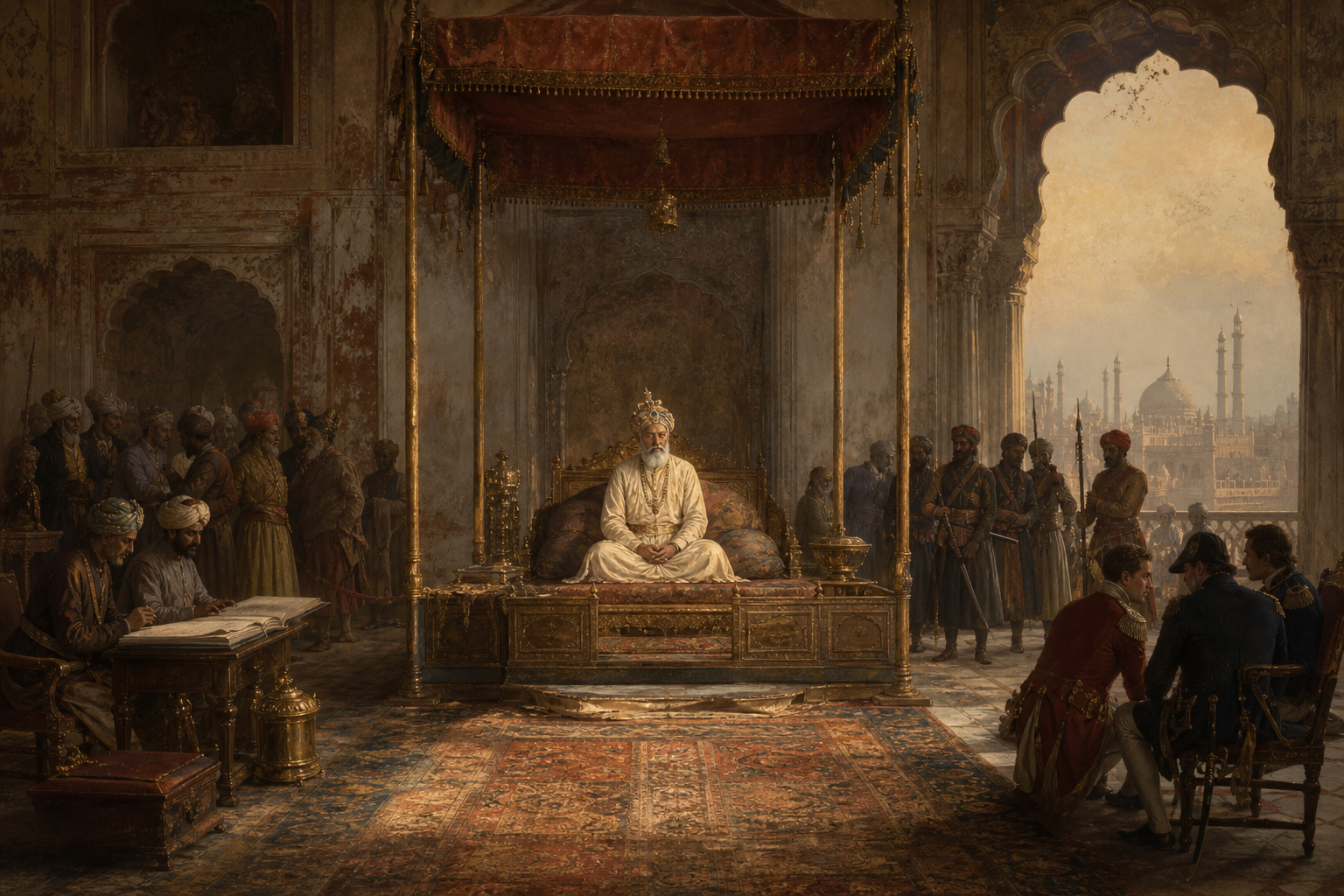
Bahadur Shah Zafar and 1857: Evidence-Driven Reassessment Beyond Heroics and Betrayal

Bahadur Shah Zafar’s role in the Revolt of 1857 defies simple labels. Rather than casting him as either a heroic liberator or a betrayer, this analysis situates the last Mughal emperor within the material constraints of siege warfare, fractured command, and colonial-era power asymmetries. It traces the uprising’s structural causes—from annexations and revenue extraction to…
-
Sitakund and Monghyr Fort: Shah Shuja’s Turmoil and a Sacred City’s Resilience

This long-form analysis reconstructs the layered history of Munger (Monghyr) from Gupta-era epigraphy and regional dynasties to Mughal turbulence and East India Company conquest. It clarifies Monghyr’s form as a classical Kaṭaka—fortified capital and garrison—while situating the city’s beauty on a bend of the Ganges documented by Viscount Valentia. It explains the ritual ecology of…
-
Calcutta to Bhagalpur: Valentia’s Journey Reveals Empire’s Privilege, Policy, and Paradox

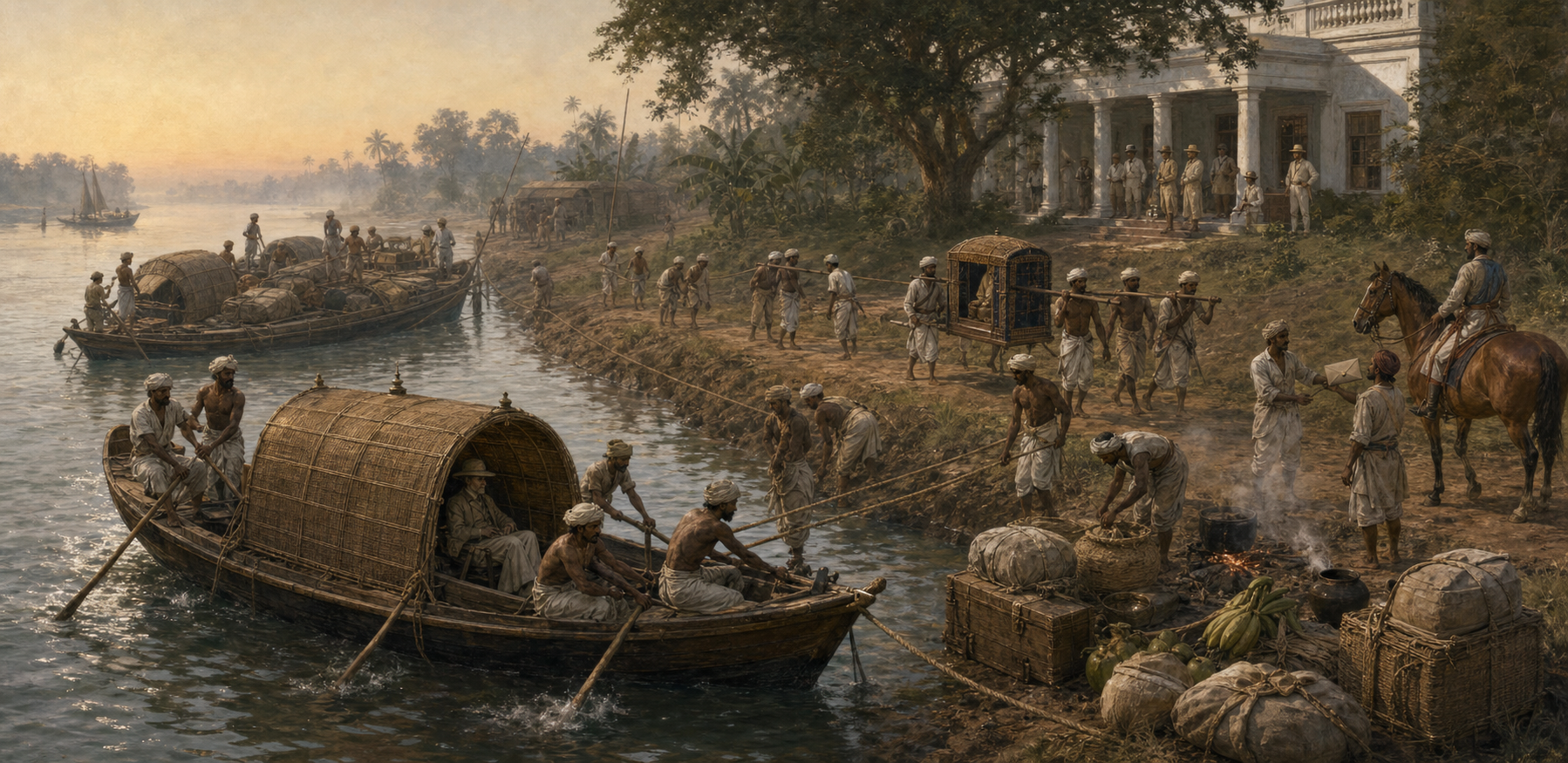
Marquess Wellesley’s 1803 itinerary for Viscount Valentia reveals how rank and Company machinery fused to enable elite travel across the Bengal Presidency. From Chitpore Ghat to Bhagalpur, the journey exposes the infrastructures of empire—palanquins, cantonments, escorts—and the social circuits that sustained privilege. Stops at Palashi, Berhampore, Murshidabad, and Jangipur become lenses on military power, administrative…
-
Inside Marquis Wellesley’s 1803 Calcutta Banquet: Plunder-Fueled Opulence and Power

In January 1803, Viscount Valentia entered the newly built Government House in Calcutta and witnessed a meticulously staged display of colonial authority under Marquis Wellesley. The palace itself—announced as a seat of rule rather than a mere residence—projected power through architecture, ritual, and spoils of conquest, including a musnud drawn from Tipu Sultan’s throne. Elaborate…
-
Inside Viscount Valentia’s 1803 India Voyage: Opulence, Company Power, and Puri’s ‘Black Pagoda’

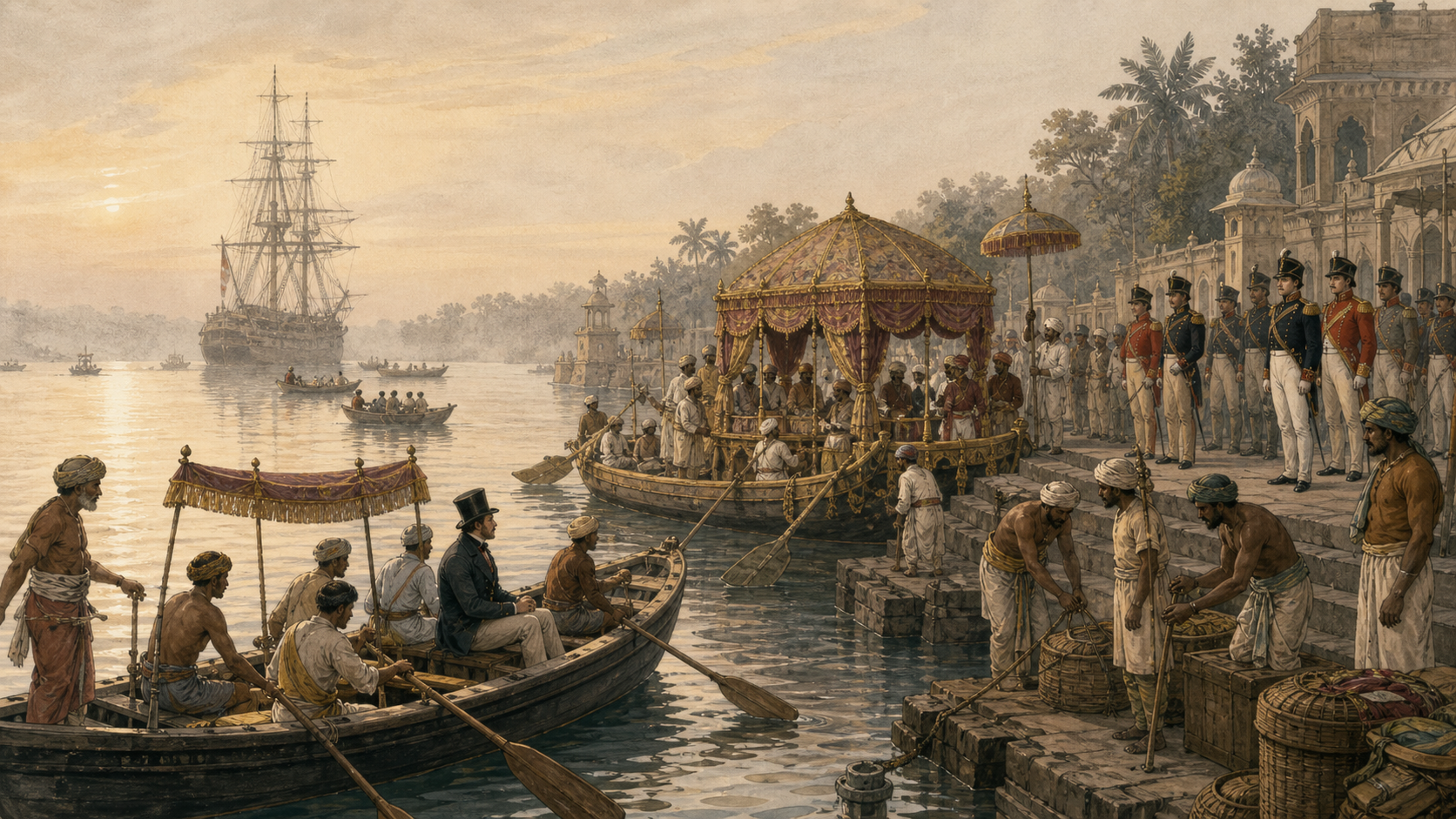
Viscount Valentia’s 1803 voyage moves from the Nicobar Islands to the Hooghly River, revealing how the East India Company fused spectacle and ceremony to project power. The narrative captures a barge’s opulence, courtly hospitality in Calcutta and Lucknow, and the subtle etiquette of inducement that shaped colonial politics. A telling phrase from Awadh—“Lord Saheb ka…
-
The Shocking Death of Raghu the Poddar: Inside East India Company Power Struggles in Bengal (1673–1676)

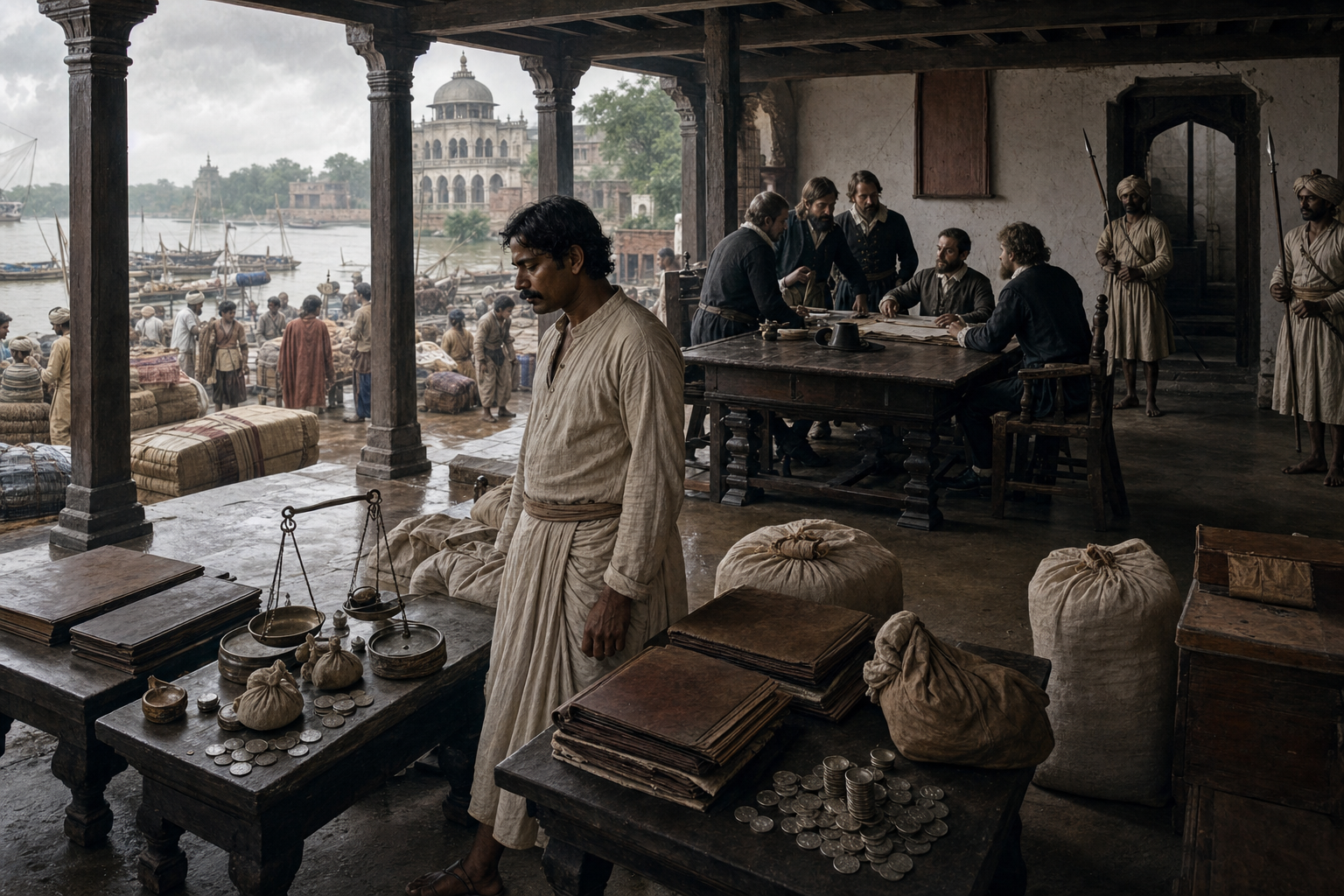
The Case of Raghu the Poddar reveals how the English East India Company’s quasi-sovereign power collided with local norms and sensitivities in Mughal Bengal. Within decades of Thomas Roe’s Farman, the Company’s factories operated under English rules that often conflicted with regional authority. In this climate of Dutch–English rivalry along the Hooghly, an incident in…
-
Spiritually Rich, Politically Vulnerable: Why India Fell to British Rule—and Rose United

This analysis examines why a spiritually rich India became vulnerable to British Colonial Rule while preserving civilizational continuity. Drawing on Sri Sri Ravi Shankar’s cyclical metaphor of the seasons, it situates conquest within broader structural forces—East India Company strategy, technological-military advantage, and administrative codification. It highlights how dharmic traditions—Hinduism, Buddhism, Jainism, and Sikhism—sustained social cohesion…
-
Calico’s Secret Journey: Discover How Indian Cotton Shaped Empires and Caribbean Piracy

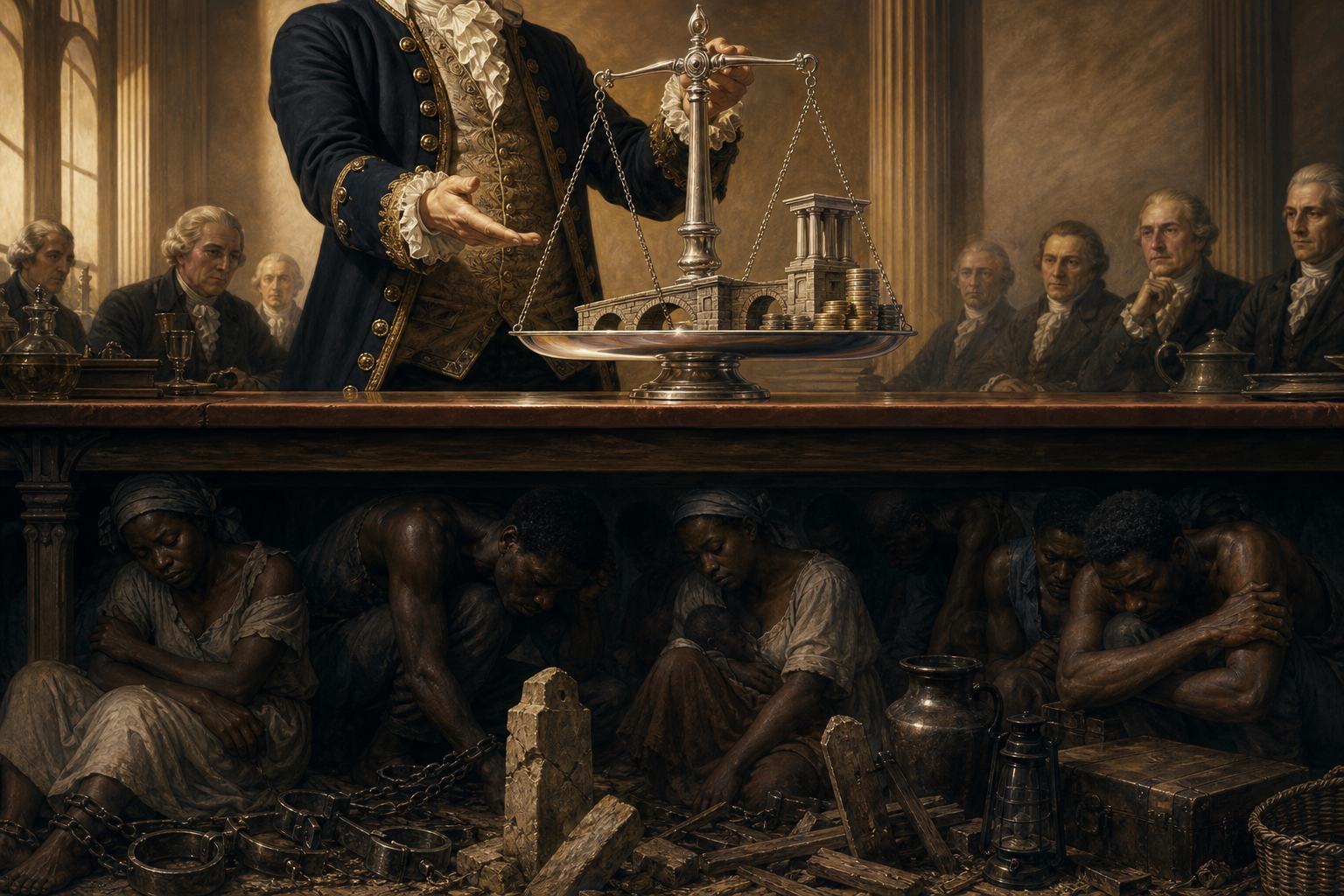
This article traces calico’s remarkable journey from Kozhikode’s looms to Nassau’s docks, revealing how Indian cotton powered ancient trade, fired European consumer demand, and reshaped empires. Readers discover the chemical ingenuity behind India’s colorfast dyes and the vibrant networks—Hindu artisans, and Muslim and Jewish merchants—that moved textiles across seas. The narrative clarifies how East India…
-
Shah Alam II and the Mughal Collapse: The Complete, Source-Backed History You Must Discover

This source-backed history of Shah Alam II explains how courtly indulgence, fiscal crisis, and regional realignments converged to bring the Mughal Empire to its twilight. Readers discover the Maratha role at Delhi, the British East India Company’s decisive entry in 1803, and archival details on opium use and palace finances. European observers like John Shore,…
-
Discover the Complete Story of Shah Alam II: Proven Insights into an Empire’s Unraveling

Shah Alam II’s long and turbulent reign reveals how imperial symbols persisted even as real power shifted to Maratha, Sikh, Afghan, and British actors. This clear, chronological analysis traces his return to Delhi under Mahadji Scindia, the Sikh reconfiguration of Delhi’s sacred landscape under Baghel Singh, and the decisive impact of the Battle of Buxar…
-
How Operation Polo Aborted a Pakistan in South India

The article explores the historical intricacies behind the liberation of Hyderabad, shedding light on the oppressive regime of the Nizams and the atrocities committed by the Razakars against the Hindu populace. It discusses the missed opportunity of the Marathas to dismantle the Nizam’s rule, attributing it to historical factors that allowed the Nizams’ sustained dominance.…