
-
DHENUKASURA SAMHARA MOORTHY: Lord Balarama’s Triumph at Talavana and the Power of Dharma

This exploration of “DHENUKASURA SAMHARA MOORTHY” presents Lord Balarama’s triumph over Dhenuka as both a gripping narrative and a guide to dharmic ethics. Set in the Talavana forest near Gokula, the episode restores calm to the Yadava cowherds and showcases strength informed by restraint. Its symbolism—overcoming inertia, fear, and confusion—resonates across Hinduism, Buddhism, Jainism, and…
-
Mushikasura Samhara Moorthy: Ganesha’s Powerful Lesson on Conquering Inner Obstacles

Mushikasura Samhara Moorthy presents Lord Vinayaka as the subduer of Mooshikasura, illuminating a Puranic lesson on conquering inner obstacles. The legend—preserved in ritual, iconography, and temple culture—teaches the ethical transformation of unruly forces into instruments of dharma. Read in tandem with broader dharmic insights from Buddhism, Jainism, and Sikh tradition, the story models how mindfulness,…
-
Indra’s Triumph over Vritrasura: Awe-Inspiring Symbolism, Dharma, and Unity Across Traditions
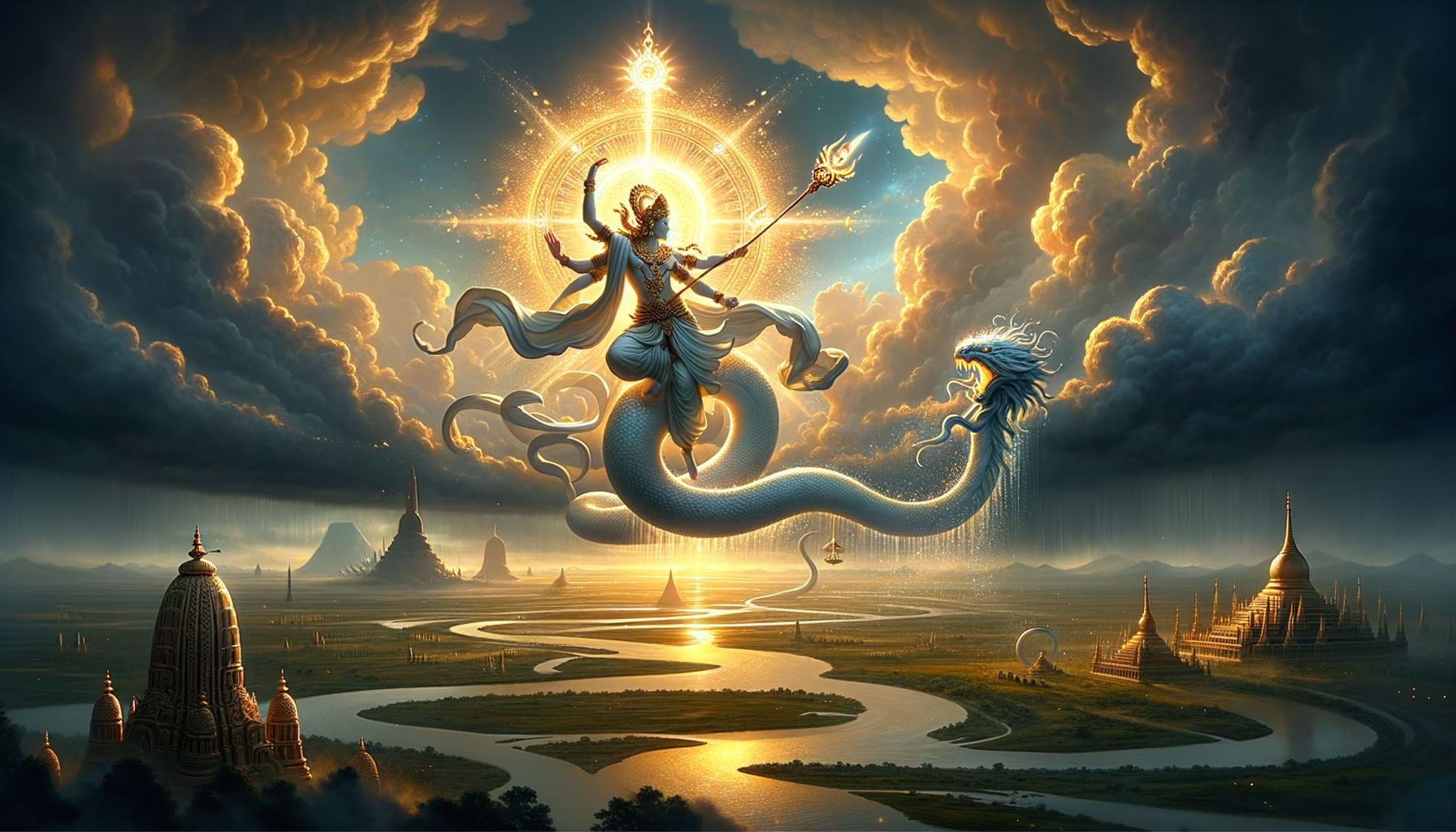
Vritrasura Samhara Murthy honors Indra’s victory over Vritrasura with the Vajrayudha, a decisive act that restores cosmic balance in Hindu mythology. The story, rooted in Vedic and Puranic traditions, symbolizes removing obstacles and renewing life. Its imagery maps to inner ethics: Indra as discerning courage, Vritrasura as obstruction, and the Vajrayudha as unshakable clarity. Read…
-
Daksha’s Lineage Unveiled: How the Devas and Asuras Were Born—and Why Narada Intervened
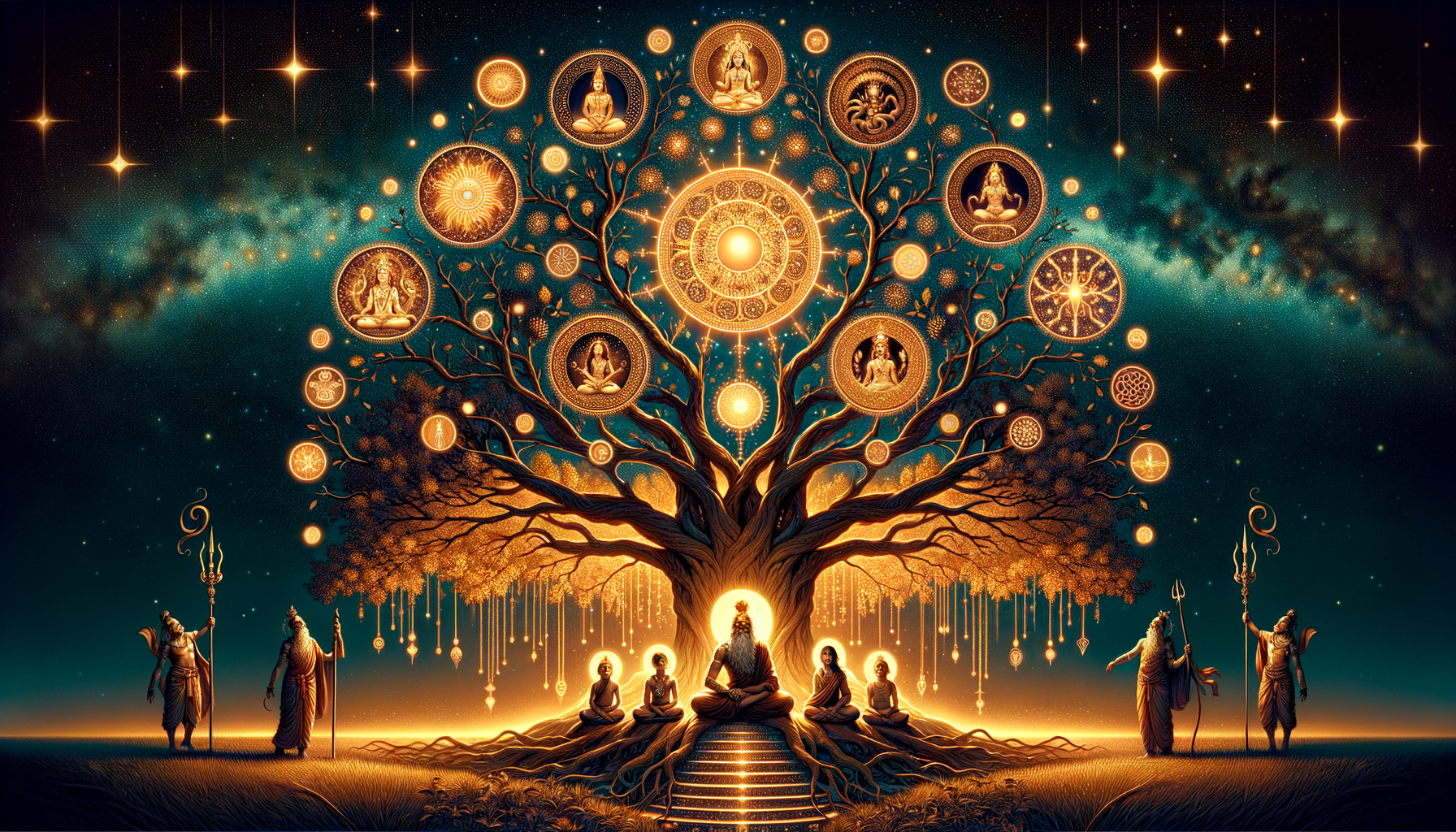
This retelling from the Brahma Purana traces how Daksha Prajapati’s lineage explains the birth of the Devas and Asuras through the marriages of his sixty daughters, especially those wed to Rishi Kashyapa. It recounts Narada’s provocative counsel to the Haryashvas and Shabalashvas, who chose knowledge-seeking over rulership, underscoring the primacy of inquiry before power. Readers…
-
Daksha’s Lineage Unveiled: How Haryashvas, Devas, and Asuras Arise in the Puranas

Purāṇic accounts portray Daksha’s lineage as a blueprint for ethical leadership and cosmic diversity. Asikli’s five thousand sons, the Haryashvas, heeded Narada’s challenge to seek knowledge before ruling, choosing inquiry over immediate power. A second group, the Shabalashvas, followed the same path, reinforcing the primacy of wisdom and renunciation. Creation then continued through Daksha’s daughters,…
-
Fatal Pride in Hindu Epics: Comparing Mahishasura and Ravana for Timeless Dharmic Lessons
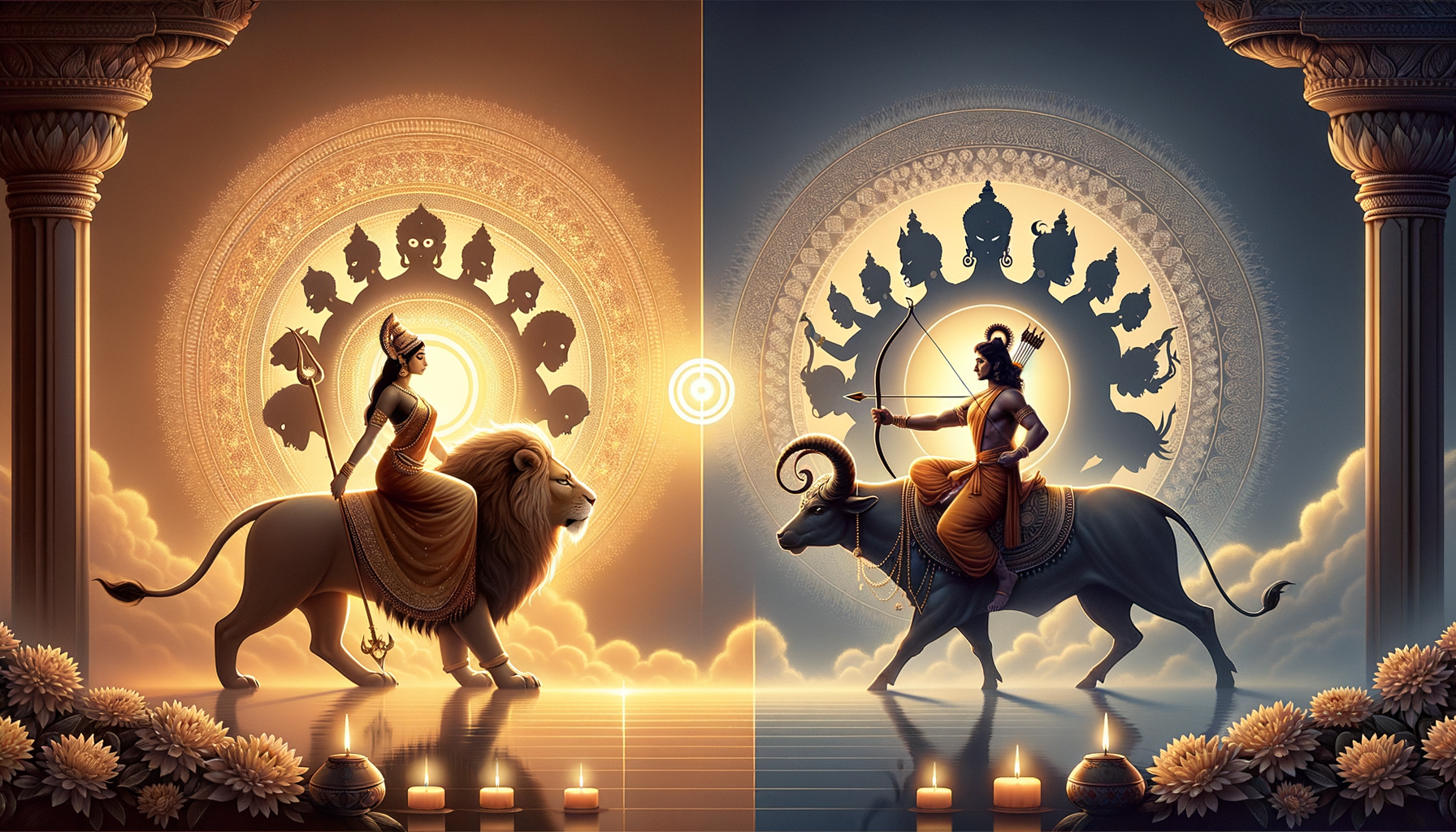
Mahishasura and Ravana exemplify how unchecked pride destabilizes power and invites a dharmic corrective. Drawn from the Devi Mahatmya and the Ramayana, their stories trace boons misused, counsel ignored, and justice ultimately restored. Readers gain clear leadership lessons: humility, accountability, and attention to wise advice sustain order. The festivals of Durga Puja and Dussehra translate…
-
Jalandhara Katha: The Complete Saga of Shiva’s Battle and Vishnu’s Secret Boon

The Jalandhara Katha recounts the ascent of the asura Jalandhara, the cosmic battle with Lord Shiva, and Lord Vishnu’s subtle yet decisive intervention. Drawn from Puranic sources such as the Padma Purana, the tale situates power, devotion, and strategy within a broader conversation on Dharma and Adharma. Jalandhara’s strength, bound to Vrinda’s unwavering fidelity, created…
-
Mahakapala in the Ramayana: Discover the Complete Path to Moksha through Divine Grace
Mahakapala’s brief but evocative appearance in Ramayana lore illustrates how divine grace can reveal the path to moksha even for those aligned with adharma. Framed within Dharma-Yuddha, his defeat is contemplated as a sacred end that preserves justice and dignity. The narrative shows how loyalty becomes virtue only when tethered to truth, and how sincere…
-
Ultimate Ramayana Insight: Guru Shukracharya’s Prophetic Curse and Ravana’s Downfall
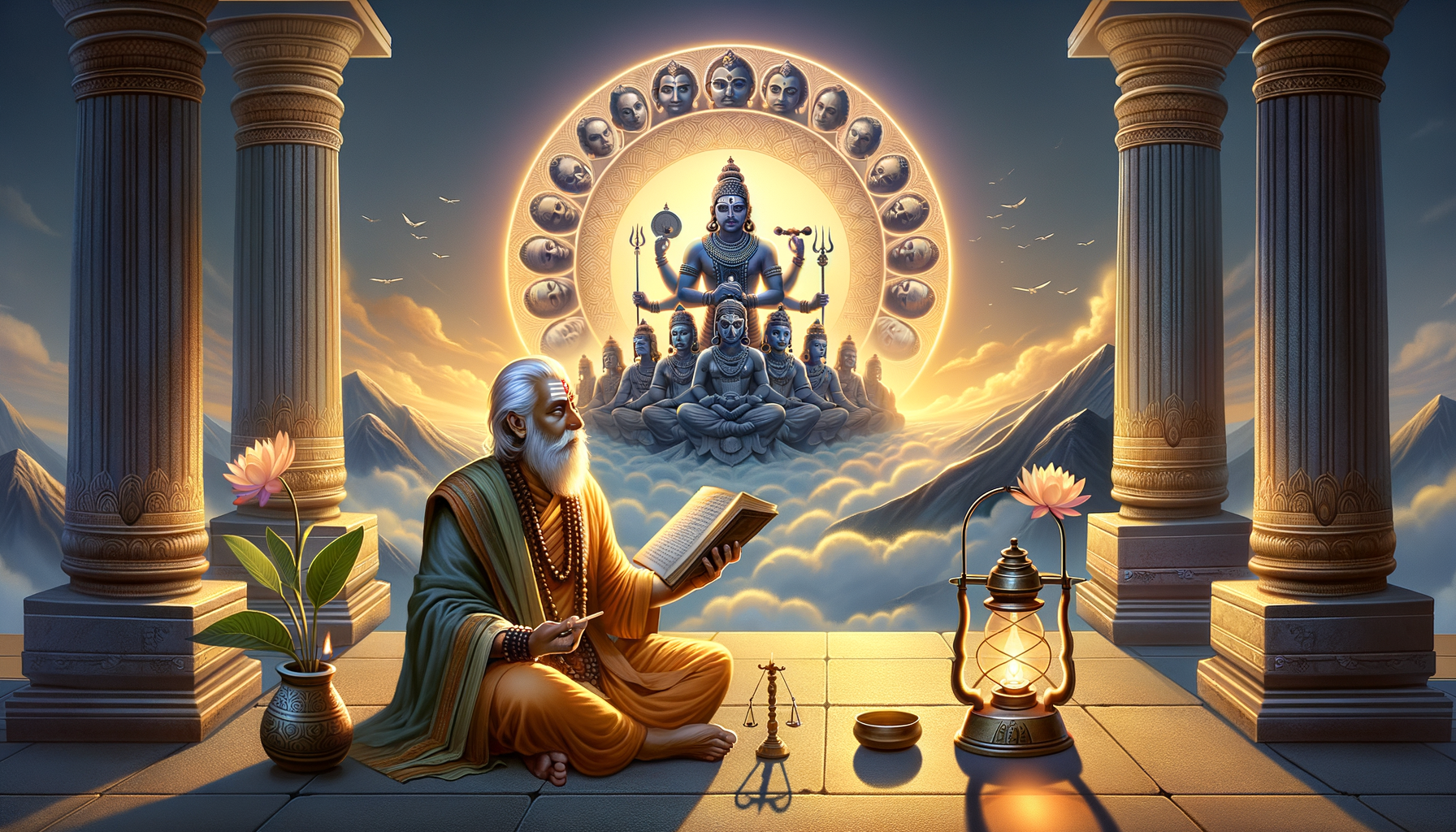
This exploration presents a scholarly reading of a lesser-known Ramayana motif linking Guru Shukracharya’s prophetic curse with Ravana’s downfall. It situates the episode within Hindu scriptures while acknowledging parallel vows and pronouncements such as those of Nandi, Vedavati, and Nalakubera. Readers discover how the language of “curse” functions as ethical causality, reinforcing the Ramayana’s core…
-
Discover the Matrilineal Legacy of Asuras: A Complete, Evidence-Based Breakthrough in Hindu History

This article reexamines Asura lineages in Hindu scriptures to uncover a consistent, evidence-based pattern of maternal affiliation. By highlighting the Daitya and Danava eponyms derived from Diti and Danu, it shows how maternal identity shaped social classification in Ancient India. It underscores women’s agency in key narratives while noting that daughters and sons both function…
-
The Origin of Onam

The popular narrative of Onam revolves around the story of King Mahabali and Lord Vamana, portraying Mahabali as a martyr and Vishnu as a villain. This version doesn’t align with the true essence of the scriptures. In reality, the story is more nuanced. Vishnu’s avatar, Vamana, came to address the balance between the devas and…