-
Maharashtra Shelves Devasthan Inam Draft; Landmark Panel to Protect Temples and Dharmic Heritage

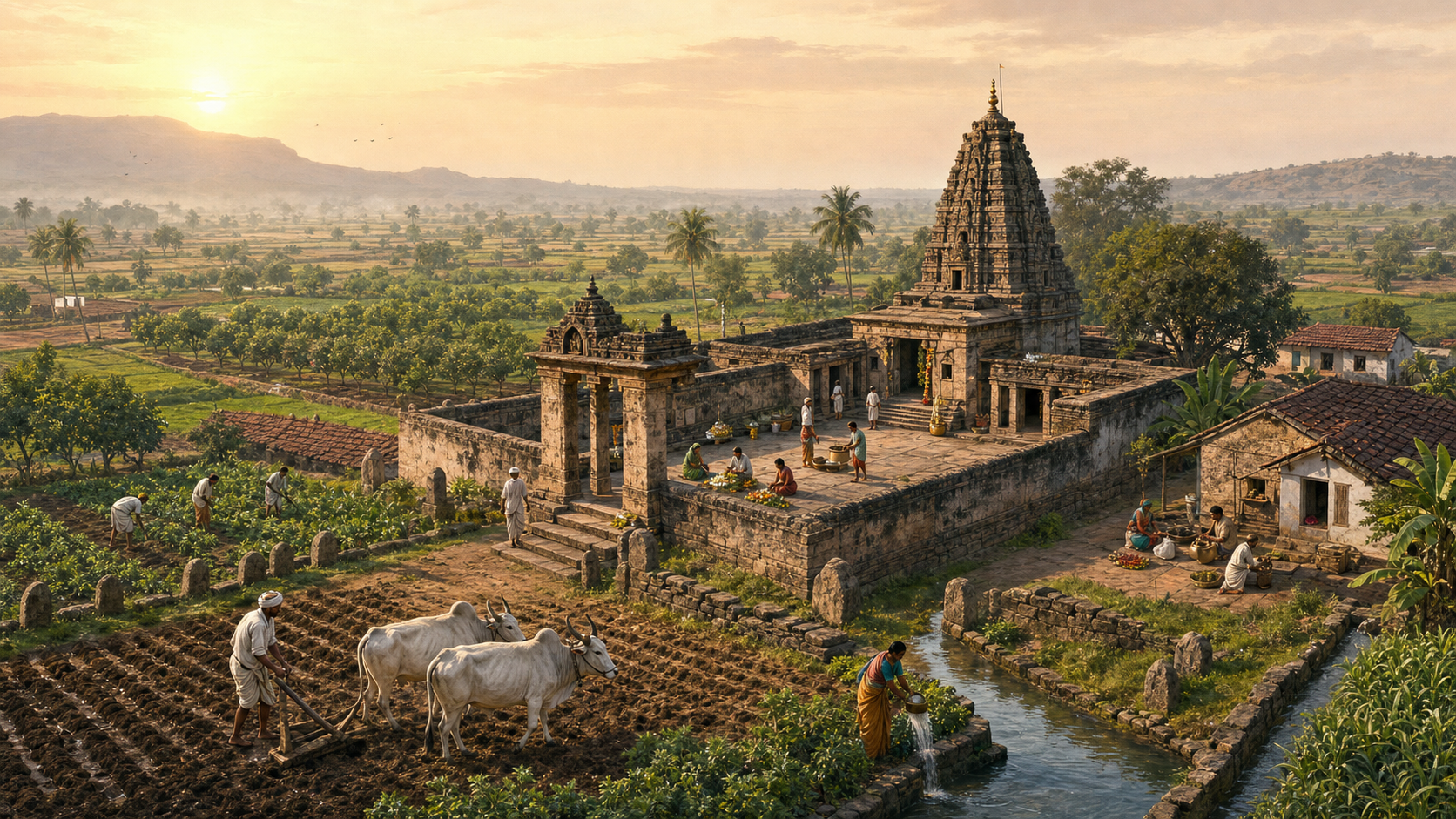
Maharashtra has withdrawn the proposed Devasthan Inam Abolition Act draft and formed a stakeholder committee that includes Mandir Mahasangh, Hindu Vidhidnya Parishad, and temple trustees to craft a rights‑respecting alternative. The move recognizes the constitutional protections of Articles 25 and 26 and the Shirur Mutt precedent while aiming to secure temple lands, rituals, and community…
-
Protect Temple Lands Now: Ratnagiri Trustees Press Maharashtra for Devasthan Land Protection Act

A special meeting of temple trustees in Ratnagiri, organized by Maharashtra Mandir Mahasangh, spotlighted a focused policy appeal: retire the proposed Devasthan Inam Abolition Act and adopt a protection-first Devasthan Land Protection Act. The discussion emphasized how Devasthan lands sustain worship, community kitchens, education, and heritage conservation, and why generic abolition models risk destabilizing endowment-based…
-
Kudal Resolve: Maharashtra Trustees and Devotees Unite to Safeguard Temple Lands and Autonomy

A gathering of temple trustees and devotees in Kudal, Maharashtra, affirmed a united and constitutionally grounded approach to protecting temple lands, traditions, and religious autonomy. The deliberations emphasized that any changes linked to a proposed Devasthan Inam Abolition Act must align with Article 26 and related jurisprudence safeguarding denominational rights. Participants underscored rigorous compliance under…
-
Awaken Dharmic Unity: Ku. Kranti Petkar’s clarion call to safeguard faith, pluralism, and rights

At the Grand Hindu Convention in Wing, Ku. Kranti Petkar (HJS) urged a renewed, law-abiding pride in Dharma that strengthens Hindu Unity while honoring the broader dharmic familyHinduism, Buddhism, Jainism, and Sikhism. This analysis frames the call as a constitutional, ethical, and community-centered agenda that advances pluralism and public safety. It outlines practical Counterextremism steps…
-
Maharashtra Halts Devasthan Inam Abolition Draft: Inside Stakeholder Pushback and the Road Ahead

Maharashtra has paused the draft ‘Maharashtra Devasthan Inam Abolition Act, 2026’, reflecting a decisive rethink after strong stakeholder feedback. The move highlights constitutional guardrails under Articles 25 and 26 and longstanding Supreme Court doctrine that allows regulation of secular administration while protecting essential religious practice. Stakeholdersincluding HJS, VHP, and trustees from Hindu, Buddhist, Jain, and…
-
VHP seeks rollback of ‘Devasthan Inam Abolition’ bill to safeguard temple lands and heritage

Vishwa Hindu Parishad (VHP) has called for the withdrawal of the proposed ‘Devasthan Inam Land Abolition Act’ and launched a parallel demand for time-bound removal of encroachments on temple lands. The issue implicates Articles 25 and 26, the public trust character of religious endowments, and decades of land-reform jurisprudence. Devasthan Inam lands historically financed daily…
-
Arunachal’s Decisive Move: 15 Unauthorised Mosque Sites Sealed to Protect Indigenous Land

On 6 June 2026, the Itanagar Capital Region administration sealed 15 unauthorised mosque sites in Arunachal Pradesh, framing the action as a rule-of-law measure aligned with indigenous land safeguards. This analysis explains how Articles 25–28 protect religious freedom while allowing the State to regulate land, safety, and planning for all places of worship. It situates…
-
Temple Lands at Risk? Why Maharashtra’s 2026 Devasthan Inams Draft Act Alarms Dharmic Bodies

Maharashtra’s proposed Devasthan Inams Abolition Draft Act, 2026 has raised alarms among temple trusts and dharmic institutions that rely on endowment-backed revenues for worship, welfare, and heritage conservation. This analysis clarifies what devasthan inams are, why they matter to community life across Hindu, Buddhist, Jain, and Sikh traditions, and how constitutional safeguards under Articles 25,…
-
Maharashtra Temple Trusts Slam ‘Devasthan Inam Abolition Act 2026’, Seek Equal, Transparent Rules

A statewide conclave of trustees and community voices in Maharashtra has opposed the proposed ‘Devasthan Inam Abolition Act 2026,’ asking why Devasthan temple lands appear targeted while other religious endowments are treated differently. The discussion clarifies what Devasthan inam lands are, why they matter to worship, welfare, and heritage, and how constitutional safeguards under Articles…
-
Maharashtra’s Devasthan Inam Abolition Draft Act 2026: Why Temple Lands Must Be Protected Now

Maharashtra’s Devasthan Inam Abolition Draft Act 2026 seeks to alter how temple and other dharmic institutions sustain religious and charitable work by targeting endowed lands. Devasthan inams historically funded daily worship, festivals, and social services; abolishing them risks fragmenting sacred endowments and destabilizing predictable income. The constitutional frameworkparticularly Article 26protects denominational autonomy to own and…
-
Bhojshala at a crossroads: Saraswati idol reportedly installed; entry rules tighten after court

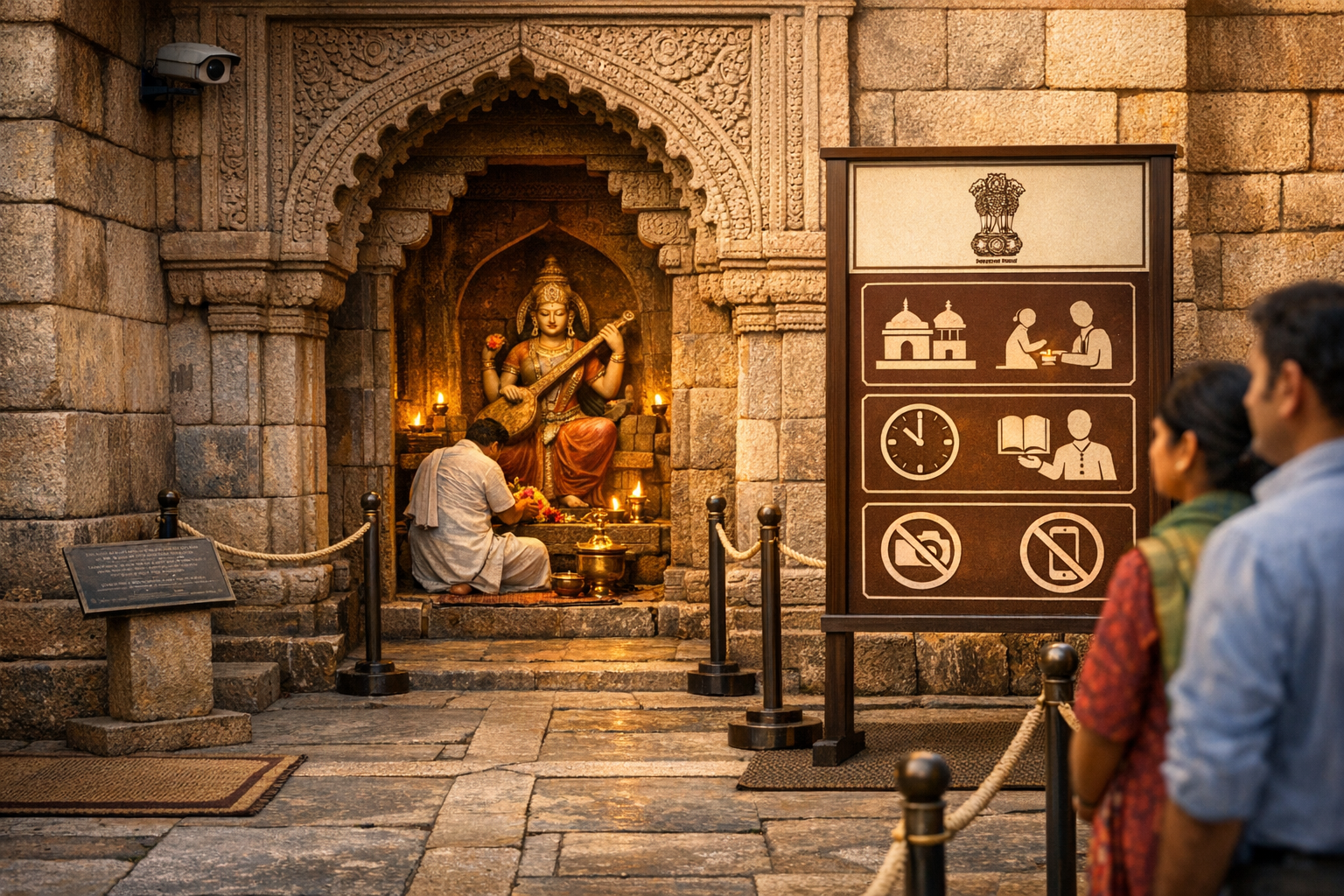
Reports from Dhar, Madhya Pradesh suggest that a consecrated idol of Mata Saraswati has been installed at Bhojshala with daily worship commencing, and that entry protocols have tightened following a court directive. This analysis explains the legal frameworks (Articles 25–26, AMASR Act, and the Places of Worship Act) that shape permissible action. It outlines how…
-
Mandir Mahasangh’s Statewide Drive Challenges Maharashtra Devasthan Inam Abolition Draft 2026

Mandir Mahasangh has launched a statewide memorandum campaign opposing the Maharashtra Devasthan Inam Abolition Draft Act 2026, bringing temple autonomy and dharmic heritage to the forefront of policy debate. This analysis explains what Devasthan inams are, why abolition frameworks can affect core religious and charitable functions, and how Articles 25 and 26 shape constitutional limits…
-
Maharashtra’s Devasthan Land Transfer Row: Legal Risks, Community Fears, and a Sensible Way Forward

The Maharashtra Mandir Mahasangh has warned of a statewide agitation against a proposed law enabling transfers of Devasthan lands, citing fears of land mafia capture and erosion of sacred trusts. This analysis maps the constitutional guardrails (Articles 25, 26, and 300A), the statutory framework of the Maharashtra Public Trusts Act, 1950, and key Supreme Court…