

If you came to Ramana Maharshi with questions about a past life or a future rebirth, his response might initially feel like a refusal. You want to know what happened before this life or what will happen after it. He turns your attention to something more immediate: before asking when you were born before, find out what the word “I” refers to now.
This is not a demand that you accept a doctrine about an unborn Self. It is an invitation to examine your experience. The practical question is whether the consciousness by which you know your body, memories, and personal history can itself be found as a thing that entered existence.
Why Ramana turns the question of rebirth around
“Let past life and rebirth remain where they are. First, find out whether you are born now.”
Ramana Maharshi
The ordinary question about rebirth assumes that you already know who or what is being reborn. Ramana challenges that assumption. If “I” means the person with a body, name, relationships, memories, and changing circumstances, then birth belongs to that person’s history. If “I” means the consciousness to which that entire history appears, the question must be examined differently.
This is why his reply is not simply a clever way of avoiding speculation. It identifies a prior problem. You cannot think clearly about “my previous birth” until you know what you mean by “me.” Otherwise, the same unexamined identity is projected backward into an imagined past and forward into an imagined future.
The redirection also gives you something you can investigate now. Memories of an ordinary event are objects of present awareness. Ideas about another life are also objects of present awareness. Ramana asks you to notice the awareness in which both memory and speculation arise, and then to question whether that awareness presents itself as a biographical object with a beginning.
What is born, and what is being called the Self?
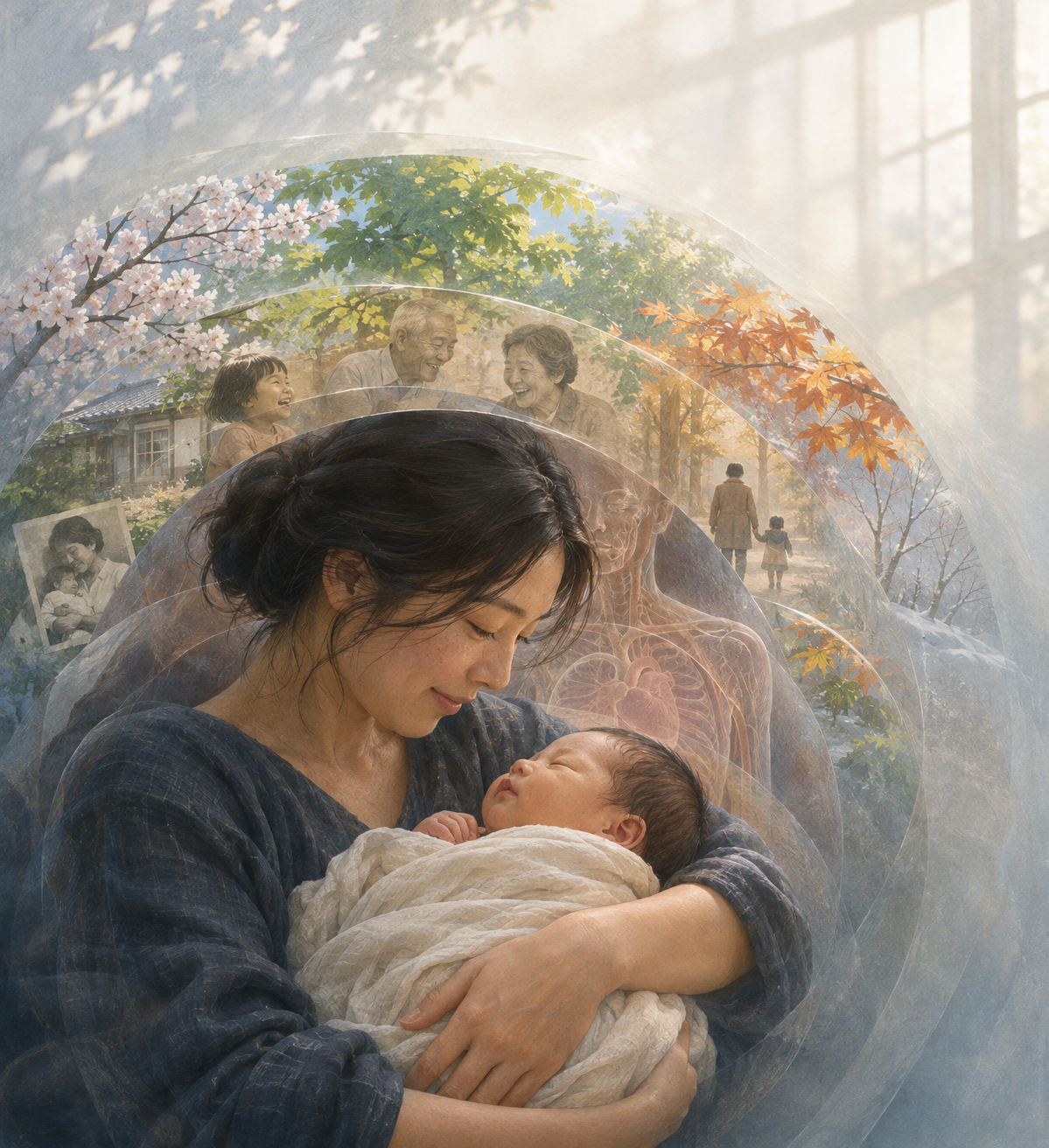
You do not need to deny the body’s birth to follow this inquiry. Your body has a history. Your personality develops, your circumstances change, and your memories accumulate. Those facts belong to the individual person and remain relevant in everyday life.
Ramana’s question concerns the Self, written with a capital letter to distinguish it from the personal identity. Here, the Self means the consciousness that knows the person. The body is perceived. Thoughts are noticed. Memories appear and disappear. Even the feeling “I am this particular person” can be observed. The inquiry asks: what knows these appearances?
Be careful at this point. The Self is not another hidden object that you must picture inside the body. If you form an image of a light, a soul, an empty space, or a witness sitting behind your thoughts, that image is itself something noticed. The question therefore turns back again: to whom does this image appear?
From the standpoint Ramana is directing you toward, birth applies to what appears and changes. The Self is approached as that to which birth, growth, memory, and change appear. This does not give you a new biographical fact about a former life. It changes the standpoint from which the whole question is asked.
It is also important not to turn “the Self is unborn” into a claim that ordinary responsibilities are unreal and can be neglected. At the practical level, the person still has duties, relationships, needs, and consequences. Self-enquiry addresses mistaken identity; it is not permission to become careless about the life in front of you.
How to use “Have I been born?” as self-enquiry
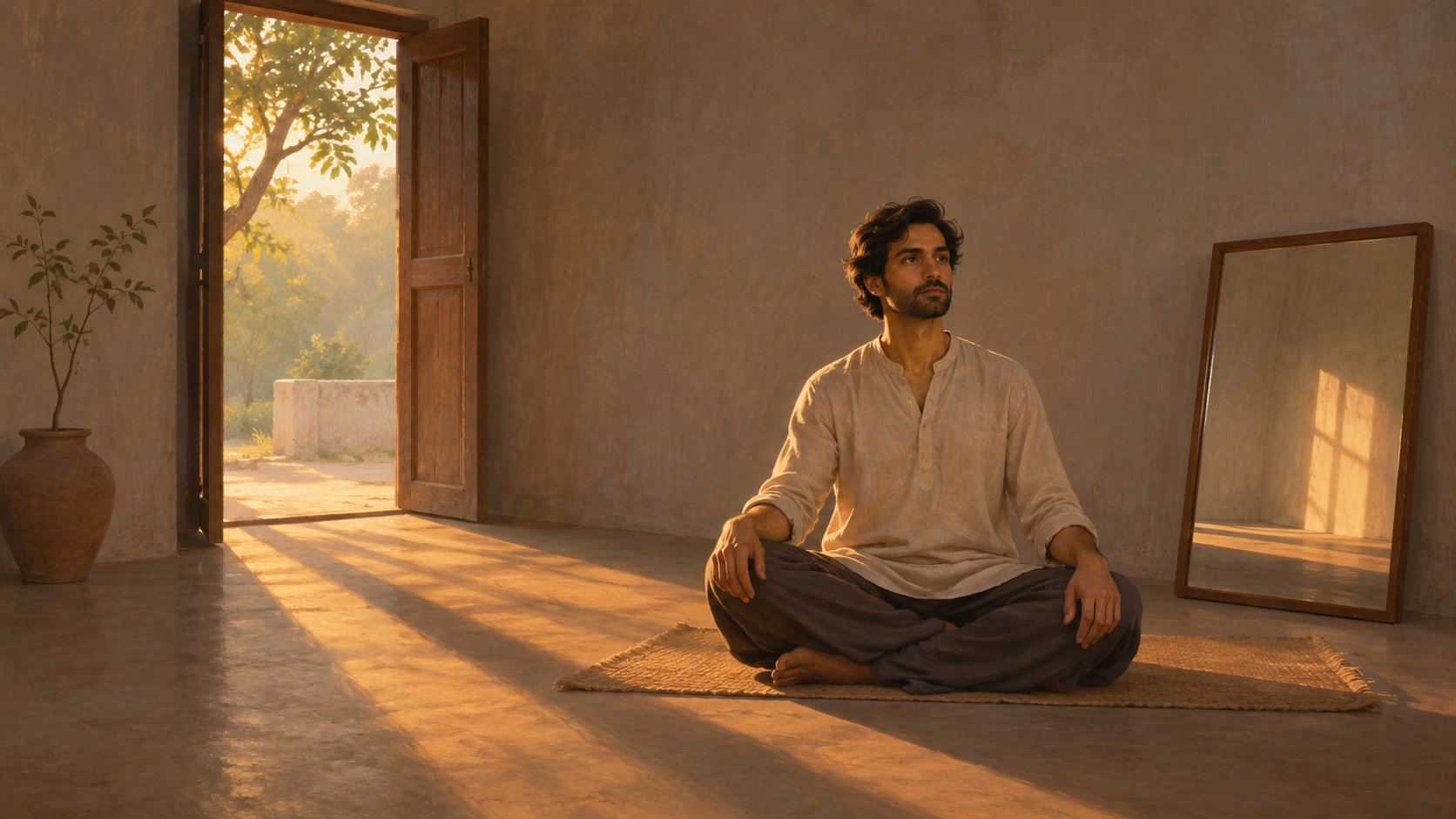
The question becomes useful when you apply it to a live experience rather than treating it as a topic for debate. Try it when a thought about death, rebirth, identity, or personal continuity has actually caught your attention.
- Pause before pursuing the story. Do not immediately build an explanation about a previous life or a future existence. Notice that, right now, you are experiencing a thought about those things.
- Name what is present. It may be a mental image, a question, a fear, a hope, or a remembered teaching. Identifying it as an appearance prevents you from confusing the thought with the one who knows it.
- Ask, “To whom has this appeared?” The natural answer is “to me.” Do not stop there or repeat the answer as a formula.
- Examine the “me.” Before reaching for your name, body, role, or history, attend to the immediate sense of being the one who knows. Can that knower be seen as an object? Does it have a visible boundary, age, or biography in present awareness?
- Remain with the inquiry rather than manufacturing a conclusion. If another thought answers, “I am the unborn Self,” notice that this answer is also known. Turn attention back toward the knower.
- Return when identification returns. A new memory, emotion, or plan may quickly reclaim the word “I.” That is not a failed session. It is the next opportunity to ask what is aware of it.
The purpose is not to produce a special sentence. “I was never born” can be just another thought. The work lies in tracing the felt identity of “I” back from the body, history, and mental commentary to the consciousness in which they are known.
You can use the same inquiry in an ordinary moment. When you think, “I was insulted,” “I am afraid,” or “I will become something,” first deal with any practical matter that genuinely requires action. Then inspect the “I” carrying the story. Which part is changing, and what is aware of that change? This makes Ramana’s teaching a living discipline rather than a theory reserved for questions about death.
Four mistakes that turn the question into another belief
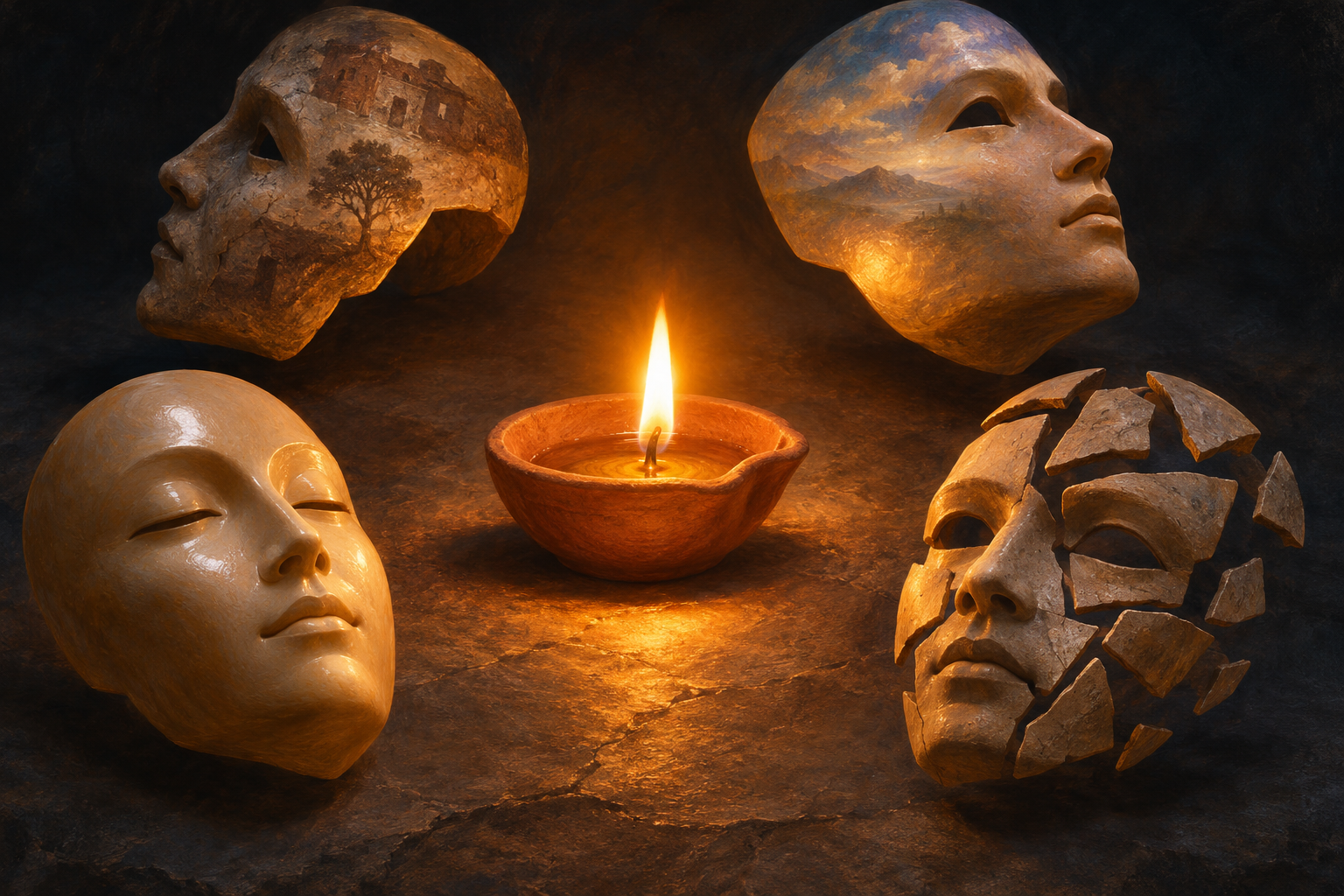
A subtle teaching is easily converted into a position that the mind can defend. Watch for these common wrong turns:
- Answering from memory. Your remembered birth date and family history answer a question about the person. They do not settle Ramana’s question about the consciousness that knows that history.
- Answering with doctrine. Saying “the Self is eternal” may be philosophically consistent, but an inherited statement is not the same as examining what “I” means in your present experience.
- Trying to erase the person. Self-enquiry does not require you to pretend that the body, personality, or world is absent. It asks you to distinguish what is observed from the consciousness by which it is observed.
- Waiting for a blank mind. A quiet state can come and go, just as an active state can. If you can notice either state, the inquiry concerns the knower of both, not the temporary absence of thought.
There is also a useful test for intellectual certainty. If you feel compelled to prove to someone that you are unborn, attention has probably moved from enquiry back into a defended identity. Return to the simpler question: who is the “I” that wants its conclusion confirmed?
Key takeaways
- Ramana’s question does not deny that the individual body was born; it asks whether the consciousness knowing the individual can be located as a born object.
- Questions about past lives assume that you already know what the word “I” means. Self-enquiry examines that assumption before constructing a theory of rebirth.
- A verbal answer such as “I am the unborn Self” is still an object in awareness. Notice the answer, then turn attention toward the one who knows it.
- The inquiry is practical when used during a real thought, fear, memory, or claim of identity—not only during a formal spiritual discussion.
- Recognising the distinction between person and Self does not remove your ordinary responsibilities. It changes the identity from which you meet them.
The next time the question of rebirth pulls you toward speculation, do not force yourself to accept or reject it. Start one step closer. Notice the thought, ask to whom it has appeared, and examine that “me” without substituting a biography or a borrowed spiritual answer. That is where Ramana places the question of birth—and where you can begin investigating it for yourself.
References

Leave a Reply
You must be logged in to post a comment.