
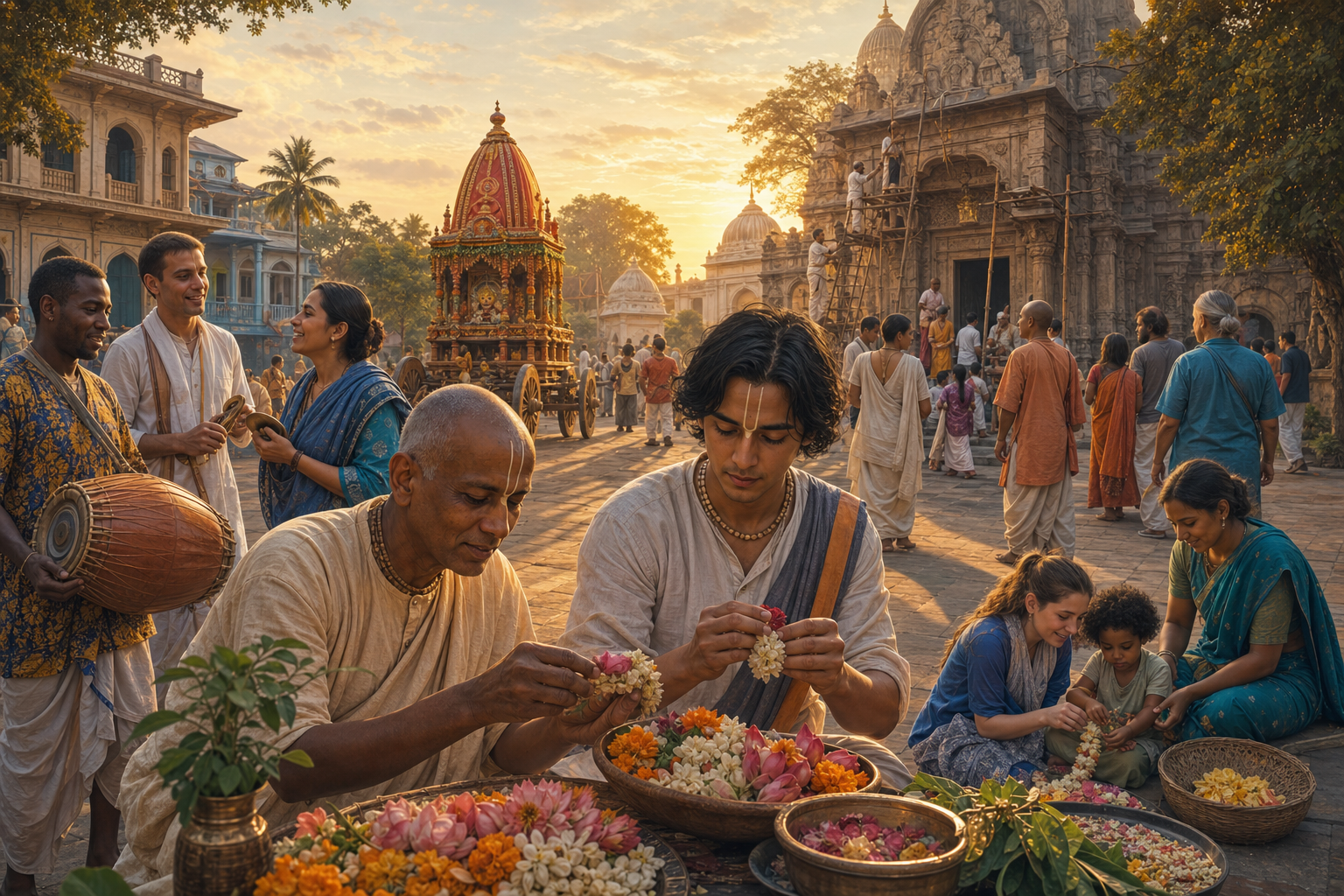
If your community has the capacity for one major heritage effort, should it organize a Rathayatra, safeguard a historic temple, document the memories of senior devotees, or expand teaching for the next generation? Visibility alone won’t answer that question. The right project is the one that protects the part of your inheritance most likely to disappear.
Vaishnava heritage travels through worship, kirtan, sacred places, festivals, remembered events and people trained to carry them forward. A Jagannath Rathayatra in Warri, Nigeria, placed devotion in the public square. The reacquisition of 7 Bury Place in London restored a community’s connection to a site sanctified by worship and history. These are different forms of stewardship, and knowing which form you need is the beginning of a serious preservation plan.
Start by naming what is actually in danger
“Preserve our heritage” is too broad to guide a decision. Before discussing publicity, property or fundraising, identify the threatened layer. Is a regular devotional practice fading? Is a sacred place losing its connection to the community? Are important events surviving only in personal memory? Does the wider public see the tradition but lack the language to understand it? Each problem requires a different response.
Living practice
A building can remain standing after the worship that gave it meaning has weakened. A festival can attract attention without teaching anyone how the tradition continues between celebrations. If the endangered element is practice, protect the people, knowledge and recurring duties behind it. Ask who knows how the seva is performed, who leads the kirtan, who teaches its meaning and who is learning those responsibilities.
The decisive question is not merely, “Will people attend?” It is, “What will still be practised because this project happened?” That change in wording separates living heritage from cultural display.
Sacred place
A Vaishnava site matters for more than its age or market value. Its importance can come from installation, worship, teaching, pilgrimage, community formation or the presence of an acharya. At London’s 7 Bury Place, Srila Prabhupada inaugurated London’s first Radha Krishna Temple in December 1969, installed Sri Sri Radha Londonisvara and personally performed abhiseka. Those acts explain why reacquiring the address carries a meaning that acquiring an otherwise similar building would not.
If place is the endangered layer, record precisely what makes the location sacred. Preserve the date, names, deities, rituals and community milestones that can be documented. Keep remembered testimony too, but distinguish personal recollection from an event supported by institutional records or photographs. Reverence doesn’t require imprecision.
Community memory and public understanding
Memory is more than a collection of old photographs. It explains why a community performs a particular seva, returns to a particular address or carries particular deities through the streets. When that explanation disappears, younger devotees may inherit an activity without inheriting its significance.
Public understanding is a related but separate task. A neighbour may respectfully enjoy the music and colour of a procession yet leave without knowing whom the chariot honours. That is not hostility; it is an unfinished introduction. Heritage work should give the newcomer enough context to move from observation to respectful understanding.
Design a public festival that transmits meaning
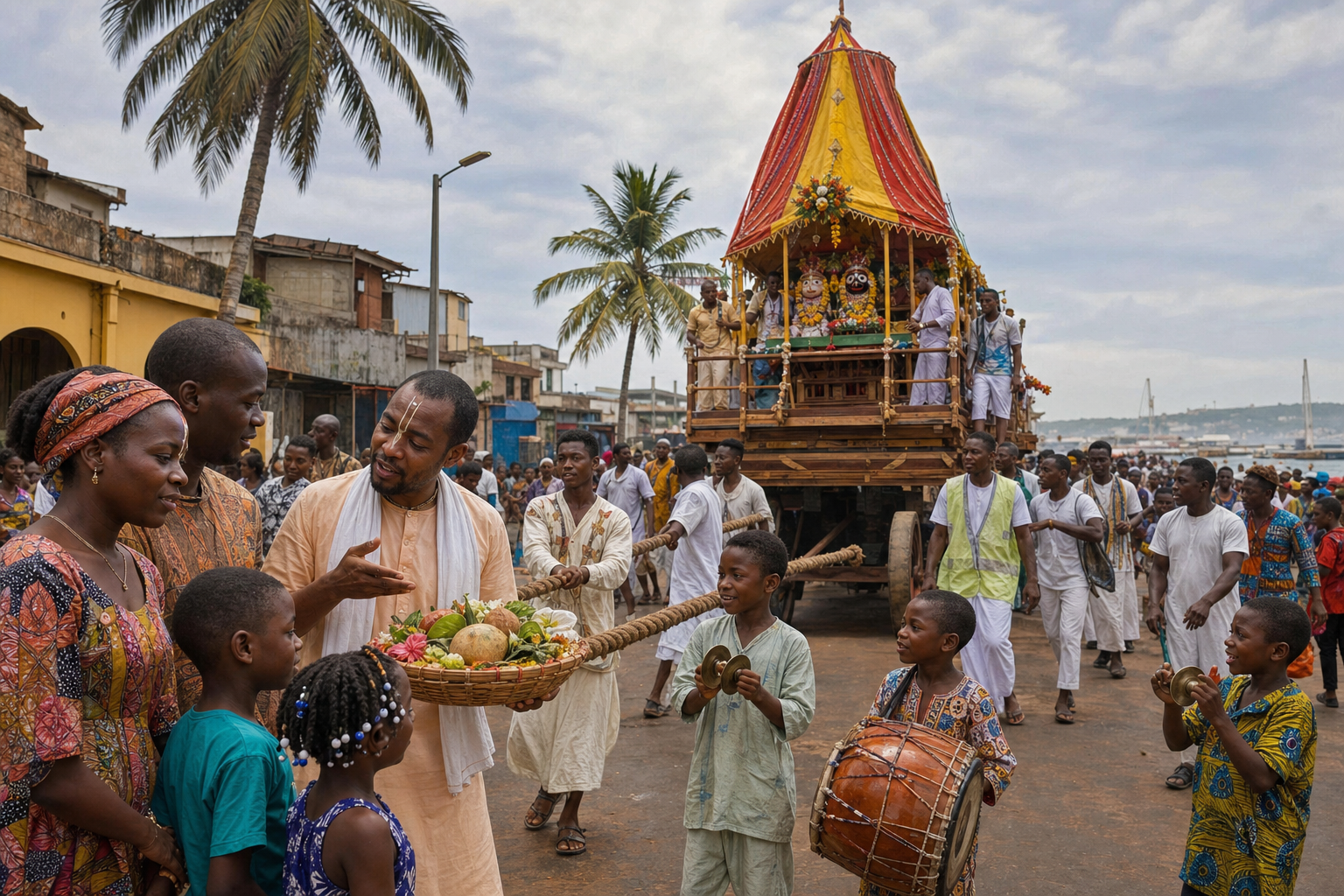
A Rathayatra makes sacred tradition visible beyond the walls of a temple. In Warri, devotees honoured Lord Jagannath, Balabhadra and Subhadra through a chariot procession, devotional music and congregational chanting. Local families, well-wishers and observers encountered a public expression of Vaishnava life within their own city.
For an organizer, the practical lesson is to plan interpretation as carefully as movement. A first-time visitor should be able to discover whom the festival honours, what the community is doing and how to participate respectfully. Put those answers where the encounter happens: in the welcome, in brief spoken explanations and in the guidance given to volunteers. Don’t make a newcomer search through a theological lecture before receiving a simple orientation.
Keep the devotional centre unmistakable. The deities, chariot, kirtan and congregational act are not decorative elements added to a generic multicultural parade. They are the reason the procession exists. Hospitality should open a door into that meaning rather than obscure it.
The Warri celebration also shows how a festival can create a cultural bridge. Compassion, service and mutual respect give neighbours a genuine point of connection. Use that common ethical language, but don’t claim that every Dharmic path is doctrinally identical. Unity in diversity is strongest when participants can recognize shared values without being asked to erase real distinctions among Hindu, Buddhist, Jain and Sikh traditions.
After the procession, judge more than turnout or photographs. Ask whether newcomers understood what they witnessed, whether local relationships became stronger, whether volunteers learned a lasting responsibility and whether the next observance will begin with better knowledge than the last one. Public presence becomes heritage transmission only when something remains after the chariot has left the street.
Treat a historic temple as a living institution
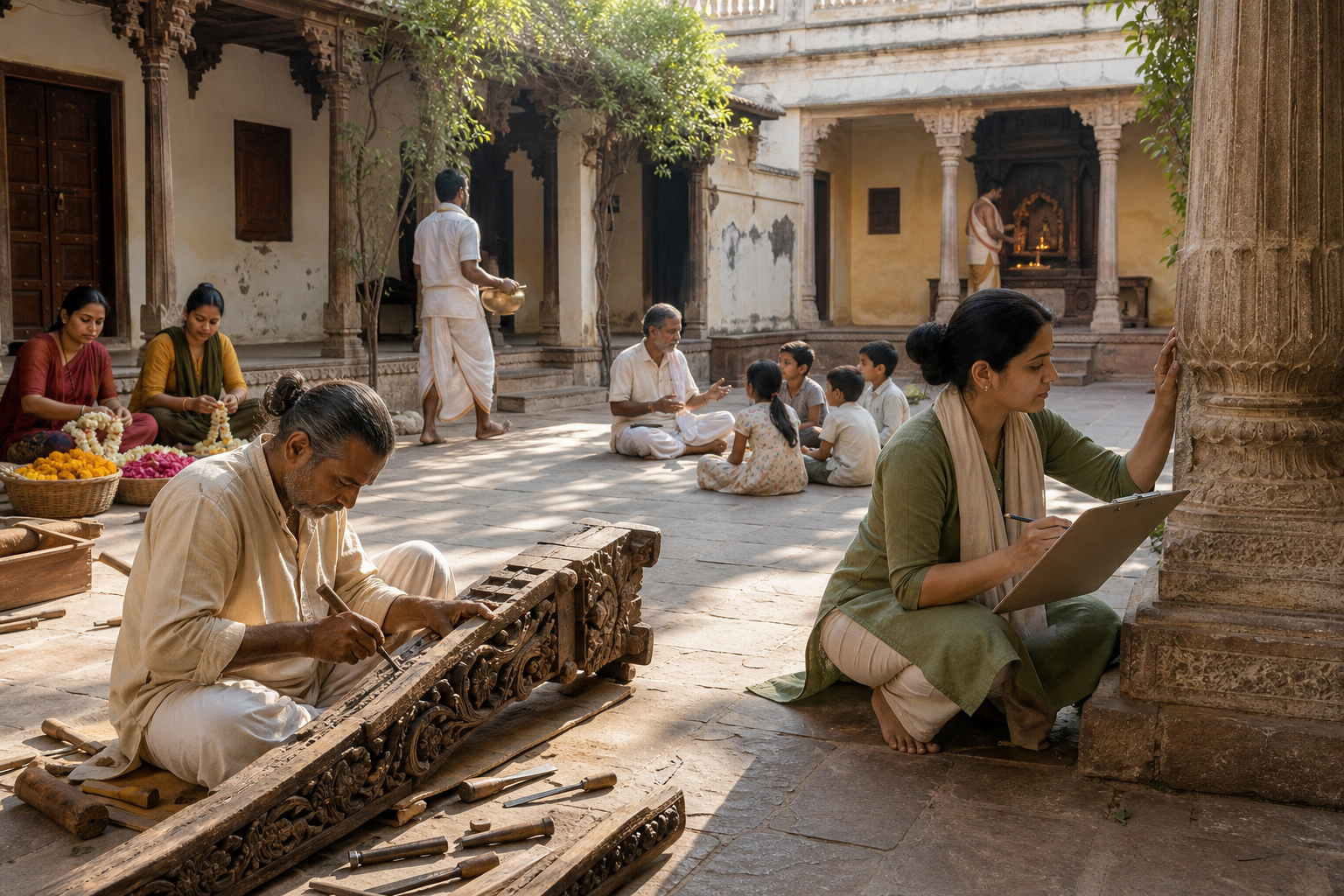
A recovered sacred property can give memory an address, but ownership by itself doesn’t complete the work. The place must continue to support the forms of life that made it important. At 7 Bury Place, the history includes Srila Prabhupada’s installation of Sri Sri Radha Londonisvara, his prayers and kirtan, and the site’s role in early Gaudiya Vaishnava outreach in Britain. A useful heritage programme should make those connections intelligible while allowing worship to remain central.
Begin with an exact public account of the site. Tell visitors what happened there, who was involved and why those events matter to devotees. Avoid vague superlatives when a documented date, name or ritual carries greater weight. Where evidence is incomplete, say less rather than filling the gap with an attractive legend.
Then give the building a present-tense purpose. Seva, satsanga, education and community service keep a sacred site from becoming a memorial to a finished chapter. Its location near the British Museum also creates a natural opening for education about temple history, Sanskrit literature, kirtan, Indian traditions, music and philosophy. The point is not to imitate a museum. It is to help a visitor understand that the heritage represented in nearby collections also survives as worship, thought and community.
Make the threshold clear. Visitors should know that they are entering a sacred place rather than an exhibition room. Devotees should know who is responsible for explaining the history. Volunteers should know which questions they can answer and when to refer a theological or historical question to someone with deeper knowledge. This small division of responsibility protects both hospitality and accuracy.
Finally, connect the historical narrative to succession. Younger community members shouldn’t appear only as an audience or as performers on a special day. Give them real work: learning the history, assisting with records, welcoming visitors, supporting kirtan, helping with educational programmes and receiving guidance from experienced custodians. A sacred site becomes intergenerational when knowledge and duty pass together.
Key takeaways: test a project before calling it preservation
Use these questions when your temple committee, cultural group or family foundation evaluates a heritage proposal:
- Name the sacred centre. What exactly is being carried forward: worship of particular deities, a form of seva, a festival, an acharya’s connection to a place, a teaching tradition or a community memory?
- Identify the threatened link. Is the immediate weakness practice, place, documentation, public understanding or succession? Fund and organize for that weakness rather than for visibility alone.
- Protect historical integrity. Record dates, names, rituals and milestones when they are documented. Preserve oral memories, but label them honestly as recollections.
- Keep devotion active. Ask what recurring worship, kirtan, teaching, service or gathering will continue after the launch, procession or property announcement.
- Make entry understandable. Give a first-time visitor a concise explanation of what is sacred, what is happening and how respectful participation works.
- Transfer responsibility. Pair experienced custodians with younger members who receive real duties, not merely invitations to attend.
- Review the residue. After the major event, look for improved knowledge, stronger local relationships, better records and people prepared to carry the next stage.
No single project has to perform every function. A procession is not deficient because it doesn’t own a historic building, and a temple is not failing because it doesn’t operate like a mass festival. The test is whether the project does its chosen job clearly and strengthens the next link in the chain.
Choose the next missing link
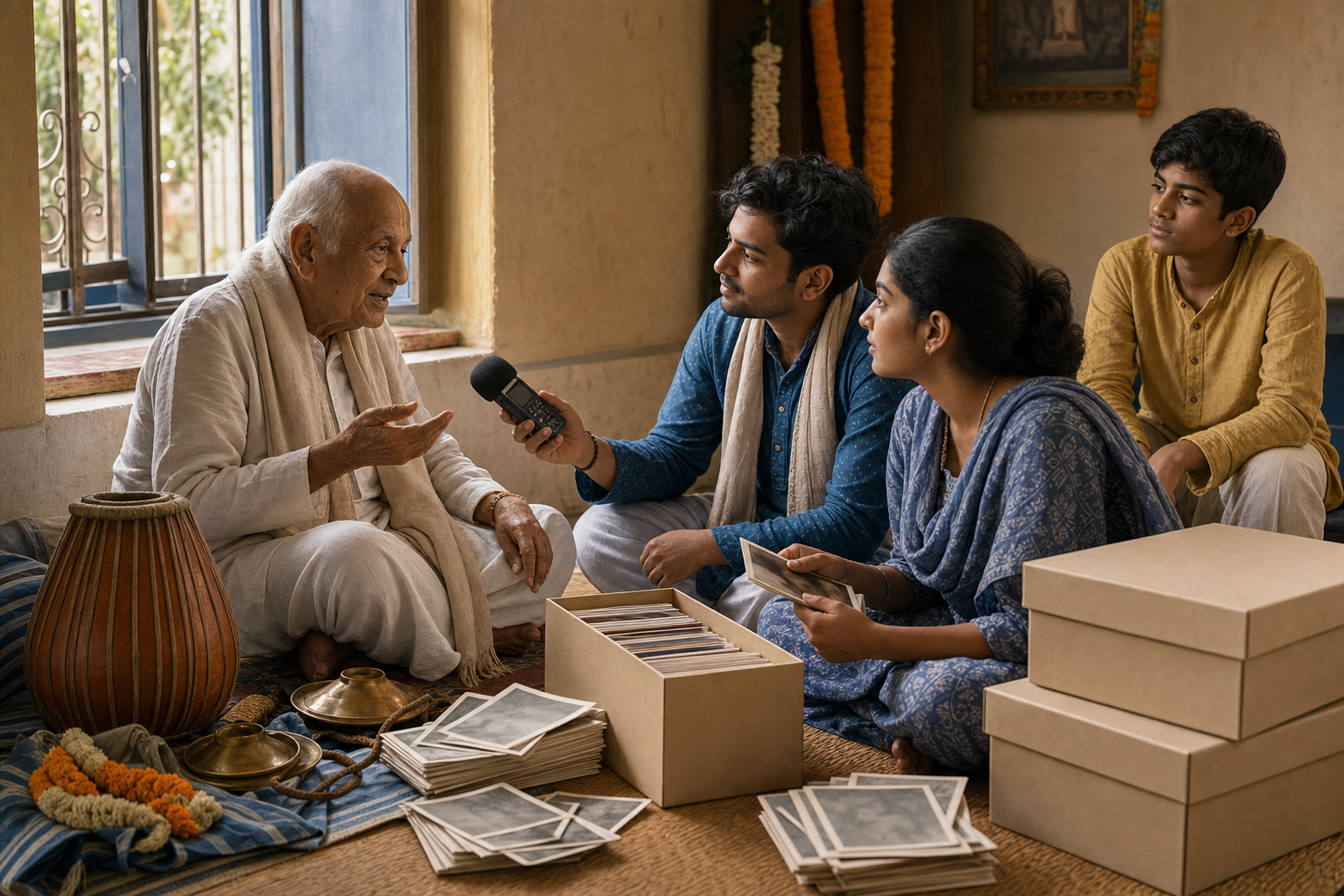
At your next planning meeting, complete one sentence before discussing a venue, campaign or programme: “The part of our Vaishnava inheritance most at risk is _____ because _____.” Require an answer concrete enough to name a practice, place, memory, relationship or responsibility.
If the missing link is public presence, build a dignified festival with clear interpretation. If it is historical memory, create an accurate record before recollections fade. If it is a sacred address, connect responsible stewardship of the place to active worship and education. If younger devotees attend but don’t inherit duties, redesign the work around apprenticeship.
Then name the person or group responsible for the first action and the devotional practice that action will protect. Sacred heritage crosses borders when communities do more than admire what they received: they make it possible for someone else to receive it whole.
References
- Dandavats – Joyous Sri Jagannath Rathayatra Lights Up Warri, Delta State: Milestone for Dharmic Unity in Nigeria
- Dandavats – Historic Homecoming: ISKCON London Reacquires 7 Bury Place, Shrine of Radha Londonisvara
