

You may have encountered Hindu Janajagruti Samiti while looking for a serious way to protect Bharatiya culture. Before you give an organisation your time, money, or public support, ask a harder question: will its work help people inherit a living tradition, or will it merely generate a moment of reaction?
That distinction matters. Cultural advocacy can alert society to neglect, misrepresentation, or hostility. Preservation goes further. It gives people the knowledge, habits, institutions, and confidence required to carry a tradition forward. The following framework will help you assess the Samiti’s role, examine any particular initiative, and decide how you can contribute without surrendering discernment.
Preservation must leave a culture more teachable
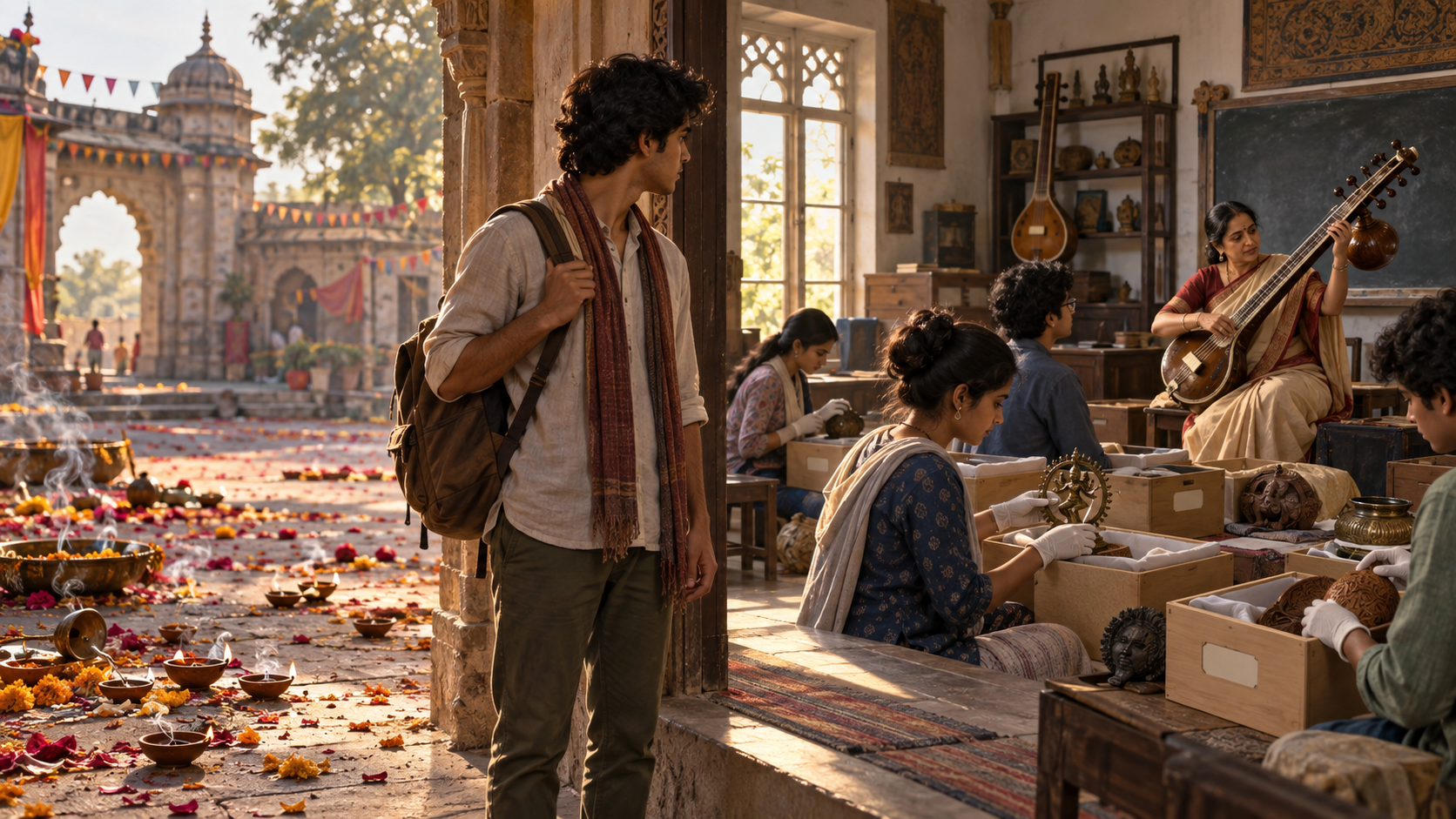
A culture doesn’t survive simply because people praise it. It survives when someone can learn its language, understand its symbols, practise its disciplines, care for its sacred places, and teach the next person accurately.
It helps to separate four kinds of work that are often bundled together under the word preservation:
- Recording: conserving manuscripts, memories, vocabulary, music, art, ritual instructions, and local histories before they disappear.
- Teaching: giving learners reliable explanations, competent teachers, usable materials, and a path from introductory knowledge to deeper study.
- Practising: keeping festivals, worship, pilgrimage, family customs, ethical disciplines, crafts, and community institutions alive rather than treating them as museum objects.
- Protecting: responding to distortion, neglect, desecration, or institutional pressure through truthful, proportionate, and lawful action.
Advocacy usually works at the fourth layer. That layer can be necessary, but it cannot replace the other three. A public campaign may draw attention to a problem; only sustained transmission ensures that people still understand the tradition after public attention has moved elsewhere.
Use a simple test whenever you see a preservation claim: what will a person be able to know, practise, maintain, or teach because this work occurred? If there is no concrete answer, you may be looking at awareness-building rather than preservation. Awareness can have value, but it should be named honestly.
How to read Hindu Janajagruti Samiti’s role
Hindu Janajagruti Samiti is described as playing an important role in preserving and protecting Bharatiya culture. Because that characterization appears on the Samiti’s own website, it should begin your inquiry rather than end it. Neither reflexive approval nor reflexive dismissal gives you a reliable picture of cultural work.
Instead, examine an initiative at three distances.
Read the public message closely
Identify the exact cultural concern being raised. Is it a threatened practice, an inaccurate representation, a dispute involving a temple, a loss of knowledge, or a broader political grievance? These problems require different remedies. A vague appeal to culture can conceal that difference.
Look for precise terms, traceable evidence, and a clear distinction between established fact and interpretation. If a message criticises a book, film, institutional decision, or public statement, locate the complete material being criticised. A cropped image or isolated sentence rarely gives you enough context to lend your name to a campaign.
Inspect the activity nearest to you
Ask the organiser what the activity is designed to change. A lecture, petition, class, publication, legal representation, temple-focused initiative, and public demonstration are not interchangeable. Each should have an outcome appropriate to its method.
You should be able to learn who is responsible, who is meant to benefit, what participants will actually do, and what standards govern their conduct. If those answers remain unclear, pause before committing your identity or resources.
Look at what remains afterwards
Durable cultural work leaves something usable: informed learners, teaching material, an ongoing practice, a better-maintained institution, a documented record, a resolved grievance, or a community capable of continuing the work. Public attention is an instrument, not the inheritance itself.
This standard is demanding, but it is not hostile. It is viveka applied to public life. An organisation asking Hindus to act for Dharma should be able to show how a proposed action serves Dharma in practice.
Use a five-part test before you support an initiative

The following test works whether you are evaluating a Samiti initiative, a temple committee, a heritage trust, or a local cultural association.
- Name the object of preservation. Replace a broad phrase such as protect our culture with the precise practice, text, language, site, institution, artwork, memory, or right at issue. If nobody can name the object, nobody can demonstrate that it was preserved.
- Trace the factual claim. Find the original notice, full recording, primary text, official decision, or other relevant record where one is available. Separate what happened from what an organiser believes it means. Do not amplify a serious allegation merely because it confirms your existing concern.
- Match the remedy to the problem. Loss of knowledge calls for teaching and documentation. Misrepresentation may call for correction and public explanation. Institutional neglect may require representation, administration, or lawful advocacy. Anger is not a method, and the loudest available method is not always the right one.
- Examine the means as well as the aim. Truthfulness, restraint, lawful conduct, and respect for human dignity are not optional decorations on Dharmic work. Avoid initiatives that depend on harassment, collective blame, fabricated evidence, or the exposure of private information.
- Ask how continuity will be created. Look for teachers, learners, records, follow-up activities, responsible custodians, or an institution that can carry the result forward. A preservation effort is stronger when its benefits do not depend permanently on the original burst of attention.
The value of this test is practical. It prevents you from having to choose between indifference and unquestioning loyalty. You can support sound work, request clarification when the case is incomplete, and decline participation when the methods contradict the purpose.
Protect civilisational unity without erasing differences

Bharatiya culture is civilisationally connected but internally diverse. Hindu traditions contain numerous sampradayas, philosophical positions, regional customs, languages, and forms of worship. Buddhism, Jainism, and Sikhism developed within the wider Bharatiya setting while retaining their own scriptures, institutions, doctrines, and identities.
Preservation becomes less trustworthy when this complexity is flattened into convenient slogans. Shared civilisational ground does not require you to pretend that every tradition teaches the same doctrine or follows the same practice. Unity built on accuracy is more durable than unity built on erasure.
When you evaluate cultural material, ask:
- Does it identify the particular tradition, lineage, locality, language, or historical setting involved?
- Does it distinguish a regional custom from a rule supposedly followed across Bharat?
- Does it separate a primary text from later commentary or a modern political interpretation?
- Are Sanskrit and vernacular terms explained in context rather than converted into catchy but misleading English equivalents?
- Can practitioners recognise their own tradition in the description, including meaningful internal differences?
These questions are especially important when cultural advocacy enters social media. Short formats reward certainty and compression, while authentic traditions often require context. If a message has simplified a subject beyond recognition, do not repeat it unchanged. Find a fuller explanation or limit your claim to what you can verify.
Turn concern into disciplined participation
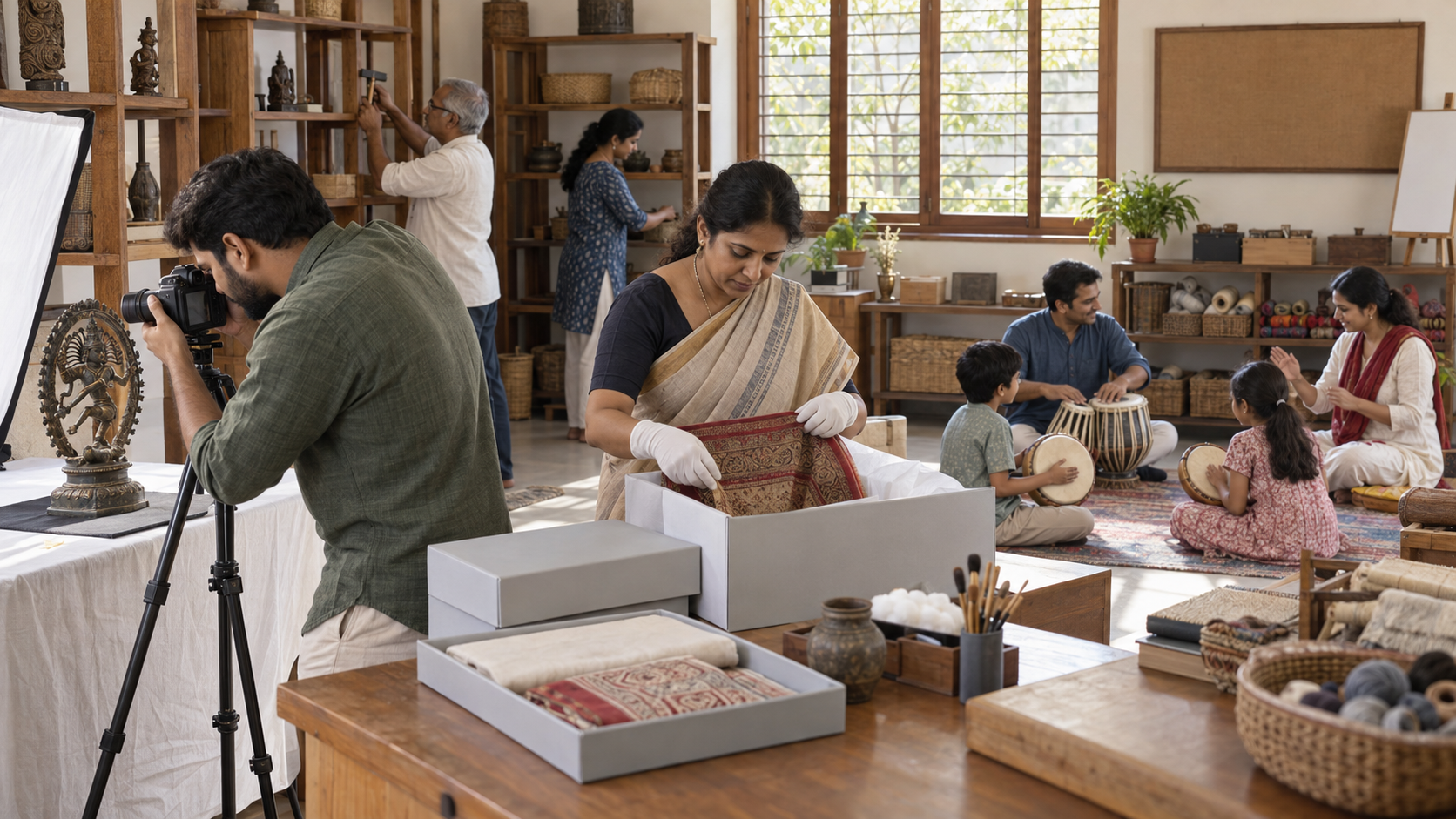
If you decide to engage with Hindu Janajagruti Samiti or another cultural organisation, define your contribution around a concrete result. This makes your support more useful and protects you from being carried by the emotional pace of each new controversy.
Before sharing a campaign
- Open the underlying evidence rather than relying on a caption or forwarded summary.
- Check the date, location, responsible institution, and current status of the matter.
- Distinguish an exact statement from an inference about motive.
- Remove claims you cannot substantiate, even when you agree with the campaign’s general aim.
- Share the requested action clearly so readers know whether they are being asked to learn, attend, write, donate, petition, or volunteer.
Before donating
Ask which project will receive the money, which legal entity is collecting it, what documentation will be provided, and how unused funds will be handled. If the appeal cannot answer basic questions about custody and purpose, use a traceable alternative or withhold payment. Supporting Dharma does not require abandoning financial care.
Before volunteering
Clarify your role, the person responsible for decisions, the expected conduct, and the treatment of personal information. Do not publish names, photographs, addresses, or private correspondence without clear permission. A cultural cause does not cancel another person’s privacy or safety.
Add a work of transmission
Pair reactive advocacy with something constructive. You might help a competent teacher run a language or scripture class, catalogue material for a community institution, record an elder’s memories with consent, prepare accurate explanatory material, support a traditional practitioner, or help younger family members learn the meaning of a ritual they already observe.
The scale can be modest. What matters is that knowledge moves from a vulnerable state into capable hands. A tradition becomes harder to misrepresent when its own people understand it well enough to explain and practise it.
Key takeaways
- Cultural preservation should make an inheritance easier to learn, practise, maintain, and transmit.
- Public advocacy can protect culture, but it does not replace teaching, documentation, practice, or institution-building.
- Evaluate each Hindu Janajagruti Samiti initiative through its evidence, method, responsibility, and durable result.
- Do not defend Dharma with claims or conduct that abandon truthfulness, restraint, legality, or human dignity.
- Respect the shared Bharatiya setting while representing Hindu, Buddhist, Jain, Sikh, regional, and sectarian distinctions accurately.
- Before contributing publicity, labour, or money, define the exact cultural outcome you intend to support.
Begin with a specific Samiti initiative relevant to your community. Write down the cultural object at stake, the evidence, the proposed remedy, and the result that should remain. If those elements are clear and the means are consistent with Dharma, support it with a defined contribution. If they are not, ask for clarity before lending your name or resources. Bharatiya culture is preserved when reverence becomes disciplined transmission.
References

Leave a Reply
You must be logged in to post a comment.