
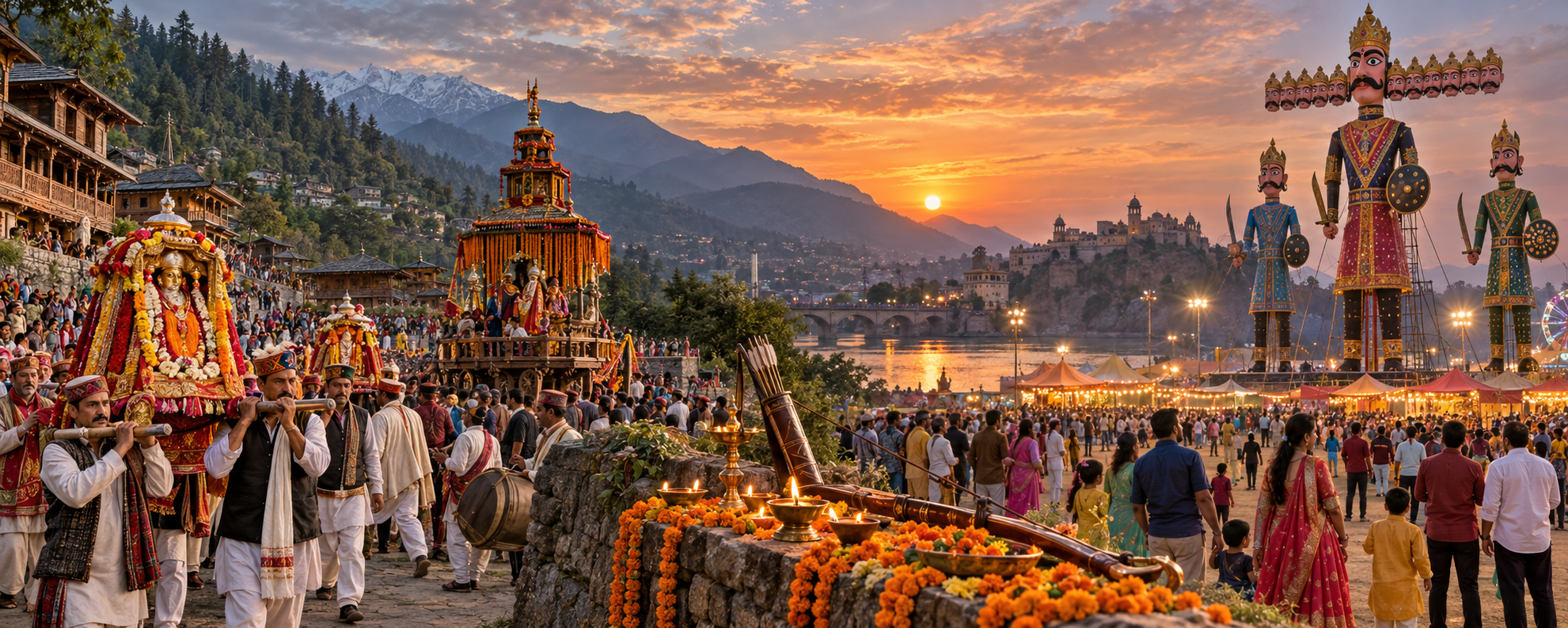
You may have found 20 October beside a Kullu calendar beginning on 21 October and a Kota calendar continuing into November. These dates answer different questions. For India, the main Dasara or Dussehra date in 2026 is 20 October. The longer ranges belong to regional celebrations, not competing versions of Vijayadashami.
If you are arranging worship, begin with the sacred observance date. If you are arranging travel, add the host city’s complete festival window and confirm its daily programme before making non-refundable bookings. Keeping those two calendars separate resolves most of the apparent confusion.
The exact 2026 dates to put on your calendar
Dasara is observed on the tenth day of Shukla Paksha in the lunar month called Ashwin or Ashwayuja. It is also the tenth and concluding day of Durga Navratri. That tithi establishes the religious observance; a public celebration or mela can occupy a different span of civil dates.
| Calendar entry | 2026 date or range | How to use it |
|---|---|---|
| Dussehra, Dasara or Vijaya Dashami in India | 20 October | Use this as the principal date for your family, temple or community observance in India. |
| Kullu Dussehra, Himachal Pradesh | 21 to 27 October | Use the complete range when planning a visit to the Kullu celebration. |
| Kota Dussehra Mela, Rajasthan | 20 October to 6 November | Treat 20 October as the opening date and the later dates as the extended mela period. |
The practical rule is simple: write 20 October in your dharmic calendar, then add Kullu or Kota as a separate travel calendar if you intend to attend a regional celebration.
Why a sacred day and a festival window can differ
A tithi and a festival itinerary do different work. The tithi identifies when the religious occasion falls. A regional itinerary tells you how long a community’s public celebration runs. Expecting both to produce the same dates is like expecting a temple observance and a city mela to have identical opening hours.
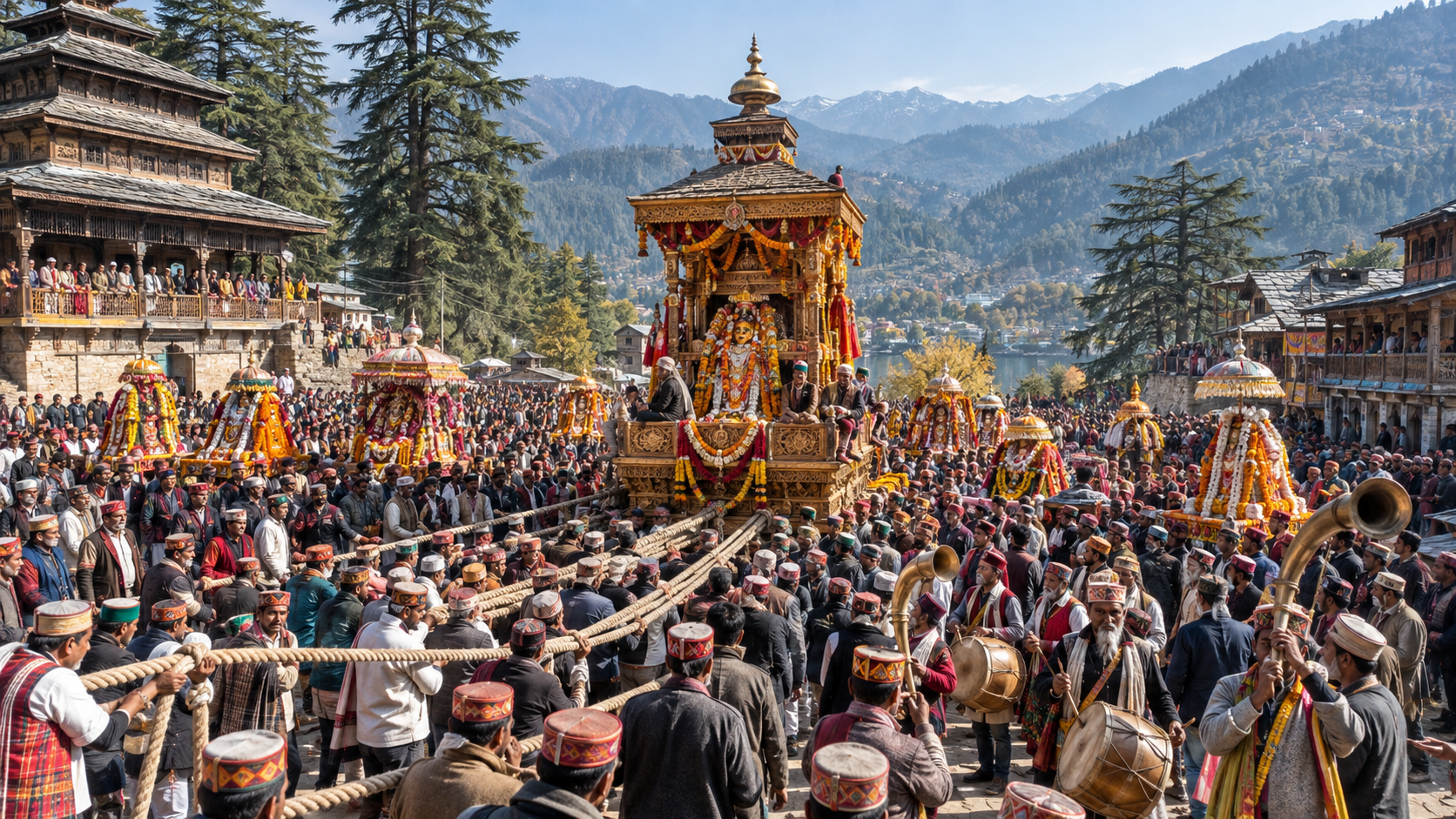
Kullu makes the distinction especially clear. India’s principal Dussehra date is 20 October, while the Kullu celebration begins on 21 October and concludes on 27 October. You do not need to choose which date is correct. One marks Vijayadashami; the other defines Kullu’s regional festival schedule.
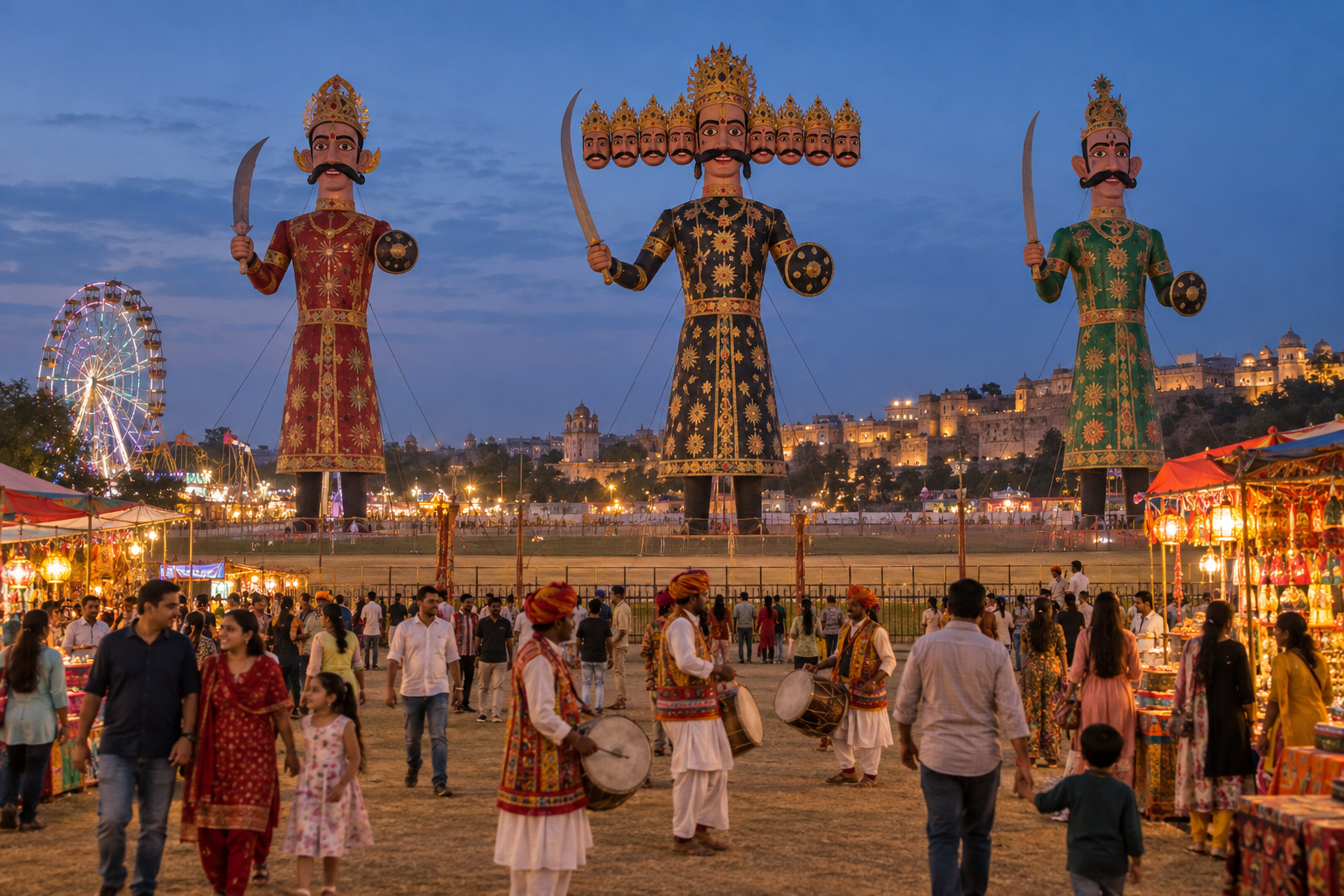
Kota demonstrates a different relationship. Its mela opens on Dussehra itself and continues through 6 November. The later endpoint does not create a second Vijayadashami. It tells you that Kota’s communal festivities extend beyond the sacred date.
This distinction matters culturally as well as practically. A common tithi can hold together many regional expressions without requiring every city to follow one public programme. The unity lies in the observance; the variety lies in how communities embody it.
Choose the celebration that matches your purpose
If your main concern is puja, a family observance or the culmination of Navratri, keep 20 October free. Do not replace that date with the final day of a mela merely because the public festival continues longer.
If Kullu is your destination, plan around 21 to 27 October. Arriving only for 20 October may satisfy a general Dussehra itinerary elsewhere, but it places you before Kullu’s stated celebration window. Decide whether you want the beginning, the conclusion or several days of the regional festival before selecting your stay.
If Kota is your destination, you have a broader window from 20 October to 6 November. That flexibility should not be mistaken for a promise that every attraction, ritual or gathering occurs every day. A date range establishes the mela’s span, not its day-by-day programme. Identify the particular experience you want, then verify its date locally before booking around it.
The names you use when searching also matter. Look for “Kullu Dussehra” when planning Himachal Pradesh and “Kota Dussehra Mela” when planning Rajasthan. A generic search for “Dussehra date” is more likely to return the central observance date than the detailed regional timetable you need.
A planning checklist for worship and travel

- Decide which question you are answering. Choose among the religious date, a temple programme, a family gathering or travel to a regional festival. These can require different calendar entries.
- Anchor the plan to 20 October. That is the 2026 Dussehra date in India and the starting point for understanding the other schedules.
- Add the regional range separately. Enter 21 to 27 October for Kullu or 20 October to 6 November for Kota. Do not overwrite the main observance date with the endpoint of a regional celebration.
- Verify the event you actually want to attend. A festival range cannot tell you the hour or day of a particular ritual, procession, cultural programme or gathering. Check the current local programme before paying for non-refundable transport or accommodation; otherwise, you could arrive within the overall window but miss the event that motivated the journey.
- Keep puja timing and tourism timing in separate notes. Your religious calendar should record the observance. Your itinerary should record arrival, departure and any locally confirmed programme. This prevents a travel schedule from quietly becoming your authority for ritual timing.
- Use a local panchanga outside India. The 20 October date stated here is specifically for India. If you live in another country, confirm the applicable date and timing with a reliable panchanga or your local temple rather than transferring an Indian civil date across time zones without checking.
Quick answers to common date questions
Is Dussehra on 20 or 21 October in 2026?
In India, Dussehra is on 20 October 2026. The 21 October date is the beginning of Kullu Dussehra’s regional celebration, which runs through 27 October. They are related calendar entries, not rival dates for the same purpose.
Can the Kota mela dates be used as puja dates?
No. Kota’s 20 October to 6 November range describes the mela. Use 20 October as the principal Dussehra date in India, and obtain any precise puja timing from the panchanga or temple you follow.
Does a longer regional festival make one place more authentic?
No. Duration tells you how a community organises its celebration, not whether its devotion is more valid. Kullu’s week and Kota’s extended mela are distinct local expressions within the wider observance of Vijayadashami.
Put 20 October in your 2026 observance calendar now. If Kullu or Kota is part of your plan, add its regional window on a second line and wait for a confirmed daily programme before locking in travel. That small separation lets you honour both the sacred tithi and the living local tradition.
References
- Hindu Pad — Kullu Dussehra 2026 | Dussehra celebrations in Kullu Valley of Himachal Pradesh
- Hindu Pad — Dasara 2026 | Dussehra 2026 date
- Hindu Pad — Kota Dussehra Mela 2026 | Dussehra Mela at Kota in Rajasthan

Leave a Reply
You must be logged in to post a comment.