-
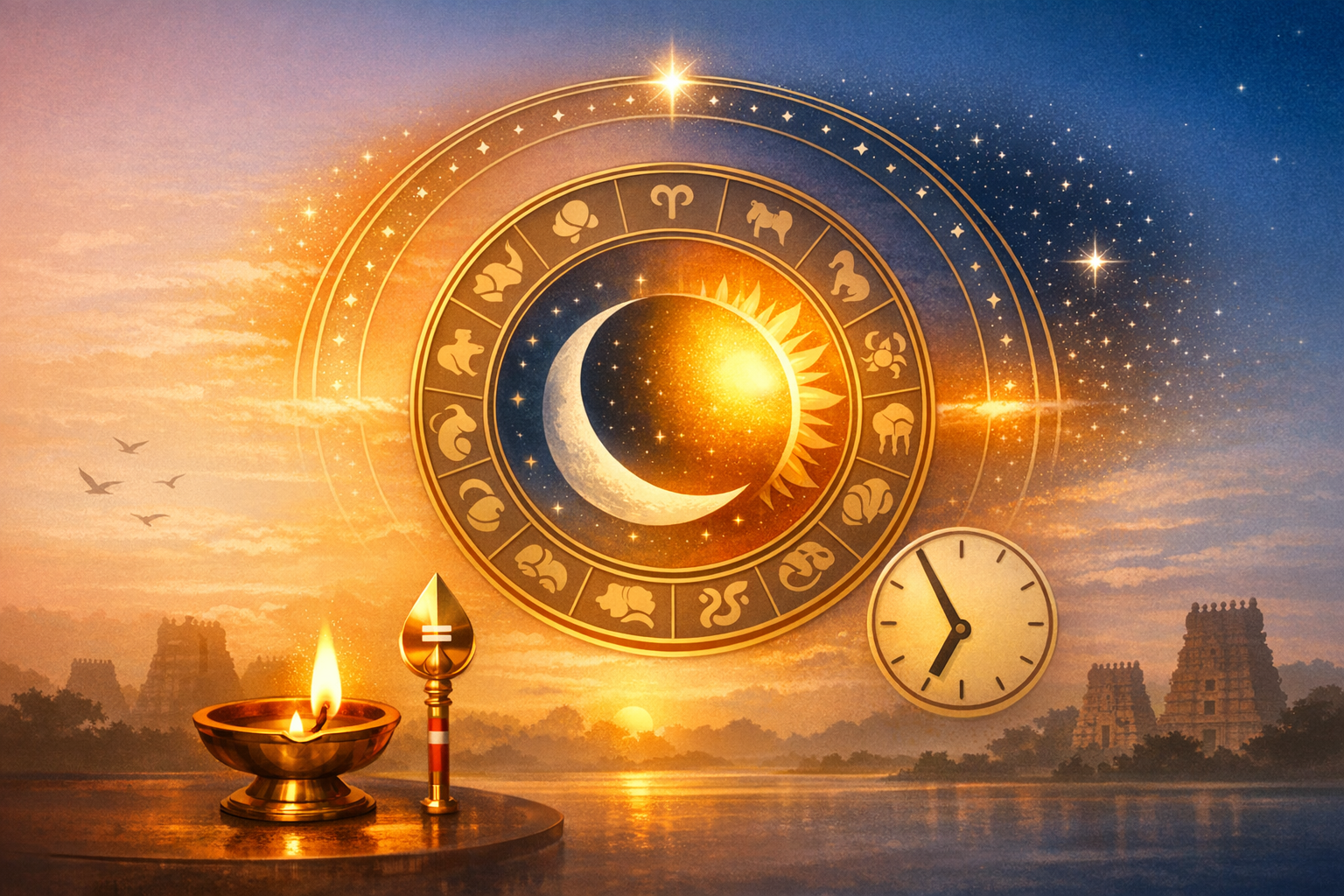
November 28, 2025 Tithi: Ashtami to Navami—Essential Panchang Insights to Plan Rituals

Friday, November 28, 2025 features Shukla Paksha Ashtami until 6:45 PM, transitioning to Shukla Paksha Navami thereafter, as per the Hindu calendar in most regions. These tithis support disciplined practice and renewed momentum, helping households plan puja, vrat, study, and seva with clarity. Because muhurat, Nakshatra, and Rashi depend on location and calendar tradition, consulting…
-
Exhausted by Self-Improvement? Shift from Fixing to Living with Compassionate Growth

Many people turn self-improvement into an exhausting full-time job, mistaking relentless effort for self-love. This piece reframes healing as compassionate presence rather than constant fixing, reducing self-criticism and self-growth burnout. It offers four practical shifts—checking the weight of practices, embracing real rest, ignoring non-resonant “shoulds,” and choosing good enough—to make mindfulness and self-care sustainable. The…
-
White Lotus in Hindu Iconography: Divine Thrones, Pure Radiance, and Spiritual Awakening

The white lotus in Hindu iconography signifies purity, sattva, and spiritual awakening, offering a visual guide to living unstained by the world. Depictions of Saraswati, Lakshmi, Vishnu, and Brahma with a white lotus highlight ethical clarity, wisdom, and compassionate abundance. This symbolism resonates across Hinduism, Buddhism, Jainism, and Sikhism, affirming unity in diversity through a…
-
Hamsa Ksheera Nyaya Explained: Cultivating Wise Discernment Across Dharmic Traditions

Hamsa Ksheera Nyaya—the swan’s ability to separate milk from water—offers a powerful model of discernment in Hindu philosophy and allied Dharmic traditions. It refines judgment (viveka), aligning truth-seeking with ethical clarity and practical wisdom. Drawing on the Upanishads, Vedanta, and Nyaya, this maxim translates into daily skills for navigating information overload, relationships, and moral complexity.…
-
Soham Hamsah Explained: The Transformative Mantra of Oneness, Breath, and Inner Peace

“Soham Hamsah” embodies an Advaita Vedanta insight: the unity of jivatma and paramatma realized through breath-aware mantra meditation. By aligning the natural rhythm of inhalation and exhalation with an inner mantra, practitioners cultivate calm, clarity, and discernment. The practice remains gentle and accessible while deepening mindfulness and ethical responsiveness. Cross-dharmic resonances—with Buddhist ānāpānasati, Jain samayik,…
-
SB 10.86.31—Bahulāśva’s Praise of Kṛṣṇa: Witness of All Actions, Awakener of Bhakti

SB 10.86.31, as illumined by Śrīla Viśvanātha Cakravartī, presents Bahulāśva honoring Kṛṣṇa as both the inspirer of consciousness and the witness of all actions. This dual insight nurtures humility—trust in grace to awaken devotion—and accountability—awareness that conduct is always seen by the divine. The teaching naturally translates into practice through svādhyāya, mindful japa, and seva.…
-
Anuttama Dasa’s 2025 Sunday Feast Lecture: Inspiring Bhakti, Unity, and Practice in ISKCON Alachua

On November 16, 2025, Anuttama dasa delivered a Sunday Feast Lecture at ISKCON’s Hare Krishna Temple in Alachua, Florida. The lecture offers a clear, accessible entry point into the bhakti tradition while inviting deeper study for experienced practitioners. Listeners can expect practical takeaways on devotion, service, and community fellowship. The session resonates with shared dharmic…
-
Silent Victory: Redefining Success Through Dharma, Inner Peace, and Pluralistic Unity

This reflection redefines victory beyond visibility and dominance, grounding it in Dharma, inner peace, and responsible action. It emphasizes context-sensitive discernment, resonant with Srila Prabhupada’s guidance and shared across dharmic traditions. Readers discover how equanimity, compassion, and ethical conduct constitute a lasting success that does not polarize. The discussion connects teachings from the Bhagavad Gita…
-
Yoga and Inner Peace: How Breath, Mindfulness, and Movement Dissolve Daily Stress

Yoga unites body, mind, and inner awareness to reduce stress and nurture peace. Through breath awareness (pranayama), mindful movement (asana), and meditation, practitioners experience fewer reactive emotions and greater clarity. Ethical principles such as ahimsa, truthfulness, and contentment stabilize relationships and reinforce lasting harmony. These foundations resonate across Hinduism, Buddhism, Jainism, and Sikhism, where mindfulness,…
-
Nurturing Children’s Spiritual Growth with Play, Respect, and Joy: A Dharmic Approach

Spiritual growth in childhood flourishes through play, respect, and lightness rather than constant instruction. This Dharmic approach, aligned with Hindu spirituality and shared across Buddhism, Jainism, and Sikhism, weaves mindfulness and compassion into daily family life. Play becomes a gentle form of sadhana, and reciprocal learning reflects the spirit of the Guru-Shishya Relationship. Practical ideas—laughter-filled…
-
Is Consciousness Within? Sri Sri Ravishankar’s Transformative Insight for Daily Awareness

A disciple once asked Sri Sri Ravishankar, “Is there consciousness within me?” The reply pointed to immediate experience: awareness is what allows one to ask, hear, and see. This simple recognition invites a rigorous, experiential understanding central to Hindu philosophy and in harmony with Buddhism, Jainism, and Sikhism. The insight is practical: by noticing breath…
-
Let Curiosity Guide the Heart: Timeless Hindu Wisdom for a Unified Dharmic Journey

Curiosity in ancient Hindu wisdom is not idle questioning but sacred inquiry that guides ethical living and Self-Realization. Across the dharmic traditions of Hinduism, Buddhism, Jainism, and Sikhism, disciplined curiosity unites intellectual rigor with compassion. Drawing on the Upanishads, the Bhagavad Gita, Yoga, anekantavada, and reflective practices, this piece shows how curiosity can deepen devotion,…
-
Why Goddess Durga Is Called Mundeshwari: Sacred Etymology, Fearless Legends, and Bihar’s Living Temple

Mundeshwari honors Goddess Durga as the sovereign Shakti who dispels darkness and safeguards dharma. The name’s widely accepted etymology links “Munda” with “Ishwari,” echoing the Devi Mahatmya, where the Goddess vanquishes the asura Munda. Its living resonance endures at the Mundeshwari Devi Temple in Kaimur, Bihar—renowned for continuous worship since early centuries CE and its…
-
Unveiling the Unmanifest (Avyakta): A Clear Guide to the Eternal Self in Hindu Thought

This article clarifies the Hindu concept of the unmanifest—”avyakta”—as reality beyond sensory perception and change. It explains how classical sources like the Upanishads and the Bhagavad Gita describe a timeless ground of being that illumines experience without becoming an object of experience. Readers learn how practices such as pratyahara and meditation reveal a lucid, steady…
-
November 27, 2025 Panchang: Shukla Saptami to Ashtami—Timings, Meaning, Reflection

On Thursday, November 27, 2025, Shukla Paksha Saptami continues until 7:24 PM, after which the day transitions to Shukla Paksha Ashtami. This timing helps practitioners schedule puja, japa, and meditation in harmony with the Panchang. The pairing of Saptami and Ashtami within one civil day supports continuity—intentions set earlier can be refined in the evening.…
-
Echoes of Devotion: Hazoori Ragi Sarabjeet Singh ‘Laad on Shabad Kirtan, Seva, and Unity

This interview with Hazoori Ragi Bhai Sahib Sarabjeet Singh ‘Laad, conducted by Bhupinder (Bo) Singh, explores the discipline and devotion at the heart of shabad kirtan. The discussion highlights how Gurmat Sangeet unites musical rigor with scriptural fidelity to guide the sangat toward contemplation. It emphasizes seva as a lived ethic that strengthens Sikh community…
-
Six Profound Transformations of Life: A Dharmic Guide to the Eternal Self Beyond Change

Hindu scriptures teach that embodied life unfolds through six universal transformations—existence, birth, growth, decay, disease, and death—while pointing to the atman beyond change. Seeing these phases clearly reduces fear, strengthens resilience, and fosters compassionate conduct guided by dharma. Parallel insights in Buddhism, Jainism, and Sikhism reinforce impermanence, many-sided truth, and alignment with divine order, cultivating…
-
Thousand Hands of Kartaviryarjuna: A Powerful Symbol of Ambition, Dharma, and Restraint

Kartaviryarjuna (Sahasrabahu Arjuna) embodies a profound Hindu symbol: the “thousand hands” as a metaphor for vast capability, desire, and duty. The Puranic narrative—his rise under Dattatreya’s grace, his famed prowess, and the ethical turning point culminating in Parashurama’s retribution—illustrates the line between dharma and adharma. Interpreted across dharmic traditions, the motif aligns with Buddhist compassion…
-
Vīra Swarga Explained: The Uplifting Hindu Ideal of Dharma, Courage, and Sacred Sacrifice

Vīra Swarga, the “Heaven of Heroes,” illuminates a central Hindu philosophical ideal: selfless courage in service of dharma. It affirms valor only within strict ethical bounds—protection of innocents, restraint, and last resort—echoing the Bhagavad Gita and Kshatra Dharma. Distinguished from moksha, it represents a meritorious heavenly state that honors noble sacrifice while encouraging continued spiritual…