
-
Belagavi Hidden-Camera Blackmail Exposed: Safeguarding Privacy, Rule of Law, and Community Trust

A reported hidden-camera blackmail case in Belagavi, Karnataka, has intensified public concern about domestic privacy and women’s safety. Authorities have arrested individuals alleged to have posed as journalists, prompting calls for due process and robust investigative standards. The incident highlights the broader risks of covert surveillance, the need for digital literacy, and practical steps households…
-
Bilva Patra, Rudraksha, and Vibhuti: Timeless Shaiva Symbols that Heal, Protect, and Inspire

Lord Shiva’s living tradition honors three sacred emblemsBilva Patra, Rudraksha, and Vibhutithat guide daily devotion and contemplative practice. Bilva Patra symbolizes purity and ecological reverence, encouraging mindful offerings and sustainable gathering. Rudraksha beads support concentration in japa and meditation, linking ethical steadiness with authentic sourcing and care. Vibhuti’s tripundra reminds practitioners of impermanence and inner…
-
February 12, 2026 Panchang: Dashami to Ekadashi (11:32 AM), Timings, Significance, and Harmony

On Thursday, February 12, 2026, the Panchang notes Krishna Paksha Dashami until 11:32 AM, after which Krishna Paksha Ekadashi begins in most regions. This transition encourages a mindful shift from preparation to practice through fasting (as appropriate), prayer, and study. Readers are advised to consult local Panchang data for Nakshatra, Rashi, and precise Shubh Muhurat.…
-
Disarming Faultfinding with Humility: A Dharmic Guide to Self-Awareness and Growth

Humility counteracts the tendency to fixate on others’ faults by redirecting attention to honest self-examination. Drawing on psychology’s projection insight“if you spot it, you got it”this piece reframes irritation as a prompt for introspection rather than judgment. It integrates practices from Hinduism, Buddhism, Jainism, and Sikhismsuch as mindfulness, pratikraman, and speech ethicsto build a unified…
-
Phalgun Month 2026 Dates (Falgun Maas): Plan Sacred Observances with Regional Calendar Insights

Phalgun Month 2026 (Falgun maas or Phalguna masam) runs from February 2 to March 3 in the North Indian purnimanta calendar. Regional variationsespecially in Telugu and Marathi amanta systemsmean local panchangs are essential for exact tithis and festival timings. The month’s devotional focus includes Holi on Phalguna Purnima and Maha Shivaratri generally on Krishna Paksha…
-
Choice, Control, and the Senses: An Eye-Opening Guide to Real Freedom in Daily Life

Freedom in daily life is shaped by many inner voicessenses, mind, intelligence, ego, and habitworking at once. Drawing on the Bhagavad-gita and allied dharmic traditions, this piece explains how recognizing these layers clarifies real agency. A simple pause, mindful breathing, and recalling dharma-centered priorities can turn impulse into intention. Rather than self-blame, compassionate self-knowledge builds…
-
Sant Maskeen Ji: From Partition Survivor to Panth Rattan, a Beacon of Sikh Wisdom and Unity

This profile traces Sant Maskeen Ji’s journey from Partition-era displacement to recognition as Panth Rattan, highlighting how Gurbani-centered practice nurtures resilience, ethical clarity, and community cohesion. Readers will gain a concise understanding of his teaching methodrooted in Naam Simran, humility, and sevaand how it translates into practical guidance for daily life. The narrative emphasizes religious…
-
Medaram Jatara 2026 Day 2: Awe-Inspiring Arrival of Sammakka and Sacred Tribal Rituals

The 2nd day of Medaram Jatara, observed on 29 January 2026, commemorates the sacred arrival of Sammakka onto the Medaram Gaddhe with official honors and deep communal reverence. This day highlights the placement of bamboo-stick insignia by pujaris, symbolizing the deity’s presence, alongside customary offerings and devotional rites. The festival’s inclusive ethos aligns with dharmic…
-
Akali, the Timeless Kali: Exploring Nine Manifestations in the Tantra Purana and Mahakala Samhita

This article surveys nine manifestations of Goddess Kali drawn from the Tantra Purana, Toral Tantra, and the Mahakala Samhita (Anusmriti Prakarana), with special attention to Akali. Akali is explained as “beyond time,” highlighting a core Shakta insight into the timeless ground of reality. The discussion connects theological meaning with lived experience, showing how these forms…
-
Shiv-era Self-Defence Camp Unites Chhatrapati Sambhajinagar, Honouring Jijamata & Vivekananda

An eight-day ‘Shiv-era Self-Defence Training Camp’ concluded in Chhatrapati Sambhajinagar, jointly organised by Hindu Janajagruti Samiti (HJS), Rashtriya Dharma Raksha Gurukul, and Dharmayoddha Sangh. Timed with the birth anniversaries of Veermata Jijamata and Swami Vivekananda, the camp emphasized disciplined training, ethical responsibility, and community service. Participants reported improved confidence, situational awareness, and teamwork. The program…
-
Micro-Moments of Joy: Science-Backed Practices to Sustain Hope Through Chronic Pain

This article introduces the concept of joy deficiencythe scarcity of small, replenishing experiences amid chronic illness and mental health strugglesand explains why micro-moments of joy matter. It outlines how brief, positive experiences can help regulate the parasympathetic nervous system, support vagal tone, and reduce stress reactivity. Readers learn five practical, accessible steps for cultivating micro-moments…
-
Advaita Acarya’s Sacred Role: Mapping Sri Caitanya’s Tree and Dharmic Unity in Bhakti

Caitanya-caritamrta introduces Advaita Acarya through two foundational verses that illuminate the structure of the Bhakti Tradition. The text’s spiritual treeSri Caitanya Mahaprabhu as trunk, Lord Nityananda as first branch, and Advaita Acarya as secondclarifies how guidance and grace flow through lineage. This metaphor resonates with lived practice, where mentors and communities sustain discipline and insight.…
-
Ratha Saptami’s Seven Erukkai Leaves: Ritual Symbolism, Inner Purification, Surya’s Grace
Ratha Saptami honors Surya’s northward journey in Magha with a unique sunrise bath using seven erukkai (arka) leaves. Each placementhead, shoulders, chest, back, and kneesmaps to clarity, duty, devotion, release, and humility, turning a simple act into contemplative purification. The number seven echoes sapta rishi, sapta dhatu, and sapta lokas, adding depth to the ritual’s…
-
Decoding Lakshmi’s Sacred Iconography: Why the Owl Vanishes in South Indian Temples
Goddess Lakshmi’s iconography differs across regions, and South Indian temples rarely depict an owl as her vahana because Agamic traditions prioritize lotus and elephant symbolism. Drawing on the Pancharatra and Vaikhanasa frameworks, South Indian sanctums present Lakshmi as Shri on the lotus or as Gaja Lakshmi, emphasizing auspiciousness, rainfall, fertility, and ethical prosperity. In contrast,…
-
George Harrison’s ‘My Sweet Lord’: Vaishnava Bhakti, Soulful Longing, and a Bridge to Dharma

This essay examines how George Harrison’s “My Sweet Lord” and related songs convey core themes of Vaishnava bhakti, especially love in separation (vipralambha-bhāva), without claiming spiritual attainment. It shows how mantra, melody, and meaning make Krishna-centered devotion intelligible to global audiences. Readers gain a concise framework for recognizing stages of love in the Bhakti Tradition…
-
Severed Head of Daksha: Powerful Symbolism of Ego, Humility, and Sacred Reconciliation

This analysis examines the Daksha Yajna narrative to explain why the severed head of Daksha endures as a powerful Hindu symbol of ego-transformation and humility. It clarifies how the head signifies pride cut away and how the goat’s head marks renewed, service-oriented understanding. The discussion connects ritual and devotion, showing that intention and reverence outweigh…
-
Living Dharma in Daily Life: Srimad Bhagavatam 10.90.28 on Grihastha Duty, Prosperity, and Balance
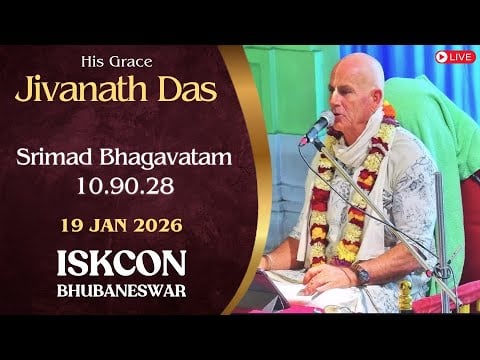
This reflection on Srimad Bhagavatam 10.90.28, presented by HG Jivanath Das at ISKCON Bbsr, explains how Krishna exemplifies a balanced householder life that unites dharma, artha, and regulated kama. It offers practical stepssteady sadhana, ethical earning, and compassionate family stewardshipthat transform daily routines into lived devotion. The piece highlights how measurable self-audits and periodic tapas…
-
Pushya (Poosam/Pooyam) Nakshatra 2026: Most Auspicious Days and Practical Muhurat Guide

This 2026 guide explains how to identify and use auspicious Pushya (Poosam/Pooyam/Pushyami) Nakshatra windows with clarity and confidence. It shows how Pushya, the eighth Nakshatra, supports starting new ventures, client meetings, and educational beginnings when aligned with supportive Panchang factors. Readers learn to track the Moon’s transit through Pushya and refine choices with Tithi, Vara,…
-
Unveiling Yogini Tantra: Why Kali Stands on Shivaand the Sacred Union It Reveals

The image of Goddess Kali standing on Lord Shiva is often misunderstood as mere fury subdued. Read through the Yogini Tantra and related Tantric traditions, it teaches the sacred union of Shakti and Shivadynamic energy resting on pure consciousness. This interpretation reframes the posture as reciprocity, not hierarchy, and as transformation, not violence. The symbolism…
-
When Joy Meets Grief Abroad: A Compassionate Guide to Navigating Sadness on Vacation

Travel sometimes magnifies emotions rather than erasing them. This narrative illustrates how C-PTSD triggers, jet lag, and unmet expectations can follow travelersand how mindful, compassionate practices can help. Readers gain ten evidence-informed strategies to regulate the nervous system, practice radical acceptance, and build emotional resilience while away from home. Sensory grounding, present-moment awareness, somatic release,…