
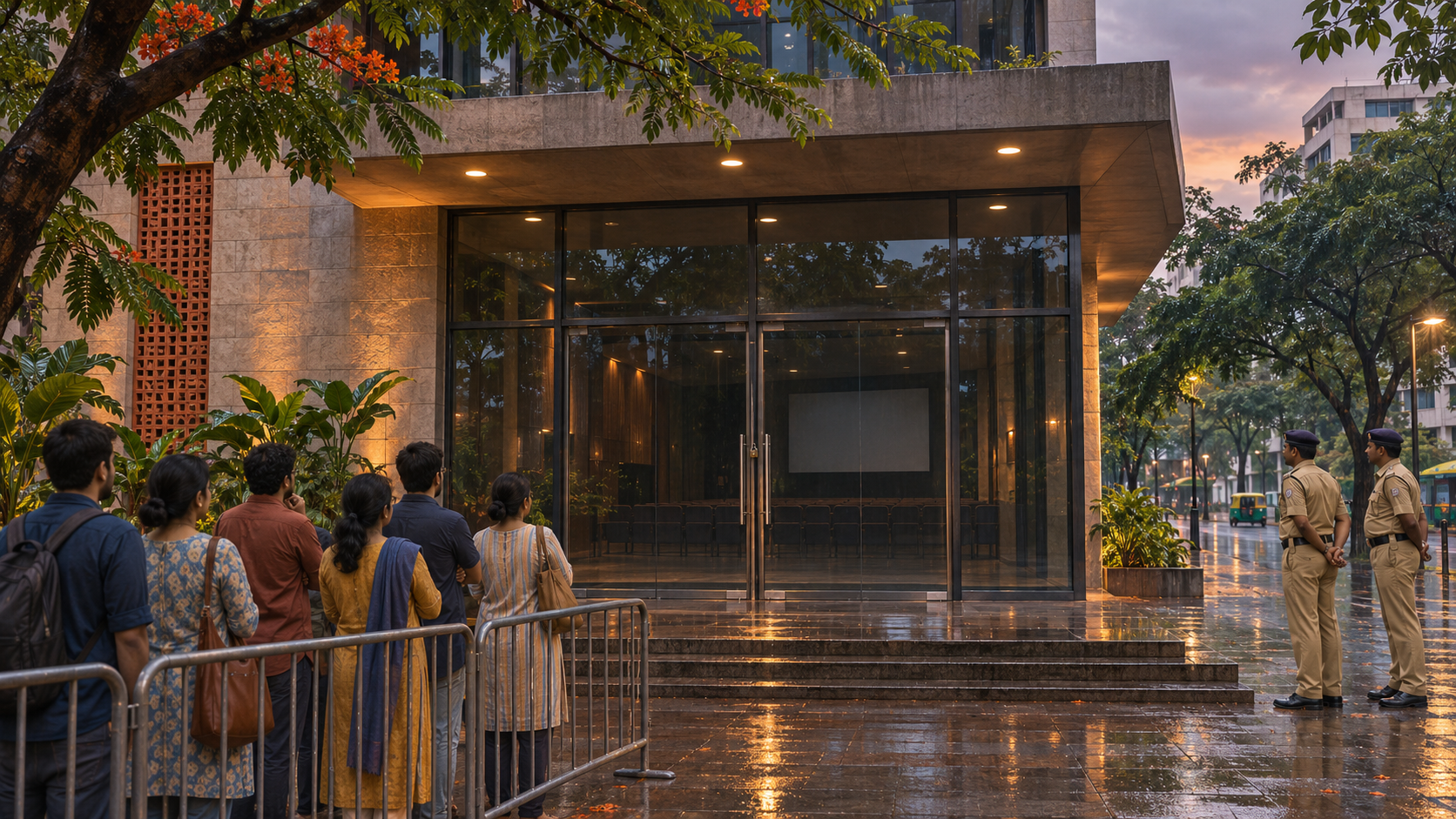
If you saw that two Pakistani drama screenings in Bengaluru were cancelled, you may be asking a sharper question than the headlines answer: was this a legitimate cultural boycott, an act of censorship, or a police ban?
The distinction matters. You can oppose the promotion of Pakistani entertainment in Bharat without exaggerating what happened, accusing ordinary attendees of crimes, or treating public anger as a substitute for evidence. In this case, organised civic pressure achieved its immediate objective. The durable lesson is how to exercise that pressure firmly, accurately, and lawfully.
What actually happened in Bengaluru
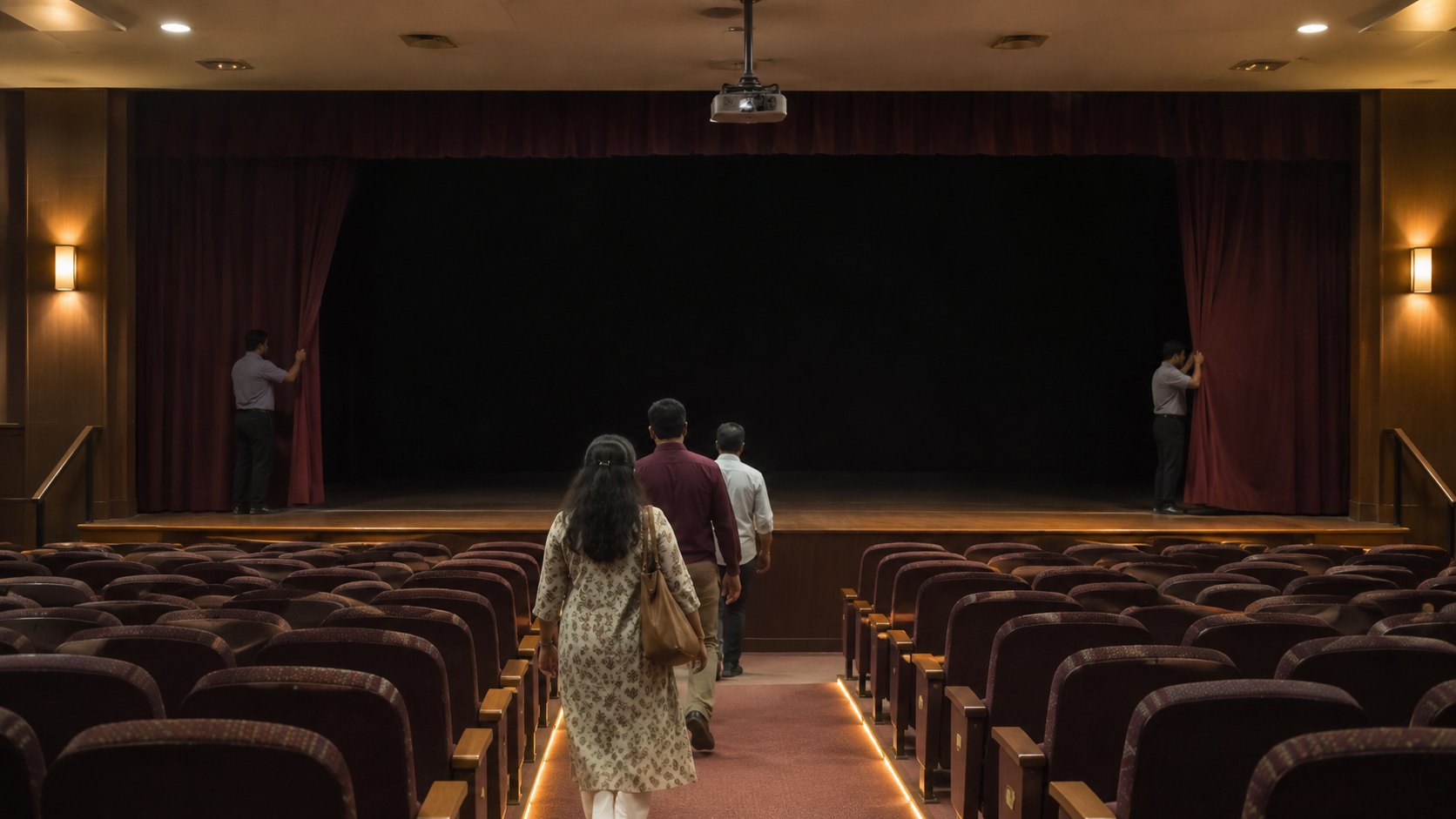
Two paid gatherings had been planned around Dar-e-Nijaat, a Pakistani television drama. The first was scheduled for November 28 at Sheesh Kebab in Frazer Town. Organised by The Bloom Society Sisters’ Club, it was advertised as the drama’s first Bengaluru screening and was to show episodes 34 and 35, followed by a Persian and Arabic dinner. The reported admission price was Rs 1,999 per person.
A second gathering was scheduled for December 5 at Mowie Private Theatre in Jayamahal Extension. The Star Club’s invitation prescribed Pakistani outfits as the dress code. That detail made the national association part of the event’s presentation rather than incidental background, and it intensified the objections circulating online.
Critics questioned why Pakistani entertainment was being promoted in Bengaluru while Pakistan continued to be associated in the Bharatiya public mind with cross-border terrorism and attacks on civilians. Some users tagged Bengaluru Police and asked for the gatherings to be examined. The official police account referred the matter to the jurisdictional station and the Central Division DCP.
Bengaluru Police Commissioner R. Hitendra was reported to have said that police were contacting the organisers to establish the details. Police later indicated that neither event had obtained prior permission, and both screenings were called off.
That sequence supports a precise conclusion: the organisers cancelled the Bengaluru screenings after public opposition and police attention. It does not, on the facts available, establish that a court prohibited the drama, that the content itself was adjudged unlawful, or that Bengaluru imposed a general ban on Pakistani productions. If you discuss the episode publicly, describe it as a cancellation, not as a citywide ban.
Boycott, public pressure and state censorship are not the same
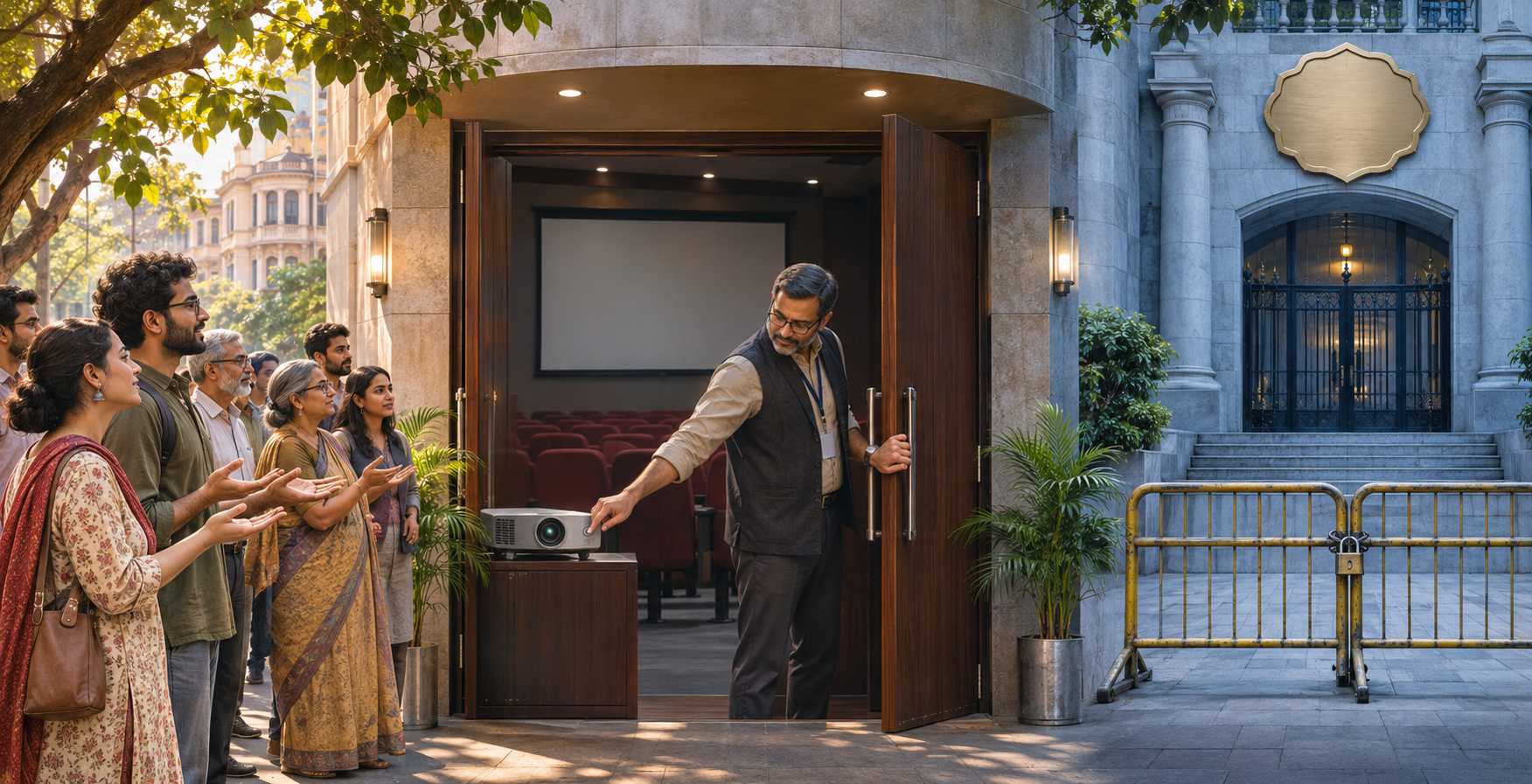
These terms are often collapsed into one another, especially when an event disappears after a social-media campaign. Keeping them separate helps you judge both the legitimacy and the limits of what occurred.
- A boycott is a voluntary refusal to buy, attend, promote, host, or otherwise support something.
- Public pressure is an effort to persuade an organiser, venue, sponsor, or platform to change a decision. It can be forceful without becoming coercive, provided it does not involve threats, harassment, or fabricated allegations.
- Police scrutiny means authorities are checking an event, its arrangements, or compliance with applicable requirements. An inquiry is not a finding of guilt.
- A legal ban is a prohibition imposed through state authority. It requires a legal basis and is different from a private organiser cancelling an event.
The Bengaluru episode included a proposed consumer boycott, public pressure on organisers and venues, and police scrutiny. The immediate decision to cancel appears to have been made by the organisers. That matters because citizens have broad moral and political latitude to decide what they will patronise, even where the state has not prohibited the underlying expression.
Police involvement should still be described carefully. The reported absence of prior permission may explain why authorities contacted the organisers, but it is not by itself a judgment on the political or artistic merits of Dar-e-Nijaat. Permission requirements can depend on the nature of an event and the venue. If you believe a rule has been breached, give the concrete facts to the appropriate authority and let that authority determine what applies.
A pro-Bharat objection is strongest when it stays exact
Cultural consumption is not always politically neutral. A ticketed screening gives a production attention, prestige, audience development, and promotional value. A themed gathering can add another layer by presenting the culture associated with the production as something to inhabit and celebrate. In this case, the Pakistani dress code made that element unusually explicit.
You are therefore entitled to ask whether cultural normalisation is appropriate while relations between Bharat and Pakistan remain burdened by terrorism and deep public mistrust. You are also entitled to withhold your money, ask a venue to reconsider, and encourage others to do the same. None of those actions requires a government ban.
But a serious case must stop where its evidence stops. Hosting or attending a Pakistani drama screening does not, without more, prove support for terrorism. The disclosed details of these gatherings do not establish that individual prospective attendees belonged to an extremist network or intended harm. Turning a dispute about cultural patronage into an unsupported accusation against people weakens the argument and creates an avoidable injustice.
The target should remain identifiable: the promotion of Pakistani entertainment in a particular political context. It should not expand into hostility toward Bengaluru’s Muslim residents, restaurant patrons, neighbourhoods, languages, or anyone presumed to share an identity with the organisers. Collective blame is neither sound evidence nor a Dharmic response.
A Dharmic civic ethic should join courage to self-restraint. Courage prevents indifference when cultural choices appear to erase the cost Bharat has borne. Self-restraint prevents a legitimate objection from becoming humiliation, dehumanisation, or mob punishment. You need both if the aim is principled cultural advocacy rather than momentary outrage.
How to oppose such an event without weakening your case
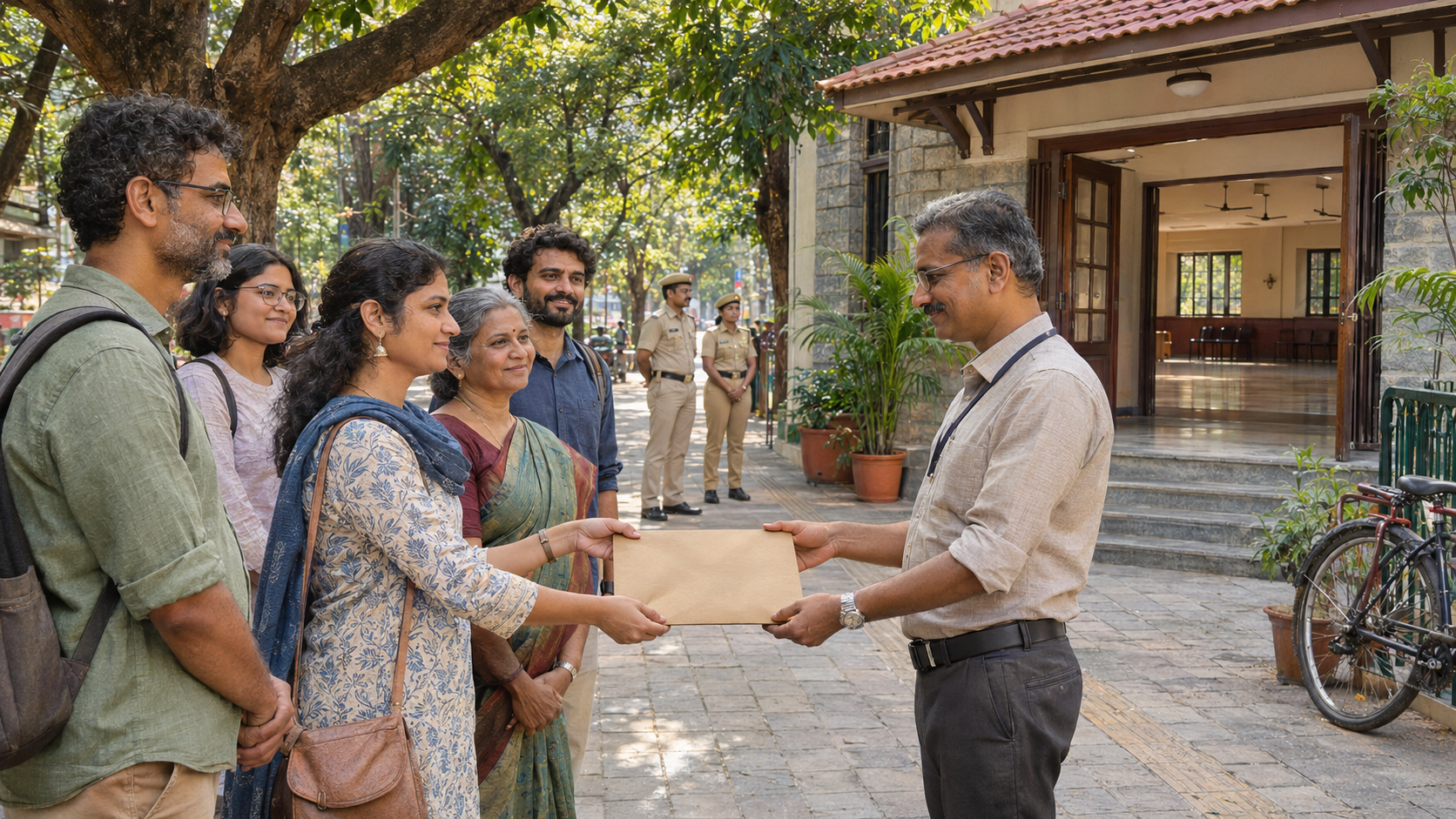
If another invitation of this kind appears, the first hour of reaction can determine whether the campaign remains credible. Use a sequence that produces verifiable pressure rather than uncontrolled anger.
- Verify the invitation. Record the event name, organiser, venue, date, admission charge, programme and publicly stated theme. Check whether the invitation is current before circulating it. A cropped or recycled image can send thousands of people toward the wrong target.
- Name the exact objection. Say that you oppose the paid promotion or celebratory presentation of Pakistani entertainment under the prevailing Bharat-Pakistan security context. Do not replace that case with abuse directed at religion, ethnicity, language, gender or neighbourhood.
- Ask the organiser and venue for a clear response. A short, specific request works better than a stream of slogans: confirm whether the event is proceeding, explain the concern, and ask whether it will be cancelled. If you bought a ticket, ask how refunds will be handled.
- Refer concrete compliance questions to the proper authority. If there is a genuine concern about permission, crowd management or public safety, provide the invitation and event details to the jurisdictional police. Ask for verification rather than declaring that a crime has occurred.
- Reject threats and doxxing. Do not publish private phone numbers, home addresses or attendee lists. Do not threaten a venue’s workers or encourage physical disruption. Those acts shift attention from the cultural issue to the conduct of the campaigners.
- Correct the record when circumstances change. Once an event is cancelled, update the original message prominently. Continuing to circulate an invitation as though the gathering remains active can expose uninvolved staff and customers to needless pressure.
What organisers should decide before announcing a similar event
Organisers should not assume that an entertainment label removes geopolitical meaning. If the marketing centres a country, prescribes that country’s clothing, and sells a themed social experience, the national association is part of the product being offered.
- Confirm all venue, screening-rights and permission requirements before taking bookings.
- State the purpose and format clearly so the public is not left to reconstruct the event from a partial invitation.
- Assess whether dress codes and promotional language turn a viewing into an endorsement or national celebration.
- Prepare a written cancellation and refund process before collecting money.
- Designate one person to answer factual questions if a controversy begins; silence and contradictory replies usually increase suspicion.
This preparation does not guarantee public acceptance. It does ensure that an organiser understands the decision being made and can account for it. In a politically charged setting, that is a basic responsibility rather than an optional public-relations exercise.
Key takeaways
- The two Dar-e-Nijaat screenings were cancelled after online opposition and police attention; the known facts do not establish a general Bengaluru ban on Pakistani dramas.
- The Rs 1,999 dinner event and the second gathering’s Pakistani dress code made these organised cultural promotions, not merely private viewing choices.
- A voluntary boycott and a request for cancellation are different from state censorship. Police scrutiny is also different from a legal finding.
- You can oppose cultural normalisation firmly while refusing threats, collective blame, doxxing and unsupported allegations.
- The most effective campaign verifies the event, states one precise objection, approaches the responsible parties, and updates the public when the outcome changes.
The cancellations show that citizens can influence cultural programming without waiting for a nationwide prohibition. The next time such an event is announced, make the objection precise enough to withstand scrutiny and disciplined enough to reflect the civilisation you mean to defend.
References

Leave a Reply
You must be logged in to post a comment.