

The most useful way to examine reported abuse in neighborhood commercial spaces is through the interaction of access, power and weak safeguards. A shop may be open to the public at the front while containing secluded rooms, informal employment arrangements or unchecked digital access behind the counter.
A supplied compilation of reported cases cannot measure how common such offences are, but it can reveal recurring opportunities for exploitation. The practical question for proprietors, workers, families and authorities is how to close those opportunities without prejudging individual cases or assigning collective blame.
What the reported cases establish – and what they do not
The DharmaRenaissance Blog compilation brought together 15 incidents reported between October 2024 and July 2026 across nine Indian states. The settings included garment and footwear shops, food outlets, medical stores, salons, barbershops, a watch-repair premises and puncture shops. Allegations ranged from sexual assault and workplace coercion to confinement, hidden-camera recording, intimate-image blackmail and pressure to change religion.
According to the compilation, FIRs were registered in all 15 cases and arrests were reported in 11. Those figures describe police action at the time of the underlying reports; they are not convictions or final judicial findings. Each allegation still requires investigation, admissible evidence and adjudication by a competent court.
The compilation also cannot establish national prevalence, comparative offending rates or a coordinated cross-state campaign. Its cases were selected because the reported accused were Muslim and the reported victims were Hindu, so it lacks the comparison groups and population denominators needed for community-level conclusions. Similar alleged methods across selected reports can identify risks worth investigating, but coordination would require additional evidence such as shared communications, financial links, facilitators or instructions.
This limitation does not require authorities to disregard religious coercion, trafficking, organized blackmail or collaboration when credible evidence of those elements exists. It requires a disciplined distinction between investigating a specific lead and imputing criminal responsibility to an entire population.
The recurring risk is situational power
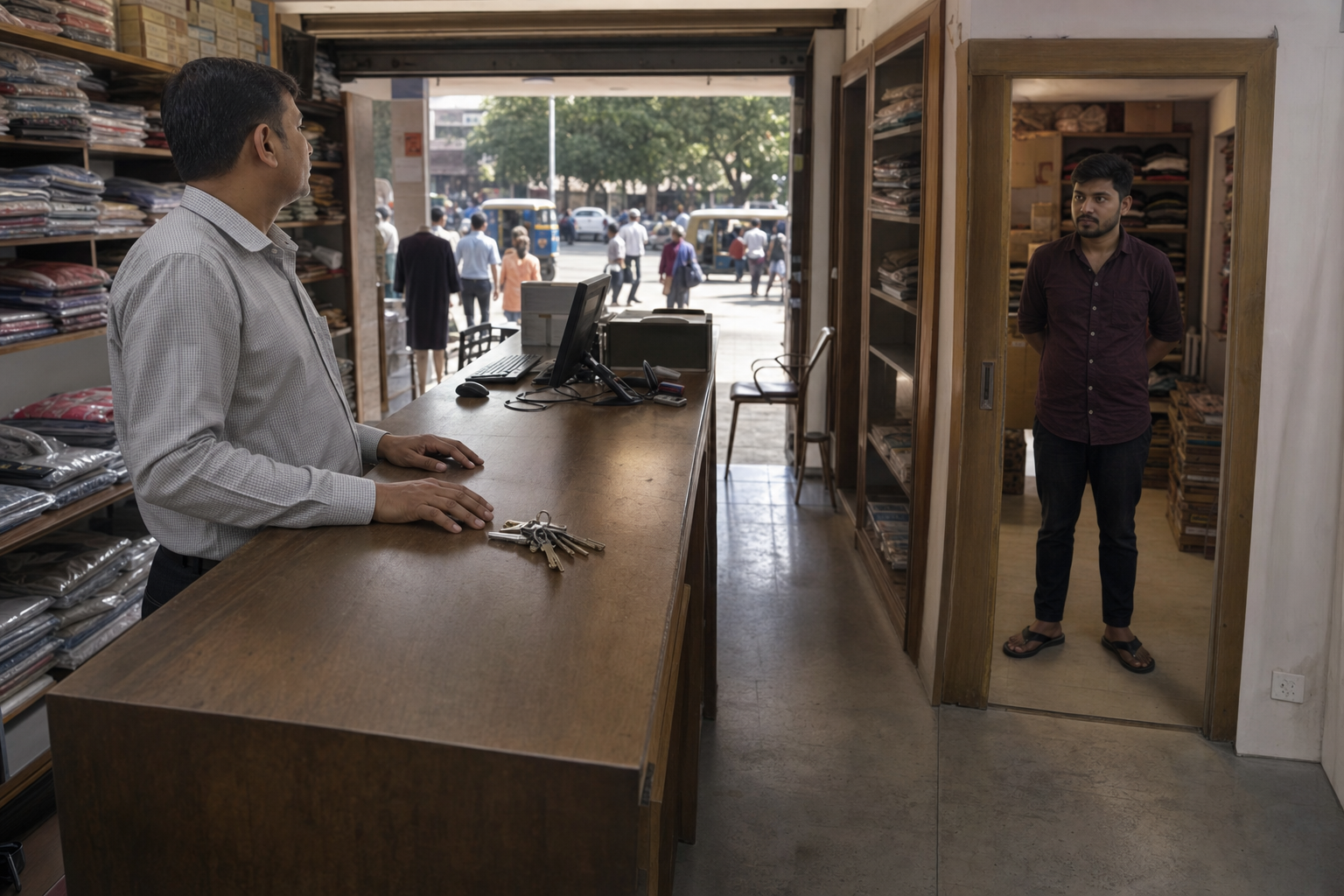
Across the selected reports, the most consistent pattern was not a particular type of merchandise or storefront. It was an alleged offender’s ability to control something the complainant needed or feared losing: employment, wages, mobility, privacy, personal reputation or access to a familiar place.
Children face an especially severe imbalance. The compilation included allegations involving school-age girls and described adults allegedly using familiarity, food, attention, intoxication or physical isolation to gain control. A child may not recognize grooming, may fear punishment or stigma, or may believe threats about the circulation of an image. Delayed disclosure should therefore not be treated automatically as consent or fabrication.
The source notes that the Protection of Children from Sexual Offences Act defines a child as a person below 18, is gender-neutral and treats the child’s welfare and privacy as central. Consent is not a defense to a sexual offence against a child under that framework. Reporting and public discussion must also avoid details that directly or indirectly identify a child.
Adult workers can be vulnerable through a different mechanism. In one reported Tanakpur case, a footwear-shop owner was accused of linking employees’ salaries to sexual compliance. Whether exerted through wages, shifts, references or continued employment, economic control can make nominal choice meaningless. The source consequently points to workplace-harassment remedies as well as ordinary criminal law.
Digital material can extend that control beyond the premises. Alleged hidden recording, possession of intimate images and threats of circulation appeared in the compilation as forms of continuing leverage. The original encounter may end, but fear of exposure can silence a complainant and permit repeated demands.
Safeguards that fit small commercial establishments

Reduce opportunities for unobserved isolation
Premises should be assessed from the perspective of a child, junior employee or lone customer rather than only for theft and fire. Clear sightlines, controlled access to back rooms and a rule against taking children into secluded staff areas can reduce opportunities for abuse. Where lawful monitoring is used, it should cover entrances and common areas without invading changing, washing or other private spaces.
Make employment power reviewable
Informality should not mean that one proprietor privately controls hiring, wages, schedules and complaints with no record or oversight. Written wage and attendance records, predictable payment procedures and more than one complaint contact make retaliation harder to conceal. A very small firm that cannot maintain an internal redress structure can identify an external contact, such as an appropriate authority or credible business association, before a complaint arises.
Treat image-based threats as a safety issue
Businesses need explicit rules against covert recording, misuse of customer or employee images and unauthorized access to surveillance footage. When a threat is reported, relevant messages, account details and files should be preserved without forwarding the intimate material among staff. Circulation presented as informal verification can deepen the victim’s harm and compromise privacy.
A credible response protects both evidence and due process

After a disclosure, immediate safety, confidentiality and appropriate medical, legal or child-protection assistance take priority. Serious allegations involving assault, confinement, blackmail or a child should not be reduced to a private workplace misunderstanding. At the same time, owners and bystanders should avoid public accusations, communal generalizations or improvised confrontations that could endanger the complainant or interfere with evidence.
Investigators, rather than rumor networks, are positioned to establish who participated, preserve digital material and examine communications or financial links where legally justified. The same evidence-based standard should operate in both directions: the identity or reputation of an accused person must not block scrutiny, and identity alone must not substitute for proof.
Responsible reporting has a related role. It should distinguish allegations from findings, protect minors from identification and avoid framing a child’s experience as an adult-style romance. It should also report procedural developments accurately: an FIR, arrest, remand, charge and conviction are different stages, not interchangeable evidence of guilt.
Key takeaways
- The supplied cases are warning signals about recurring vulnerabilities, not a representative measure of crime in India.
- Isolation becomes more dangerous when combined with control over wages, mobility, reputation or digital images.
- Children require special protection because adult attention, threats or inducements can operate as grooming rather than meaningful consent.
- Small establishments can reduce risk through visible spaces, controlled private-area access, reviewable wage practices and independent complaint routes.
- Effective accountability requires victim protection, preserved evidence, careful investigation and individual due process without collective blame.
Safer marketplaces will depend on converting these lessons into routine operating practices before another allegation emerges. Trust is strongest when it rests on visible safeguards, accessible reporting and consistent enforcement rather than familiarity alone.