
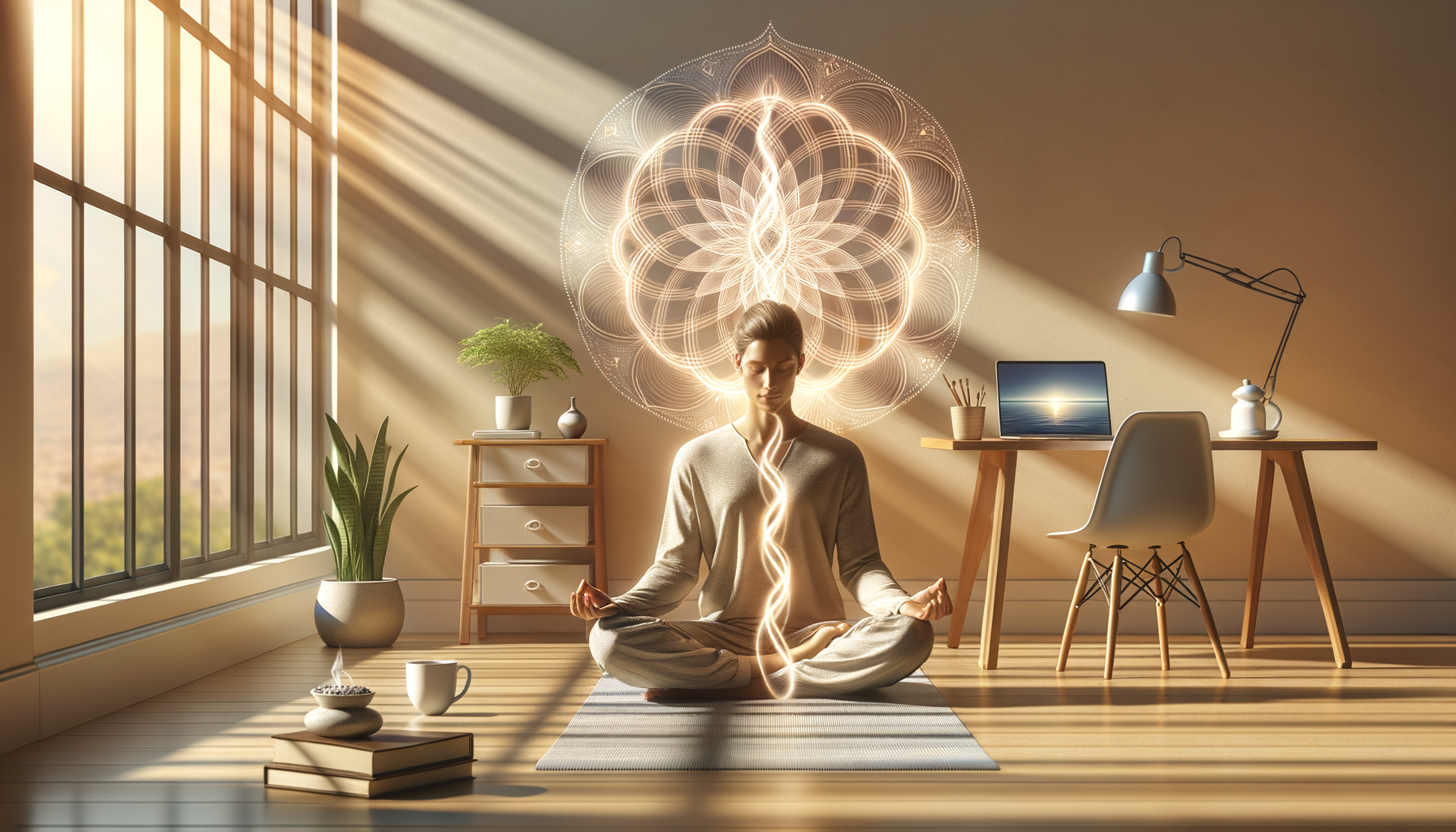
The contemporary world faces a striking paradox: unprecedented mental activity amid widespread physical stagnation. Hours spent seated before screens create a disconnect between body and mind, leaving vital energy underused and unfocused. Ancient dharmic wisdom offers a coherent framework for understanding and transforming this dormant energy into purposeful, life-affirming action.
Across Hinduism, Buddhism, Jainism, and Sikhism, human vitality is treated as both gross (sthula) and subtle (sukshma). Hindu philosophy names it Pranavital energyflowing through energy centers often described as muladhara, swadishtana, manipura, anahata, and visudha. Buddhism emphasizes mindful presence that harmonizes body and mind; Jainism refines awareness and restraint through practices such as Samayik; Sikhism channels energy into simran and seva, uniting remembrance with compassionate action. Together, these traditions present complementary pathways to recover balance in modern life.
When energy remains dormant, common signs appear: low vitality despite adequate sleep, mental restlessness, emotional volatility, and difficulty sustaining attention. This is not merely personal fatigue; it reflects a systemic pattern of sedentary lifestyle, fragmented attention, and reduced embodied awareness. Re-engaging the body-mind connection is therefore essential for resilience, focus, and inner steadiness.
Dharmic practice proposes a progression from gross to subtlefrom movement to breath to attention. Asana and mindful mobility awaken the body; Pranayama organizes breath and calms the nervous system; dhyana stabilizes attention. Service (seva), ethical discipline (yama–niyama), and community practice integrate this energy into meaningful conduct, ensuring that awakening does not devolve into agitation but matures into clarity and compassion.
Breath as the primary lever: gentle Pranayama practices reliably convert scattered mental activity into steady presence. Evidence-aligned protocols include 5–10 minutes of extended exhalation breathing (for example, inhalation 4 counts, exhalation 6 counts); nadi shodhana (alternate-nostril breathing) for balance and cognitive clarity; and soft ujjayi breathing during light movement to reduce stress. These methods are accessible, nonsectarian, and compatible with daily routines.
Movement to mobilize energy: short sequences such as Surya Namaskar or joint rotations counter physical stagnation, especially for those with desk-bound work. Even three mindful movement breaks of 3–5 minutesmorning, midday, and eveningimprove circulation, posture, and alertness. When coordinated with breath, movement becomes a bridge from physical activation to subtle attention.
Attention to stabilize energy: mindfulness and dhyana reinforce calm focus. Buddhist-inspired breath awareness, Jain Samayik (time-bound equanimity practice), and Sikh simran (remembrance) all cultivate one-pointedness without imposing a single doctrine. The aim is the same: steady awareness that channels energy toward constructive ends.
Ayurveda broadens this picture through daily rhythm (dinacharya): consistent wake–sleep cycles, warm nourishment, gentle digestion, and sunlight exposure. Small adjustmentshydration upon waking, unhurried meals, and a brief evening wind-downprevent energy depletion and help Prana flow smoothly.
A practical daily protocol can be concise and effective: upon waking, 3–5 minutes of gentle mobility; 5 minutes of extended exhalation Pranayama; 5 minutes of breath awareness. Midday, a short walk plus 2–3 minutes of nadi shodhana restores clarity. In the evening, a brief gratitude reflection or simran, followed by screen-light reduction, prepares the mind for restful sleep. This sequence aligns with yogic breathing, mindfulness, and the body-mind connection without demanding extensive time.
Workplace micro-practices maintain momentum: one minute of box breathing before meetings; posture resets every hour; a short stroll during calls; and a 90-second eyes-closed breath check to interrupt cognitive overdrive. These small interventions protect attention, reduce stress, and prevent energy from congealing into restlessness.
Ethical orientation directs awakened energy into beneficial channels. Yama–niyama, Samayik, simran, and metta (loving-kindness) safeguard against narcisstic striving by anchoring effort in compassion, truthfulness, and restraint. Energy, once awakened, is best stabilized through purposeservice to family, community, and the wider world.
Safety and inclusivity matter. Practices should be gradual, pain-free, and adaptable; those with medical conditions should seek professional guidance. The dharmic approach is plural and cooperativeHinduism, Buddhism, Jainism, and Sikhism each contribute methods that can be harmonized without erasing their distinctive insights. Unity in spiritual diversity strengthens collective well-being.
The crisis of dormant energy is solvable. With mindful movement, Pranayama, and steady attentionsupported by ethical conduct and servicevital energy is no longer squandered by sedentary routines and scattered attention. Instead, it becomes a dependable resource for clarity, resilience, and inner peace, honoring the shared dharmic vision of balanced living.
Inspired by this post on Hindu Blog.
