
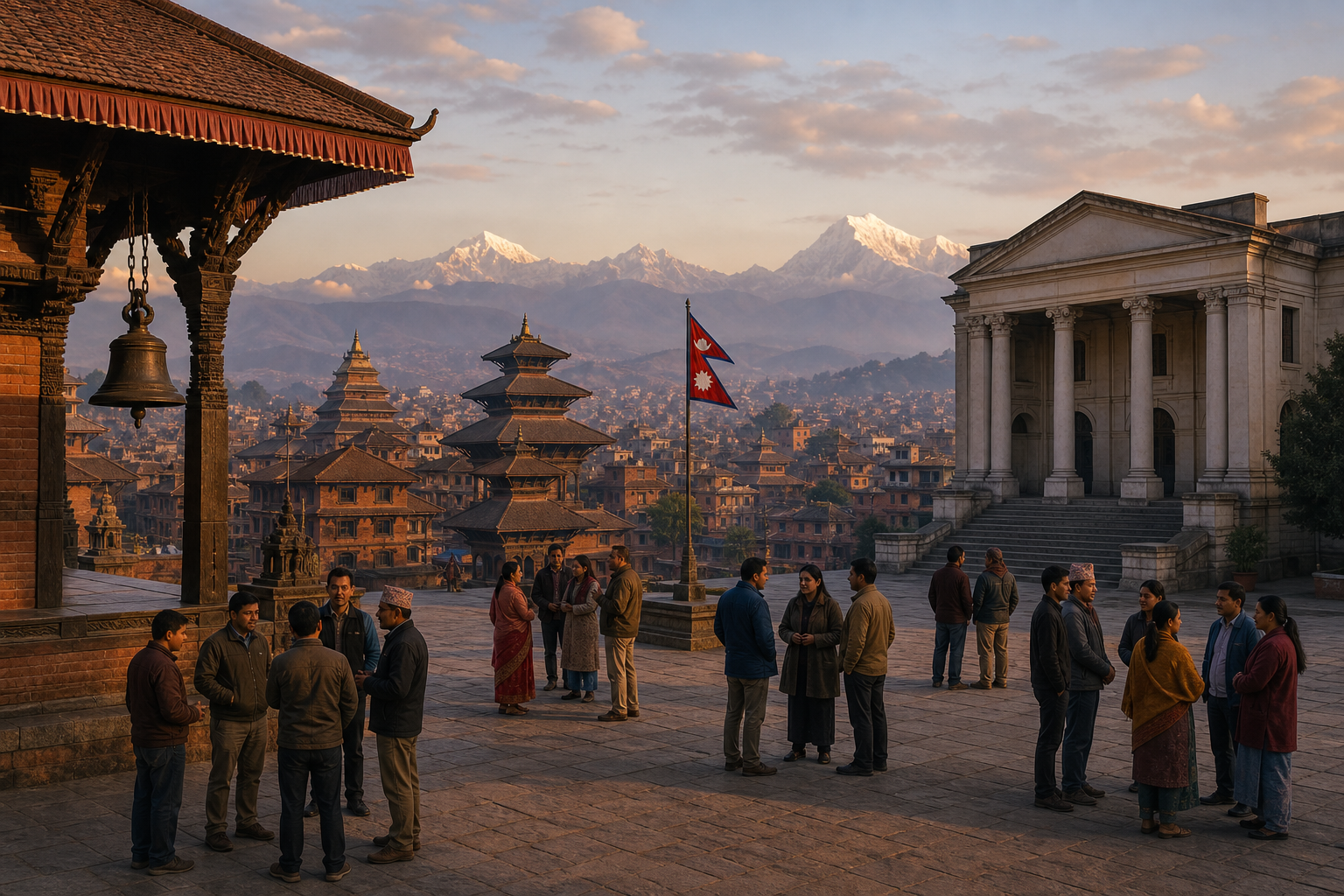
You may support Nepal’s Hindu character and still be unsure what to make of the campaign to restore Hindu Rashtra status. Is it a response to anti-Hindu insecurity, a constitutional project, a demand for cultural recognition, or all three? The answer matters before you endorse a slogan, share a claim, or judge the movement by one confrontation.
The clearest way to assess the movement is to separate its immediate trigger from its long-term objective. Hindus have a legitimate claim to safety, dignity, and equal protection during public worship. Restoring a national identity is a different decision, requiring exact constitutional proposals, democratic consent, and clear protections for every peaceful citizen.
Why the demand intensified
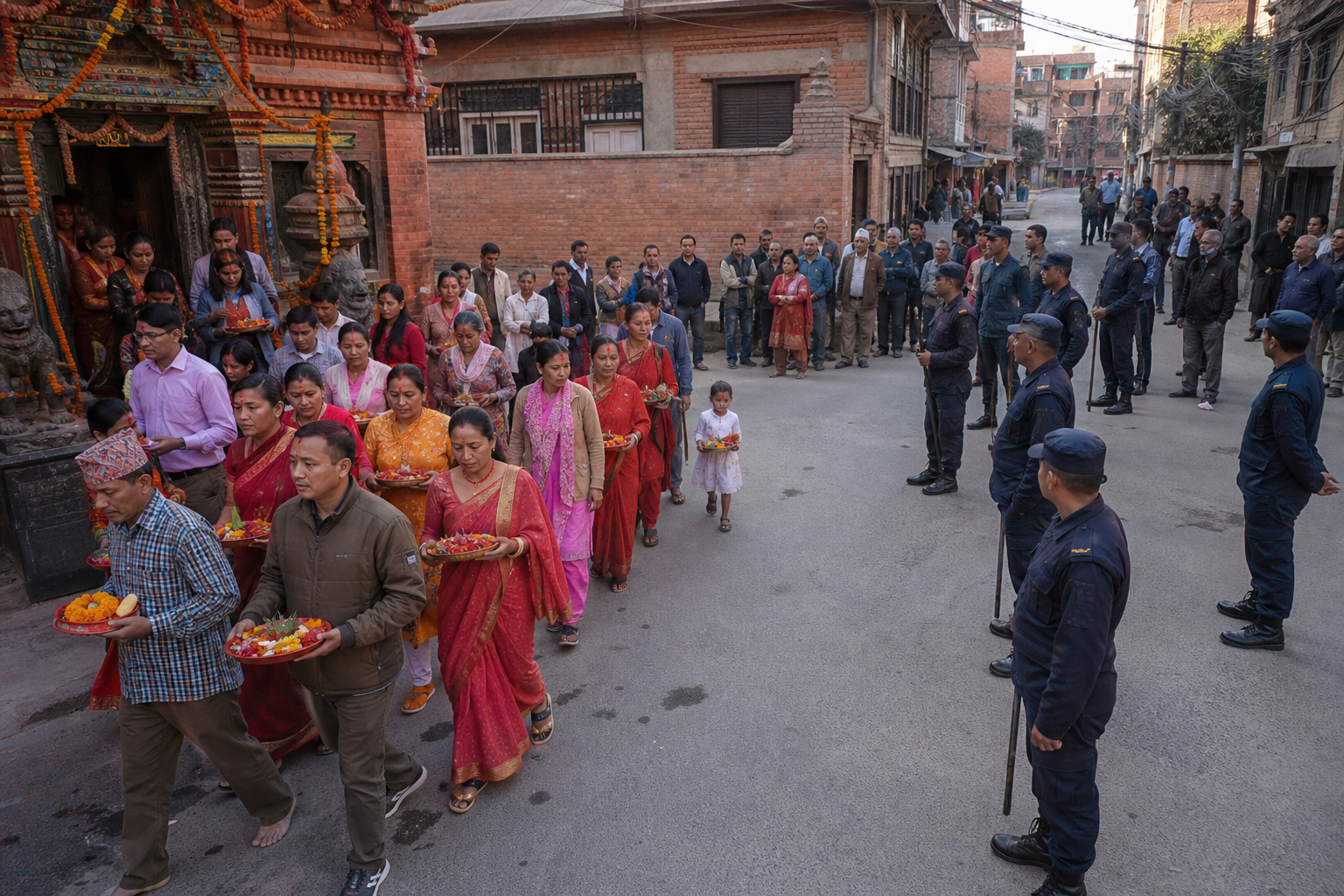
The latest escalation followed communal unrest and an attack on a Hindu religious procession in Nepal’s border districts. Hindu organisations from across the country then united behind restoration of Hindu Rashtra status. The mobilisation included regional protests and a 10-day hunger strike in Kathmandu.
Those details establish three things. A local public-order dispute acquired national religious significance. Hindu organisations found enough common ground to coordinate. And the demand moved beyond statements into organised, nonviolent political pressure.
They do not establish who bears legal responsibility for every incident, how representative each organisation is, or how much public support exists for a particular constitutional formula. Before assigning guilt for the unrest, look for police records, court proceedings, named witnesses, and verified statements from more than one local party. A photograph of a crowd can show that a gathering occurred; it cannot tell you who initiated violence or what an entire country believes.
Key takeaways
- The immediate issue is the safety of Hindu religious expression and the state’s response to communal disorder.
- The larger issue is whether Nepal should formally restore a Hindu national identity.
- Protests and a 10-day hunger strike demonstrate organisation and commitment, but they do not by themselves prove a democratic mandate.
- You should judge the campaign by its exact institutional demands, its methods, and the protections it offers all peaceful citizens.
Hindu Rashtra must be defined before it can be supported
The word restoration carries a civilizational claim: supporters are not presenting Hindu identity as a new import, but as something intrinsic to Nepal that should again receive formal recognition. That claim deserves a serious hearing. It still does not tell you what would change in law or administration.
Hindu Rashtra can refer to several different levels of state recognition. It might mean a constitutional declaration of Nepal’s Hindu civilizational identity. It might include public duties toward temples, festivals, pilgrimage sites, or traditional learning. A more expansive version could affect legislation, appointments, education, or the relationship between the state and religious communities. These are not interchangeable proposals.
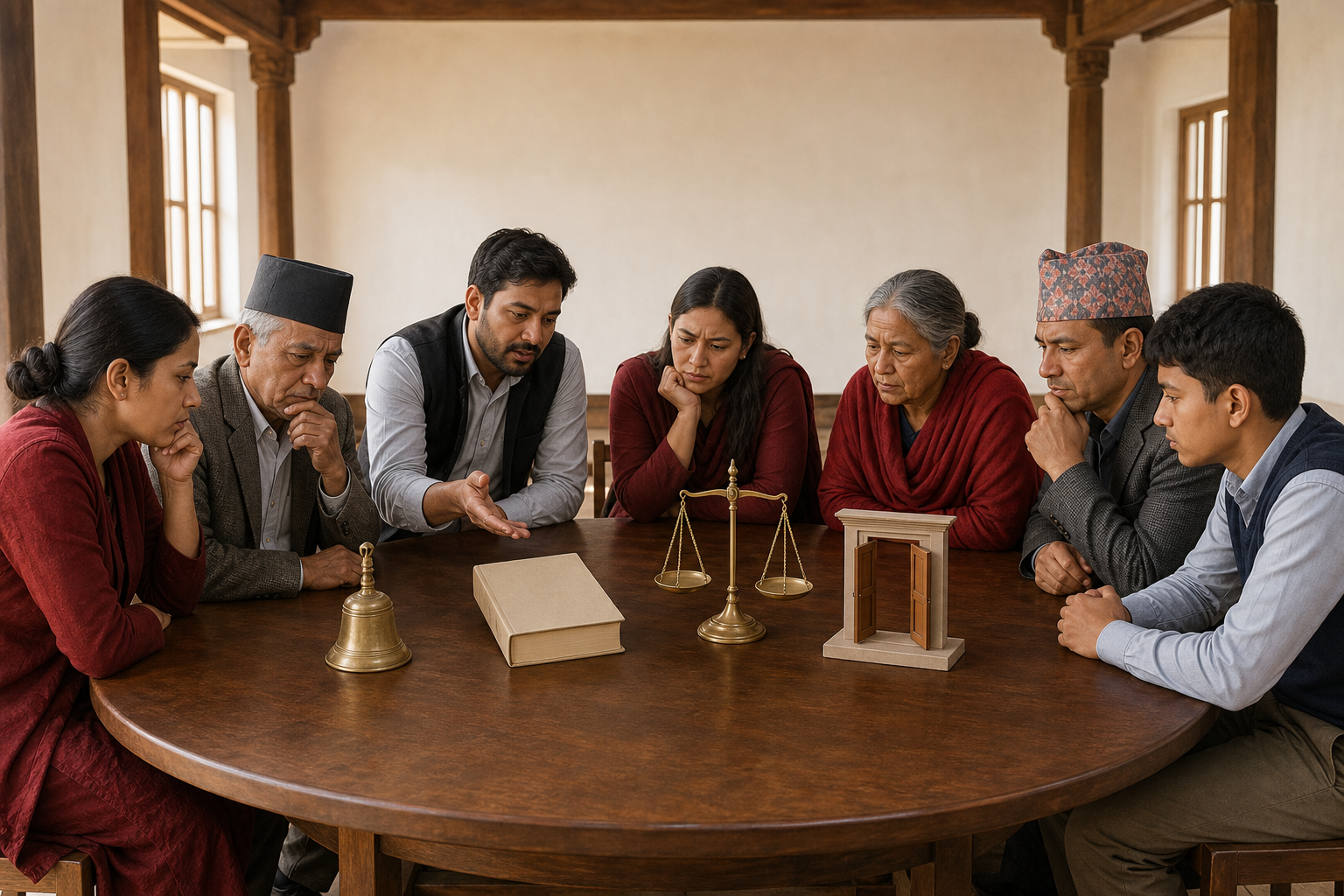
Before supporting any formulation, ask its advocates to provide the proposed constitutional language. If no text exists, ask for a short written charter answering these questions:
- Which constitutional words or provisions should change?
- Would the change be symbolic, administrative, or legally enforceable?
- Which institutions would gain new duties or powers?
- How would Hindu temples and traditions be protected in practice?
- Would Buddhists, Jains, Sikhs, indigenous traditions, Muslims, Christians, and nonreligious citizens retain equal civil protection?
- What democratic process would authorise the change?
A movement that can answer these questions is asking for a governable settlement. One that cannot answer them is still asking you to invest faith in a slogan. That distinction does not weaken the Hindu cause. It protects the cause from confusion, opportunism, and promises that cannot survive constitutional scrutiny.
Use four tests to judge the movement
If you are deciding whether to support the campaign, do not begin and end with whether Hindu Rashtra sounds culturally right. Apply four practical tests.
1. The precision test
Can organisers state what restoration would do that existing arrangements do not? Look for proposed language, institutional responsibilities, enforcement limits, and a lawful route to adoption. Precision also lets citizens identify unintended consequences before a constitutional change is made.
2. The nonviolence test
A Dharmic movement cannot treat retaliation, collective blame, or intimidation as acceptable political tools. Hunger strikes and peaceful demonstrations place moral pressure on institutions without transferring guilt to uninvolved people. Supporters should preserve that discipline, document provocations, cooperate with lawful investigations, and refuse inflammatory rumours even when those rumours appear to favour their side.
3. The reciprocity test
Ask whether the proposed order protects the freedom that Hindus rightly demand for themselves. A Hindu procession should not face attack or obstruction merely for being visibly Hindu. Peaceful members of other communities should likewise be able to worship without fear. Reciprocity does not require pretending that all traditions have the same history or place in Nepal. It requires consistent civil protection and individual accountability.
4. The democratic legitimacy test
Organisational unity is politically important, but a constitutional settlement must be broader than the organisations campaigning for it. Look for transparent public consultation, open debate, a defined legislative or constitutional procedure, and a way for citizens to register informed consent. A disciplined movement should welcome an honest count of support rather than substitute street visibility for public authority.
Religious security and national identity require different remedies
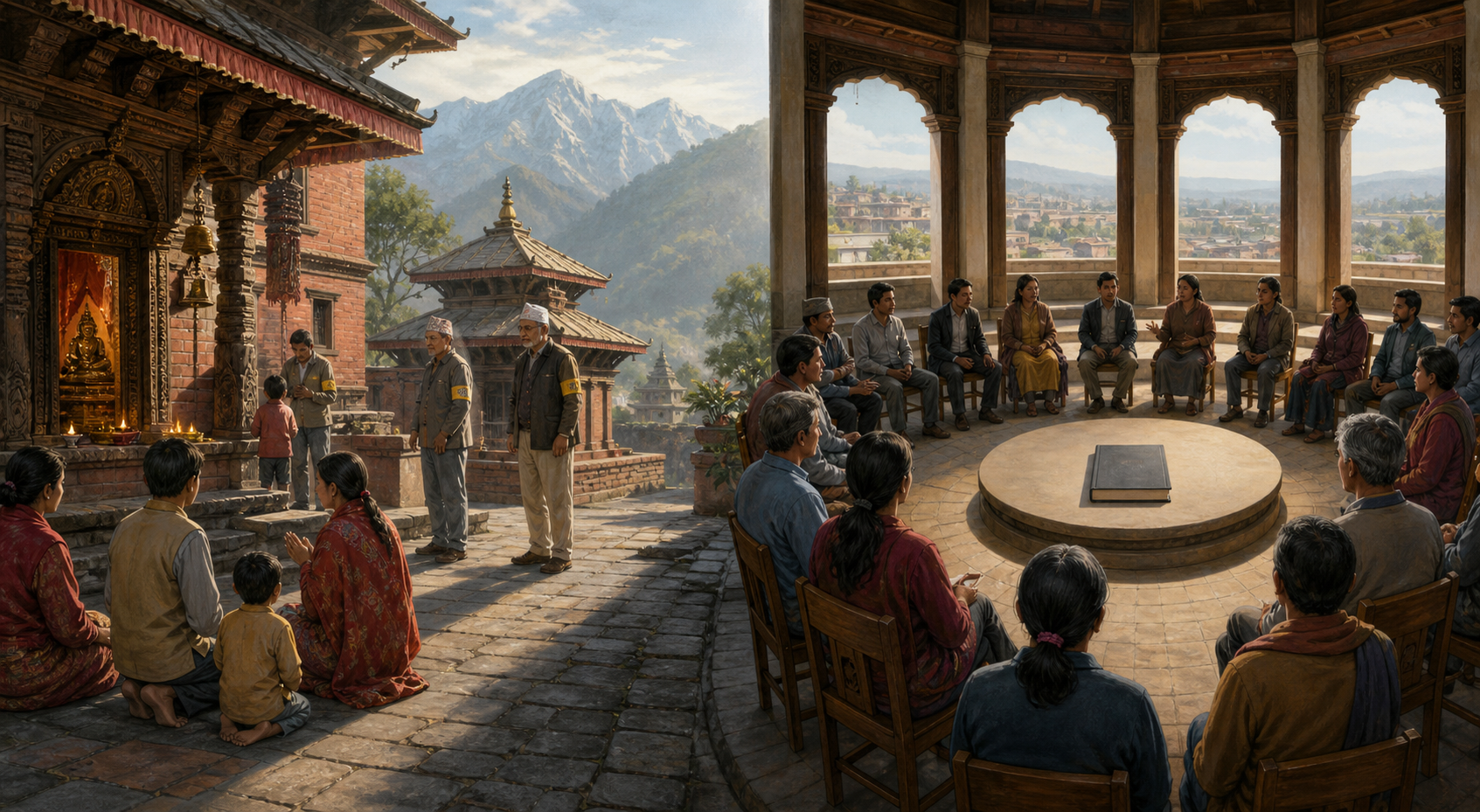
An attack on a religious procession is first a question of public order and equal citizenship. Authorities must prevent violence, protect participants, investigate individual acts, preserve evidence, and prosecute offences through law. A constitutional label cannot replace competent policing. If officials fail to protect a procession today, changing the state’s description will not automatically fix command failures, local bias, weak investigations, or impunity tomorrow.
The reverse is also true. Better policing alone cannot settle a sustained argument about Nepal’s civilizational self-understanding. A government may control disorder while leaving unanswered whether Hindu heritage should have formal national recognition. Treating every demand for Hindu Rashtra as merely a law-and-order complaint avoids the constitutional question rather than resolving it.
You should therefore expect two tracks from serious leaders. The first is an evidence-based demand for accountability in the procession attack and related unrest. The second is a published constitutional case for Hindu Rashtra. Combining the tracks emotionally may mobilise people, but separating them institutionally produces clearer remedies and prevents a criminal investigation from becoming a substitute referendum on national identity.
This separation also blocks a dangerous shortcut: assigning collective guilt. If individuals committed violence, responsibility belongs to those individuals and to any identifiable organisers or officials who enabled it. A Dharmic response should be firm about justice without turning an unproven allegation into hostility toward an entire religious population.
How to support the Hindu cause without surrendering judgement
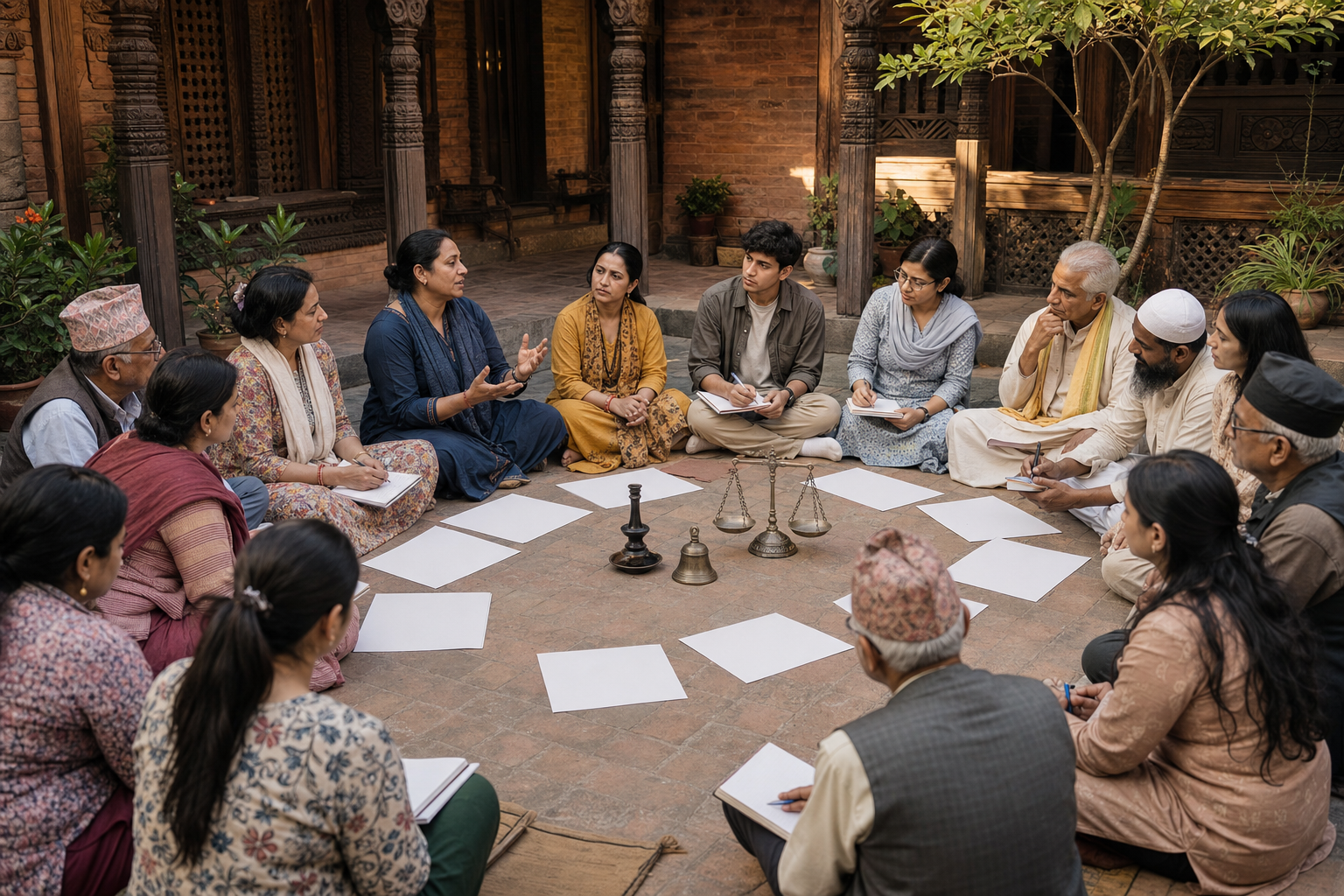
If the movement speaks to you, support the parts you can state clearly. You can defend the safety of Hindu processions, demand impartial investigation, affirm Nepal’s Hindu civilizational inheritance, and request a democratic debate on restoration. None of that requires you to repeat unverified claims or give blank approval to every person using the Hindu Rashtra banner.
- Save the exact demand, not merely a poster or slogan. Look for proposed constitutional wording, an official declaration, or a named set of objectives.
- Separate incident claims into verified facts, disputed allegations, and commentary. Do not move an allegation into the verified category because it has been widely reposted.
- Ask organisers how the 10-day hunger strike’s demands were communicated, who was authorised to negotiate, and what outcome would count as progress.
- Evaluate conduct consistently. Reject violence, threats, vandalism, and collective punishment regardless of who commits them.
- Ask candidates and public figures which lawful mechanism they support and what safeguards they would accept. A general expression of Hindu pride is not a constitutional programme.
- Keep the movement’s Dharmic measure visible: truthfulness in claims, restraint in action, courage in defending worship, and justice applied to individuals rather than communities.
The next useful step is simple: ask for the proposed constitutional text and the documented demands behind the Kathmandu hunger strike. Once those are public, you can judge whether restoration is a precise democratic project capable of protecting Nepal’s Hindu inheritance, or only a powerful reaction to a moment of communal fear.
References
