
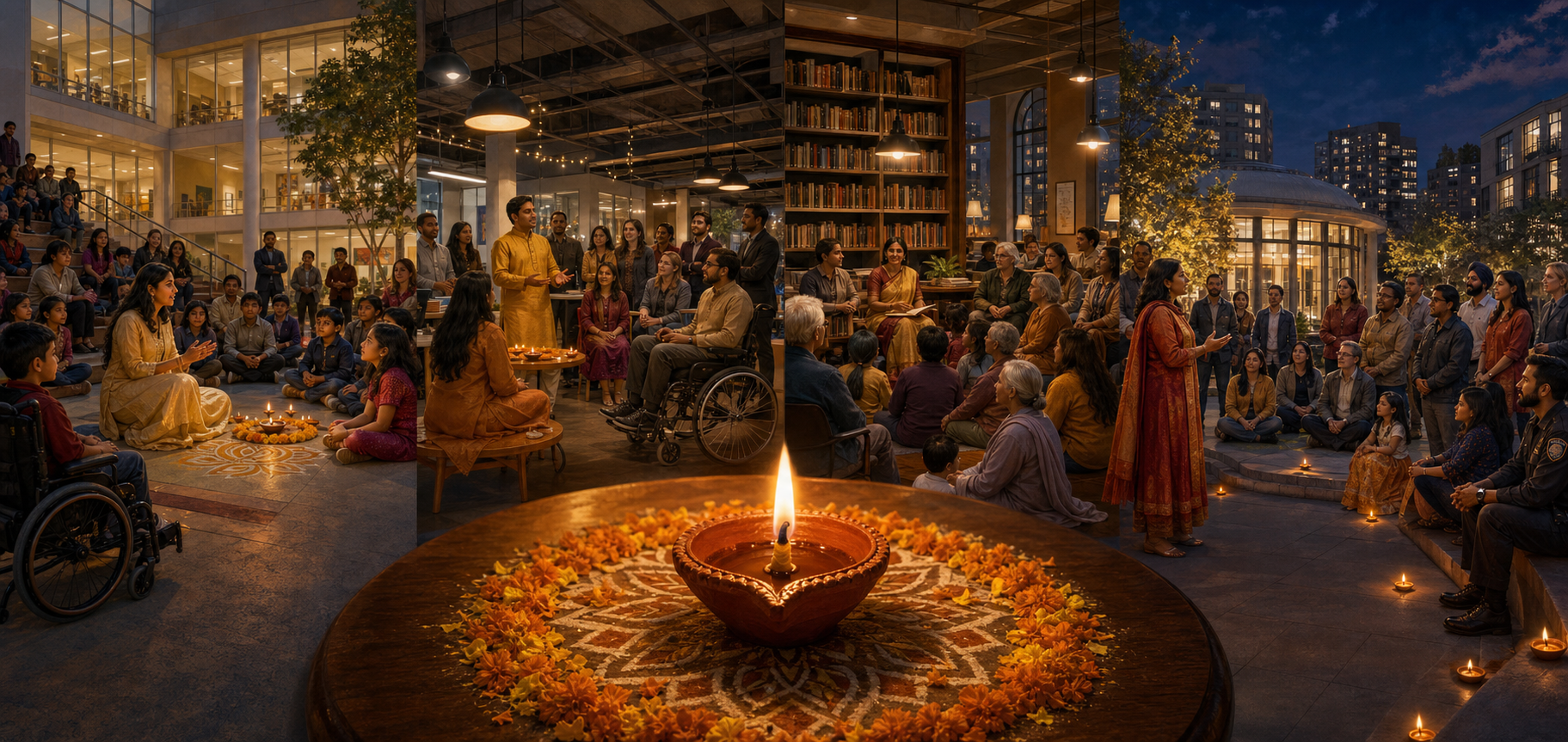
If Diwali greetings are appearing in your entertainment feed, workplace, school, or civic calendar, you may be wondering whether this is meaningful recognition or just another seasonal gesture.
For a diaspora family or community organizer, the answer matters. Visibility can affirm a tradition that once remained largely private, but visibility alone does not guarantee understanding. The useful question is no longer simply whether Diwali is being noticed. It is whether that attention helps people name the festival accurately, make room for its observance, and participate with respect.
Two signals show that Diwali is entering public life
Greetings from WWE figures, including John Cena, place Diwali inside globally visible sports entertainment. That kind of message matters because it reaches people who may never attend a temple, read about Dharmic traditions, or encounter the festival through an Indian family. It tells viewers that Diwali belongs on the mainstream cultural calendar rather than at its margins.
A different threshold is being crossed in civic life. California will officially observe Diwali as a public holiday beginning in 2026. A celebrity greeting may last for a broadcast or social-media cycle; calendar recognition can affect how institutions plan, communicate, and respond to people who observe the festival.
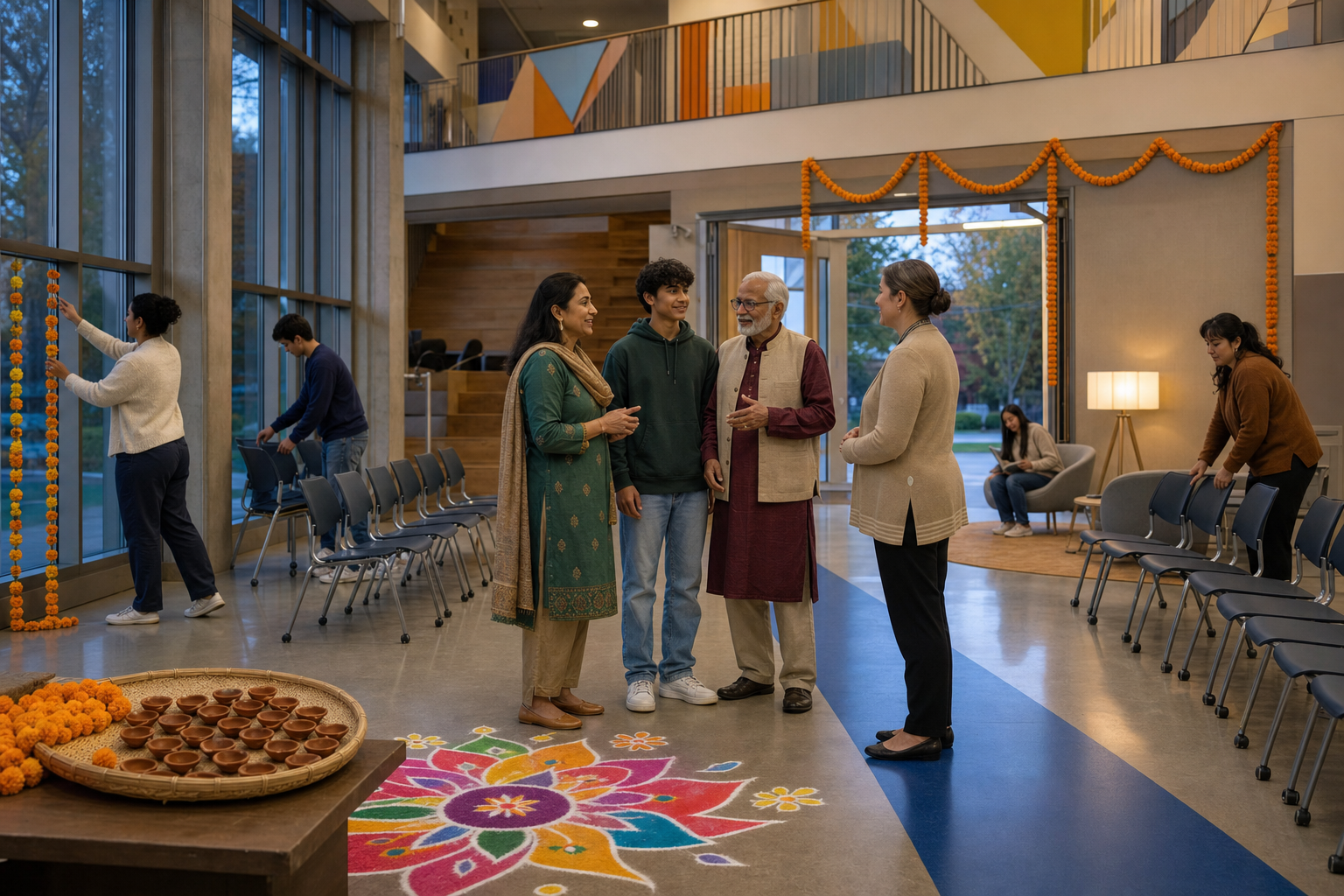
These developments are related, but they are not interchangeable. When you assess whether an institution genuinely recognizes Diwali, use four separate tests:
- Visibility: Does the institution acknowledge Diwali publicly and use its correct name?
- Understanding: Does it explain why the festival matters, rather than reducing it to lamps, sweets, or decorative imagery?
- Accommodation: Can people ask about scheduling, attendance, or observance without having to defend the legitimacy of the festival?
- Continuity: Is Diwali included in the institution’s regular planning, or remembered only when a promotional opportunity appears?
A global brand may perform well on the first test and poorly on the other three. A local school or employer may make no grand public gesture but provide thoughtful accommodation. Recognition becomes durable only when visibility and practice begin to reinforce each other.
The meaning must travel with the lamps
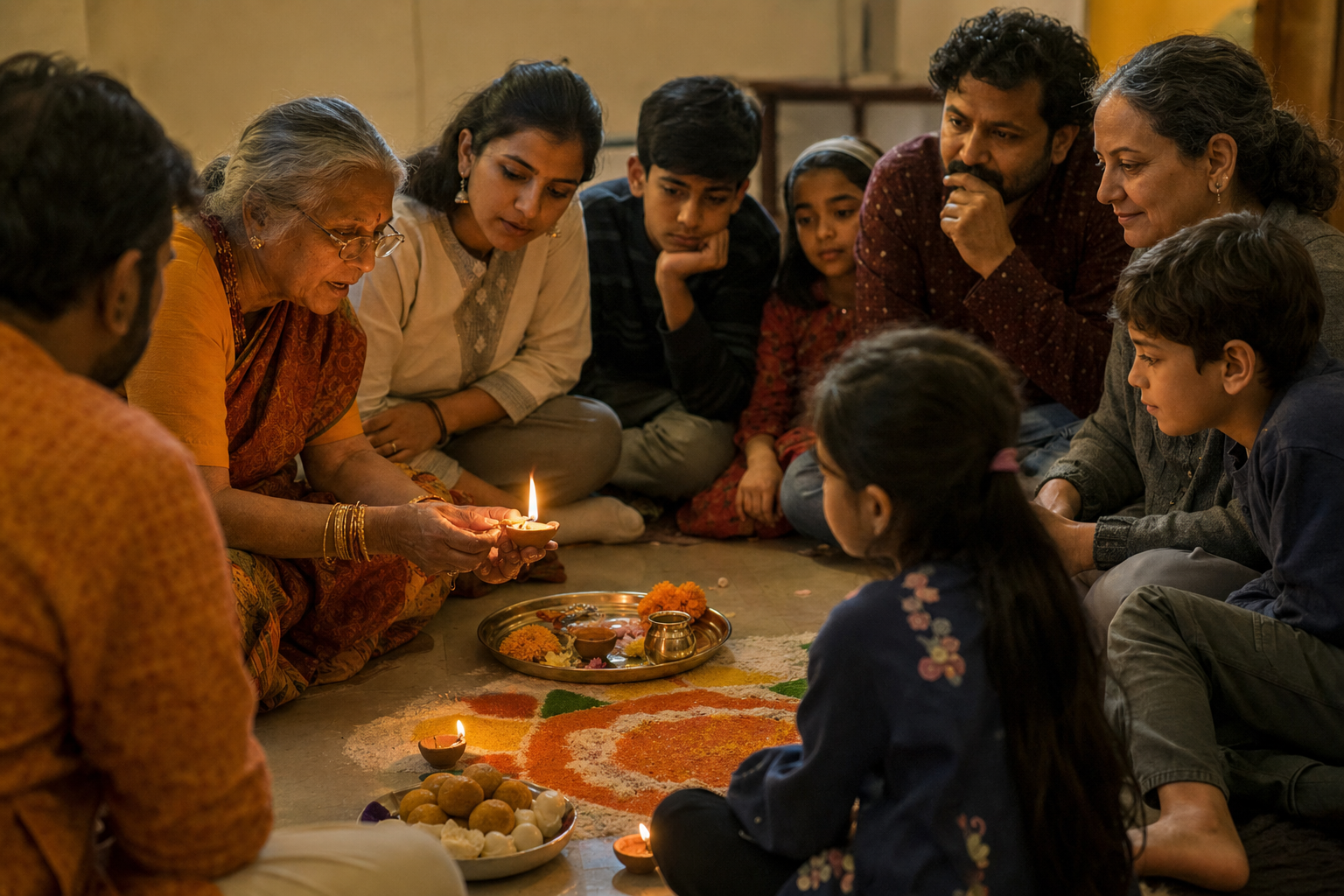
Diwali is commonly expressed through diyas, rangoli, sweets, and family gatherings. These practices are memorable because they bring beauty and warmth into a shared space. Their public appeal, however, can also make it easy to present Diwali as attractive decor without explaining what the celebration carries.
At its center is a moral language that can cross borders without losing its Dharmic grounding: light overcoming darkness, knowledge dispelling ignorance, and hope renewing human life. If you are explaining Diwali to a neighbor, colleague, class, or public audience, start there. The point is not that every person must interpret the festival identically. The point is that the visible practices have meaning.
A clear public explanation can be built in three sentences:
- Name Diwali as a major Hindu festival rather than using the vague label of a multicultural celebration.
- Explain its central symbolism through light, knowledge, hope, and renewal.
- Describe what will happen at your particular gathering, including whether it is devotional, cultural, educational, or a combination of these.
That third sentence prevents confusion. A family puja, a temple observance, a civic lamp-lighting, and a workplace lunch are not the same kind of event. Guests can participate more respectfully when you tell them what they are entering and what the host expects.
Inclusion also does not require erasing the festival’s Hindu identity. Themes of illumination, compassion, and renewal carry resonance across Hindu, Buddhist, Jain, and Sikh communities, but shared resonance should not be mistaken for identical histories or practices. If several Dharmic communities are represented at an event, let people describe their own relationship to the occasion. Do not force distinct traditions into a single scripted explanation merely to make the program look tidy.
Turn public attention into lasting community capacity
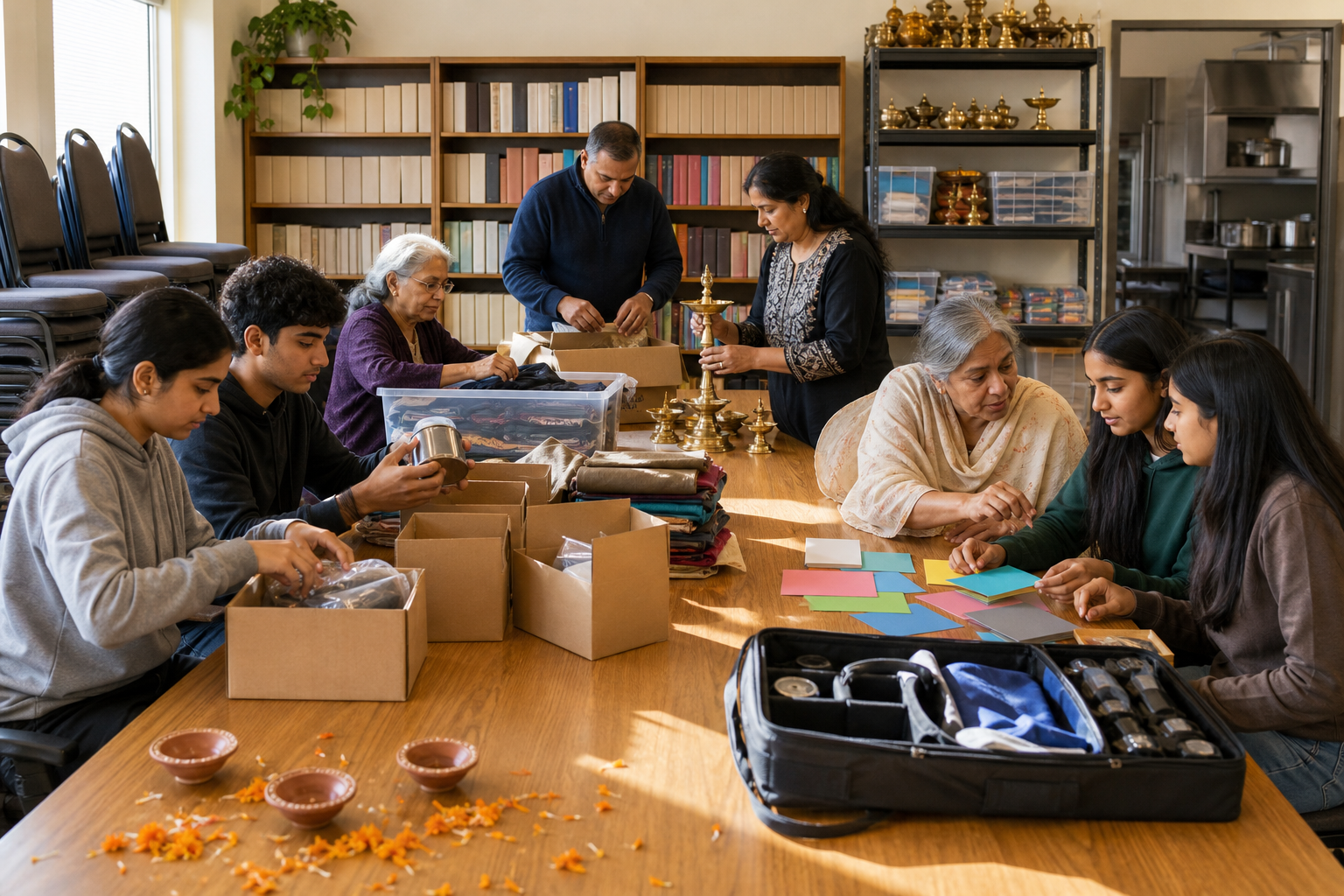
A greeting from a famous figure can create a moment of pride. The most useful response is to treat that moment as an opening. Families, temples, cultural associations, schools, and employee groups can use increased recognition to build resources that remain useful after the greeting disappears from public view.
- Put meaning wherever you put the date. An invitation, calendar entry, newsletter, or event page should include one direct sentence explaining Diwali. Do not make readers search elsewhere to learn why the gathering exists.
- Distinguish welcome from compulsory participation. Tell guests which activities are open to everyone and which are acts of worship. Someone can receive hospitality, observe a ceremony, or learn about a tradition without pretending to hold beliefs they do not hold.
- Discuss accommodation before the celebration. If Diwali affects your family’s school or work schedule, ask the relevant institution what arrangements are available before plans become fixed. A public-holiday announcement does not, by itself, tell you how every employer, school, or service will operate.
- Do not make one Hindu carry the entire explanation. A public event is stronger when organizers agree on the wording, identify knowledgeable speakers, and share responsibility. Visibility becomes a burden when the same person is repeatedly expected to represent every Hindu community and every Dharmic tradition.
- Leave behind something reusable. Give the institution a short description, an agreed event name, and a planning note for the following year. This turns a one-time celebration into institutional memory.
Before opening a celebration to a wider audience, the host should also settle four practical questions: Which community or tradition is leading it? Which parts are devotional? What conduct is expected during those parts? Who can answer questions without turning the ceremony itself into a running lecture? Clear answers protect both hospitality and sacred space.
This approach avoids two common errors. The first is hiding Hindu identity in the hope of making Diwali universally acceptable. The second is treating every outside guest as a threat to authenticity. Accurate naming and well-defined participation provide a better path between them.
Questions to ask about Diwali’s growing recognition
Does a celebrity Diwali greeting really matter?
It matters as a sign of mainstream visibility, especially when the speaker reaches an audience beyond India and the diaspora. It is not proof of deep cultural understanding. Look at what follows the greeting: Is Diwali named accurately? Is its meaning explained? Does the platform return to it consistently? Treat the greeting as an entry point, not the final measure of recognition.
Does California’s 2026 public holiday mean every institution will close?
Do not infer your personal school or work schedule from the public announcement alone. Check the official calendar used by your school, employer, local authority, or service provider. If you need time for observance or travel, ask the decision-maker directly and early enough for an arrangement to be considered.
Can people outside Dharmic traditions join a Diwali celebration?
Respectful participation can deepen intercultural understanding. A guest should follow the host’s guidance, listen before assuming, and ask whether a devotional action is open to them. An organizer should explain the event clearly enough that guests do not have to guess. Welcome works best when neither side treats participation as costume, performance, or entitlement.
Do shared Dharmic themes make all Diwali observances the same?
No. Light, compassion, knowledge, and renewal can provide common ground across Hinduism, Buddhism, Jainism, and Sikhism without making their observances interchangeable. When differences matter, let each participating community name them. Unity is more credible when it does not depend on flattening distinct traditions.
Ask for one deeper commitment this Diwali
Choose one place where Diwali is already visible in your life: a school calendar, workplace message, neighborhood event, sports platform, or civic program. Then ask for one concrete improvement. It might be an accurate one-sentence explanation, earlier scheduling, a clear accommodation process, a community speaker, or a permanent calendar entry for the following year.
That is how recognition matures. The goal is not simply more Diwali branding. It is accurate naming, room for observance, informed participation, and the confidence to share a Hindu festival without stripping away the tradition that gives it meaning.
References
