

If you live in the Sangli district city, run a business there, manage institutional records, or simply want to understand the decision, the immediate question is practical: should you start using Ishwarpur now, and what must actually be changed?
The Union Government has approved the change from Islampur to Ishwarpur. That settles an important stage of the process, but it does not make every signboard, database, certificate, postal record, and digital map change at the same moment. Your safest course is to recognise the approved name while letting formal notifications and instructions govern changes to official records.
What the Union approval settles, and what remains

The Maharashtra Government sent its proposal to the Union Government in July. The subsequent approval indicates that the required inter-departmental consultations have progressed. This is not merely a local suggestion or an informal campaign demand; the proposal has cleared the central approval stage.
Do not, however, infer a universal implementation date from the approval alone. A city name reaches daily use through several connected but separately managed systems. The expected sequence is:
- The Union approval establishes that the proposed change has cleared the central process.
- A formal government notification or administrative direction provides the operative reference for implementation.
- Public authorities begin updating civic records, electoral rolls, land records, official maps, postal systems, transport information, and signage within their respective responsibilities.
- Banks, schools, businesses, logistics providers, online directories, and digital map services bring their own records into alignment.
- Residents update address-dependent records according to the instructions of each issuing authority.
This sequence is a working expectation, not a confirmed timetable. No approval, by itself, tells you when a particular portal will replace Islampur with Ishwarpur or whether an already issued document must be reissued. Look for the official notification, its effective date, and instructions from the authority responsible for the record you need to change.
How residents should handle addresses during the transition

The main risk for residents is not that an old address suddenly becomes meaningless. It is that different systems adopt the new name at different times, creating a mismatch during verification, delivery, admission, banking, or property-related work. You can reduce that friction without altering documents prematurely.
- Keep the formal notice. When the government notification or a local civic circular becomes available, save a copy. Record its date and any stated effective date. This gives you a common reference when two offices use different versions of the city name.
- Maintain an old-to-new address note. Write down the address as it appears on your existing records and the corresponding address using Ishwarpur. Do not assume that the district, postal code, ward, or other address element has changed unless the responsible authority separately confirms it.
- Follow the issuing authority for official documents. Do not write over, annotate, or otherwise alter an identity document, certificate, land record, or institutional record yourself. An inconsistent or manually modified document can create a verification problem. Ask the issuing office whether an update is required and what evidence it accepts.
- Preserve continuity evidence. Keep older bills, receipts, letters, registrations, or other records carrying Islampur. They may help demonstrate that an old-name address and a new-name address refer to the same premises during the transition.
- Use both names where wayfinding allows it. For deliveries or non-legal contact information, a temporary reference such as Ishwarpur, formerly Islampur, can help a person or service recognise the location. In a fixed legal field or government portal, use the format that the responsible system officially accepts.
- Verify claims about deadlines and fees. If someone says every resident must immediately pay for replacement documents, check directly with the issuing authority before acting. Requirements can differ by record, and the city approval alone does not establish a universal replacement rule.
A phased transition is normal because the change must move through public services, banking, education, transport, postal systems, mapping, and administrative databases. Treat an old-name appearance as something to reconcile, not as proof that the approval has been reversed. Likewise, do not treat a newly painted signboard as sufficient authority for changing a regulated record.
What businesses and institutions should update first
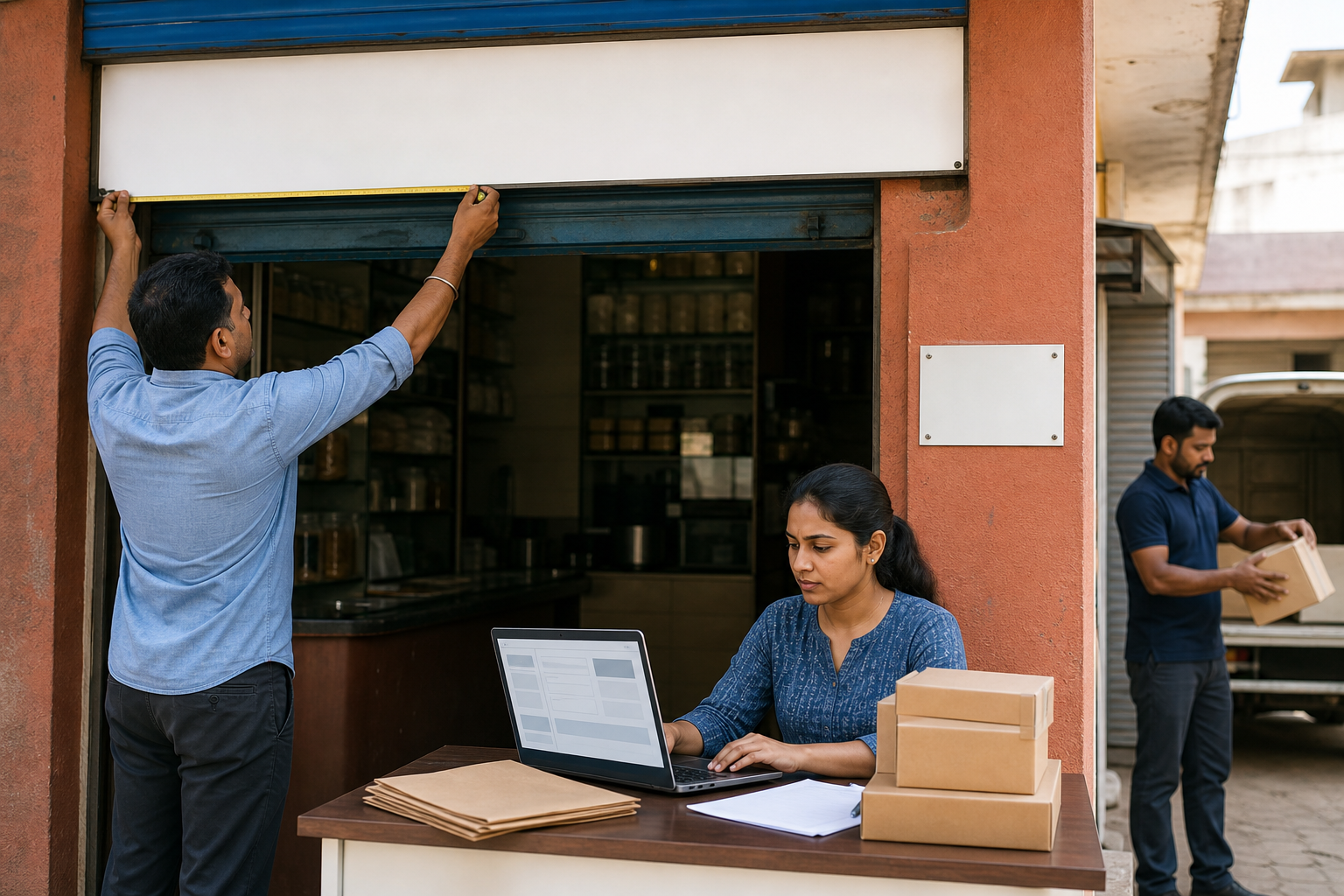
A business, school, temple, association, bank branch, or public office needs more than a new sign. The useful first step is an address crosswalk: one internal record showing the legacy form, the approved new form, the notification relied upon, and the status of every dependent system.
- Legacy form: Islampur, Sangli district, Maharashtra.
- Approved new form: Ishwarpur, Sangli district, Maharashtra.
- Authority field: the government notification or departmental instruction used for the change.
- Status field: pending, updated, or awaiting acceptance by an external system.
- Evidence field: confirmation number, dated correspondence, screenshot, or receipt showing that an update was submitted or accepted.
Then work in dependency order. Start with controlling and regulated records. Move next to service systems such as banking, education, postal operations, transport, and logistics. After that, update public-facing material such as letterheads, forms, websites, directories, and signboards. Digital maps and search listings belong in a final monitoring pass because their update cycles may not match the government timetable.
Do not run an unrestricted find-and-replace across every database. The decision concerns the city in Sangli district, Maharashtra, and similarly named places or historical references may need to remain unchanged. Match the city together with its district and state before replacing a record.
Give one person or team responsibility for the transition log. Without a clear owner, the visible sign often changes first while forms, map pins, mailing templates, and back-office records continue to disagree. Keep the old name as a searchable alias wherever the system permits it. That small step can prevent a customer, student, devotee, supplier, or courier from concluding that the institution has moved.
Cultural restoration should be joined to civic responsibility
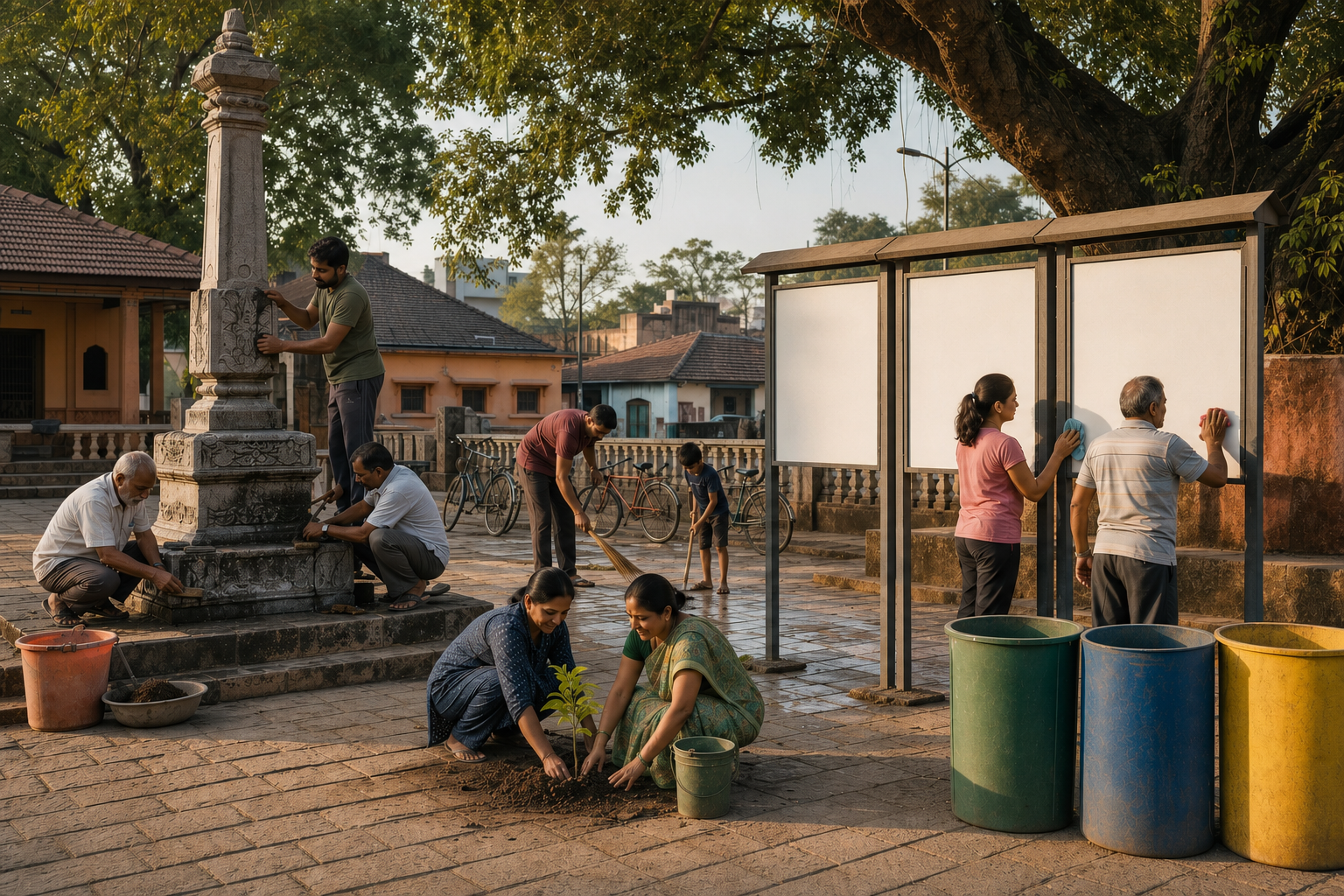
For a dharmic reader, Ishwarpur carries meaning beyond administrative convenience. The name invokes an inclusive sense of the divine and can be understood as an affirmation of cultural memory, local belonging, and civilizational continuity.
That meaning does not require hostility toward the people who share the city. A name can be welcomed as cultural restoration without turning neighbours into targets or treating civic life as a religious census. Dharma is not strengthened by harassment, careless accusation, or the humiliation of another community.
Supporters of Ishwarpur can make the case more effectively through three disciplines:
- Be precise about the decision. Say that the Sangli district city has received Union approval for renaming. Do not attach an invented deadline or claim that every database has already changed.
- Separate cultural argument from communal blame. Explain why Ishwarpur matters in terms of heritage, identity, and local sentiment. Do not assume that an ordinary resident who uses the old name is opposing the decision; that person may simply be following an unchanged document or map.
- Help with the transition. Share verified notifications, correct the exact city record, and help elders, small businesses, schools, and institutions understand which authority controls each update.
This is where cultural advocacy becomes durable. A renamed city should not merely display a new word; it should demonstrate that civilizational self-respect can coexist with administrative competence, social restraint, and concern for every resident.
Key takeaways
- The Union Government has approved Islampur’s renaming as Ishwarpur after a proposal from the Maharashtra Government.
- Approval is a decisive stage, but notification, database, signage, postal, transport, and map updates may occur on different schedules.
- Do not manually alter official documents or pay for replacements without instructions from the authority that issued the record.
- During the transition, preserve both address forms and use the district and state to prevent confusion with similarly named places.
- Businesses and institutions should maintain a crosswalk, update controlling records first, and keep Islampur as a searchable legacy alias where possible.
- A dharmic affirmation of Ishwarpur is strongest when expressed with factual precision, practical service, and respect for neighbours.
Your next move is simple: watch for the formal government and local administrative notifications, keep the old and new address forms together, and change each official record only through its responsible authority. If you discuss the decision publicly, circulate the verified name and jurisdiction rather than an unconfirmed deadline. That will help Ishwarpur take root in both cultural memory and competent civic practice.
References
