
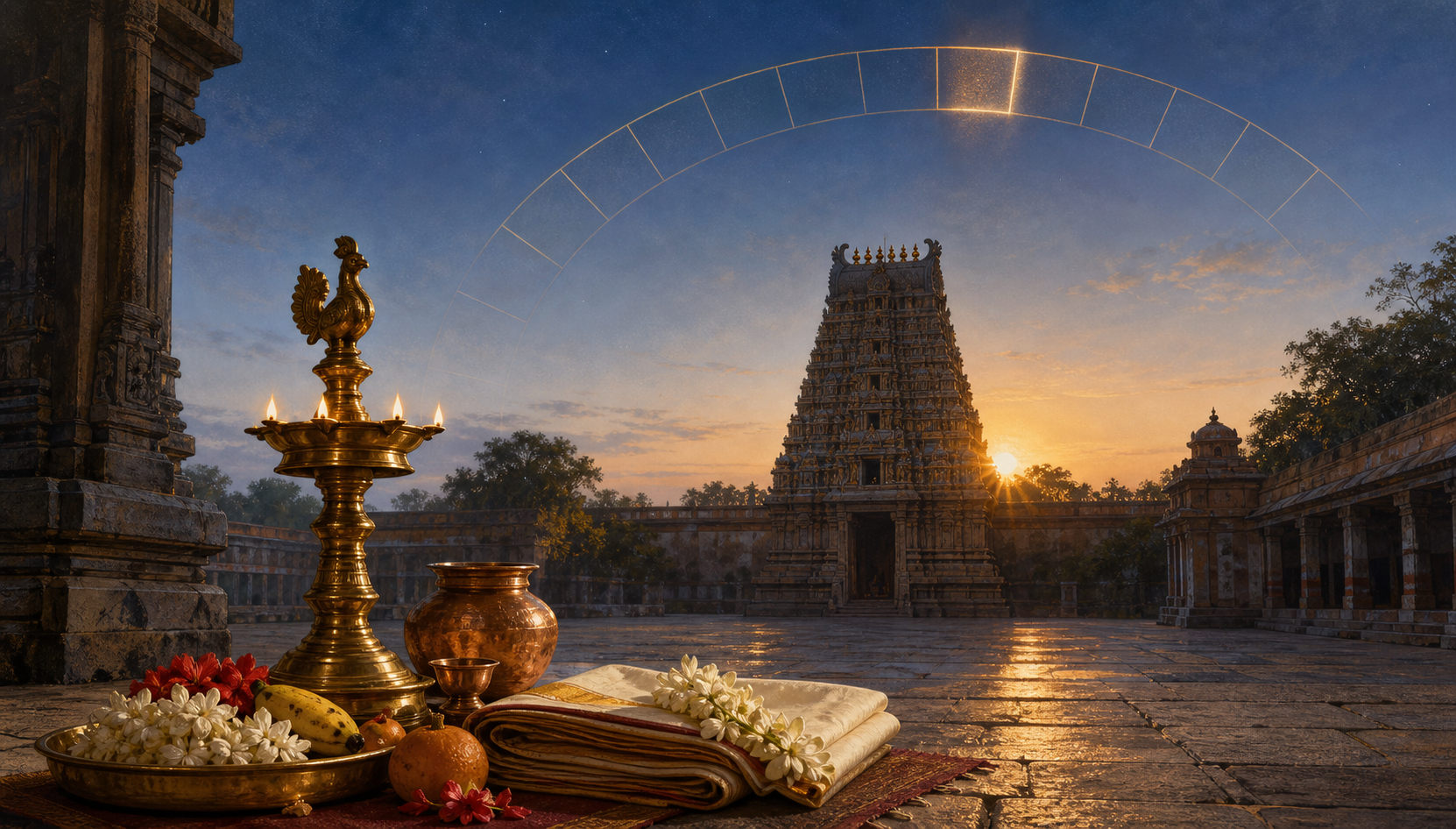
If your calendar shows Kumbha Sankranti and the beginning of Maasi on the same date, it is not listing the same observance twice. One marks the Sun’s precise ingress into Kumbha rashi; the other names the Tamil solar month that begins with that transition.
For 2026, the practical anchors are clear: Kumbha Sankranti falls on February 13, while Maasi runs from February 13 through March 14. What still requires local checking is the clock: the Sankramana moment, Punya Kala, Mahapunya Kala, sunrise, and temple schedule for your location.
Key takeaways
- February 13, 2026 is Kumbha Sankranti, the solar transition that begins Maasi in the Tamil calendar.
- Maasi continues through March 14, but its Pournami, Amavasya, and Magam or Makam observances must be found separately in a regional Tamil Panchangam.
- The Gregorian date is a planning anchor, not a substitute for the local Sankramana and auspicious-period timings.
- Sunrise arghya and the exact solar ingress are separate timing points; do not assume the ingress occurs at sunrise.
- A workable observance combines snana, Surya worship, japa or meditation, suitable vrata, and useful charity without making display the measure of devotion.
Keep the solar ingress, Maasi month, and lunar dates separate
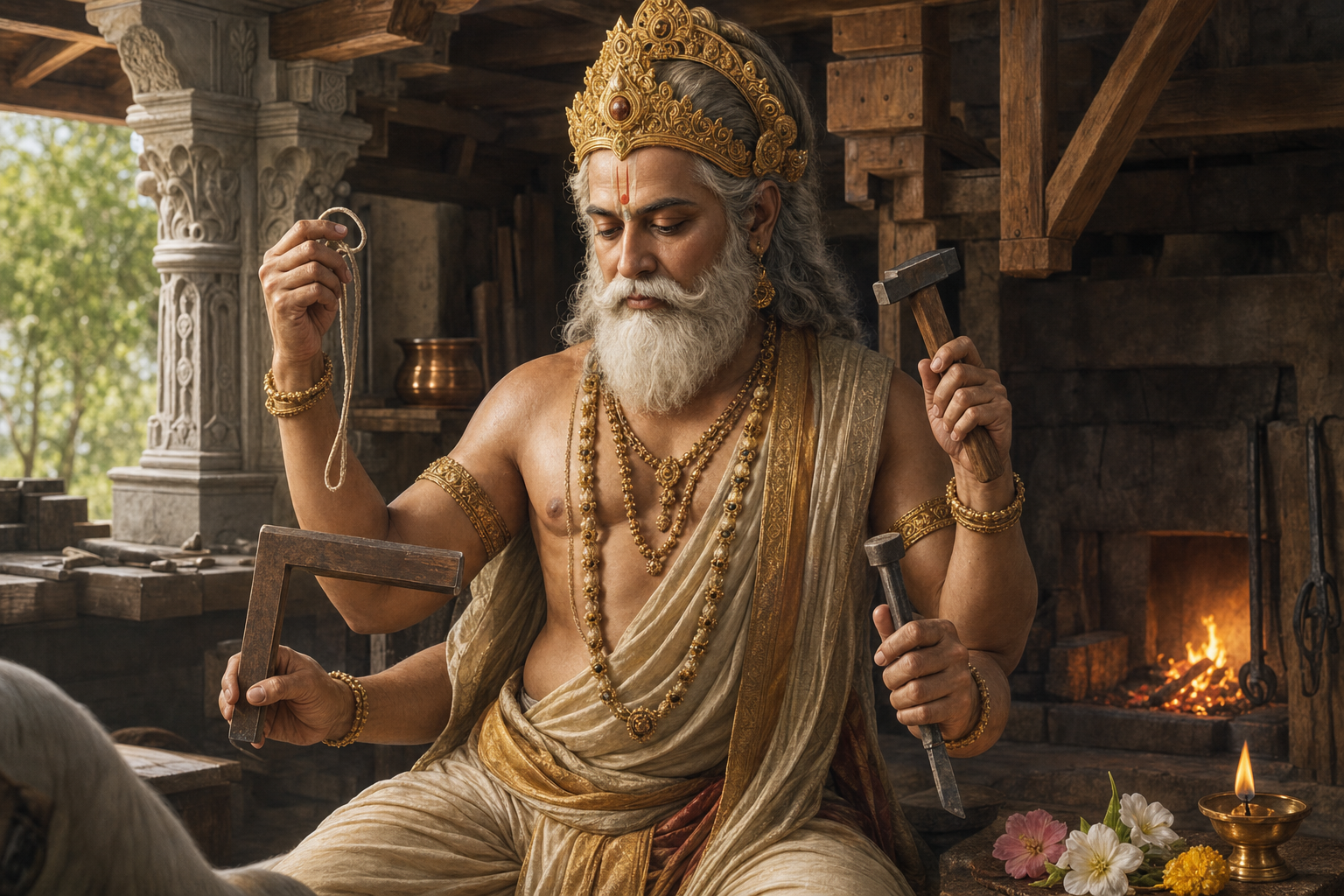
The easiest way to avoid calendar mistakes is to keep three layers distinct. Sankranti is a solar event. Maasi is the solar month opened by that event. Pournami and Amavasya belong to lunar reckoning, while temple festivals may also depend on regional practice and local schedules.
| Calendar layer | What it tells you | How to use it in 2026 |
|---|---|---|
| Kumbha Sankranti | The Sun moves from Makara rashi to Kumbha rashi | Begin with February 13, then obtain the local Sankramana, Punya Kala, and Mahapunya Kala |
| Maasi | The Tamil solar month associated with the Kumbha ingress | Use February 13 through March 14 as the monthly frame for Shiva worship, ancestral remembrance, and family observances |
| Lunar and temple observances | Maasi Pournami, Amavasya, Magam or Makam, processions, and temple rites | Enter them only after checking a regional Tamil Panchangam and the relevant temple calendar |
This distinction matters most when someone copies a single date into the family calendar and treats it as the date for every Maasi rite. February 13 identifies the Sankranti and the opening of the month. It does not, by itself, identify Maasi Pournami, Maasi Amavasya, or the local Magam or Makam celebration.
The same solar threshold also appears under different regional month names. The Kumbha ingress inaugurates Masi in the Tamil calendar, Kumbham in the Malayalam calendar, and Kumbha masa in Kannada solar reckoning. Mixed-region families may therefore be discussing the same solar transition even when the names on their calendars differ.
There is another apparent contradiction worth clearing up. In a January-to-December list, the twelve Sankrantis run from Makara through Dhanu. In the traditional solar-year sequence beginning with Mesha Sankranti, Kumbha Sankranti is the eleventh transition and the penultimate one. The count changes because the starting point changes, not because a Sankranti has been omitted.
Finally, use a Panchang calculated for the place where you will observe. If you live outside Bharat, an Indian Standard Time entry is not your local ritual time. Even within the same country, the published sunrise and associated auspicious windows may not match another city. Save the calendar’s location along with the timing so that no one later mistakes a borrowed clock time for a local one.
A workable Kumbha Sankranti observance for February 13
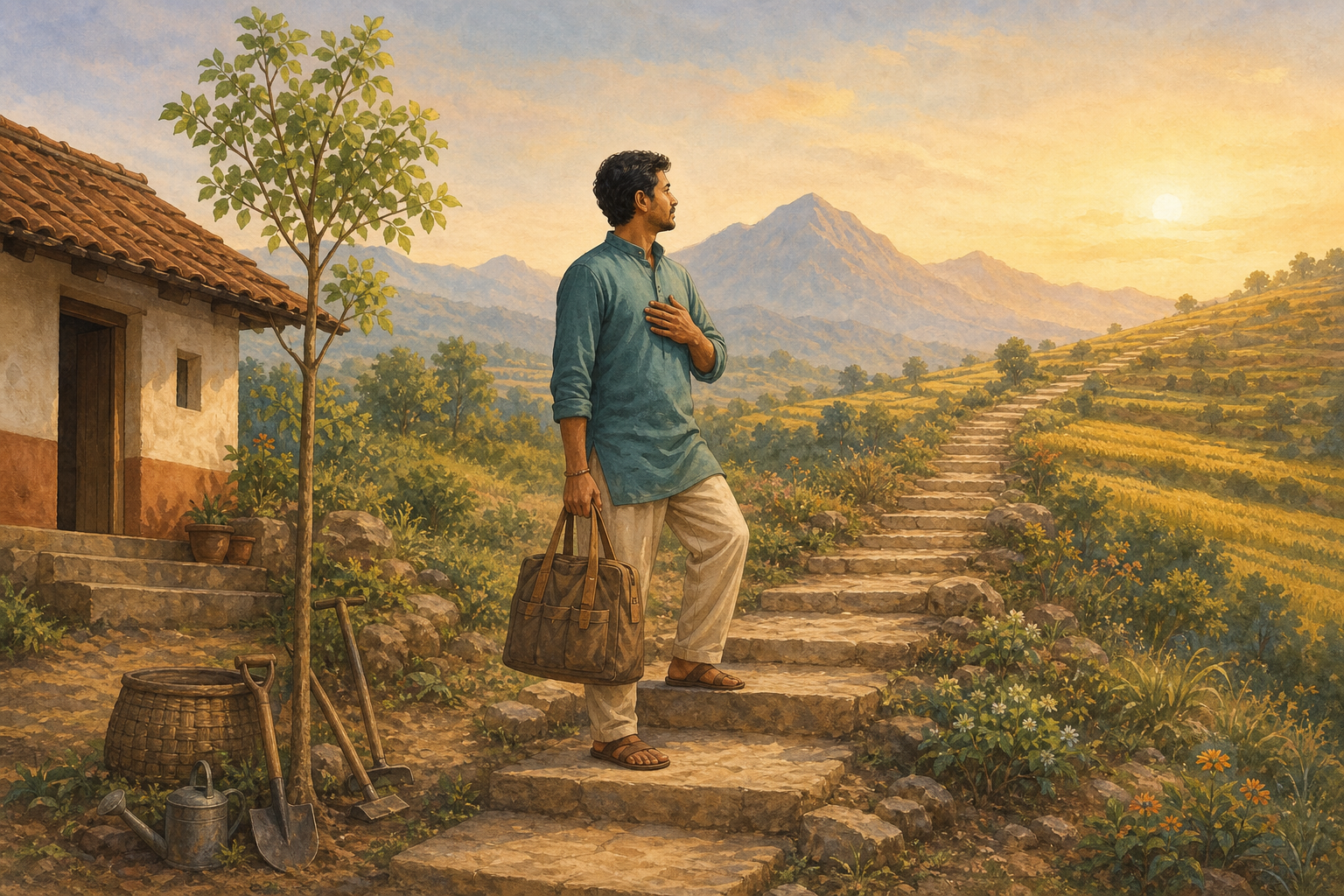
You do not need an elaborate home ceremony to observe Kumbha Sankranti meaningfully. You do need to decide which parts are tied to sunrise, which are tied to Punya Kala, and which can be prepared in advance.
- Check the local calendar before fixing the puja time. Record the Sankramana moment, Punya Kala, Mahapunya Kala if listed, and local sunrise as separate entries. Add a temple schedule separately rather than assuming it follows the household window.
- Begin the day with snana and Surya arghya. An early bath and an offering of water to Surya create a simple, disciplined opening. Sunrise arghya remains a sunrise practice even when the exact ingress occurs at another time.
- Keep the worship focused. Light a diya and choose a manageable period of Surya prayer, hymn recitation, japa, or dhyana. A shorter practice completed attentively is more useful than an ambitious sequence abandoned halfway through.
- Place a time-sensitive act inside the auspicious window where possible. If your Panchang supplies Punya Kala or Mahapunya Kala, reserve that period for prayer, japa, or the completion of your Sankranti charity rather than treating the entire civil day as one undifferentiated muhurta.
- Make daana concrete. Suitable choices mentioned in Sankranti practice include annadanam, sesame, jaggery, warm garments, or seasonal food. Choose something the recipient or community can actually use, arrange it beforehand, and avoid turning the act into a display.
- Fast only if it is appropriate for your health. Upavasa is one possible discipline, not a test of sincerity. If food restriction is unsuitable, retain the devotional and ethical core through restraint, prayer, meditation, and service.
When the exact window is difficult to observe
Separate a personal devotional observance from a formally inherited vrata. For a simple household practice, complete what you can with steadiness and do not pretend that a later act occurred within an earlier window. If your family vrata prescribes exact steps or timing, follow the family tradition, temple instruction, or a trusted priest familiar with that observance.
Charity also has a practical dimension. You can prepare food, garments, or other materials in advance so that the act of giving falls within the intended period without creating waste or inconvenience. The point is disciplined generosity, not forcing a recipient to fit an impractical ritual schedule.
Turn Maasi into a month of practice, not one crowded day
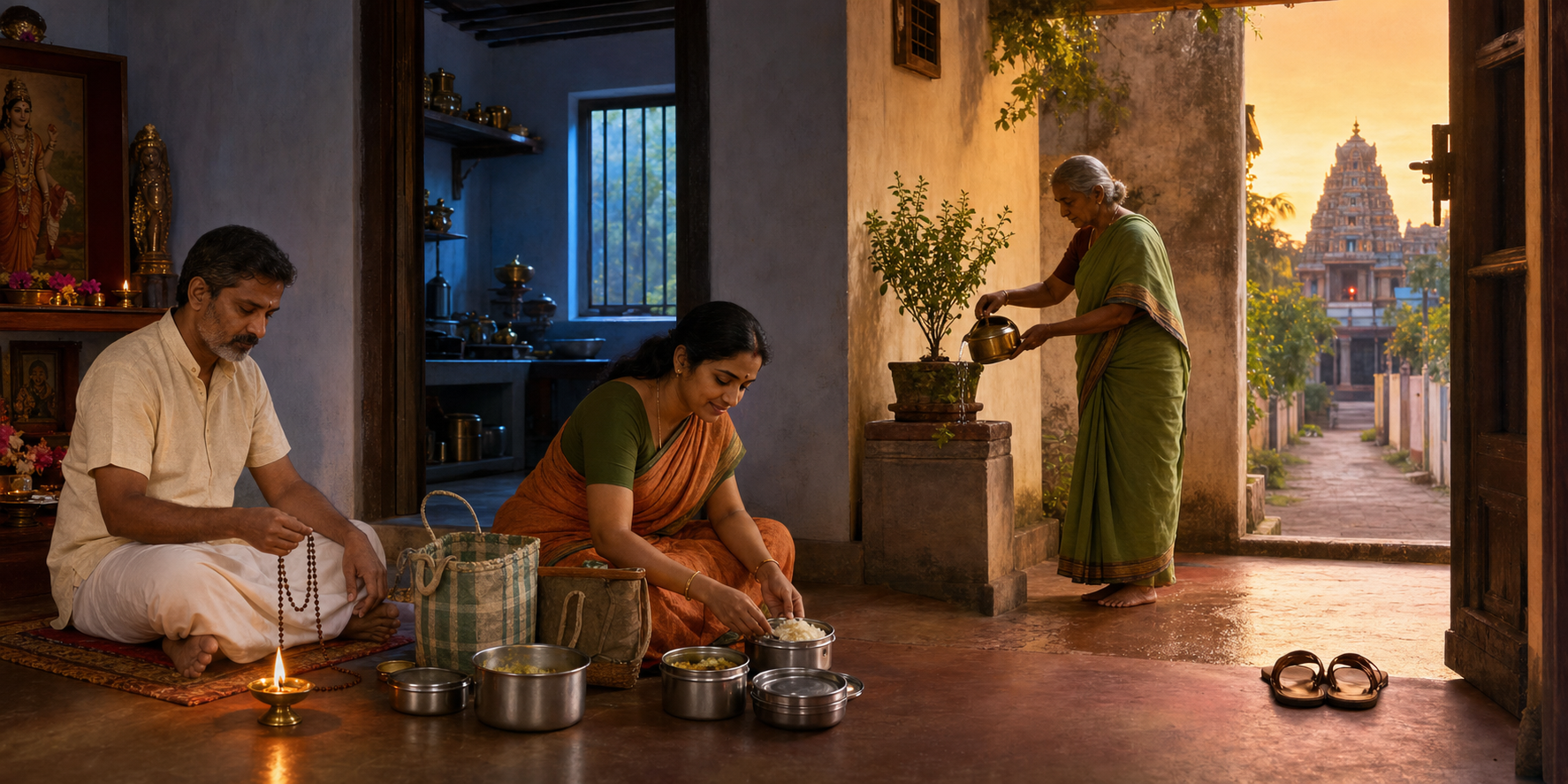
Maasi is traditionally oriented toward Shiva-bhakti and remembrance of the Pitru Devatas. That gives the month two complementary movements: devotion toward the divine and gratitude toward the ancestors through whom family memory, obligation, and culture continue.
- Mark the boundaries first. Enter February 13 as the beginning of Maasi and March 14 as its conclusion. Then add the local dates for Maasi Pournami, Amavasya, and Magam or Makam from a Tamil Panchangam.
- Choose a sustainable Shiva practice. This may be a regular diya, Shiva japa, contemplative worship, or temple darshan. Decide the practice before the month starts so that devotion does not depend on finding spare time after everything else.
- Plan ancestral remembrance deliberately. Locate the relevant Amavasya and prepare for tarpanam according to your family tradition. If you do not know the inherited procedure, seek guidance rather than assembling a complex rite from unrelated checklists. Charity in an ancestor’s memory can accompany the observance.
- Verify public observances locally. Maasi celebrations may include temple processions and movement toward sacred water bodies, but the route, hour, and ritual form are local. Use the temple’s announced programme instead of assuming that a general calendar supplies those details.
- Distinguish an auspicious month from a specific muhurta. Maasi is regarded as favourable for educational beginnings, project foundations, griha pravesh planning, and marriage-related preparations. That does not make every hour of the month equally suitable. Select the actual muhurta separately where your tradition requires one.
A family observance becomes stronger when it preserves memory as well as procedure. Ask elders to explain whom the household remembers during ancestral rites, record the names that should not be lost, and let younger family members take part in an appropriate way. Eco-conscious offerings, food sharing, and temple-led seva keep the month connected to living responsibility rather than ritual consumption alone.
If your household includes followers of different Dharmic traditions, do not flatten their distinct rites into a generic ceremony. Shared commitments such as self-discipline, compassion, truthful conduct, remembrance, and service can support a common act of food donation or community care while each person retains the integrity of his or her own tradition.
Build the rest of the 2026 Sankranti calendar without guessing
Masik Sankranti offers a repeatable solar rhythm across the year. In the civil-year sequence, the Sun enters Makara, Kumbha, Meena, Mesha, Vrishabha, Mithuna, Karka, Simha, Kanya, Tula, Vrischika, and Dhanu. Makar Sankranti carries broad national prominence, while Mesha Sankranti aligns with solar New Year observances in parts of Bharat. Regional emphasis changes, but the planning method remains the same.
- Create a separate calendar entry for each local solar ingress rather than copying a generic all-India list of clock times.
- Record the entering rashi, local Sankramana moment, Punya Kala, Mahapunya Kala where supplied, and sunrise.
- Add the regional solar-month name used by your household so that Tamil, Malayalam, Kannada, and other calendars are not mistaken for unrelated events.
- Note any associated temple or community programme independently; its schedule is administrative and local even when the sacred date is shared.
- Choose one devotional discipline and one act of daana for that Sankranti. Repetition is a strength here: a modest practice that returns every solar month creates continuity.
- Review lunar observances separately. Never infer an Amavasya, Pournami, or other tithi from the Sankranti date.
For the February entry, write more than just the festival name: record “Kumbha Sankranti – verify local Punya Kala; Maasi begins.” Keep March 14 as the Maasi boundary, then add the month’s lunar and temple dates only after checking the appropriate calendar. That small distinction prevents most of the confusion between a solar ingress, a solar month, and the observances held within it.
Your practical plan can remain simple: one Surya practice on Sankranti, one steady Shiva discipline during Maasi, one properly timed act of ancestral remembrance, and one useful act of charity. Let the local Panchang supply the clocks; let consistency and service supply the substance.
References
- Hindu Pad – Masik Sankranti 2026: Powerful Sun Transits, Monthly Dates Overview, and Vratham Guide
- Hindu Pad – Kumbha Sankranti 2026 (13 Feb): Auspicious Sun Transition to Aquarius, Rituals, and Unity
- Hindu Pad – Maasi Masam 2026 (Masi Month): Sacred and Auspicious Tamil Dates, Shiva Worship, and Ancestral Rites
