

July 14, 2026 is best understood as a transition day rather than a single, uninterrupted observance window. The supplied DharmaRenaissance Blog Panchang account reports Amavasya until mid-afternoon, followed by the first tithi of the waxing lunar fortnight.
The practical task is to distinguish the reported tithi boundary from a universally applicable ritual deadline. Local sunrise, location-based calculations, regional custom, and family tradition can all affect how the observance is followed.
The day turns on a mid-afternoon tithi change
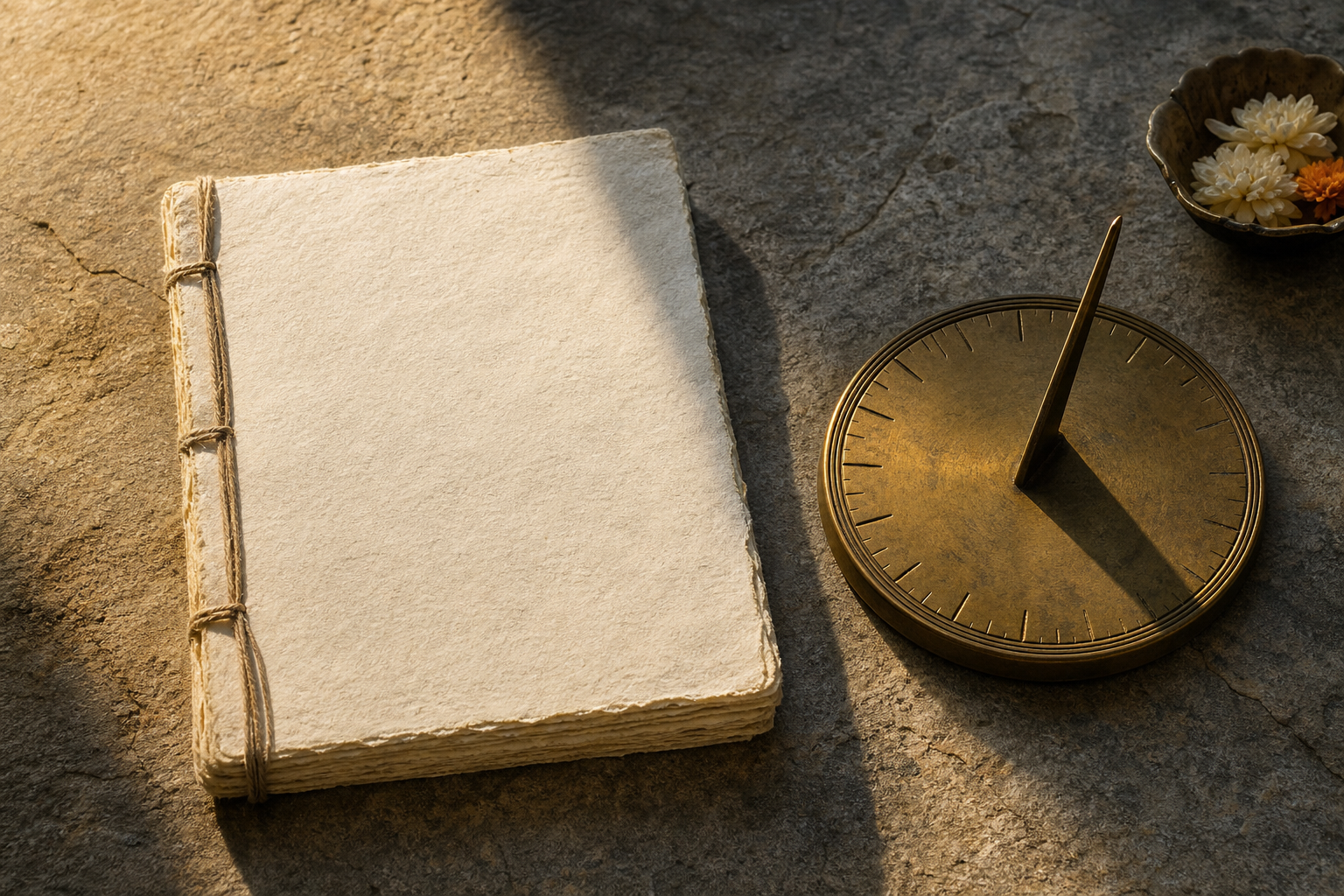
According to the source, Amavasya continues until 3:37 PM on Tuesday, July 14, 2026. Shukla Paksha Pratipada then begins and continues until 1:22 PM on July 15. The civil date therefore contains two lunar phases: the completion of Krishna Paksha and the opening of Shukla Paksha.
A tithi is determined by the changing angular relationship between the Sun and Moon, so its beginning and end do not necessarily coincide with midnight. This is why a Panchang observance cannot always be inferred from the date printed on an ordinary calendar.
The reported times should also be read with an important limitation: the supplied text does not identify the location or time zone for the calculation. Because Panchang timings vary geographically, devotees should confirm the boundary in a regional Panchang before using it for a formal rite.
Key takeaways
- The source reports Amavasya until 3:37 PM on July 14, followed by Shukla Paksha Pratipada.
- Amavasya-related practices may generally be aligned with the period before that transition, subject to local rules.
- The source reports that Pratipada continues until 1:22 PM on July 15.
- A tithi boundary alone does not establish a complete muhurat for ceremonies, travel, or major undertakings.
Observance is guided by purpose as well as clock time
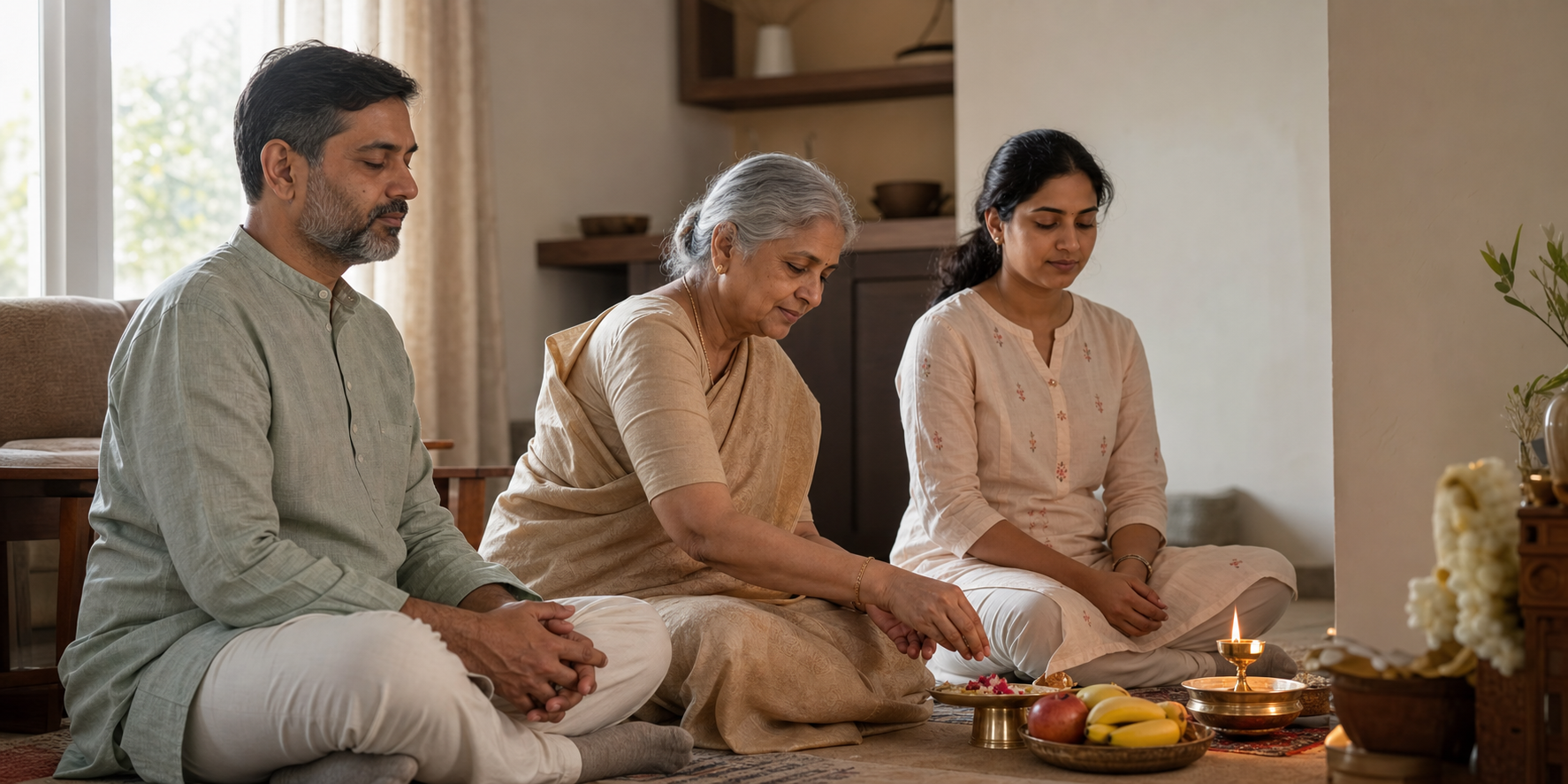
The source associates Amavasya with introspection, restraint, prayer, ancestral remembrance, and quiet spiritual discipline. It also notes that households may offer water, perform tarpan according to their tradition, follow simple food discipline, visit a temple, recite mantras, meditate, or give charity.
These are not presented as one mandatory programme. Their form can differ across regions, sampradayas, lineages, and families. The shared principle is remembrance expressed through gratitude, humility, and ethical responsibility rather than ritual uniformity.
For someone following the reported timing, observances specifically tied to Amavasya would generally be considered before 3:37 PM. Yet a practice governed by the tithi prevailing at sunrise, a family convention, or a priestly instruction may require a different application. The published cutoff is therefore a starting point for planning, not a substitute for the rule governing the particular observance.
A tithi cutoff is not a complete muhurat
The source cautions against treating the arrival of Pratipada as automatic approval for every new activity. Traditional muhurat assessment may consider nakshatra, rashi, karana, yoga, weekday, lagna, local sunrise, and the intended purpose alongside the tithi.
This distinction matters because a lunar phase can carry a broad cultural association without determining the suitability of a specific action. Shukla Paksha is commonly connected with emergence, growth, study, worship, and constructive effort, but those themes do not replace a full Panchang assessment.
The supplied article does not name the nakshatra or rashi for July 14. Those details should consequently be checked rather than inferred, especially before scheduling a vrata, ceremony, journey, or other undertaking that depends on a precise muhurat.
From inward attention to a new lunar cycle
The movement from Amavasya to Pratipada gives the date its wider spiritual coherence. Amavasya represents completion, stillness, and an inward turn; Pratipada marks the first step into the waxing phase. Renewal is thus approached as something prepared through reflection rather than separated from it.
Those preparing for July 14 can use that sequence constructively: first identify the observance being followed, then confirm the local tithi and sunrise rules, and finally seek lineage-specific guidance where the rite requires it. That approach preserves both the meaning of the day and the precision expected in Panchang practice.