
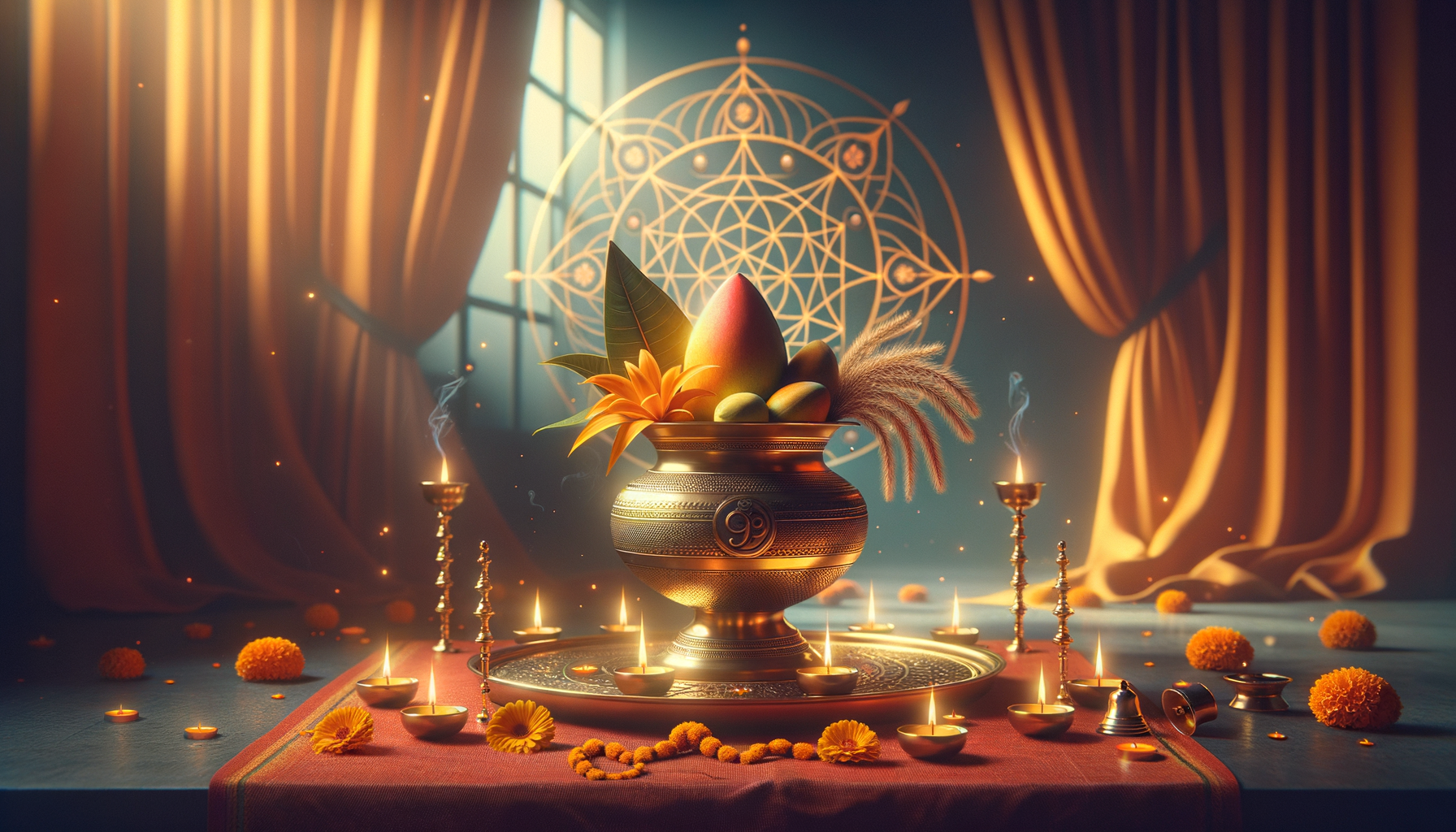
Gupt Navratri 2026, also known as Magha Navratri, begins on 19 January 2026 and concludes on 27 January 2026. Observed during the Shukla Paksha of Magha maas (Magh month), this nine-night festival honors Goddess Shakti and invites a focused period of prayer, restraint, and inner renewal early in the year. For devotees planning Navratri in January 2026, these dates offer a clear framework for vrat, daily worship, and community participation.
Magh Navratri is called Gupt Navratri because many of its observances emphasize quiet, inward-facing sadhana. While temple celebrations and family rituals remain central, the festival’s tenor encourages contemplation and subtle, disciplined practice. Each day traditionally venerates a distinct aspect of the Divine Motherrevered across Hindu traditions as Shaktithereby guiding worship toward courage, clarity, compassion, and spiritual steadfastness.
Across the nine days, households often begin with Ghatasthapana (Kalash Sthapana) on Pratipada and conclude with special prayers or a homa on Navami. Common practices include daily puja, lighting a deepam, reciting Durga Saptashati (Devi Mahatmyam) or Lalita Sahasranama, and observing fasting (vrat) in forms suitable to one’s health and tradition. Many follow the familiar sequence of worship associated with NavaratriShailaputri, Brahmācharini, Chandraghanta, Kushmanda, Skandamātā, Katyayani, Kalaratri, Mahagauri, and Siddhidatrihighlighting the Goddess’s protective and transformative grace.
In many regions, families describe the distinctive calm of winter mornings during Magha maas: lamps lit before dawn, incense rising with quiet mantras, and the shared rhythm of simple sattvic meals during vrat. Such routines help anchor attention, reduce distraction, and nurture equanimityqualities that are valuable in both personal life and community engagement.
The spiritual ethos of Gupt Navratriself-discipline, non-harm, seva, gratitude, and reverence for the sacred feminineresonates with core values cherished across dharmic paths in Hinduism, Buddhism, Jainism, and Sikhism. While the festival is distinctly Hindu, its call toward inner purification, compassion, and unity in diversity strengthens shared civilizational bonds and underscores a collective commitment to harmony.
Regional calendars may present slight variations in observance based on local sunrise, moonrise, and tithi calculations. For precise timingsespecially for Ghatasthapana, daily upasana windows, and Navami conclusionpractitioners are advised to consult a trusted local Panchang or the guidance of temple authorities. Planning in advance helps align family rituals, community gatherings, and personal sadhana with the most auspicious periods.
For those seeking a purposeful start to the year, Gupt Navratri in January 2026 offers a structured, auspicious interval to set intentions, refine daily practices, and reconnect with the compassionate strength of Goddess Shakti. The festival’s gentle emphasis on quietude and consistency makes it an ideal time to cultivate habits that endure well beyond the nine nights.
Inspired by this post on Hindu Pad.
