
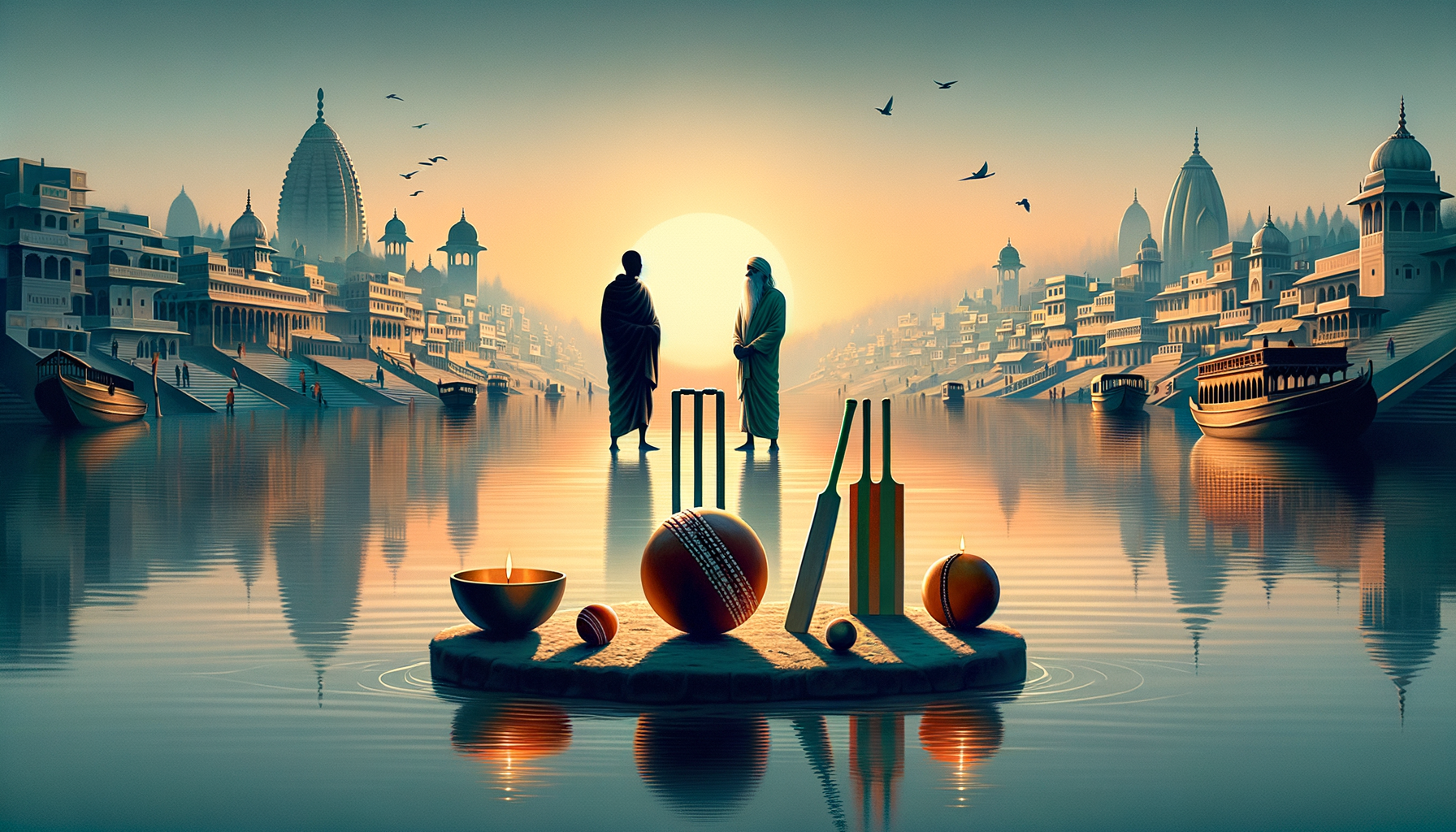
Haridwar saints have expressed opposition to the inclusion of Bangladeshi cricketers in IPL 2026, warning of protests following Kolkata Knight Riders (KKR) signing Mustafizur Rahman. The development has drawn national attention, prompting debate on sports diplomacy, communal harmony, and ethical selection within Indian cricket. As discussions intensify, stakeholders across India and Bangladesh are weighing the implications for cricket, society, and cross-border relations.
Statements emerging from religious circles reflect perceived grievances and anxieties tied to India–Bangladesh relations and prevailing public sentiment. While the warnings of protests signal deep concern, they also underscore the need for responsible civic engagement so that sporting events do not exacerbate tensions. Observers note that cricketgiven its wide reachcan either amplify divisions or foster dialogue, depending on how institutions, community leaders, and fans respond.
Within dharmic traditionsHinduism, Buddhism, Jainism, and Sikhismshared ethical commitments to ahimsa, compassion, and dialogue provide a constructive path forward. Community voices advocate calm, interfaith dialogue, and cooperative engagement with the Board of Control for Cricket in India (BCCI), IPL franchises, and local leaders. In this spirit, many emphasize that cricket has historically functioned as a bridge across communities and borders, aligning with the ideal of “Vasudhaiva Kutumbakam” while strengthening communal harmony.
Practical steps can help de-escalate the situation and sustain trust. Transparent communication from IPL authorities and franchises on selection criteria, player conduct expectations, and mechanisms for community feedback would reduce speculation. Structured consultations with representatives from Haridwar and civil societyalongside clear assurances on player safety and fan codes of conductcan uphold both the rule of law and inclusive sporting values. Peaceful, lawful expression remains essential, yet leaders stress avoiding actions that could inflame communal sentiment.
For many families, cricket evenings are shared rituals where neighbors of different faiths cheer the same boundary. Preserving that space of togetherness calls for restraint, empathy, and a renewed focus on sportsmanship. Educational initiatives, youth cricket clinics, and cultural exchanges between India and Bangladesh can convert controversy into collaboration, advancing interfaith understanding and reinforcing dharmic unity on and off the field.
As IPL 2026 approaches, a balanced approachacknowledging the Haridwar saints’ concerns while reaffirming unity among dharmic traditionscan ensure the tournament reflects India’s commitment to Unity in Diversity. Calm, dialogue, and transparent communication are the most effective responses to safeguard communal harmony, support interfaith relations, and keep cricket a shared national celebration rather than a source of division.
Inspired by this post on Hindu Jagruti Samiti.
