
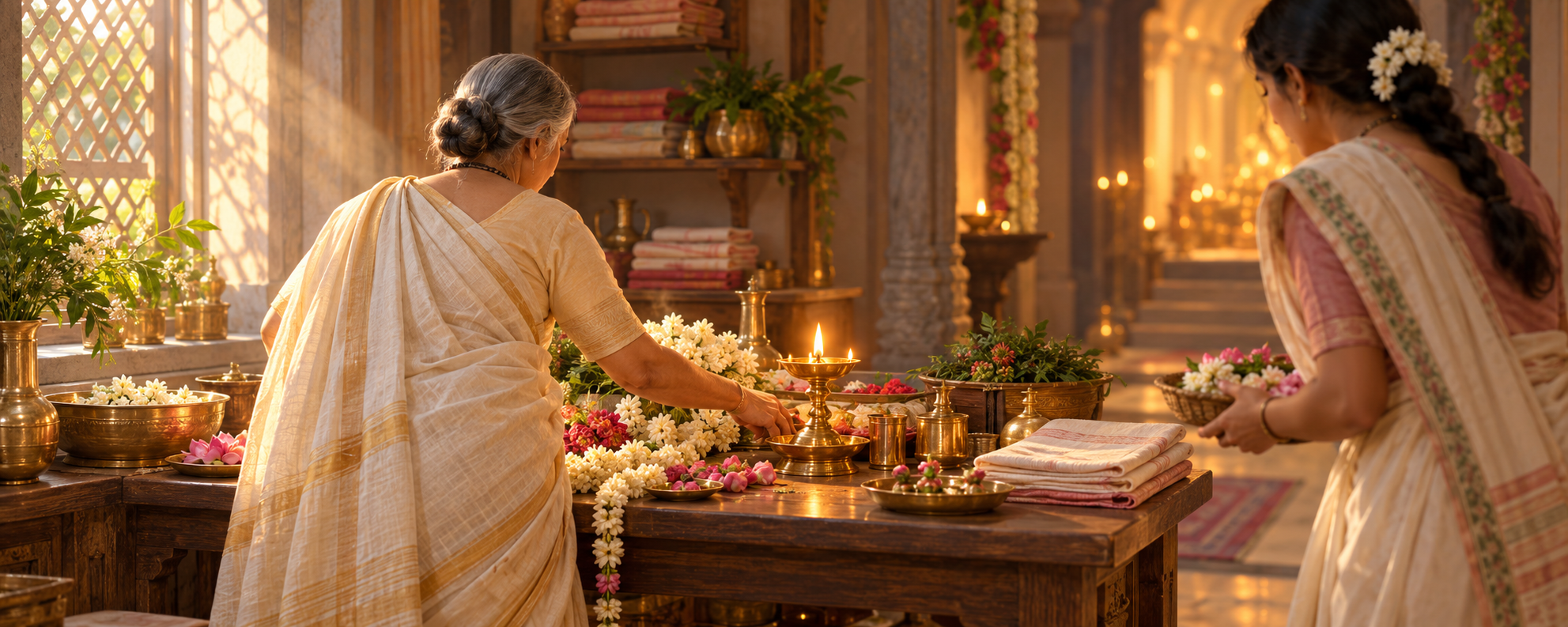
If you have come here grieving Shanti Rupa Devi Dasi, a list of virtues will not be enough. The more faithful question is this: what should change in your own service because she lived?
That question also gives those who never met her a meaningful way to remember her. Her life shows how guru-bhakti becomes visible in ordinary decisions: whom you notice, how carefully you complete a task, whether you make room for another devotee, and what you do when service becomes difficult.
Remember the whole devotee, not only her suffering

Shanti Rupa Mataji endured serious physical suffering and underwent dialysis almost daily. Yet those around her chiefly encountered her radiant smile, encouragement and reluctance to seek sympathy. Her pain was real, but she did not allow it to become the centre of every relationship.
This should not be reduced to a vague claim that she was strong. The important pattern is more precise: when her body imposed severe limits, she kept directing attention toward Krishna, her spiritual master and the devotees. She was still thinking about worship, prasadam, temple programmes and the people who might need encouragement.
When you speak about her, therefore, do not let illness swallow the rest of her life. Ask questions that recover the person behind the final period of suffering:
- Which instruction did she continue to carry when circumstances became difficult?
- Whom did she encourage when that person was ready to withdraw?
- What unnoticed task did she perform with unusual care?
- What did she teach by her conduct rather than by formal instruction?
Her consistency also appeared in public life. Long before one devotee who knew her became initiated, Mataji encouraged her to wear a sari and embrace Vaishnavi culture. Mataji herself had continued wearing a sari in her professional life after encouragement from His Holiness Bhakti Charu Swami Maharaj. Krishna consciousness was not a compartment reserved for the temple.
The lesson is not that every devotee must reproduce every external detail of her life. It is that conviction should survive the transition between temple, home and workplace. To apply that lesson, identify the place where your devotional identity becomes least visible. Then choose a practice that can be carried there honestly and consistently, without display or hostility toward others.
Her seva joined exactness with invitation
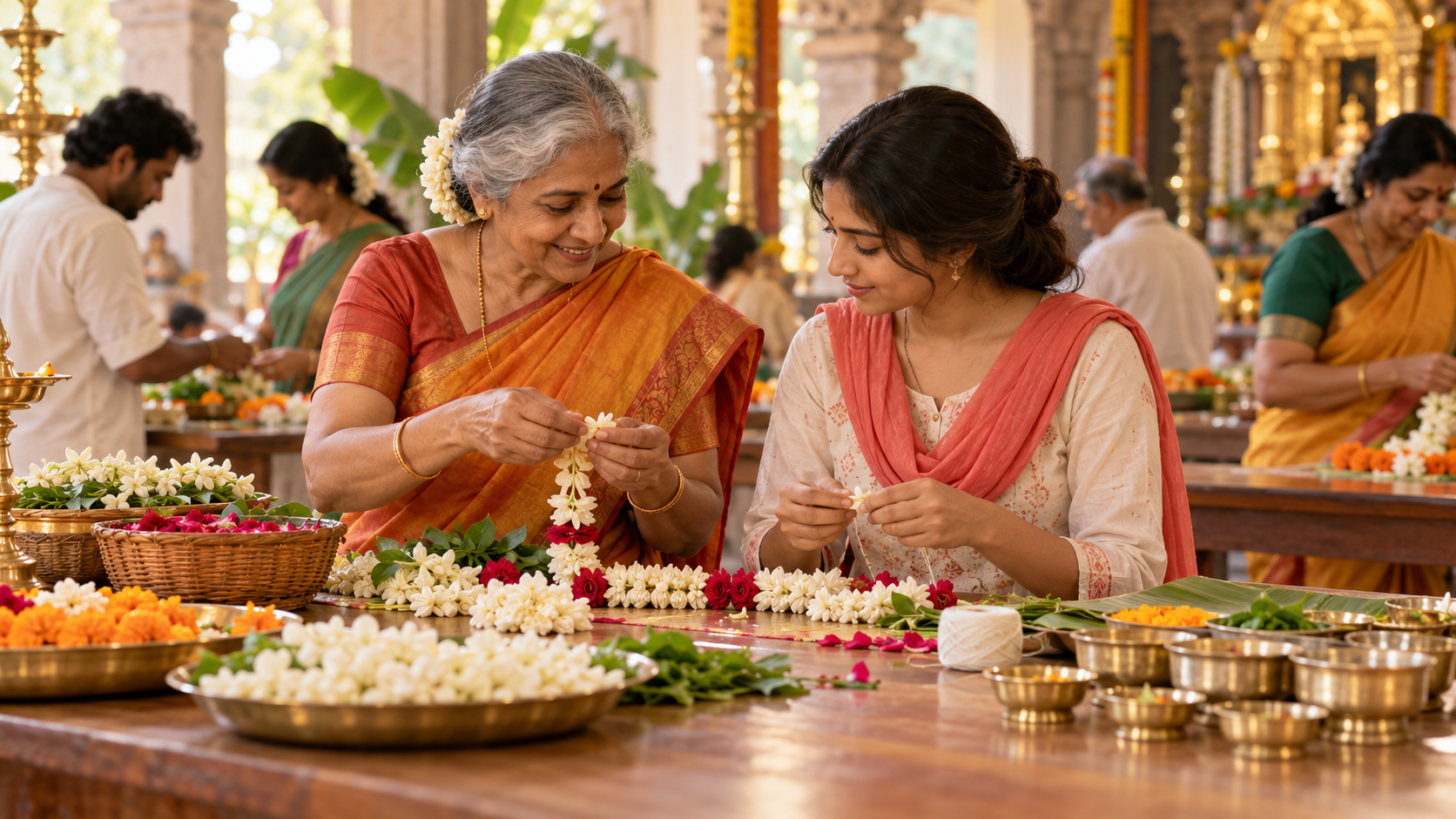
Mataji’s range of service was remarkable. She cooked and cleaned, bathed and dressed home Deities, assisted with kirtan and abhisheka, prepared and offered bhoga, worked in both general and Deity kitchens, oversaw outfits and ornaments, coordinated programmes, supported temple projects and cared for devotees. Shortly before her departure, she was still giving detailed instructions for receiving Lord Jagannatha, Lord Baladeva and Srimati Subhadra Devi during Ratha Yatra preparations in Johor Bahru.
Her standard was not mere busyness. She connected attention to detail with a clear object of love: the best available effort was for Krishna. At the same time, excellence did not become gatekeeping. When someone sincerely wanted to cook, clean, perform kirtan or help with Deity service, her instinct was to encourage that desire and help it grow.
This combination is worth examining in any temple or devotional group. Standards without invitation can produce a small circle of overworked insiders. Invitation without guidance can leave people confused and the service unfinished. Mataji modelled a third way: uphold the quality of the offering while patiently forming new servants.
You can apply that pattern to the next service you coordinate. Before beginning, answer these practical questions:
- What does a careful offering require in this particular service?
- Which parts can be entrusted to someone who is still learning?
- What instruction will help that person succeed rather than merely avoid mistakes?
- Who is ready for greater responsibility but has not yet been invited?
- How will the knowledge be passed on so the service does not depend permanently on one person?
Mataji was remembered as a leader who could see the whole programme while engaging devotees according to their nature and capacity. She corrected constructively, saw potential in people who felt limited and coordinated many moving parts without losing sight of the offering. If you lead a memorial seva in her name, imitate that method: match responsibility to capacity, explain the standard and give the volunteer enough trust to grow.
Calling her a perfect spiritual daughter points to the source of this discipline. Her attachment to His Holiness Jayapataka Swami Maharaj was expressed through steady efforts to understand and fulfil his instructions. Guru-bhakti was not confined to praise for the guru; it became responsibility for the work the guru wanted done.
Devotee care was not separate from worship

Mataji remembered people’s favourite preparations and cooked for them. She called, sent messages, offered practical help and used her professional experience in devotional service. She also possessed the diplomacy to resolve misunderstandings quietly. Some devotees continued coming to the temple because her affection and guidance gave them a place to remain.
That last detail matters. A community does not lose people only through open conflict. People also drift away after repeated small experiences of being overlooked, misunderstood or useful only when work is required. Mataji’s care interrupted that process. She noticed the person before absence became disappearance.
If you want to continue her legacy, make devotee care observable. Warm intentions are not enough. Build habits such as these into your service:
- Learn practical details that help you serve a person thoughtfully, including the prasadam they appreciate and any genuine difficulty they have shared.
- Contact someone whose absence has become a pattern. Begin by asking how the person is, not why the person failed to attend.
- Handle misunderstandings privately and calmly. Clarify what happened before deciding who deserves blame.
- Use your professional skills where they reduce a real burden. Administration, technology, planning, communication and financial support can all become seva.
- Encourage participation according to capacity. Care should help a devotee move toward Krishna, not make that person dependent on your approval.
There is also a boundary worth preserving. Mataji rarely spoke about her own pain, but that was her personal way of carrying hardship. Do not turn her endurance into a demand that an ill devotee remain silent, refuse assistance or appear cheerful. Honour her compassion by making it safe for others to ask for medical care, rest and practical support when they need them.
Her example also corrects a common imbalance in devotional life. Beautiful worship of the Deity and sensitive treatment of devotees are not competing priorities. The care used to prepare an offering should also shape the way a newcomer is taught, an exhausted volunteer is relieved and a disagreement is settled. Refinement before the altar loses credibility when roughness governs the room outside it.
Turn the Smriti Sabha into a living commitment
While looking at old photographs of herself with Guru Maharaj in the JPS archives, Mataji calmly asked that they be kept for her Smriti Sabha. The request startled the devotee who was helping her with computer-related seva, but it now offers a practical lesson: memories should be preserved carefully enough to serve the community after a devotee’s departure.
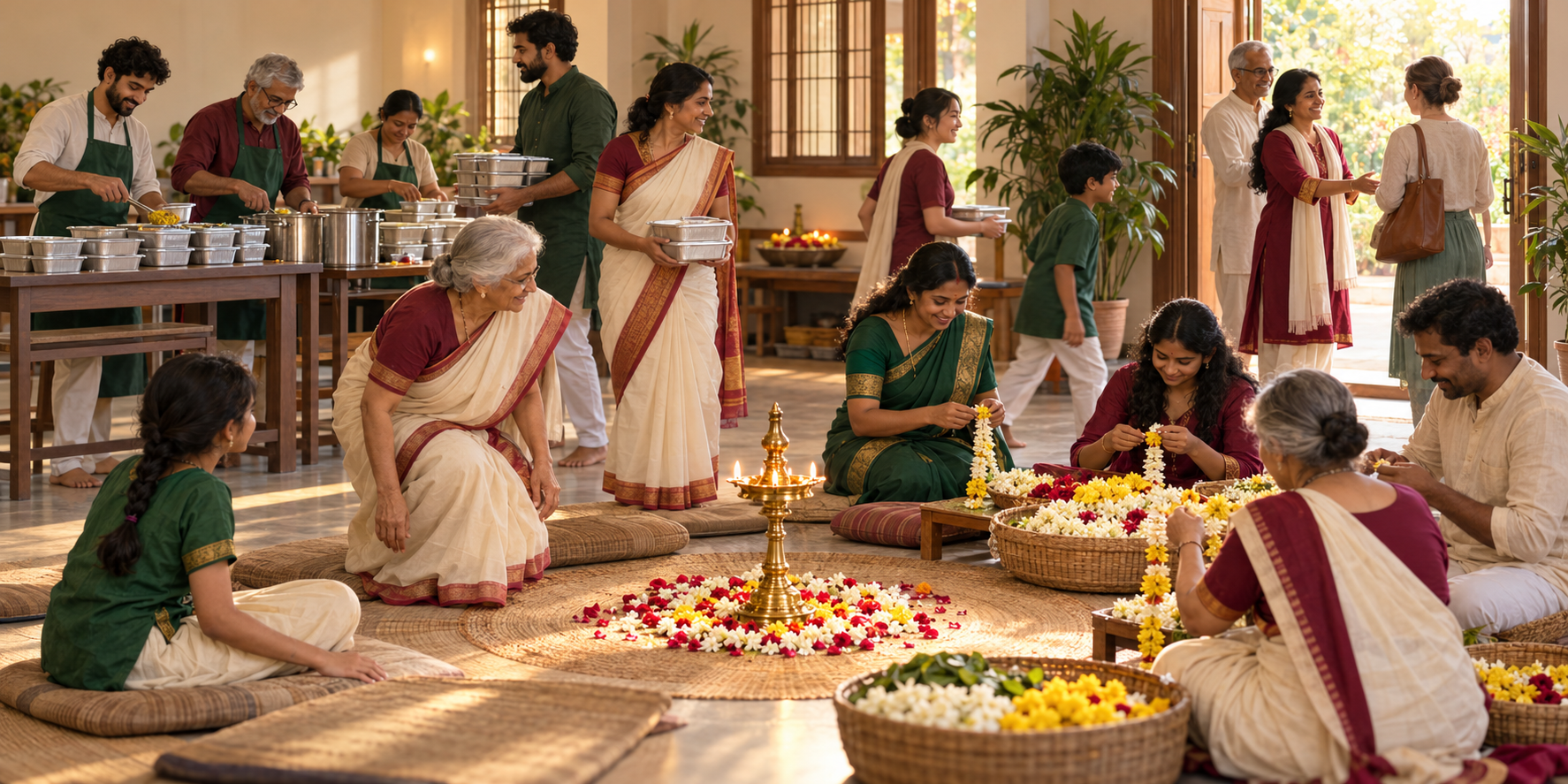
A Smriti Sabha can give people room to grieve, hear specific memories and glorify a Vaishnavi. It becomes more faithful to Mataji when it also sends people back into service. A useful gathering can follow this shape:
- Collect verified memories. Ask each contributor to describe a particular exchange, instruction or act of care. Specific incidents reveal character more clearly than a chain of superlatives.
- Keep the devotional centre visible. Let kirtan, Krishna prasadam and service to Guru and Gauranga reflect the commitments that governed her life, in consultation with the responsible temple authorities and local tradition.
- Name the work that remains. Consider the areas she served: Ratha Yatra, Deity care, kitchens, outfits and ornaments, devotee outreach, programme coordination and temple support. Identify where help is presently needed.
- Match commitments to capacity. Do not let grief produce promises that cannot be sustained. Give a willing person a defined responsibility, suitable guidance and a clear handover.
- Preserve the community’s memory. Label photographs with the people, place and occasion when these are known. Record recollections with permission and retain the context that will make them intelligible to younger devotees.
- Follow the seva after the gathering. A memorial commitment should have someone responsible for its next action. Otherwise, even sincere resolutions dissolve once the programme ends.
If a formal Smriti Sabha is not possible, choose a smaller act that reflects her actual priorities. Prepare prasadam for a devotee who needs care. Help someone learn a temple service. Complete an overlooked kitchen task properly. Support a programme without demanding visibility. Reconcile a misunderstanding before it hardens. These are not substitutes for remembrance; they are ways remembrance acquires a body.
Vaishnava remembrance can hold sorrow and spiritual gratitude together. Sri Chaitanya Mahaprabhu’s honouring of Srila Haridasa Thakura is invoked as a precedent for celebrating the accomplished life of a devotee even while feeling the loss of physical association. You do not have to force those responses into a single emotion. Tears in one moment and grateful kirtan in another are not contradictions.
Key takeaways
- Remember Shanti Rupa Mataji through specific patterns of conduct, not only devotional adjectives.
- Join excellence with invitation: maintain the standard of seva while helping another devotee become capable of carrying it.
- Treat devotee care as spiritual discipline expressed through attention, contact, mediation, prasadam and practical assistance.
- Understand guru-bhakti as faithful implementation of instruction, especially when the work is ordinary or unseen.
- Let every remembrance lead to a defined act of service with a responsible person and a real next step.
The most fitting tribute begins with the service already in front of you. Notice the person at the edge of the community, improve the offering presently in your hands, or help another devotee take a sincere step toward Krishna. Do it carefully, without calculation, and let Shanti Rupa Devi Dasi be remembered through what continues.
References

Leave a Reply
You must be logged in to post a comment.