
-
Essential Breakthrough: Rethinking Vedic Origins, Saraswati, and Aryan Migration
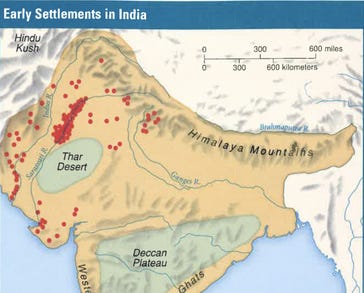
This analysis revisits the Vedic people through archaeology, linguistics, and Vedic textual geography to clarify how Saraswati, Aryan Migration, and Out of India debates intersect. It highlights dense Harappan settlements along the Ghaggar–Hakra (Saraswati) paleochannel and explains why Vedic references to a mighty river matter for chronology. It reviews leading Indo-European homeland models and the…
-
From Troy to Kampilya: Discover the Proven, Unbroken Continuity of India’s Civilization

Why do some archaeological finds electrify the world while others feel quietly familiar to local communities? This essay explains how India’s living continuity of land, people, and story makes many “discoveries” corroborations of persistent memory rather than revelations. From Troy and Kampilya to Vedic Saraswati, Abhijit (Vega), and Dwaraka, it presents evidence for an accumulative…
-
Rudra Shiva, the Great Healer: Discover the Ancient, Proven Science of Sacred Medicine

Rudra Shiva is not only a fierce deity but the great physician and healer of Vedic tradition. Associated with forests and mountains, Rudra symbolizes mastery over herbs and remedies for both body and mind. Vedic hymns and the Mahamrityunjaya invocation highlight a holistic healing vision that integrates mantra, medicine, and inner steadiness. Ayurveda complements this…
-
Master Krittika Nakshatra: The Complete Guide to Mahavidya Upasana for Transformative Sadhana

Krittika Nakshatra aligns naturally with Mahavidya Upasana that emphasizes purification, discipline, and focused inner fire. Rooted in Vedic insight, this approach channels Krittika’s solar and Agni-led symbolism into practical sadhana anchored by sankalpa, japa, dhyana, and pranayama. Ethical frameworks such as yama and niyama ensure intensity becomes wisdom, turning the blade’s metaphor into compassionate discernment.…
-
Discover Tatpurusha: The Complete Guide to Shiva’s Eastern Face on the Shivalinga

This exploration of Tatpurushathe eastern face of Shiva on the Panchamukha Lingaclarifies its sacred symbolism, directional meaning, and contemplative value. It explains why east-facing worship aligns with dawn’s illumining power and how the Rudra Gayatri supports breath-centered focus. The discussion situates Tatpurusha within the five cosmic functions of Shaiva theology and shows how disciplined practice…
-
Aryan Invasion Theory (AIT), Indo-Aryan Migration Theory (IAMT) and the Indigenous Aryan Theory (IAT): What we know so far
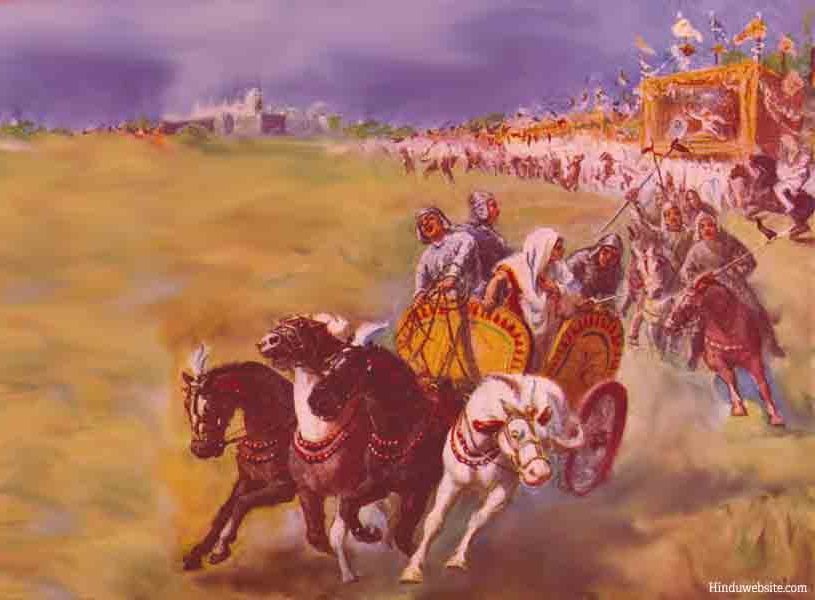
The origins of the Indo-European languages, which include many of the world’s major language families, have been the subject of much debate and speculation among scholars for over a century. Three theories have emerged to explain the origins of the Indo-European languages in the context of India: the Aryan Invasion Theory, the Indo-Aryan Migration Theory,…