
-
From Instinct to Insight: Tapasya and Self-Discipline for Lasting Peace and Purpose

This essay reframes classical teachings on tapasya and self-discipline as a unifying, compassionate ethic shared across Hinduism, Buddhism, Jainism, and Sikhism. It explains key scriptural principlesTapo divyam and pravrttih esam bhutanam nivrtes tu maha-phalamwhile clarifying their practical relevance in modern life. Readers learn how modest shifts in consumption and attention reduce restlessness and increase clarity.…
-
When Duty Meets Divine Will: Arjuna’s Tapas to Shiva and the Blessing of Astras

Arjuna’s tapas at Mount Indrakeel reveals how inner discipline aligns human duty with divine will in the Mahabharata. Guided by Veda Vyasa, Arjuna seeks Shiva’s grace and receives the Pashupatastra, exemplifying power entrusted only to ethical hands. The episode illustrates Kshatra Dharma as measured protection rather than aggression, echoing cross-dharmic ideals from Hinduism, Buddhism, Jainism,…
-
Goddess Parvati’s Transformation into Shakti: From Himalayan Maiden to Universal Mother

This article presents an academic yet accessible account of Goddess Parvati’s transformation from a Himalayan princess into Shakti, the Universal Mother. It traces her origins as Shailaputri, examines her disciplined tapas as Brahmācharini, and explains how her union with Shiva symbolizes cosmic balance. Readers gain a clear understanding of how devotion, self-mastery, and ethical living…
-
Master Panchatapas: A Complete Guide to Panchagni Tapas and Transformative Hindu Austerity
Panchatapas, or Panchagni Tapas, is a rigorous Hindu austerity in which a practitioner sits amid four ritual fires with the sun as the fifth, embodying the purifying principle of tapas. Rather than glorifying hardship, the practice foregrounds intention, ethical restraint, and mental clarity. Its symbolismillumination, sacrifice, and disciplined boundarieshighlights how outer form serves inner transformation.…
-
S.L. Bhyrappa’s Epic Genius: The Complete, Proven Legacy That Transformed Indian Literature
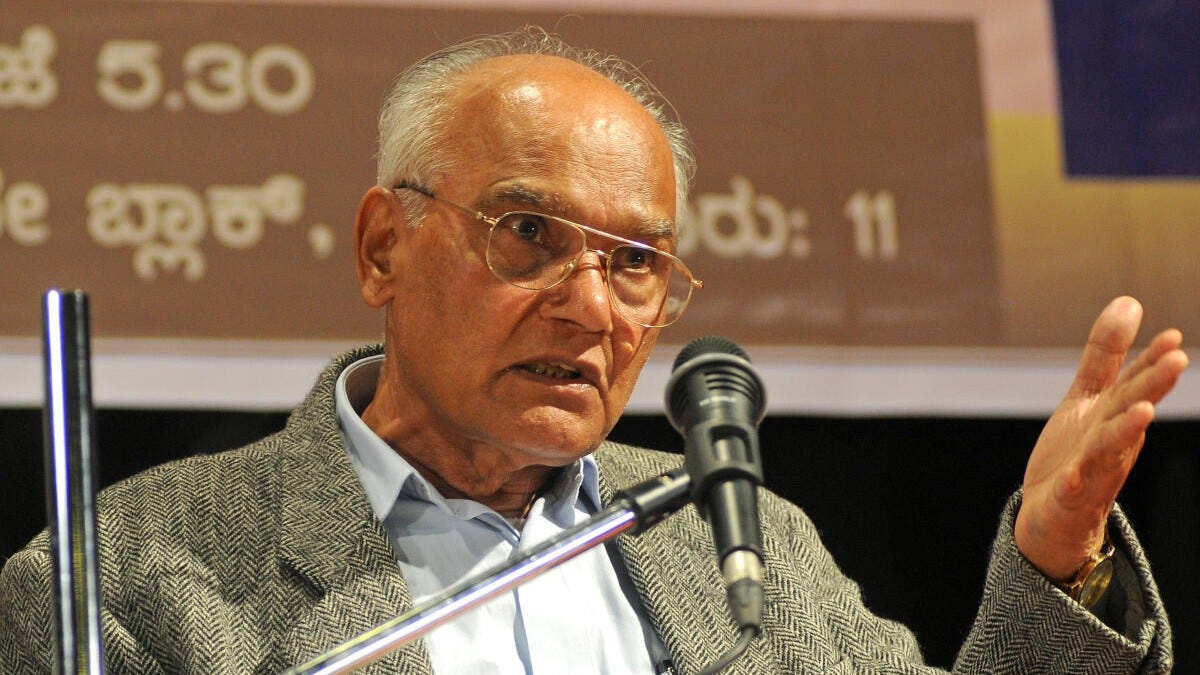
S.L. Bhyrappa’s passing closes a monumental chapter in Indian literature and Kannada letters. His novels, rooted in Sanatana Dharma, the epics, and Hindustani classical music, fused philosophical depth with lived experience to create an unmistakable epic sensibility. Signature moments in Tantu and Mandra demonstrate how Puranic metaphor and Rasa aesthetics can still transform contemporary moral…
-
Why Sage Vishwamitra Laid Down Arms: The Complete Dharma Breakthrough from King to Rishi

Sage Vishwamitra laid down arms not out of weakness but as a deliberate, dharmic choice to conserve brahma-tejas and complete his transformation from warrior king to Brahmarshi. His renunciation reflects a mature realization that spiritual power surpasses martial force, and that anger and violence dissipate tapas-shakti. The Ramayana preserves this balance: he equips Rāma with…
-
Master Krittika Nakshatra: The Complete Guide to Mahavidya Upasana for Transformative Sadhana

Krittika Nakshatra aligns naturally with Mahavidya Upasana that emphasizes purification, discipline, and focused inner fire. Rooted in Vedic insight, this approach channels Krittika’s solar and Agni-led symbolism into practical sadhana anchored by sankalpa, japa, dhyana, and pranayama. Ethical frameworks such as yama and niyama ensure intensity becomes wisdom, turning the blade’s metaphor into compassionate discernment.…
-
Vyasa Poornima: The Peerless Educational Heritage of India

Explore the profound reverence for Guru Dakshinamurthy, the embodiment of spiritual knowledge and wisdom, in this enlightening blog post. Adi Sankara’s verses pay tribute to the Guru who imparts knowledge through silence, emphasizing the Guru’s role in awakening the inner resplendence of spiritual wisdom. This post delves into the essence of the Guru-Shishya tradition in…