
-
Radiant Kankali Kali and the Chakras: A Transformative Guide to Sacred Energy Centers

This article explores Kankali Kali as a radiant symbol of transformative strength within Hindu spirituality, illuminating how her fierce compassion supports the harmonization of the chakras. It outlines each sacred energy centerfrom mulādhāra to sahasrāraand explains how ethical clarity, steady breath, and mindful practice guide balanced awakening. Readers gain a practical, non-dogmatic framework for working…
-
Goddess Chinnamasta and the Jackals: Tantric Symbolism, Fierce Grace, and Inner Transformation

Goddess Chinnamasta’s self-decapitated form and the presence of jackals create a profound Tantric teaching on ego-transcendence, impermanence, and compassionate energy. The three blood streams symbolize iḍā, piṅgalā, and suṣumṇā, suggesting redistribution of prāṇa rather than loss. Jackals, as cremation-ground denizens, represent threshold spaces and the recycling of form, turning fear and instinct into wisdom. Psychological…
-
Straight Trunk Ganesha: Profound Symbolism, Yogic Meaning, and Life‑Enhancing Benefits
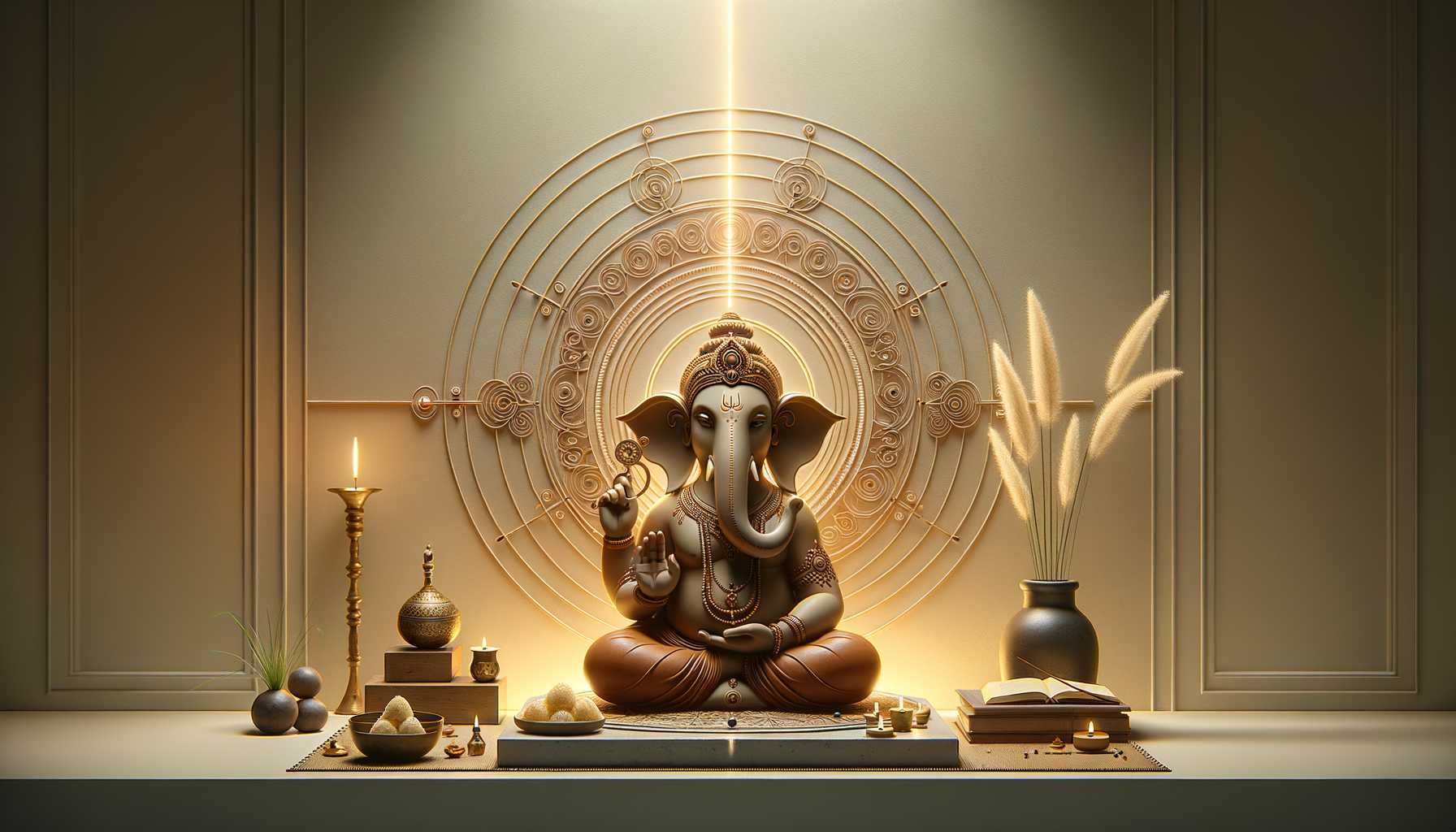
The straight-trunk form of Shri Ganesha symbolizes yogic balance, evoking the sushumna nadi and the transcendence of duality through dhyana. Traditionally associated with sattva and inner clarity, this rare depiction supports focused study, calm decision-making, and steady spiritual practice. Devotees value it for harmonizing everyday responsibilities with inner stillness, reinforcing ethical living and compassionate action.…
-
Ghata (Ghatavastha) in Hatha Yoga: Unlocking Breath, Balance, and the Jiva–Paramatman Union

Ghata or ghatavastha is a pivotal Hatha Yoga stage where breath, mind, and subtle energy stabilize, aligning the jiva with Paramatman. Drawing on the Hatha Yoga Pradipika and Gheranda Samhita, it highlights pranayama as both physiological refinement and spiritual integration. Practitioners experience steadier kumbhaka, balanced prana and apana, and a calm, clear mind. Benefits include…
-
Discover the Vishuddha (Throat) Chakra: The Complete Guide to Pure Speech and Truth
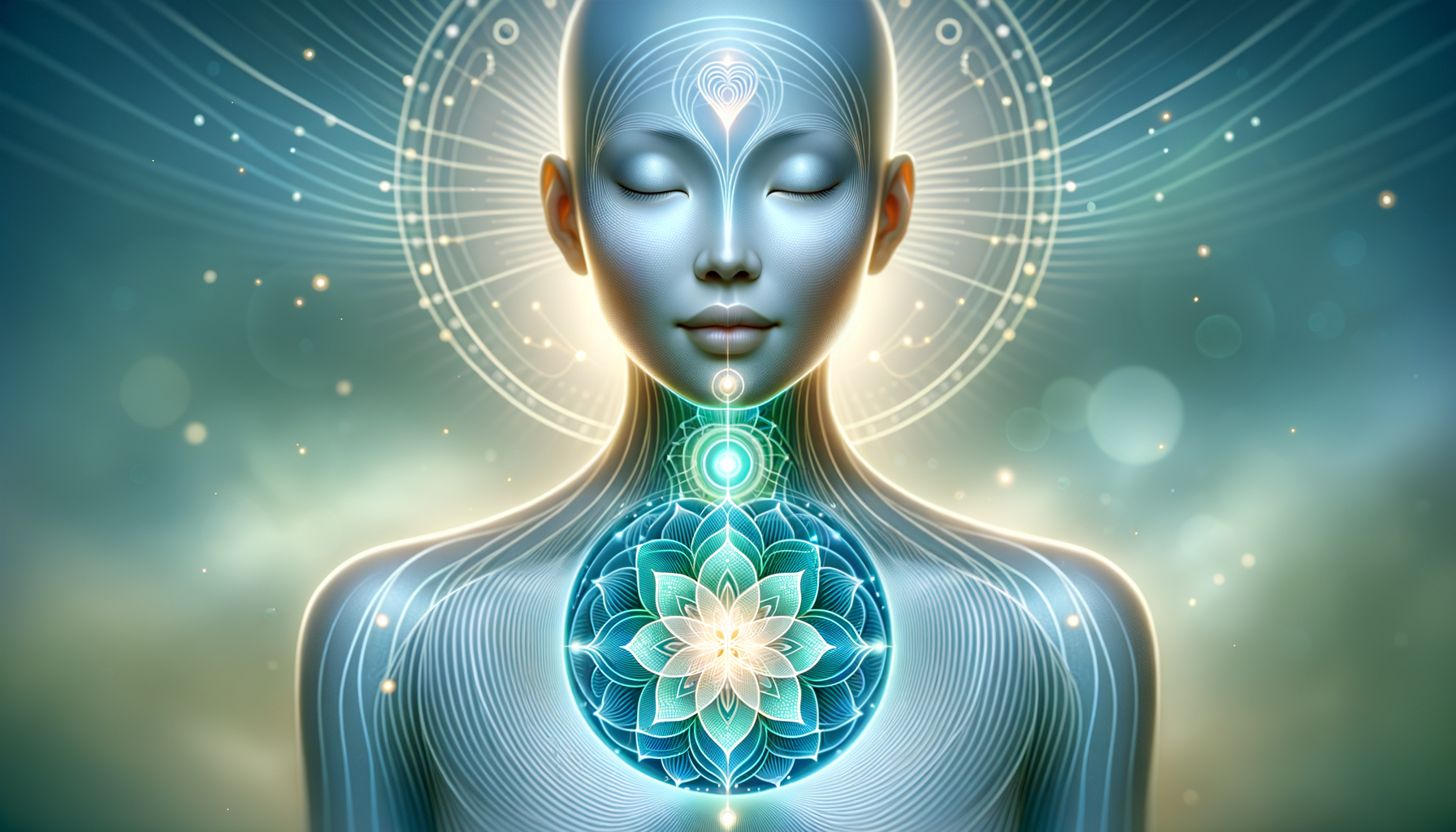
The Vishuddha (Throat) Chakra is the fifth energy center associated with communication, self-expression, and truth. Rooted in the Sanskrit idea of “purification,” it refines thought into sound and cultivates ethical speech across dharmic traditions. Symbolized by a sixteen-petaled lotus and attuned through the mantra “ham,” it integrates heart insight with mental clarity. Balanced expression emerges…
-
Anahata Chakra Explained: The Complete Guide to Mastering Heart-Centered Balance
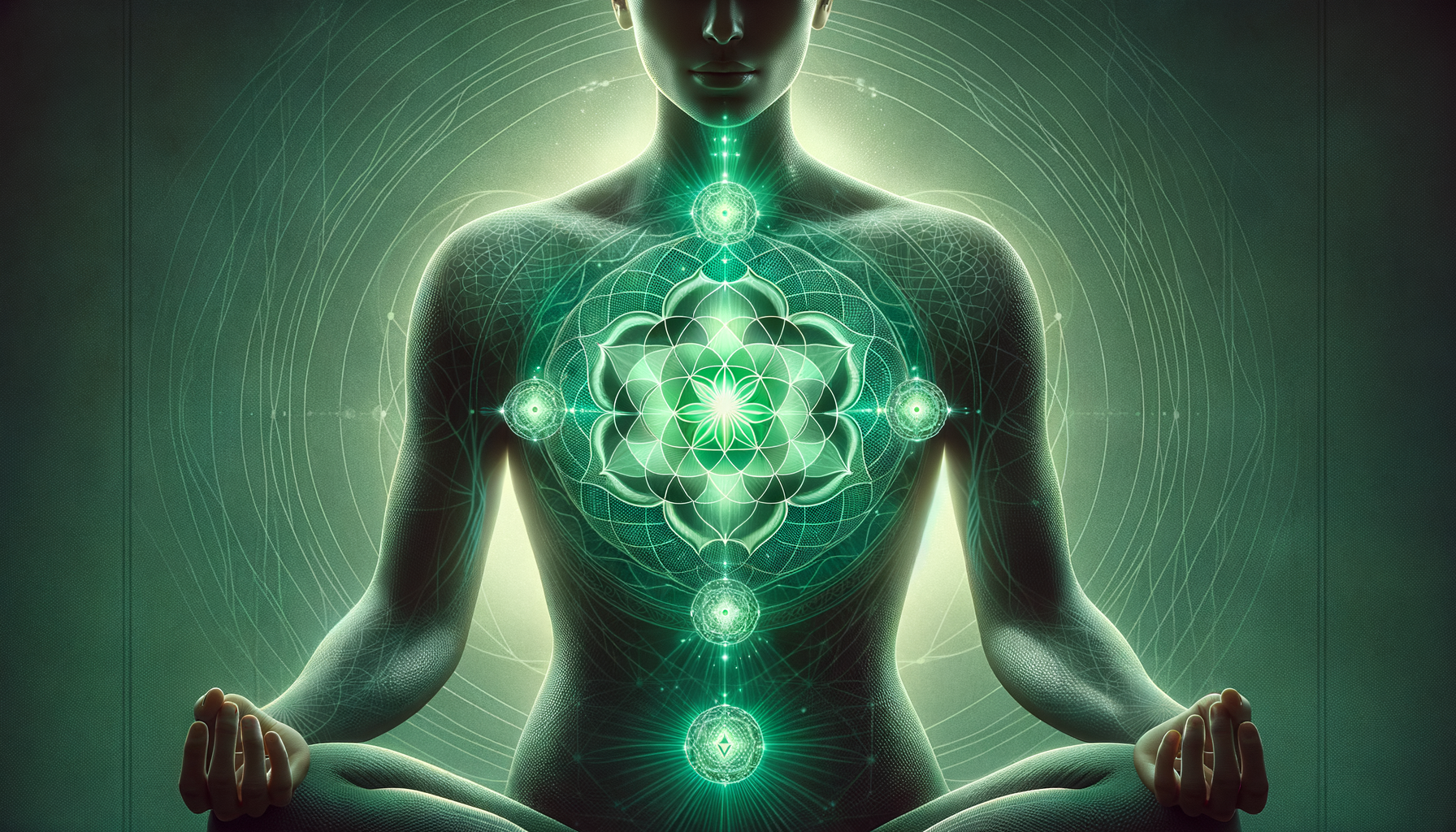
The Anahata Chakra, or Heart Chakra, is the fourth energy center and serves as a bridge between grounded living and higher insight. Its Sanskrit meaning, “unstruck,” points to a subtle inner resonance of peace and unity. This guide clarifies location, symbolism, and qualitieslove, compassion, and forgivenesswhile outlining signs of balance and imbalance. It presents practical…
-
Anahata (Heart Chakra) Explained: The Complete Guide to Discover Inner Balance and Compassion

Anahata Chakra, the fourth energy center in the traditional chakra system, bridges material concerns and spiritual insight through compassion, balance, and ethical clarity. Grounded in yogic anatomy, it is associated with air (vayu), the color green, and the bīja mantra “Yam,” framing a contemplative model for mind-body connection. Practitioners often report steadier breath, emotional regulation,…
-
Muladhara (Root) Chakra: The Complete, Proven Guide to Grounding, Security, and Stability

The Muladhara (Root) Chakra is the foundational energy center that supports stability, safety, and grounded presence. Located at the base of the spine, it relates to survival instincts, security, and belonging, and is associated with the earth element, the color red, and the seed sound Lam. Practical methods such as steady standing postures, diaphragmatic breathing,…
-
From Sthula to Sukshma: The Journey of Spiritual Practice

This blog post explores the journey from gross to subtle in Sanatana Dharma through meditation and japa. It delves into the importance of increasing sattva, the role of chakras in Raja Yoga, and the progressive nature of spiritual practices, emphasizing focus and one-pointedness to achieve spiritual realization.