
-
Gurbani as a Living Mirror: How Shabad-Guru Reflects, Heals, and Guides the Inner Life

Gurbani is presented as a mirroring companionShabad-Guru that reflects inner patterns, steadies the heart, and aligns conduct with hukam. The article explains how the scripture’s musical architecture (rāg), multi-lingual texture, and ethical imperatives work together to cultivate sehaj. It clarifies practical modes of engagementkirtan, Naam Simran, hukamnama, and daily rhythms like Japji Sahib, Rehras Sahib,…
-
Growing Up With Shabad: The Transformative Science, Music, and Devotion Uniting Dharmic Paths

Growing up with Shabad forms attention, identity, and ethics through sacred sound anchored in Sikhism’s Shabad Guru. Musicological rigorraag, taal, and the interpretive role of rahausupports cognitive development, Gurmukhi literacy, and stable daily rhythms. Physiological pathways, including breath-synchronized prosody and vagal regulation, help reduce stress and build resilience. Comparative insights show deep kinship with Hindu…
-
Canada Mourns Nancy Grewal: Anti-separatist voice killed, sparking free-speech and security alarm

A 45-year-old Punjabi YouTuber and singer, Nancy Grewal, was killed in the Windsor–LaSalle area of Ontario in what police describe as an isolated incident, with no arrests yet announced. Known for an unambiguous rejection of violence and for calling for unity across Hindu, Sikh, Buddhist, and Jain communities, her death has intensified concerns about free…
-
40 ਮੁਕਤੇ: From ਬੇਦਾਵਾ to BlessingMuktsar’s Chali Mukte and Guru Gobind Singh’s Grace
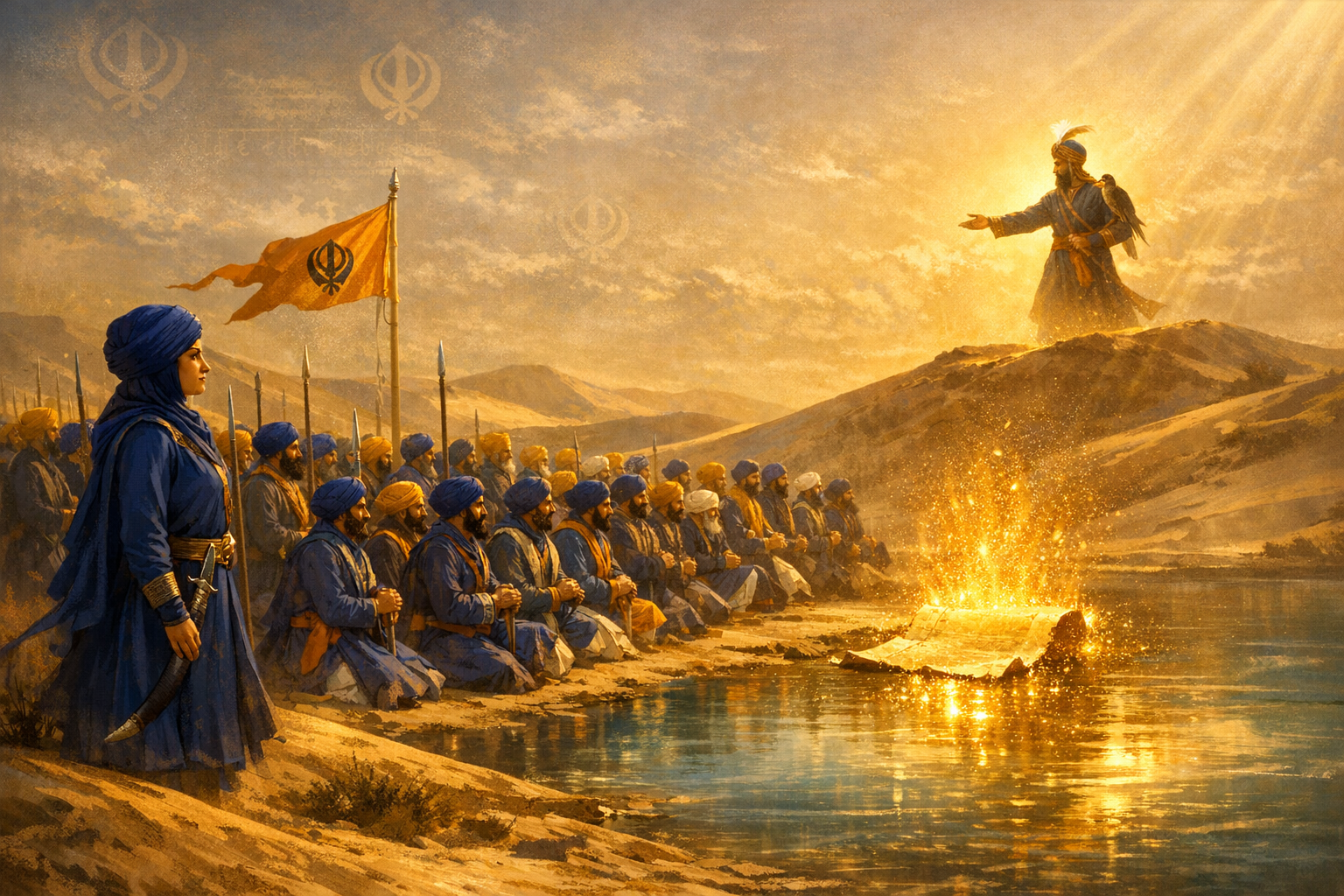
This long-form study traces how the 40 ਮੁਕਤੇ journeyed from ਬੇਦਾਵਾ (disavowal) at Anandpur Sahib to ਬਖ਼ਸ਼ਿਸ਼ (grace) at Muktsar Sahib under Guru Gobind Singh’s compassionate leadership. It situates the Battle of Khidrana (Muktsar) within Sikh history, highlighting terrain, tactics, and morale alongside the moral recovery catalyzed by Mai Bhago. The analysis clarifies how Sikh…
-
Honoring Sikh Women: Trailblazing Courage, Seva, and Scholarship for International Women’s Week

International Women’s Week highlights the enduring leadership of Sikh women in seva, scholarship, and public life. Grounded in Gurbani’s affirmation of equality“ਸੋ ਕਿਉ ਮੰਦਾ ਆਖੀਐ ਜਿਤੁ ਜੰਮੇ ਰਾਜਾਨ॥”their contributions span the langar tradition of Mata Khivi, the martial resolve of Mai Bhago, and the statecraft of Rani Sada Kaur. From heritage stewardship to humanitarian response,…
-
Bhai Vir Singh: The Sixth River of Punjab and a Bridge Uniting India’s Dharmic Traditions

Bhai Vir Singh stands as the “sixth river” of Punjaba poet and thinker whose work renews Punjabi literature and deepens ethical life. His celebrated writings, including Rana Surat Singh, Sundari, and Satwant Kaur, weave devotion with courage and civic responsibility. Grounded in Sikh spirituality, his vision resonates with shared dharmic values across Hinduism, Buddhism, and…
-
Beyond the ‘Muslim Era’ Myth: India’s Dharmic Resistance and Civilizational Resilience
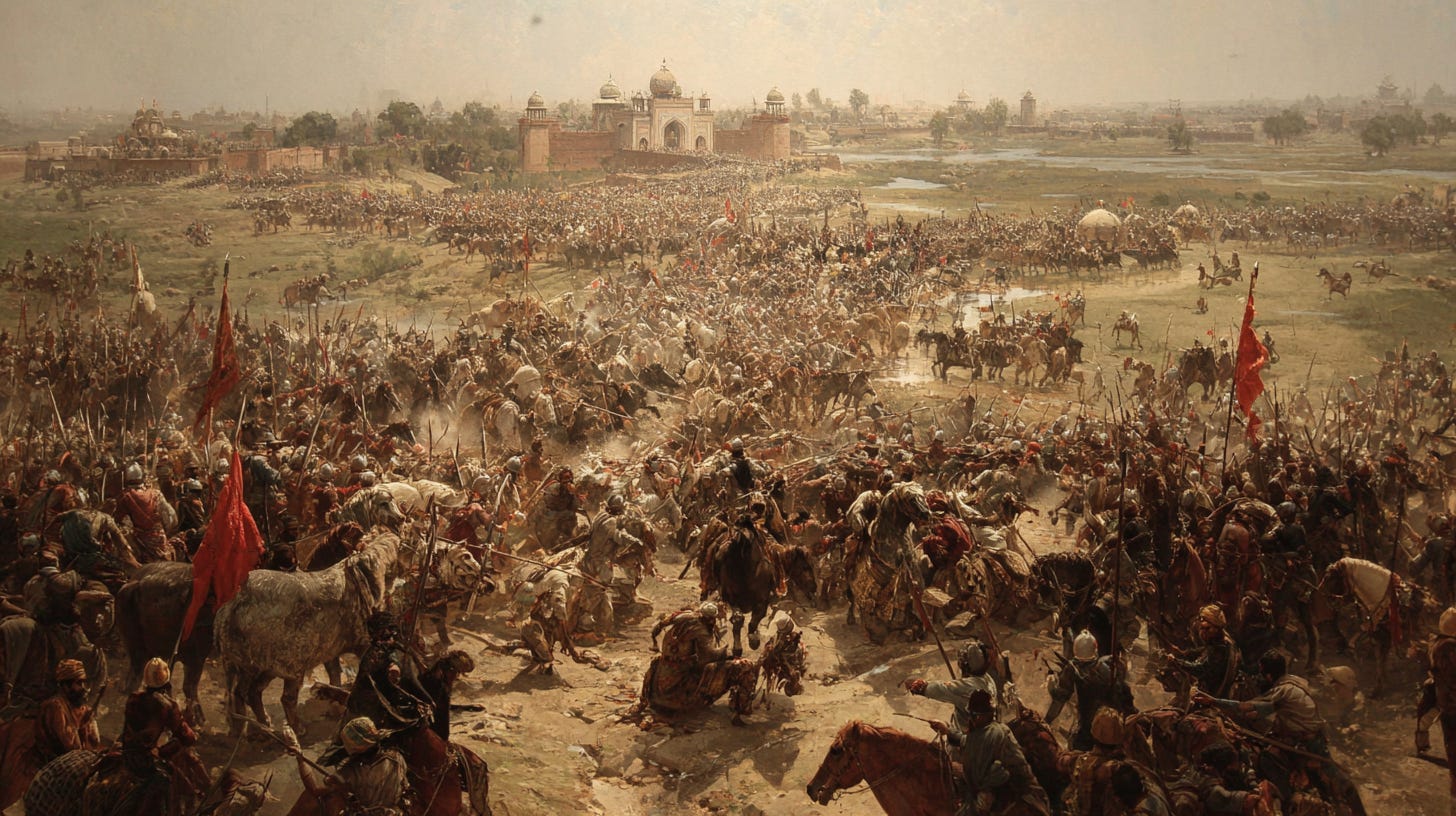
This article challenges the simplistic label of a singular ‘Muslim era’ in India and presents a more rigorous, dharmic-centered account of medieval and early modern history. It highlights how Indian politiesHindu, Jain, Buddhist, and later Sikhchecked, accommodated, and ultimately reshaped external and transregional powers over centuries. Readers gain a clearer timeline of key resistances, from…
-
Sukhmani Sahib: A Timeless Pathway to Inner Peace, Compassion, and Dharmic Unity

Sukhmani Sahib, a revered composition in the Guru Granth Sahib, offers a structured path to inner peace through Naam, Simran, humility, and Seva. Organized in 24 ashtapadis, it marries clear doctrine with musical cadence to aid contemplation and practice. The scripture translates spiritual insight into actionable ethicstruthfulness, compassion, and community servicethat improve emotional balance and…
-
Nishan Sahib Etiquette: How Gurudwaras Maintain, Honor, and Protect the Sacred Sikh Flag
The Nishan Sahib stands as a global emblem of Sikh identity, seva, and equality, maintained with care in Gurudwaras worldwide. This guide explains its symbolism, daily respect, and the ceremonial renewal often performed during Vaisakhi or Gurpurabs. Readers learn practical maintenance protocols, from fabric selection and chola wrapping to lightning protection and responsible lighting. It…
-
Sikhs in Clinical Research: Insights, Ethics, and Community-Centered Innovation with Ekta Grewal

This analysis explores Sikh participation in clinical research through insights from an interview with Ekta Grewal, emphasizing ethics, cultural competence, and community engagement. It shows how seva and sarbat da bhala align with Good Clinical Practice to improve recruitment, retention, and trust. The piece outlines practical stepsmentorship pipelines, community advisory boards, and partnerships with gurudwarasto…
-
When Words Meet Light: Pen and Camera Shaping Shared Dharmic Memory and Meaning

This article explores how the synergy of writing and photography preserves cultural heritage and strengthens unity across Hindu, Buddhist, Jain, and Sikh traditions. It shows how Anekantavada, Ahimsa, Seva, and Karuna guide ethical documentation and storytelling. Readers gain practical methods for pairing field notes with metadata-rich images to support long-term archival value and SEO discoverability.…
-
Shaheedi Asthan of Baba Banda Singh Bahadur: A Moving Tribute to Courage and Dharma
The Shaheedi Asthan of Baba Banda Singh Bahadur offers a powerful encounter with Indian history and Sikh heritage. It commemorates a principled leader whose life exemplified dharma, courage, and service. The memorial contextualizes Mughal–Sikh interactions while honoring Indian martyrs. Visitors experience a contemplative environment shaped by shabad kirtan, ardas, and living heritage. The site models…
-
Empowering Sikh Applicants: A Blueprint for Mentorship, Equity, and Dharmic Unity
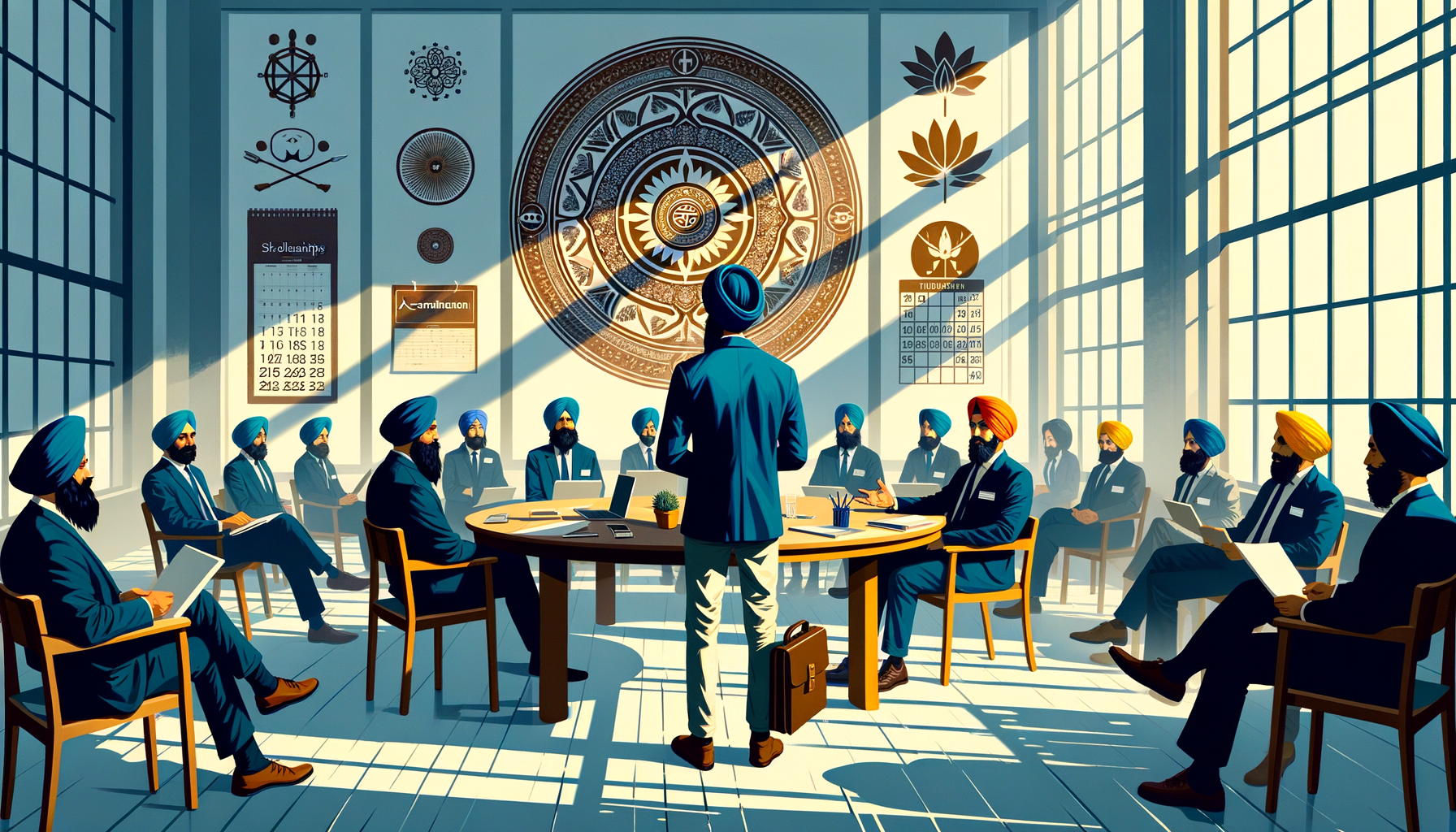
Many Sikh applicants face avoidable barriers in admissions and early careersfrom limited mentorship to uncertainty about articles of faith in institutional contexts. This blueprint proposes a practical program featuring mentorship networks, cultural and legal accommodation toolkits, application labs, scholarship directories, and well-being cohorts. It translates seva, leadership, and cultural contributions into strong portfolios while equipping…
-
Guru Gobind Singh’s Enduring Legacy: Sacrifice, Justice, and Dharmic Unity Across Faiths

Guru Gobind Singh’s legacy exemplifies an unwavering commitment to justice, seva, and the protection of religious freedom that resonates across Hinduism, Sikhism, Buddhism, and Jainism. Rooted in formative events at Anandpur Sahib and the martyrdom of Guru Tegh Bahadur, his vision culminated in the Khalsa Panth at Baisakhi 1699an institution dedicated to equality and the…
-
From Near Annihilation to Empire: The Sikh Rise through Khalsa, Misls, and Ranjit Singh

This article traces how the Sikh Community rebuilt power after near-annihilation in the eighteenth century, culminating in a pluralist, stable state in Punjab. It explains how Khalsa discipline, Misls, and the Dal Khalsa translated spiritual ideals into practical governance. Readers gain clarity on pivotal moments from Anandpur Sahib and Banda Singh Bahadur to the Vadda…
-
Unbreakable Loyalty in Chains: Sikh Brothers’ Principled Leadership during Captivity
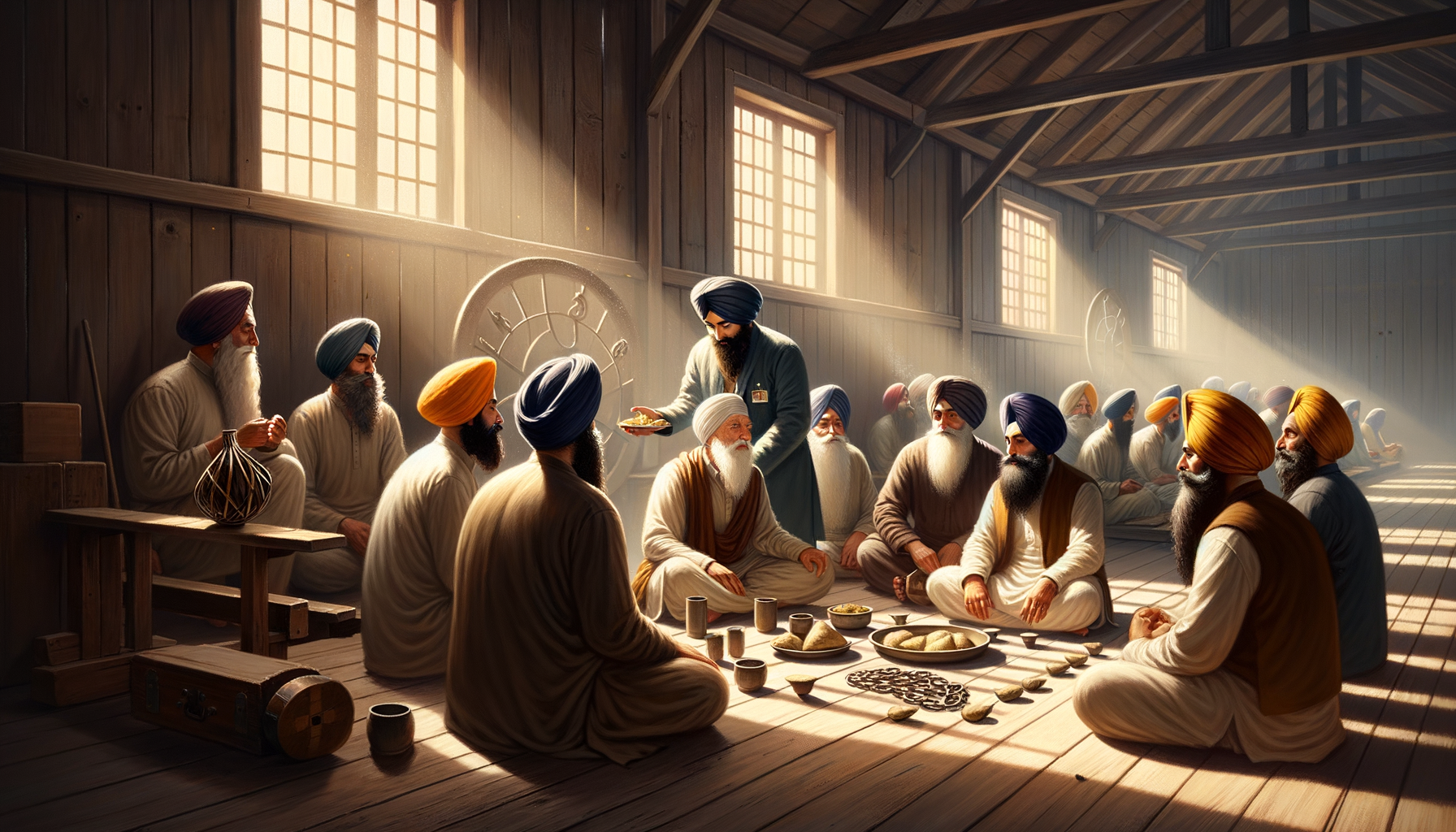
This piece explores how Sikh brothers embodied principled leadership during wartime captivity, demonstrating the sant-sipahi (saint-soldier) ethos where courage is guided by compassion. It shows how steady routines, shared rations, simran, and fair mediation preserved dignity and morale in harsh conditions. The narrative emphasizes that loyalty, rooted in dharma and Sarbat da Bhala, is fidelity…
-
Honoring Guru Tegh Bahadur’s 350th Shaheedi: Courage, Gurbani in Action, and Religious Freedom

The 350th Shaheedi of Guru Tegh Bahadur Sahib Ji invites communities to honor a historic stand for freedom of conscience by living Gurbani through collective reflection and compassionate action. This piece outlines how remembrance can move beyond ceremony into sevathrough sangat-led dialogues, interfaith collaboration, and ethical education. It highlights shared dharmic values across Sikhism, Hinduism,…
-
The Sikh Spectrum Unveiled at Khalsa College, Amritsar: A Landmark for Dharmic Unity

“The Sikh Spectrum” was released at Khalsa College, Amritsar, in a setting renowned for scholarship and community leadership. The book presents Sikh history and philosophy through rigorous, accessible analysis and situates Sikhism in dialogue with Hindu, Buddhist, and Jain traditions. Attendees noted both intellectual depth and an atmosphere of calm reflection, emphasizing relevance to ethical…
-
How the Sahibzaade’s Martyrdom Ignited Two Teens’ Inner Mission and Lifelong Courage

Two teenagers discovered a practical path to courage and clarity after studying the Sahibzaade’s martyrdom in a youth workshop. The narrative of Guru Gobind Singh’s sonsset around Anandpur Sahib, Chamkaur, and Sirhindbecame a framework for daily discipline. By linking seva, simran, and small vows (anuvrat) to study habits, the teens improved focus and reduced anxiety.…
-
Illuminating Review: Guru Nanakpanthi Heritage SeriesSikhs in Sindhi Society, Past to Present

This review examines Volume One of the Guru Nanakpanthi Heritage SeriesSikhs in Sindhi Society: Legacy and Presenthighlighting its clear analysis, compassionate tone, and relevance to Cultural Heritage and History. The book traces how seva, kirtan, sangat, and langar shaped Sikh–Sindhi bonds while documenting present-day continuities across India and the diaspora. It advances Religious pluralism in…