-
Overcoming Envy (Matsarya) to Awaken Prema: A Dharmic, Nirmatsara Roadmap for Inner Freedom
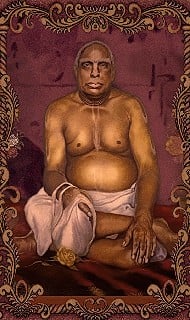
This essay examines matsarya (envy) as a core spiritual impediment and explains why Vaisnava scriptures describe it as the competitor of divine love (prema). Anchored in the Srimad Bhagavatam’s “dharmah projjhita-kaitavo ‘tra paramo nirmatsaranam satam” (Bhag.1.1.2), it analyzes nirmatsarata as an ethical threshold for receiving the highest dharma. The discussion maps convergences across Hinduism, Buddhism,…
-
Timeless Lila: Exploring the Divine Play of Being and Becoming Across Dharmic Paths
This long-form exploration presents Lila—the eternal divine play—as a framework for understanding how being and becoming interrelate across Hinduism, Buddhism, Jainism, and Sikhism. Drawing on the Upanishads, Vedanta (Advaita, Vishishtadvaita, Dvaita), the Bhagavad Gita, and Shaiva–Shakta thought, it clarifies how creation, preservation, and dissolution express a living unity. It maps key concepts like dharma, karma,…
-
GBC AGM 2026 Day 5: Inspiring VDG Insights, GBC College Honors, Global Istagosthi, TOVP & ISKCON@60
Day Five of the GBC AGM 2026 honored GBC College graduates, deepened understanding of Vaishnava Diksha Guru (VDG) responsibilities, and convened a global community through a GBC Maha Online Istagosthi. Attendees gained practical insights into ethical mentorship, leadership formation, and seva-centered governance. Updates on the Temple of the Vedic Planetarium (TOVP) highlighted its role as…
-
Panchagavya vs Panchamakara: Unveiling Sacred Purity and Esoteric Power for Seekers

This comparative guide explores Panchagavya in Vaishnavism and Panchamakara in Shaktism, showing how both systems aim at inner transformation within Sanatana Dharma. Readers gain clear definitions, historical context, and lived meanings of these fivefold practices. The analysis highlights Panchagavya’s emphasis on ritual purity and bhakti, and Panchamakara’s symbolic, ethically guided approach to integrating Shakti. Practical…
-
Hinduism’s Fearless Quest for Truth: Rational Inquiry, Pluralism, and Dharmic Unity
Hinduism champions a fearless quest for truth grounded in rational inquiry, from the Upanishads’ probing dialogues to the darshanas’ robust epistemology. Its knowledge systems assess claims through perception, inference, and reliable testimony, integrating rigorous method with experiential practice in yoga and meditation. The tradition’s shastrartha debates exemplify intellectual humility and accountability. In unity with Buddhism,…
-
Why Humans Hurt Each Other: Dharmic Wisdom on Violence, Ahimsa, and Inner Healing

Human violence has evolved from survival struggles to conflicts over identity and ideology. Dharmic wisdom—across Hinduism, Buddhism, Jainism, and Sikhism—offers a rigorous, compassionate framework to reduce harm without denying responsibility. Concepts such as dharma-yuddha, ahimsa, and Anekantavada set ethical constraints, cultivate pluralism, and challenge absolutist thinking. Psychological insights into krodha, lobha, and moha pair with…
-
Midnapore Singer Harassment Sparks Outrage: Defending Artistic Freedom and Communal Harmony

A reported incident in Midnapore, West Bengal—where Lagnajita Chakraborty was allegedly harassed for singing a devotional song—has sparked public concern about artistic freedom, women’s safety, and communal harmony. The analysis underscores India’s constitutional protections for both devotional and secular art in public spaces. It emphasizes due process, non-communal responses, and the importance of interfaith respect…
-
Honoring Guru Tegh Bahadur’s 350th Shaheedi: Courage, Gurbani in Action, and Religious Freedom

The 350th Shaheedi of Guru Tegh Bahadur Sahib Ji invites communities to honor a historic stand for freedom of conscience by living Gurbani through collective reflection and compassionate action. This piece outlines how remembrance can move beyond ceremony into seva—through sangat-led dialogues, interfaith collaboration, and ethical education. It highlights shared dharmic values across Sikhism, Hinduism,…
-
Ajmer Sharif Chaddar Row: Court Petition Spurs Call for Interfaith Respect and Dialogue
Hindu Sena has moved court seeking to restrain the Prime Minister’s chaddar offering at Ajmer Sharif dargah and has reportedly urged renaming Delhi’s Babar Road. This article outlines the legal, cultural, and constitutional dimensions of the petition while emphasizing interfaith harmony and India’s secular framework. Readers gain context on the chaddar tradition, its symbolic role…
-
Sati and Daksha Yagya: A Powerful Puranic Tale of Honor, Dharma, and Spiritual Unity

This Puranic account explains why Sati relinquished her life after Daksha excluded Lord Shiva from a grand yagya. The narrative moves from humiliation to ethical resolve, then from consequence to reconciliation, illustrating the moral architecture of dharma. It highlights dignity, humility, and restorative justice, while warning against pride and exclusion in sacred and social spaces.…
-
Vaishno Devi Medical Institute Row Spurs Soul-Searching on Merit, Harmony, and Healthcare

A public controversy around SMVDIME and the Shri Mata Vaishno Devi Narayana Superspeciality Hospital has prompted concerns about fairness in admissions and hiring. The analysis explains how NEET-based merit, recruitment norms, and constitutional guarantees of equality frame institutional decision-making. It emphasizes patient-first care, transparency, and due process as the most effective responses to public doubts.…
-
Rohtak video sparks outrage: interfaith appeals after sacred texts burned
A circulating video from Rohtak, Haryana, allegedly showing the burning of the Bible and the Quran has raised fears of communal tension. Authorities are investigating, and responsible communication is crucial to avoid rumor-driven unrest. The incident underscores the importance of Religious Tolerance, ahimsa, and interfaith dialogue across Hindu, Buddhist, Jain, Sikh, Christian, and Muslim communities.…
-
Proven Pathways to Transform Outrage into Unity: Texas Anti-Diwali Protest Analysis

A small group of masked protesters in Texas used derogatory language toward Diwali, sparking widespread outrage and a vital public conversation about Hinduphobia. This analysis clarifies what happened, why it matters for the Hindu American Community, and how to respond lawfully and effectively. Readers will discover practical steps that transform anger into action, from incident…
-
Complete Dharmic Reflection on 9/11: Proven Lessons to Transform Grief into Unity

This reflection examines 9/11 through a Dharmic lens, honoring victims, Flight 93 heroes, and first responders with a sober, ethical clarity. It explains how concepts such as dharma and shraadh transform remembrance into responsibility and service. Readers discover proven, humane principles for confronting terrorism without surrendering to hatred. The piece emphasizes interfaith solidarity and unity…
-
Breaking the Cycle: The Complete, Evidence-Based Guide to Grooming Tactics and Prevention

This evidence-based guide explains how grooming gangs operate through trust-building, coercive control, and blackmail, and shows how early education and community vigilance can disrupt exploitation. It reframes the issue away from communal blame, emphasizing that coercion is criminal regardless of identity. Readers gain practical prevention tools: media literacy, digital safety, bystander intervention, and trauma-informed support.…
-
Complete Report: Noakhali Subarnachar Murder Sparks Outrage, Strengthening Dharmic Unity
A Hindu man, identified as Subrata Chandra Das, was killed in a daylight attack in Subarnachar, Noakhali, sparking widespread concern among minority communities in Bangladesh. This report consolidates verified details, emphasizes due process, and underscores the need for rapid, transparent investigation. It highlights cross-faith solidarity from Hindu, Buddhist, Jain, and Sikh communities calling for nonviolence…
-
Rishikesh Prayer Disruption in Uttarakhand: A Complete, Fact-Checked Guide to Unity and Law

Reports from Rishikesh, Uttarakhand describe a Muslim prayer gathering disrupted amid unverified rumors of a new mosque. This analysis clarifies what is known, emphasizes constitutional safeguards, and explains how municipal due process addresses concerns about religious structures. It outlines how early, structured dialogue reduces tension and prevents misinformation from escalating. Readers discover practical steps for…
-
Essential Lessons for Unity: Proven Civic Response After ‘Talibani’ Remark in Jaysingpur
A derogatory social media remark in Jaysingpur triggered outrage, a lawful civic response, and a prompt apology—illustrating how responsible speech and institutional trust protect communal harmony. The episode highlights how Hinduphobia and derogatory comments can escalate tensions, yet measured action and apologies can stabilize society. It demonstrates restorative justice in practice, where acknowledging harm supports…
-
Lessons from the Tragic History of the Prahladpuri Temple
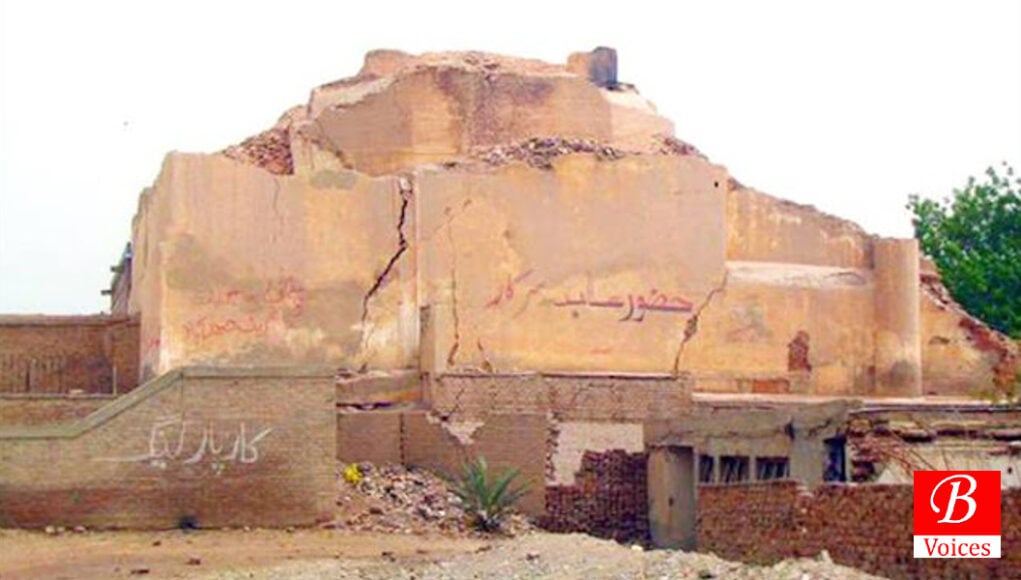
In the blog post a narrative unfolds the sorrowful tale of the Prahladapuri Temple in Multan, Pakistan, offering a glimpse into the shared fate of Hindu temples in the region. Beginning with Multan’s rich Sufi shrine heritage and its ancient names, it highlights the early desecration of the Aditya temple by Muhammad bin Qasim. The…