
-
Mata Sita’s Mother Revealed: Sacred Earth, Sunayana, and the Ramayana Mystery
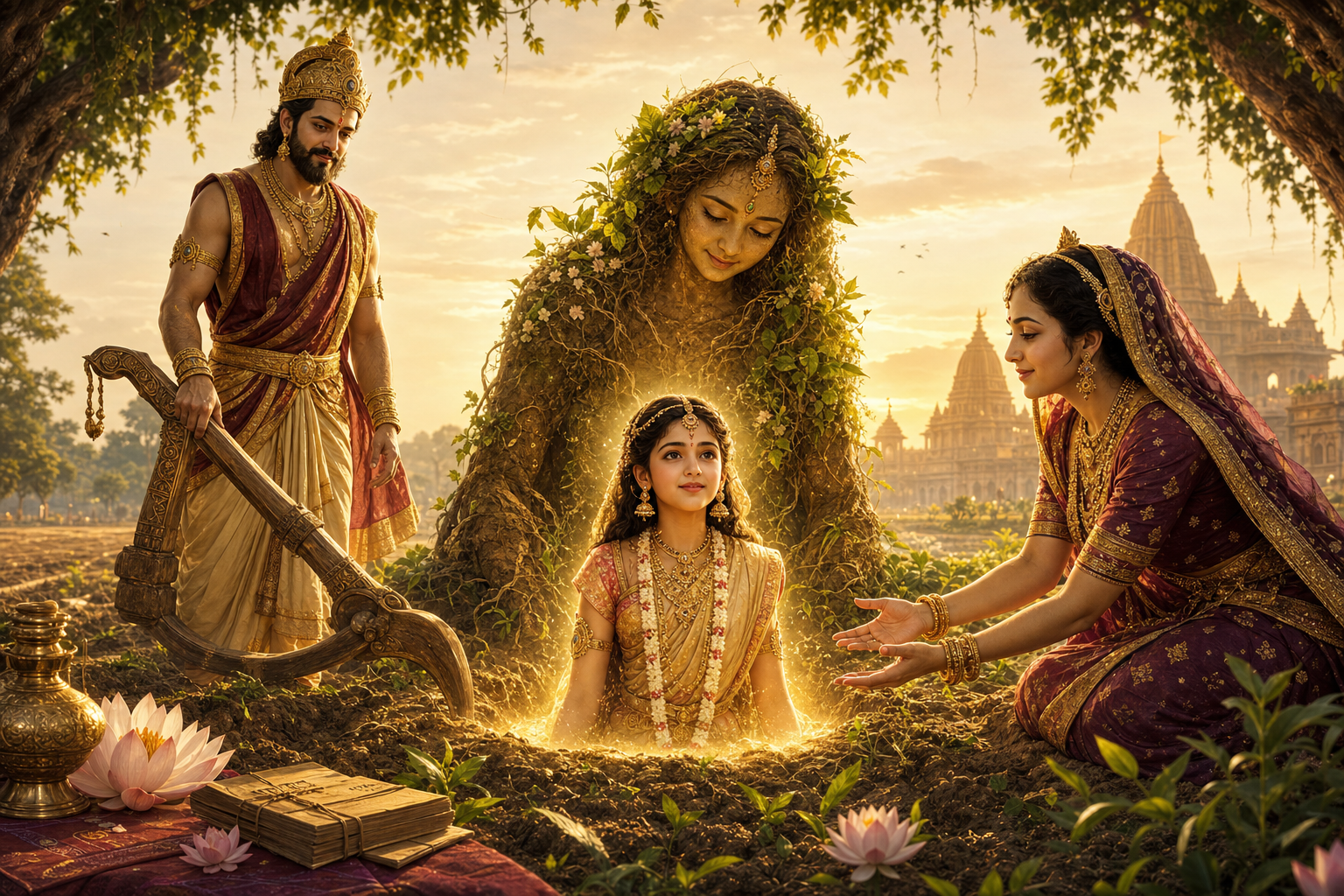
Mata Sita’s mother is best understood through the layered wisdom of the Ramayana tradition. In the Valmiki Ramayana, Sita is discovered by King Janaka in a furrow of the earth, making Bhumi Devi her sacred and cosmic mother. Later devotional and regional Ramayanas remember Queen Sunayana or Sunaina as her nurturing human mother. This article…
-
Rama’s Unshaken Exile: Powerful Lessons in Dharma, Restraint, and Inner Calm
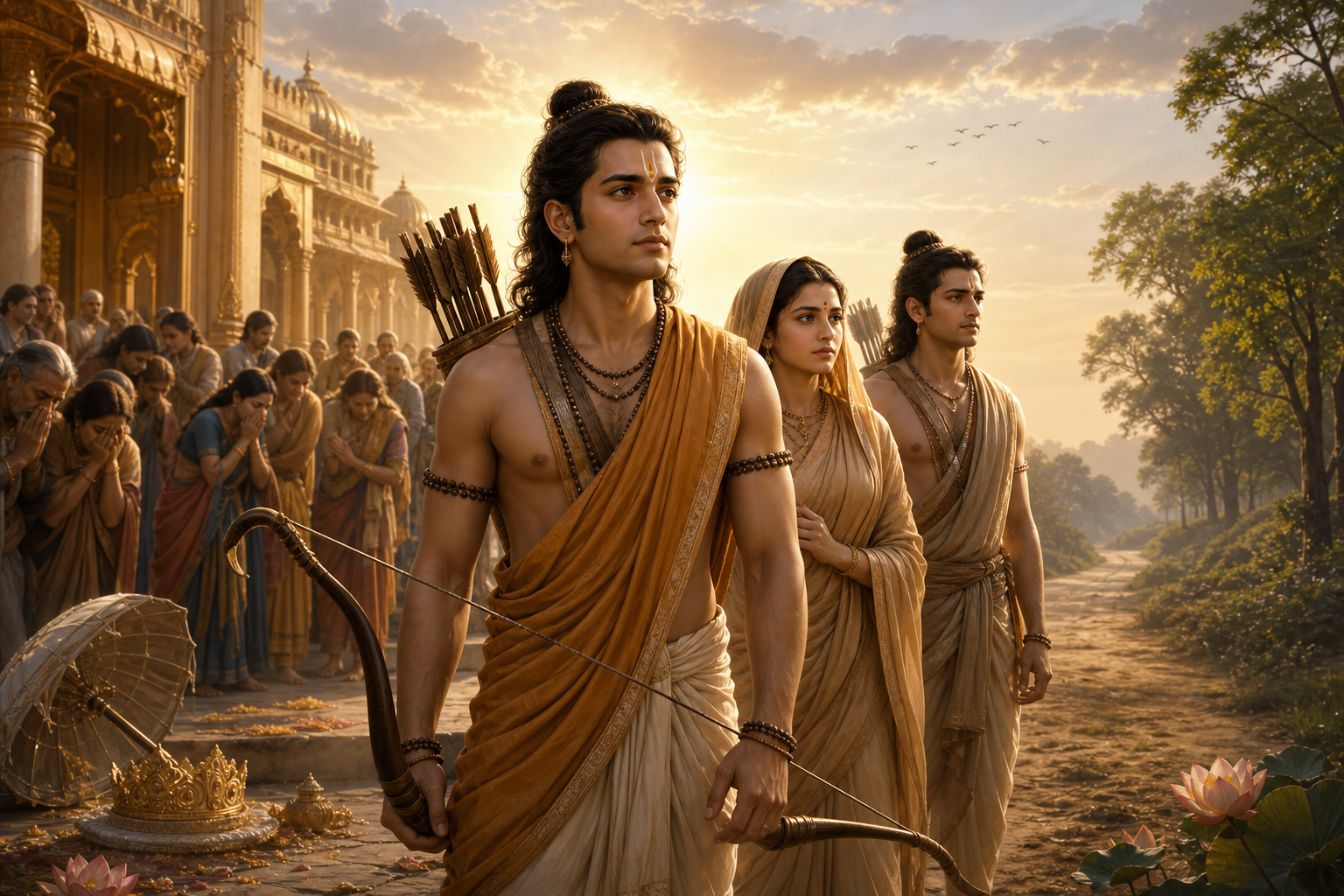
Rama’s departure from Ayodhya is one of the Ramayana’s most profound lessons in dharma, restraint, and moral courage. The episode shows Rama not as emotionally untouched, but as deeply human and fully aware of the pain caused by exile. His calm is not passivity; it is disciplined self-command guided by truth, filial duty, and social…
-
Kashmiri Ramayana: Dasharatha’s Blinding Tears and Karma’s Weight
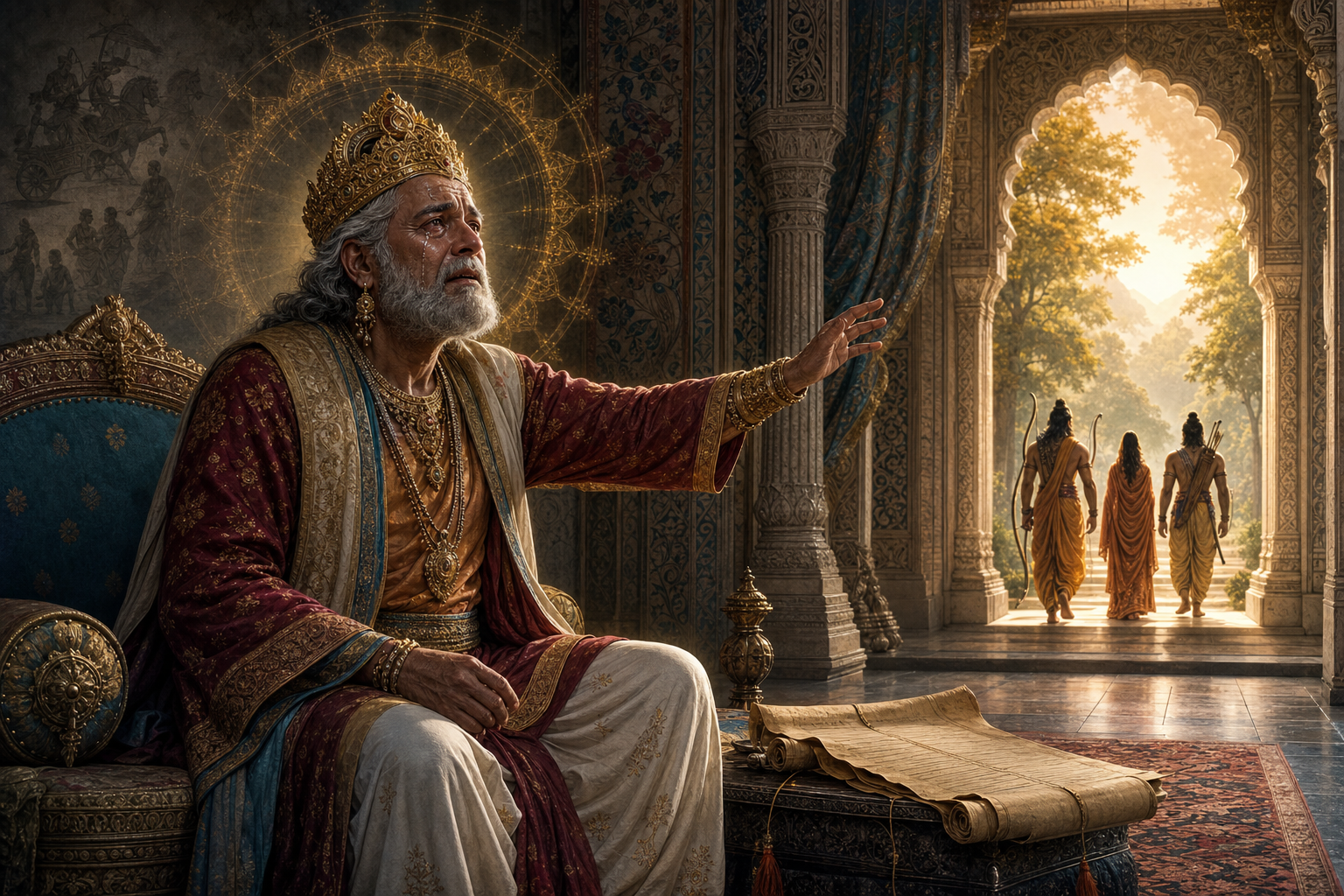
This rewritten article explores the Kashmiri Ramayana’s moving portrayal of King Dasharatha weeping until grief blinds him after Rama’s exile. It explains how the episode deepens the Ramayana’s teachings on dharma, attachment, parental love, and the inescapable workings of karma. The piece connects Dasharatha’s suffering with the earlier Shravana Kumara episode, showing how karmic consequence…
-
Ramanandis in Hinduism: Powerful Bhakti Legacy of Devotion and Social Unity
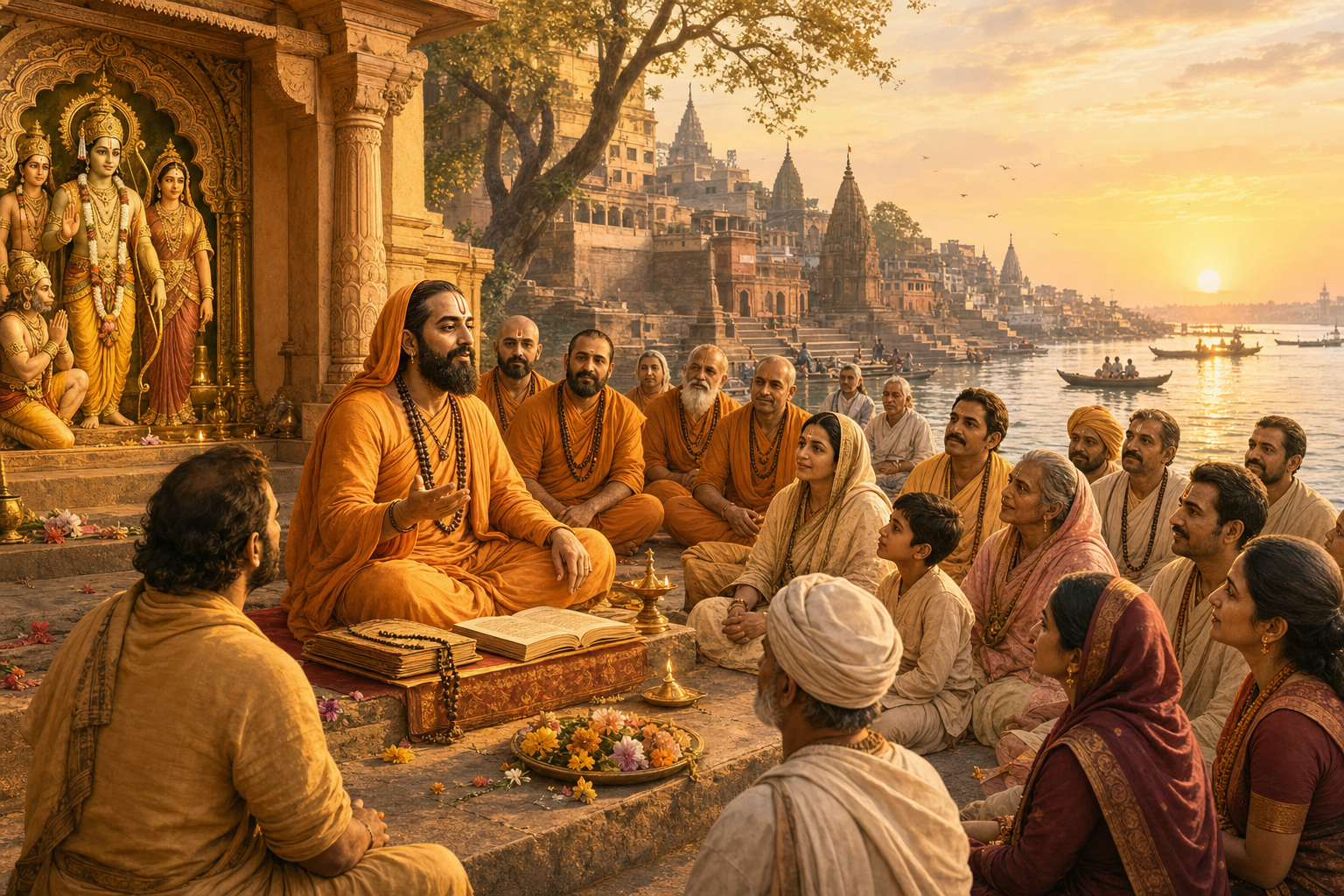
The Ramanandis are one of the most influential Vaishnava orders in Hinduism, rooted in the devotional legacy of Ramananda and centered on Rama-bhakti. Their tradition combines Vishishtadvaita-influenced theology, vernacular devotion, monastic discipline, pilgrimage culture, and a strong emphasis on divine grace. This article explains their history, philosophy, ascetic institutions, literary influence, and continuing relevance in…
-
Rama Across the Mekong: Powerful Lessons from Laos and Thailand’s Ramayana
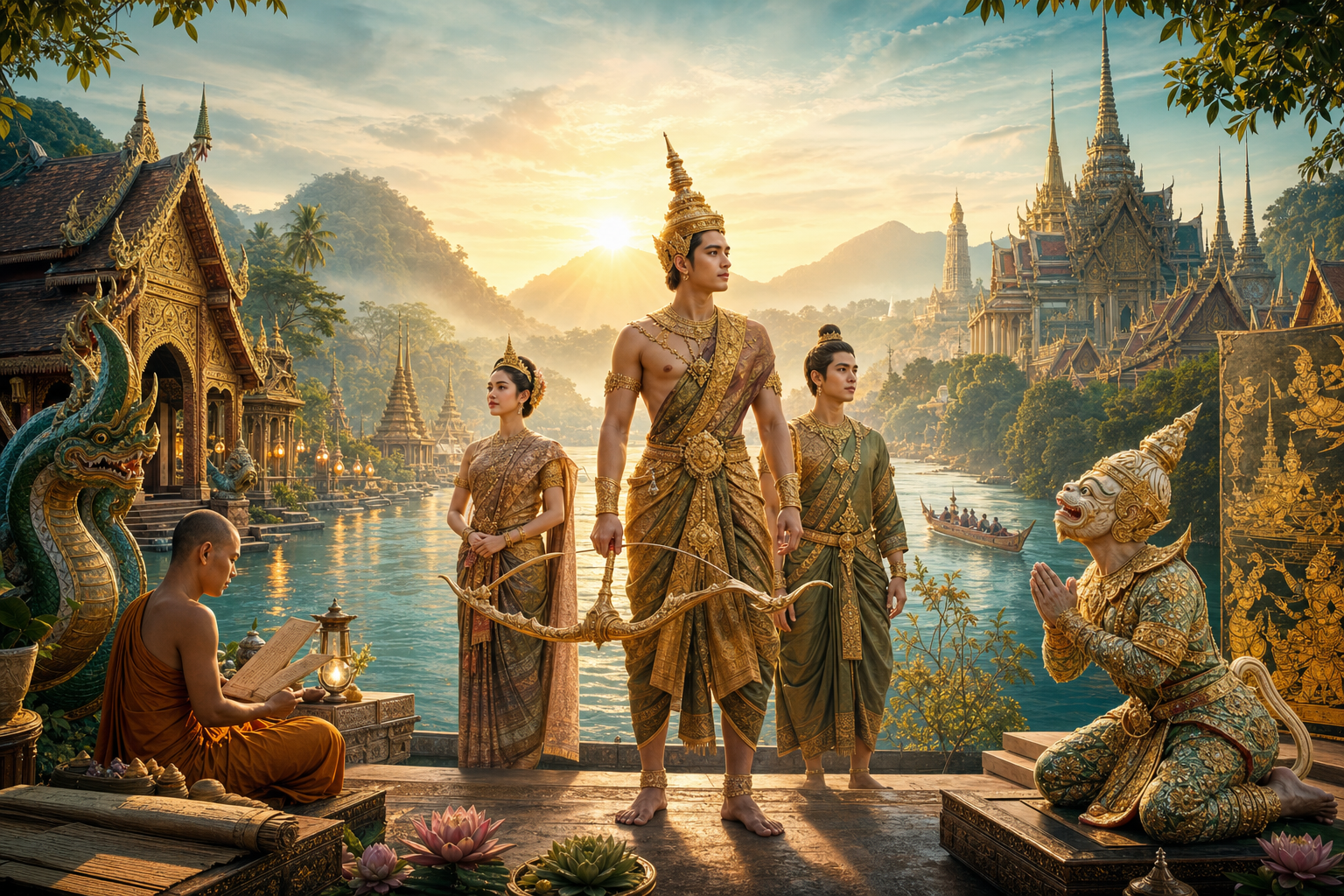
This article compares the Lao Phra Lak Phra Lam and the Thai Ramakien as two powerful Southeast Asian expressions of the Ramayana tradition. It explains how both works preserve the core Rama Katha while adapting the story to local Buddhist, royal, artistic, and geographic contexts. The Lao version is presented as a Mekong-centered, Theravada-inflected epic…
-
Why Every Ramayana Is Incomplete: The Powerful Living Tradition of Rama
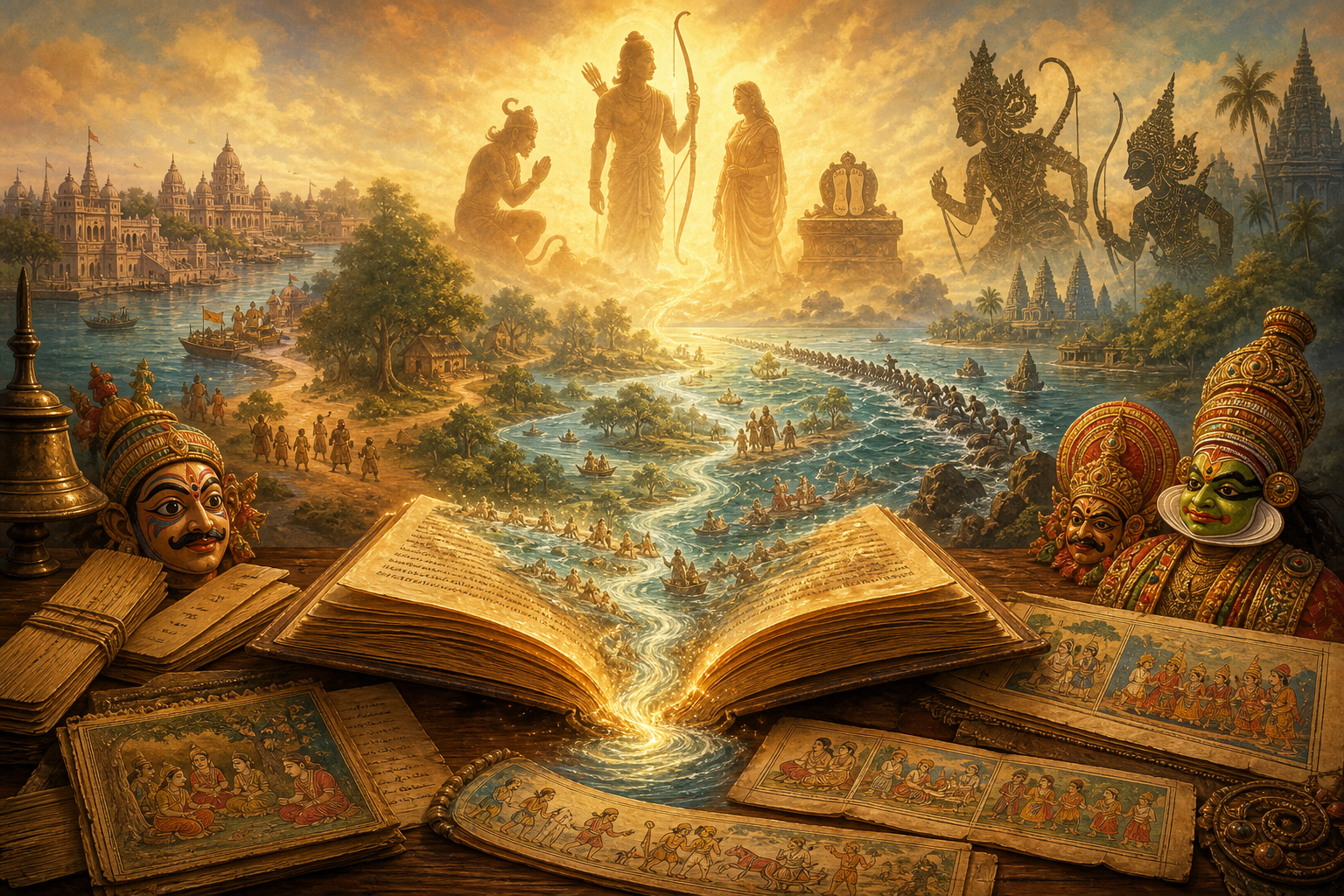
The Ramayana is often treated as a single familiar story, but its real tradition is far wider and deeper. Valmiki’s Sanskrit Ramayana, Tulsidas’s Ramcharitmanas, Kamban’s Tamil epic, Jain and Buddhist retellings, Southeast Asian adaptations, and folk performances all reveal different dimensions of Rama Katha. This article explains why every Ramayana is complete within its own…
-
Rama vs Ravana: A Dharma-first resolution to the Ramayana’s toughest moral dilemmas
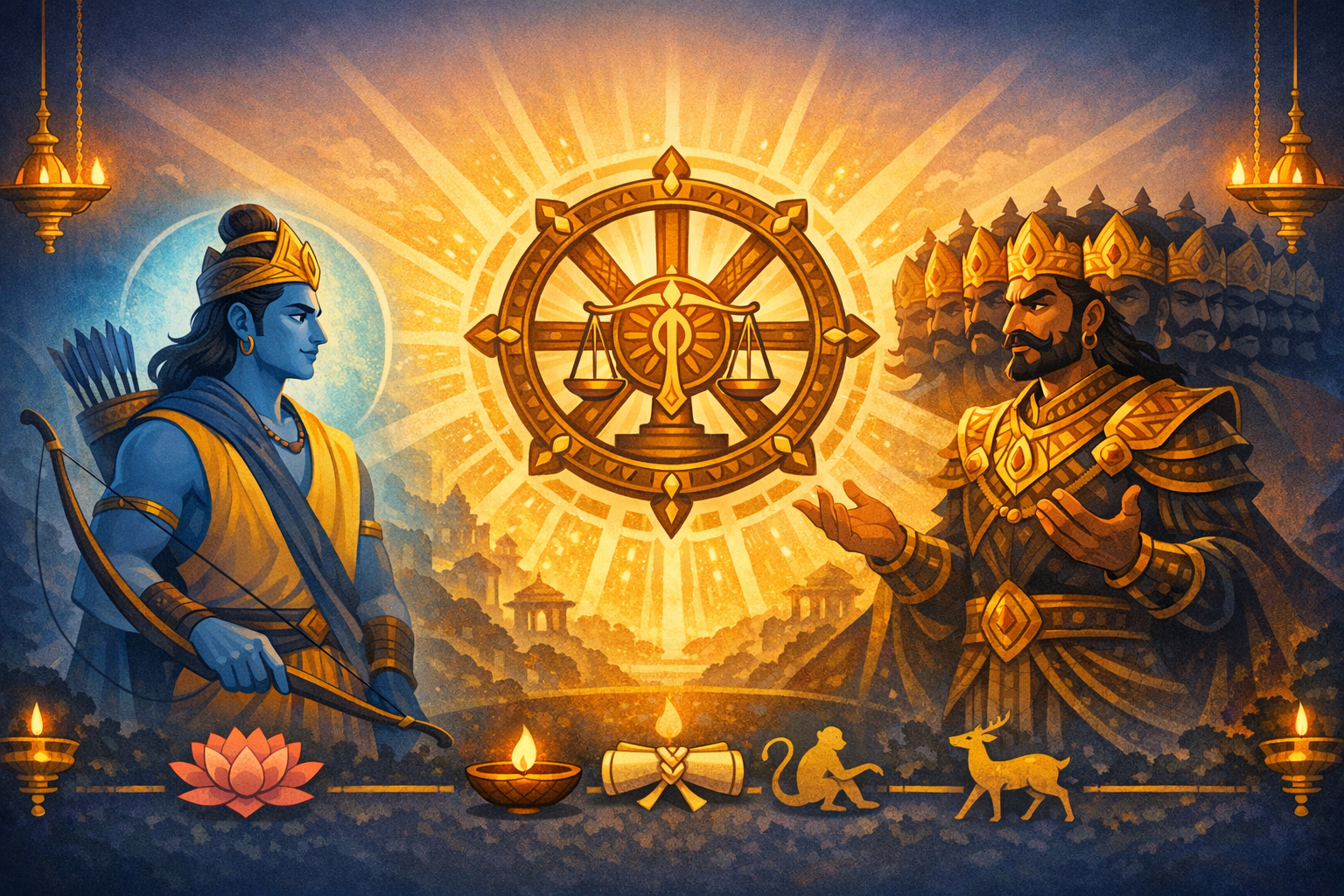
This essay answers the enduring question of why Rama is revered as righteous while Ravana is condemned, even though Ravana was a learned Brahman and Rama faced morally hard choices. It uses a dharma-first framework grounded in the Ramayana to evaluate intention, lawful means, and just ends across contested episodes such as the exile, the…
-
Rama Katha: Scholarly, Soul-Stirring Life History of Sri Rama, the Maryada Purushottama
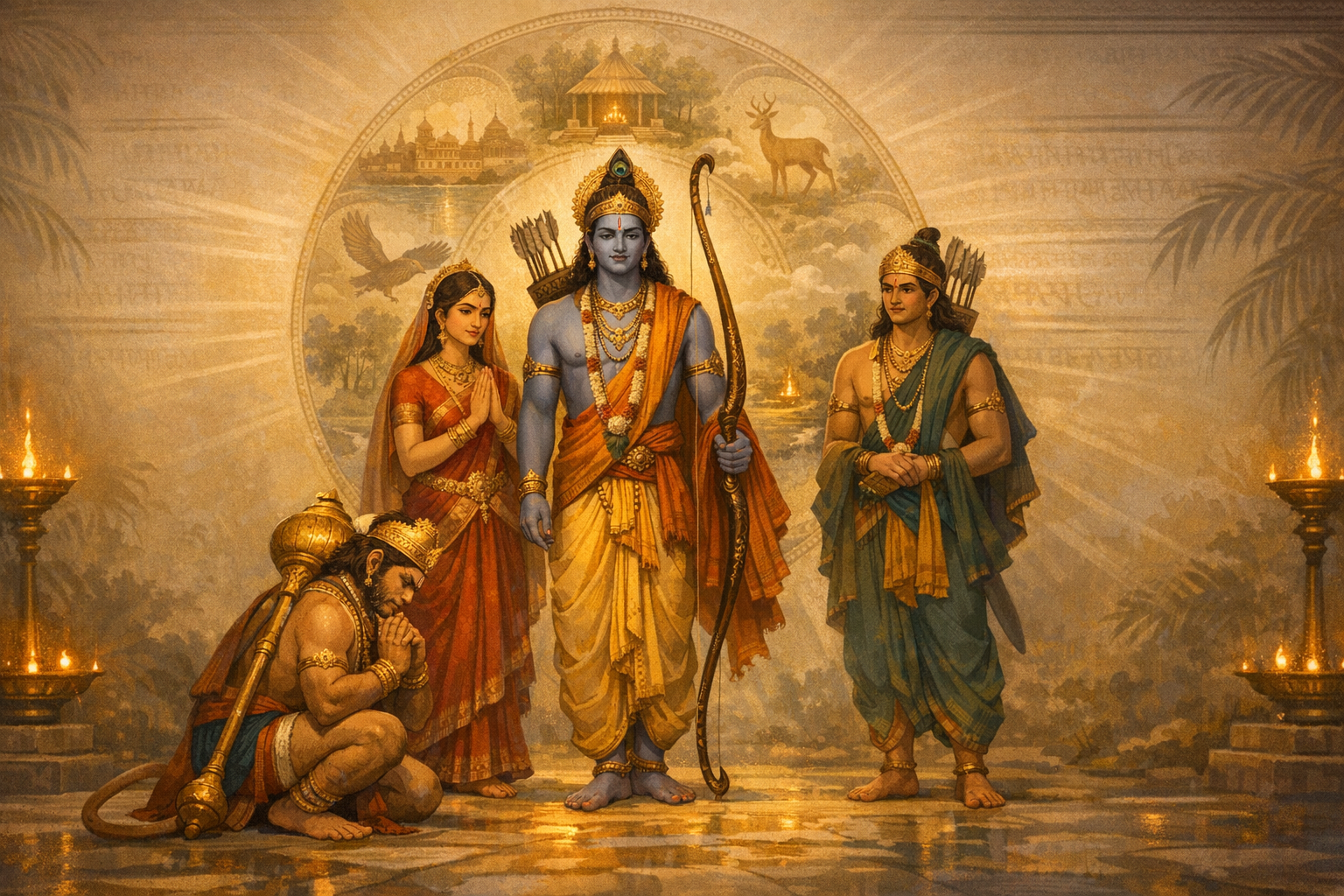
This comprehensive Rama Katha presents a scholarly yet accessible life history of Sri Rama, the Maryada Purushottama, rooted in Valmiki Ramayana and allied traditions. Readers gain a clear overview of the seven kandas, from Ayodhya and vanvas to the Setubandha, Yuddha Kanda, and Sri Rama Pattabhishekam. Ethical complexitiessuch as Vali-vadha and the Agni Parikshaare examined…