-
Amavasya on 17 Feb 2026: Sacred No‑Moon Night, Significance and Ritual Guide

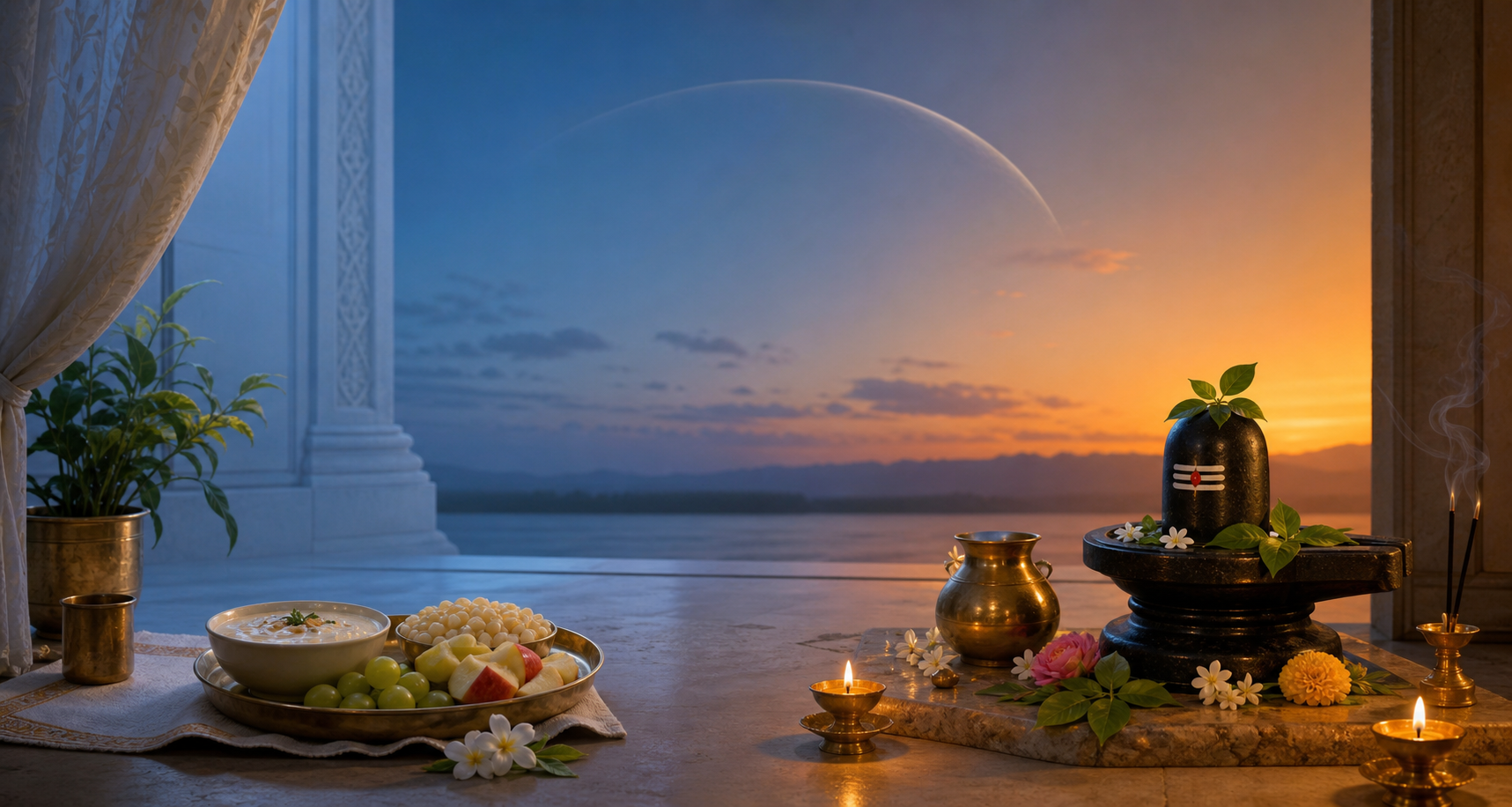
Amavasya in February 2026 occurs on Tuesday, 17 February—Phalgun Amavasya in North Indian Hindi calendars and Magha Amavasya in Marathi, Gujarati, Telugu, and Kannada traditions. The no‑moon night invites fasting, meditation, sesame‑lamp offerings, and pitṛ tarpaṇa where customary. Pilgrims observe punya snāna at Prayagraj’s Triveni Sangam, Haridwar, and the ghats of Varanasi, often combining sacred…
-
Phalgun Month 2026 Dates (Falgun Maas): Plan Sacred Observances with Regional Calendar Insights

Phalgun Month 2026 (Falgun maas or Phalguna masam) runs from February 2 to March 3 in the North Indian purnimanta calendar. Regional variations—especially in Telugu and Marathi amanta systems—mean local panchangs are essential for exact tithis and festival timings. The month’s devotional focus includes Holi on Phalguna Purnima and Maha Shivaratri generally on Krishna Paksha…
-
Sacred Rivers, Timeless Bonds: Why Tarpan with Flowing Water Deepens Ancestral Grace

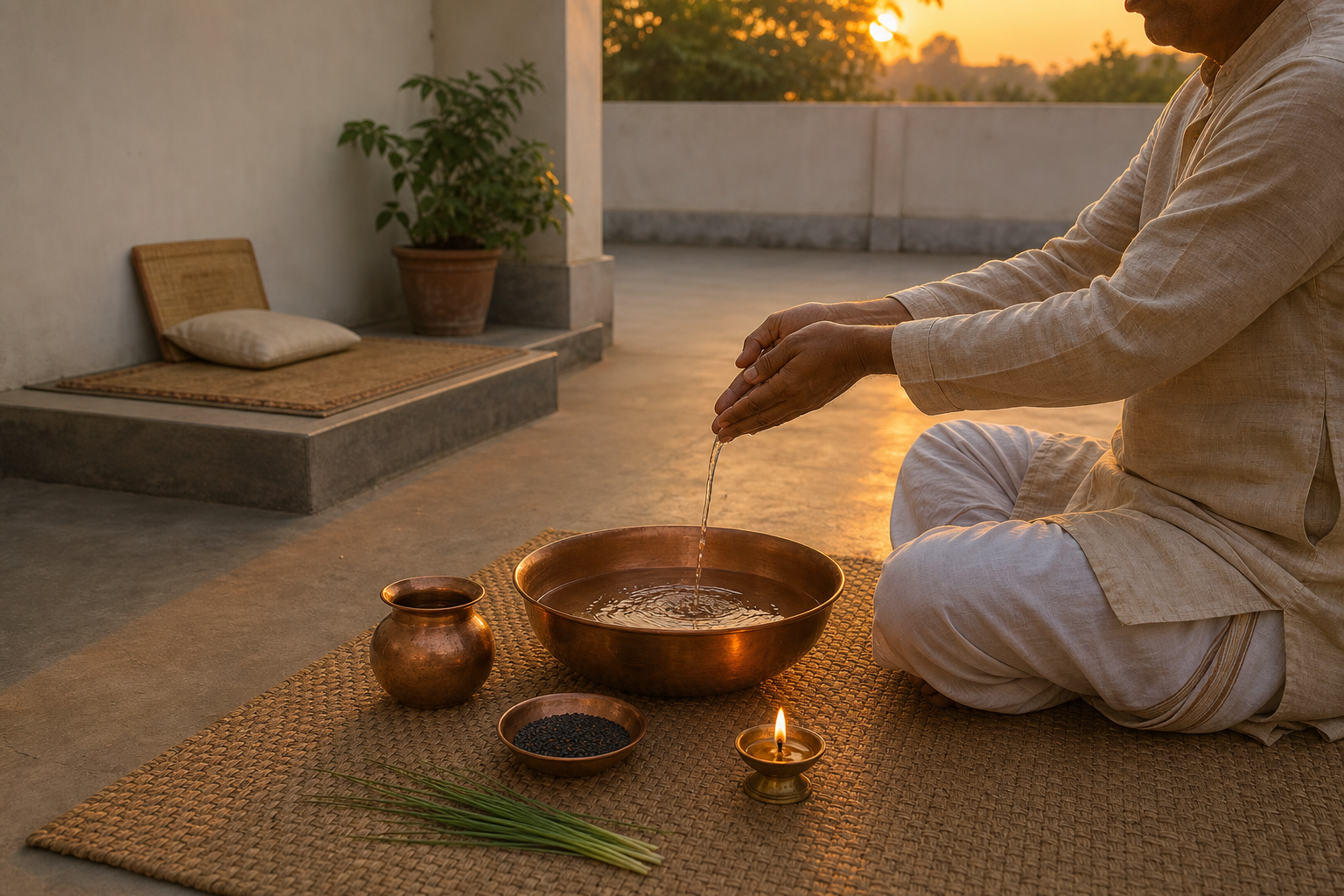
Tarpan, central to Shradh, is traditionally performed with river water because flowing, living waters embody purity, movement, and sacred continuity. Scriptural traditions praise tirthas and link the efficacy of libations to water that carries offerings forward without stagnation. Riverbank rites also cultivate community memory, transmitting values of gratitude and filial duty across generations. Shared reverence…
-
Skandagiri Temple Pujas in February 2026: Auspicious Days, Ritual Highlights, Devotee Guide

Skandagiri Subramanya Swamy Temple in Hyderabad will mark February 2026 with pujas centered on Ekadashi, Pournami, Amavasya, and Ashtami in Thai Masam and Masi Masam. These observances typically include abhishekam, alankaram, and archana, nurturing a serene atmosphere that regular visitors find both contemplative and uplifting. The temple’s practices embody shared dharmic values—discipline, ahimsa, and seva—encouraging…
-
Hindu Festivals in February 2026: Essential Magha–Falgun Guide to Auspicious Days & Tithis

February 2026 corresponds to the Magha–Falgun period across Telugu, Kannada, Marathi, Gujarati, and North Indian Hindi calendars. This academically grounded guide explains how tithi-based observances determine Hindu festivals and auspicious days (Shubh Muhurat) during the month. It highlights common fasts and vratas such as Ekadashi, Pradosh, Sankashti, Purnima, Amavasya, and Masik Shivaratri, while noting that…
-
Hindu Festivals in February 2026: Your Sacred Magha–Falgun Guide to Dates, Tithis, Muhurats

February 2026 spans Magha into Falgun across Hindu calendars, offering a rich cycle of vrata, puja, and community observances. This guide explains how tithi, nakshatra, and weekday shape auspicious days and muhurats for planning family rituals and temple visits. It highlights key observances likely to fall in February 2026—such as Vasant Panchami, Ratha Saptami, Bhishma…
-
Mauni Amavasya 2026: Sacred Silence, Magh Mela, and the Blessings of Prayag Snan

Mauni Amavasya 2026 (January 18) coincides with the Magh Month’s No Moon day, revered for Magh Snan at the Triveni Sangam in Prayag (Prayagraj). The observance of mauna (sacred silence) encourages deep introspection through meditation, japa, and pranayama. Pilgrims recognize the day for the heightened merit of snan, dana, and japa, while communities celebrate its…
-
Child Born on No-Moon (Amavasya) Day: Cultural Meanings, Life Paths, and Hopeful Remedies

Birth on Amavasya (Amavasai) is traditionally associated with contemplation, renewal, and inner strength rather than inauspiciousness. Positioned as the fifteenth tithi in Krishna Paksha (Vad Paksha – Bahula Paksha – dark fortnight), it symbolizes closure and a fresh start in the Hindu calendar. A complete horoscope, not the tithi alone, informs any assessment of career,…
-
January 19, 2026 Panchang: Amavasya to Shukla Paksha Pratipada Timings—Essential Guide

January 19, 2026 features a significant lunar transition in the Hindu calendar: Amavasya tithi lasts until 1:08 AM, then shifts to Shukla Paksha Pratipada until 1:59 AM (local time; subsequent date not specified). The day balances introspection with renewed beginnings, aligning well with household rites and community observances. As auspicious periods vary by locality, readers…