-
Smriti Chandrika: The Definitive 12th‑Century Dharmashastra Digest That Shaped Hindu Law

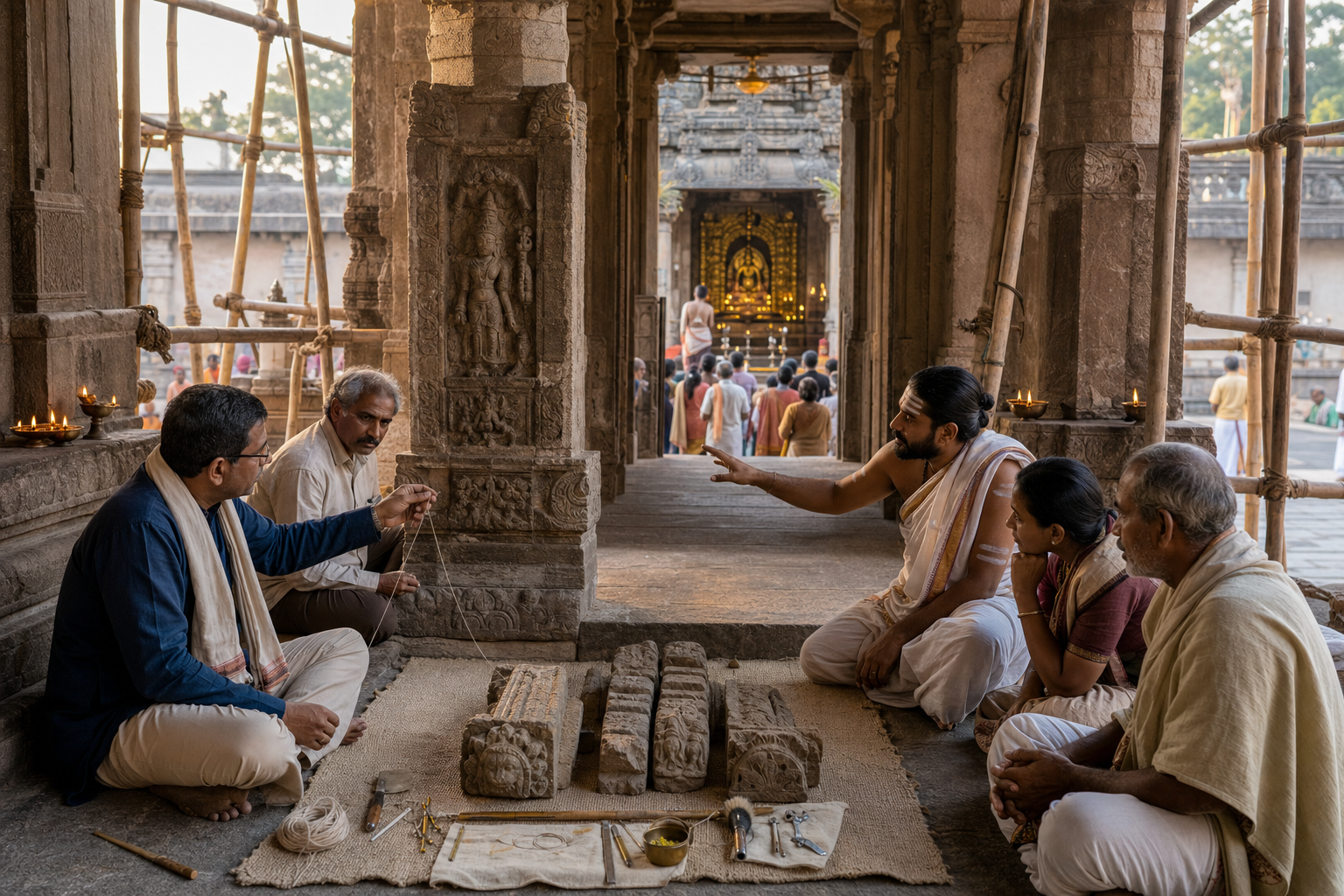
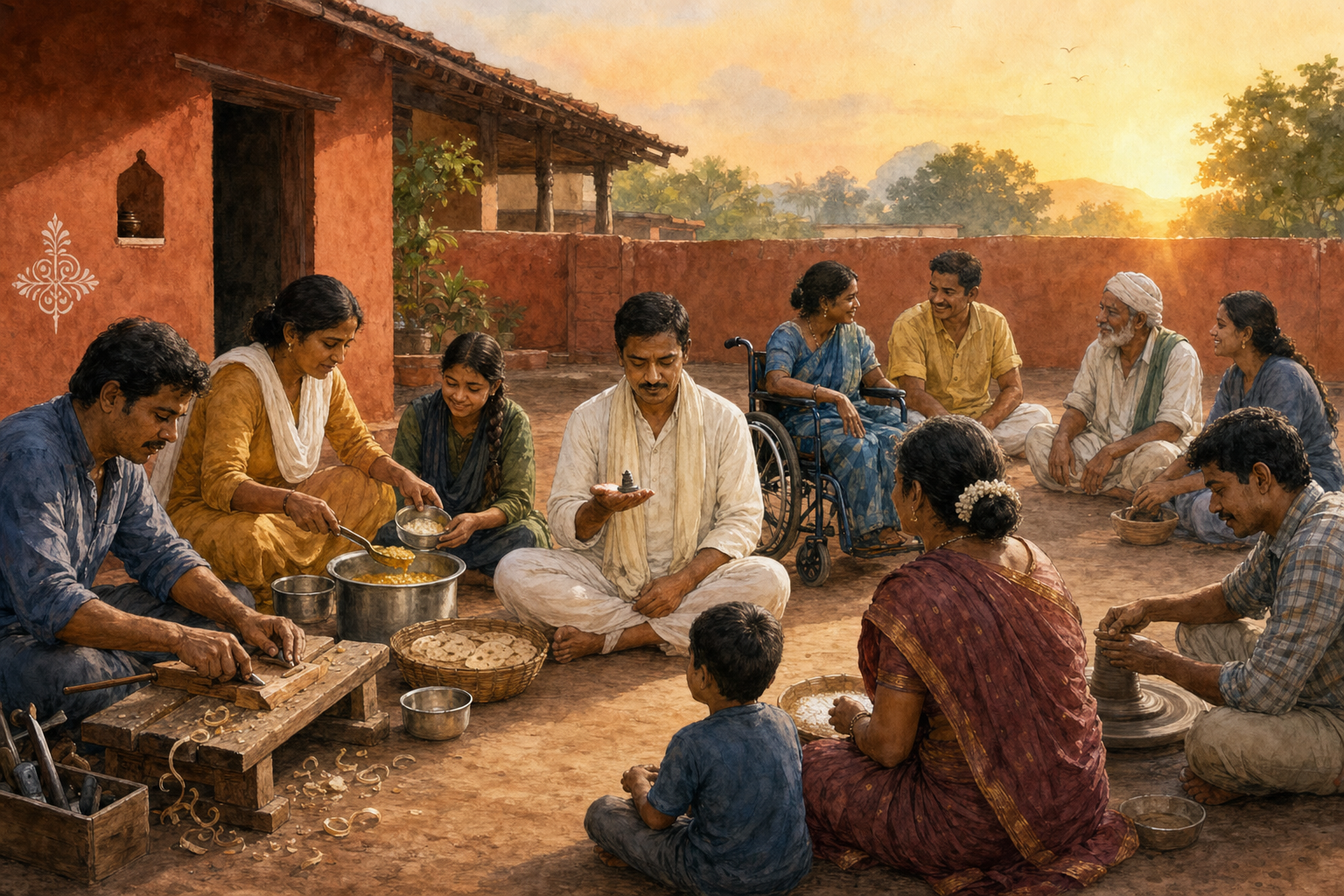
Smriti Chandrika (Smṛticandrikā), attributed to the 12th‑century South Indian scholar Devannabhatta, is a landmark Dharmashastra digest (nibandha) that shaped Hindu law in the Drāviḍa school. Distinguished by meticulous citations and minimal authorial intrusion, it consolidates earlier authorities on conduct (Achāra), life‑cycle rites (Saṃskāra), expiations (Prāyaścitta), ancestor rites and charity, and especially on legal procedure (Vyavahāra),…
-
Manasollasa Unveiled: A 12th‑Century Masterwork of Indian Statecraft, Arts, and Cuisine

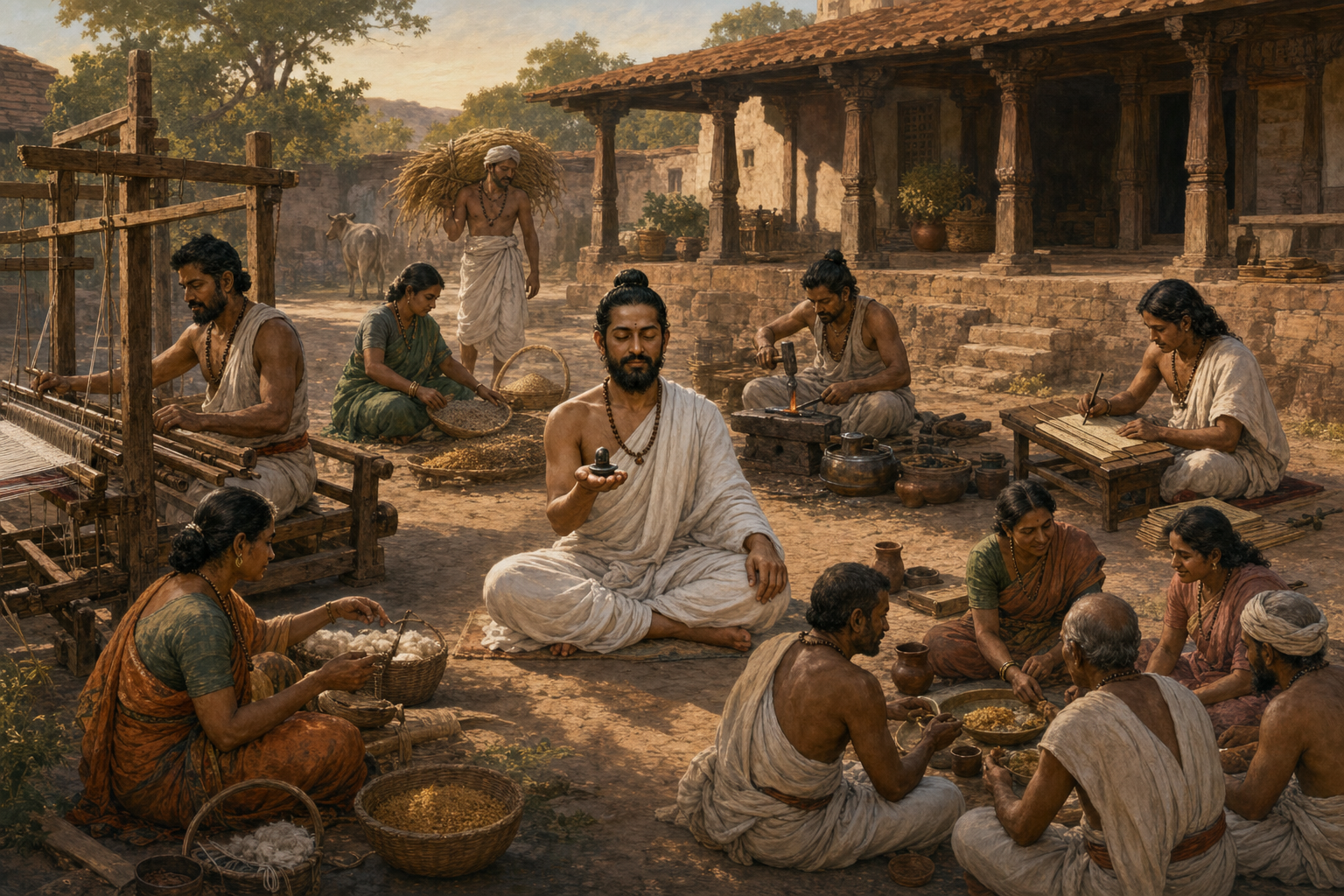
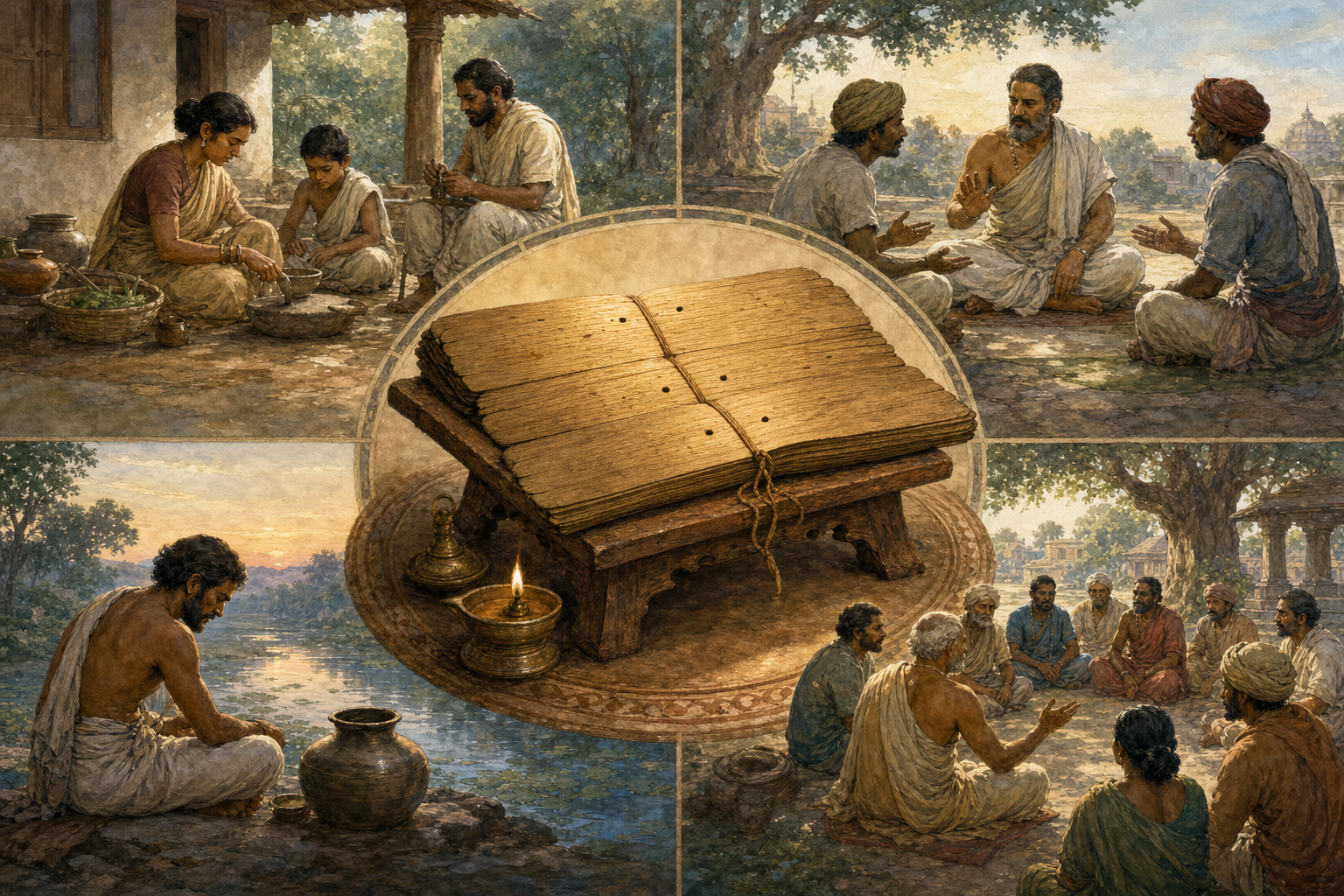
Manasollasa (Abhilashitartha Chintamani) is a 12th‑century Sanskrit encyclopedic treatise by King Someshvara III that integrates statecraft, justice, economy, arts, architecture, music, and culinary science into a single civilizational vision. It details rajadharma, due process, village administration, and fair markets alongside rigorous guidance on hydrology, architecture, and guild regulation. Musicology and dance are situated between Bharata’s…
-
Lingadharana in Virashaivism: The Sacred Wearable of Shiva-Bhakti Shaping Identity and Unity

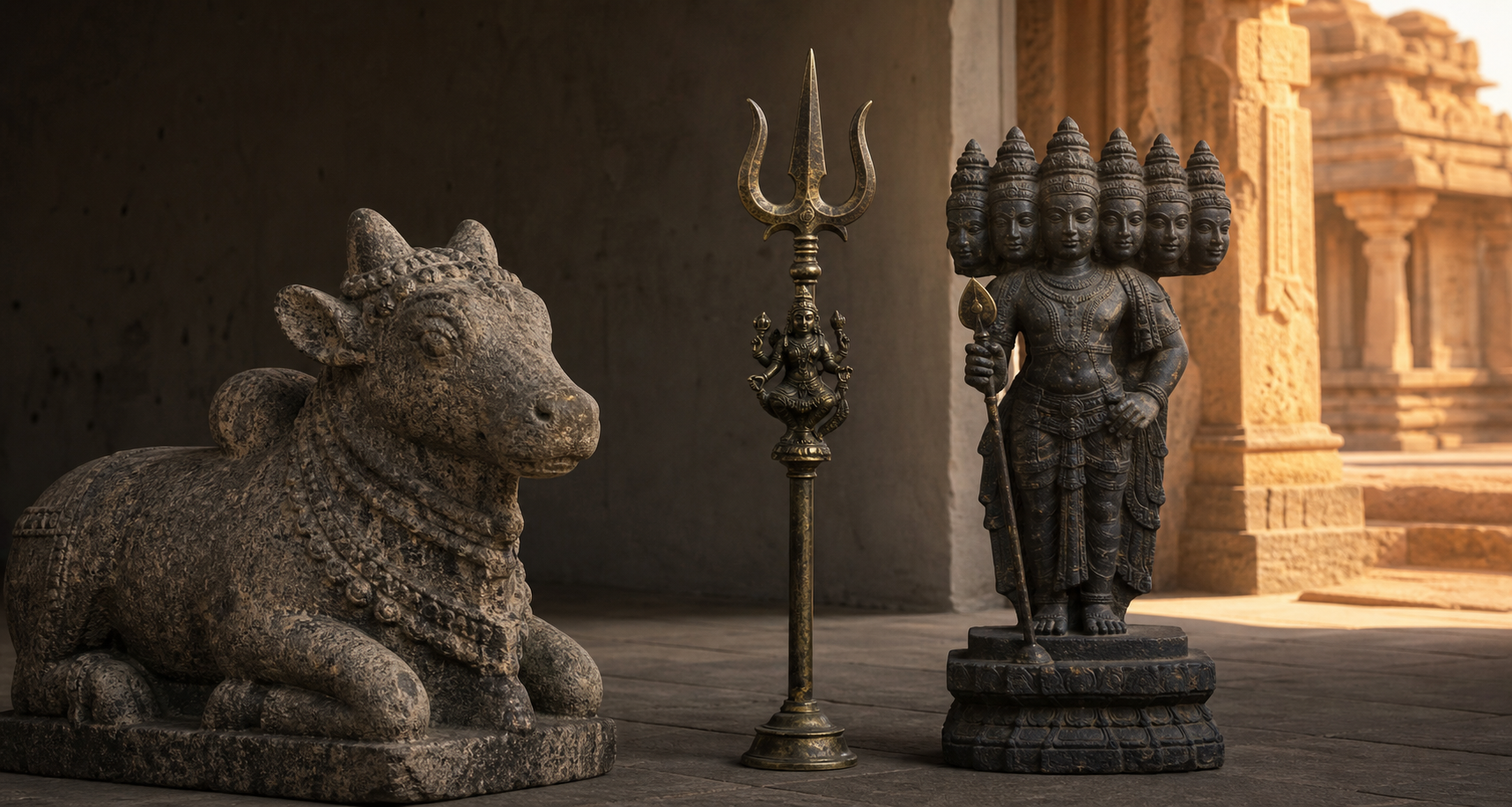
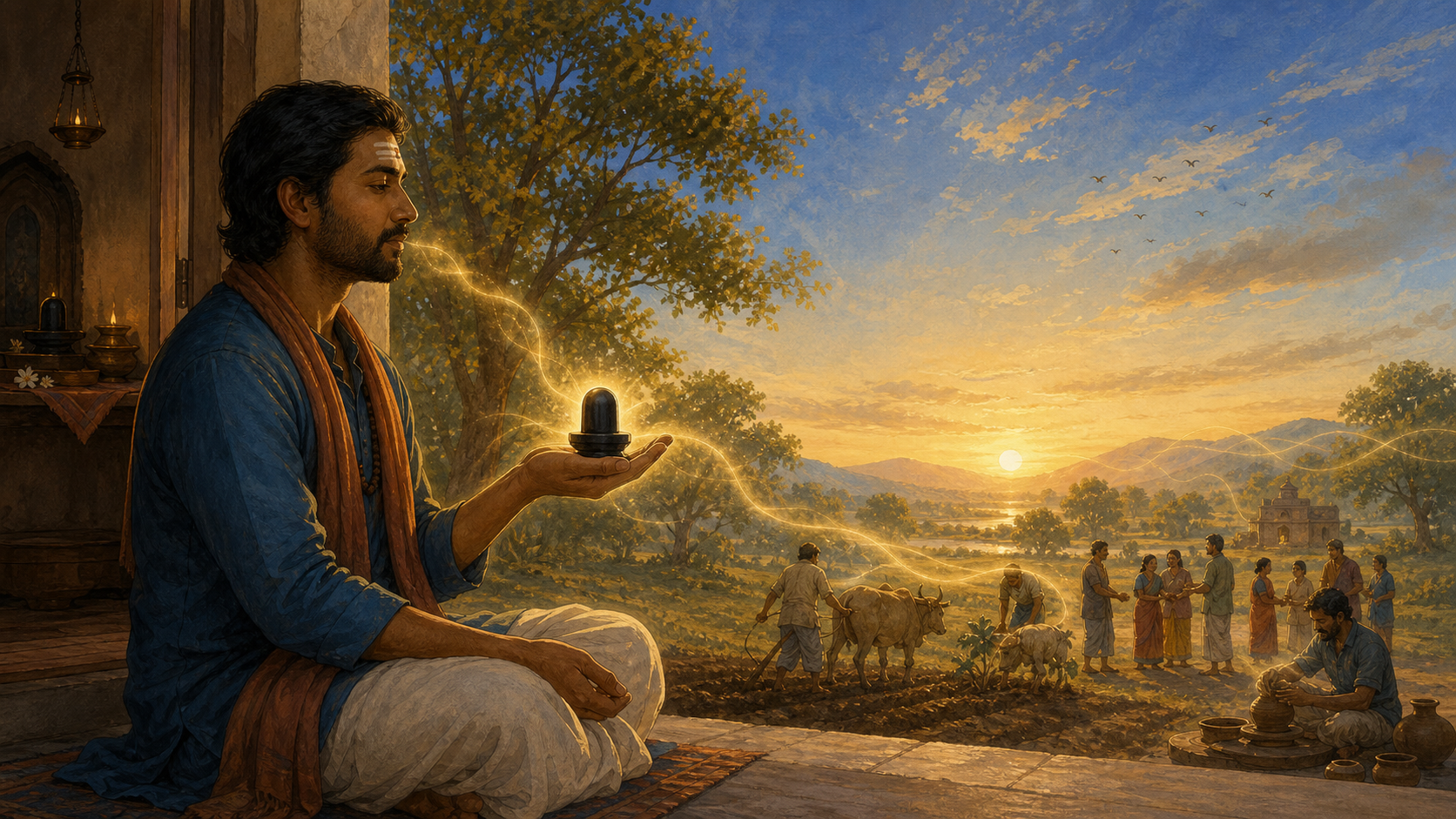
Virashaivism distinguishes itself within Shaivism through Lingadharana, the uninterrupted wearing of the Ishtalinga as a living emblem of devotion and ethical accountability. Grounded in the Ashtavarana and Panchachara, this practice fuses Shaiva metaphysics with daily discipline, ensuring that remembrance of Shiva accompanies every action. Historically prominent in 12th-century Karnataka and associated with Basava and the…
-
Khandana Khanda Khadya: Shriharsha’s Razor and a Masterclass in Defending Advaita Vedanta

Khandana Khanda Khadya stands as a luminous 12th-century masterpiece of Advaita Vedanta, using elegant refutation to unsettle rigid categories and clear a contemplative path to nondual insight. Shriharsha’s method exposes circularities in definitions and limits in pramana theory, challenging naive realism while honoring the self-luminous nature of consciousness. The analysis reveals deep resonances with Buddhist…
-
Unraveling Jayadeva Goswami: A Shaka-Era Luminary, Birthplace Debates, and Devotional Legacy

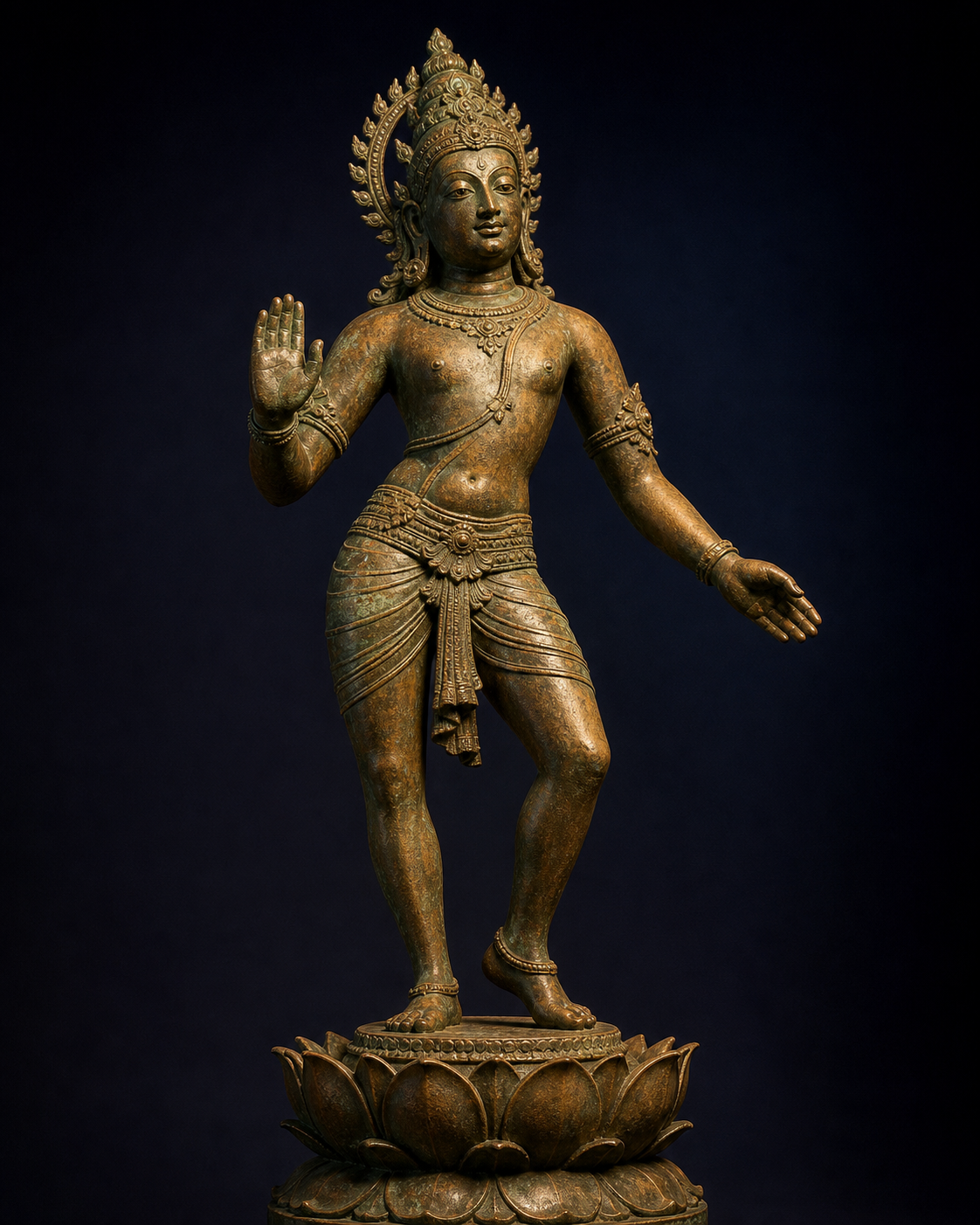
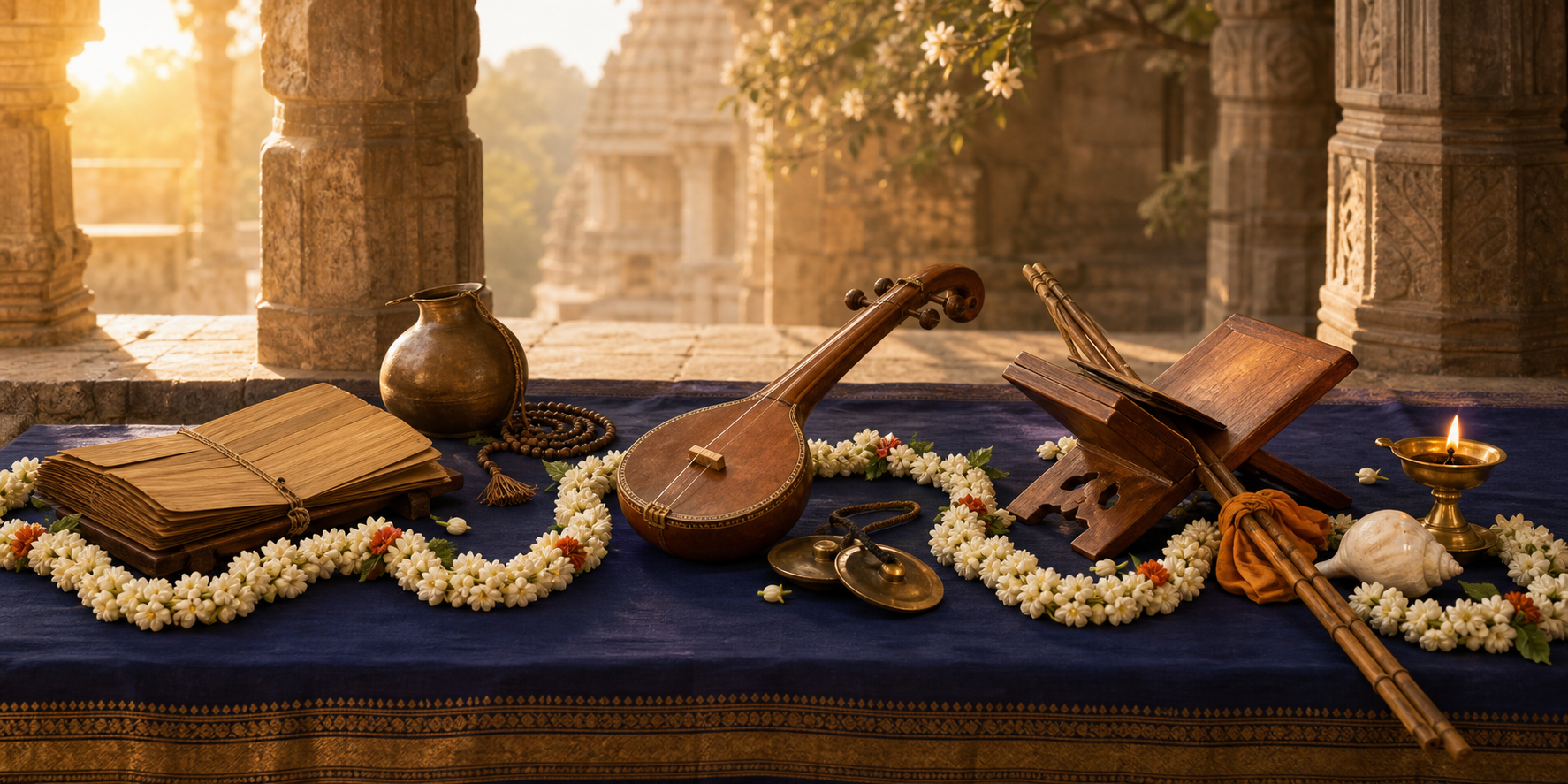
Sri Jayadeva Goswami, a luminary of the Bhakti tradition, is situated by scholars in the 11th–12th centuries of the Shaka era, a transformative period for Indian devotional culture. His birthplace remains debated—Kendubilva in Birbhum (Bengal) holds the majority view, while Odisha and South India preserve alternative traditions. Rather than a contradiction, these claims reveal the…
-
Thousand Pillar Temple, Hanamkonda: Kakatiya-era Rudreshwara Trikutalaya and Living Heritage

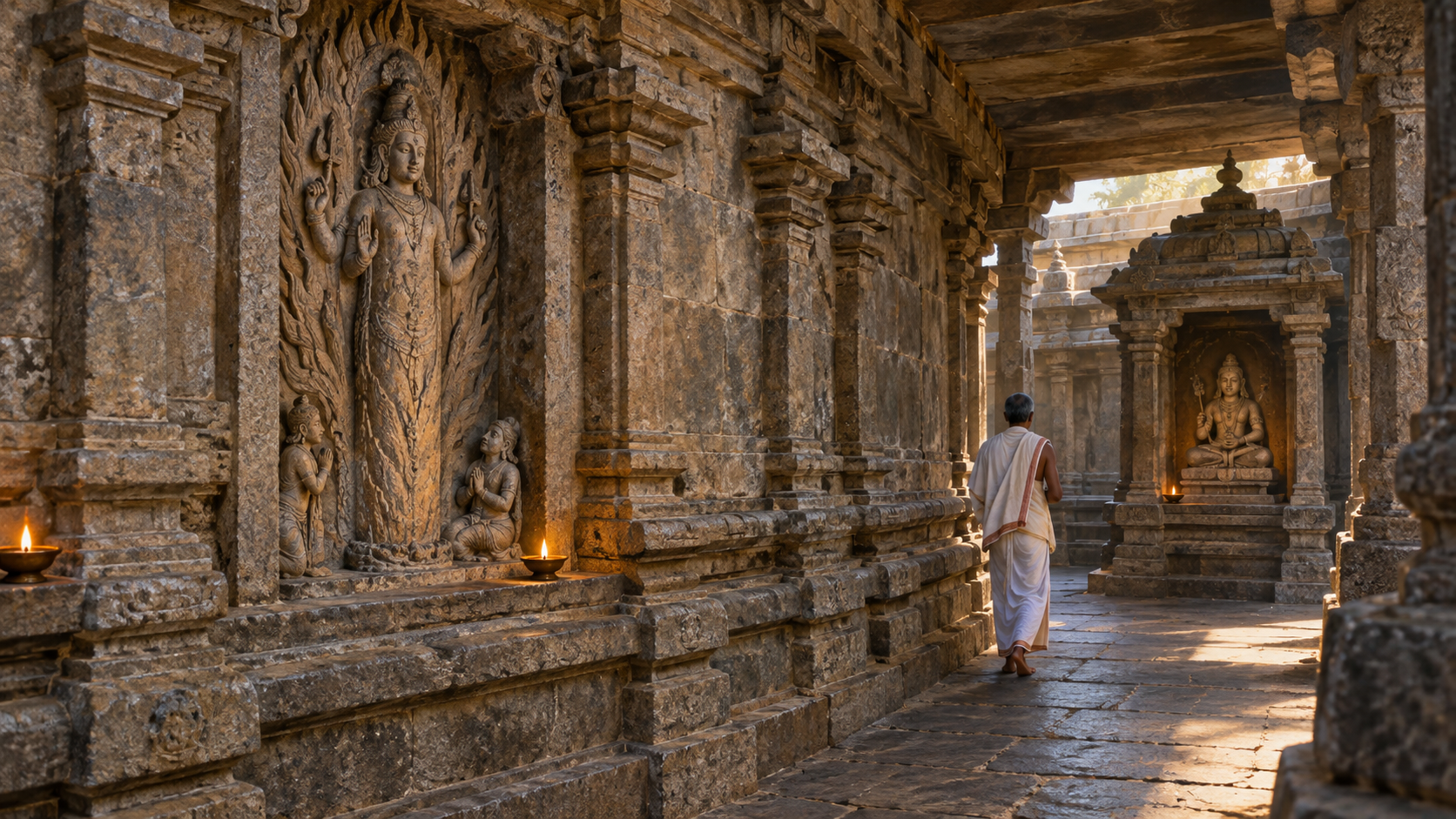
The Thousand Pillar Temple in Hanamkonda (Rudreshwara Swamy Temple) is a Kakatiya-era Trikutalaya dedicated to Shiva, Vishnu, and Surya. Its renowned field of carved pillars and refined ornamentation embody the technical mastery and aesthetic poise of medieval Telangana. Visitors frequently note a contemplative atmosphere shaped by light, stone, and ritual continuity. The triadic sanctum plan…
-
Thousand Pillar Temple, Hanamkonda: Timeless Kakatiya Splendor and Sacred Trikuta Harmony

The Thousand Pillar Temple (Rudreswara/Rudreshwara Swamy Temple) in Hanamkonda, Warangal, is a 12th-century Kakatiya masterpiece renowned for its Trikutalaya plan dedicated to Shiva, Vishnu, and Surya. Its dense colonnades, lathe-turned pillars, and exquisite friezes create an immersive play of light and shadow. Visitors commonly note the temple’s contemplative atmosphere and the precision of its stonework,…