
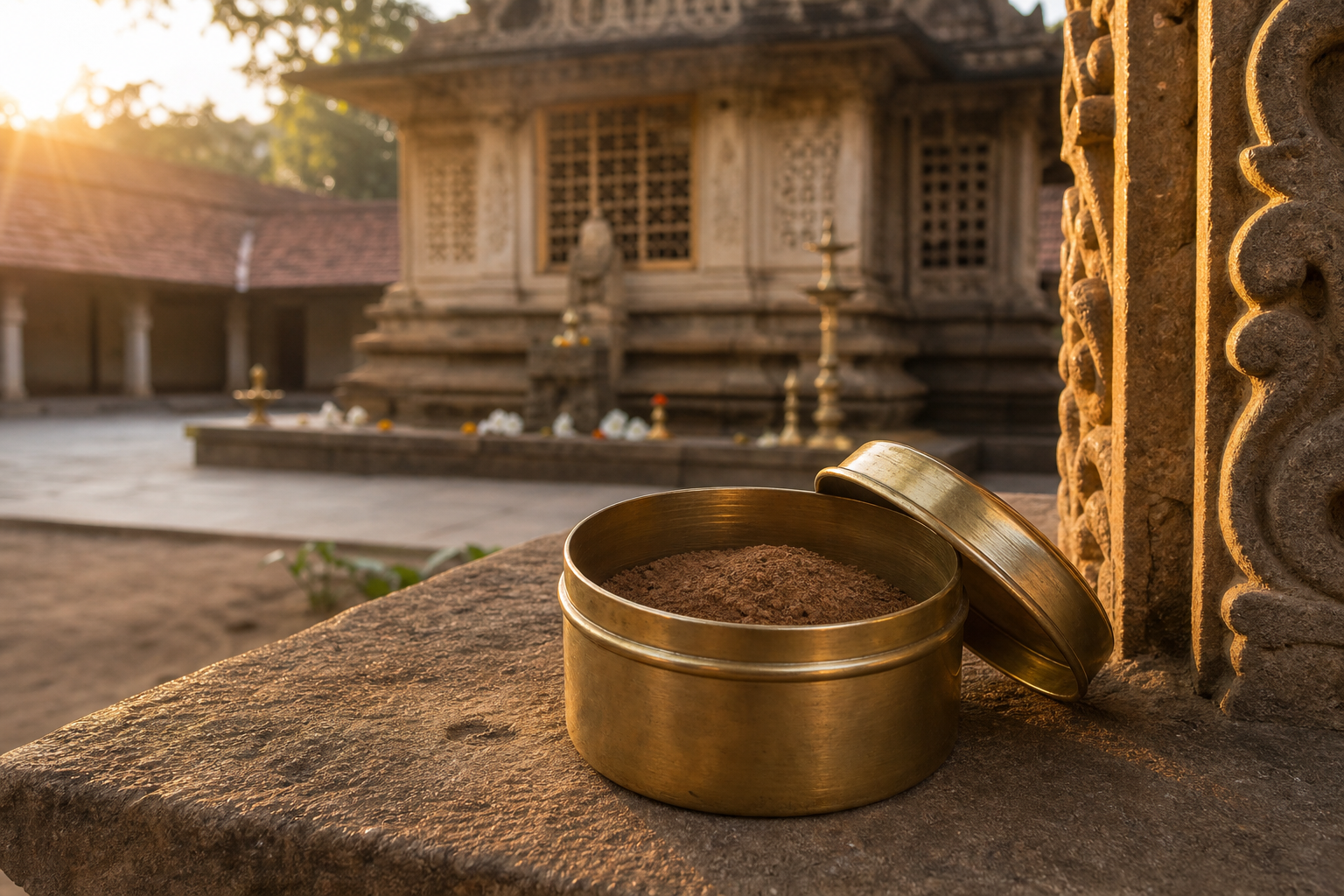
Raghavendra Mrittika is sacred earth associated with Sri Raghavendra Swamy, the Brindavana at Mantralayam and devotional institutions connected to it. Its importance rests not on a claimed unusual composition, but on the relationship it represents among sacred place, guru, lineage, worship and devotee.
A careful approach must therefore ask where the earth came from, how it entered a ritual setting and what place it occupies within Dvaita devotion. It must also distinguish institutional tradition, theological interpretation, sacred narrative and personal testimony without reducing one category to another.
What makes mrittika sacred rather than ordinary soil
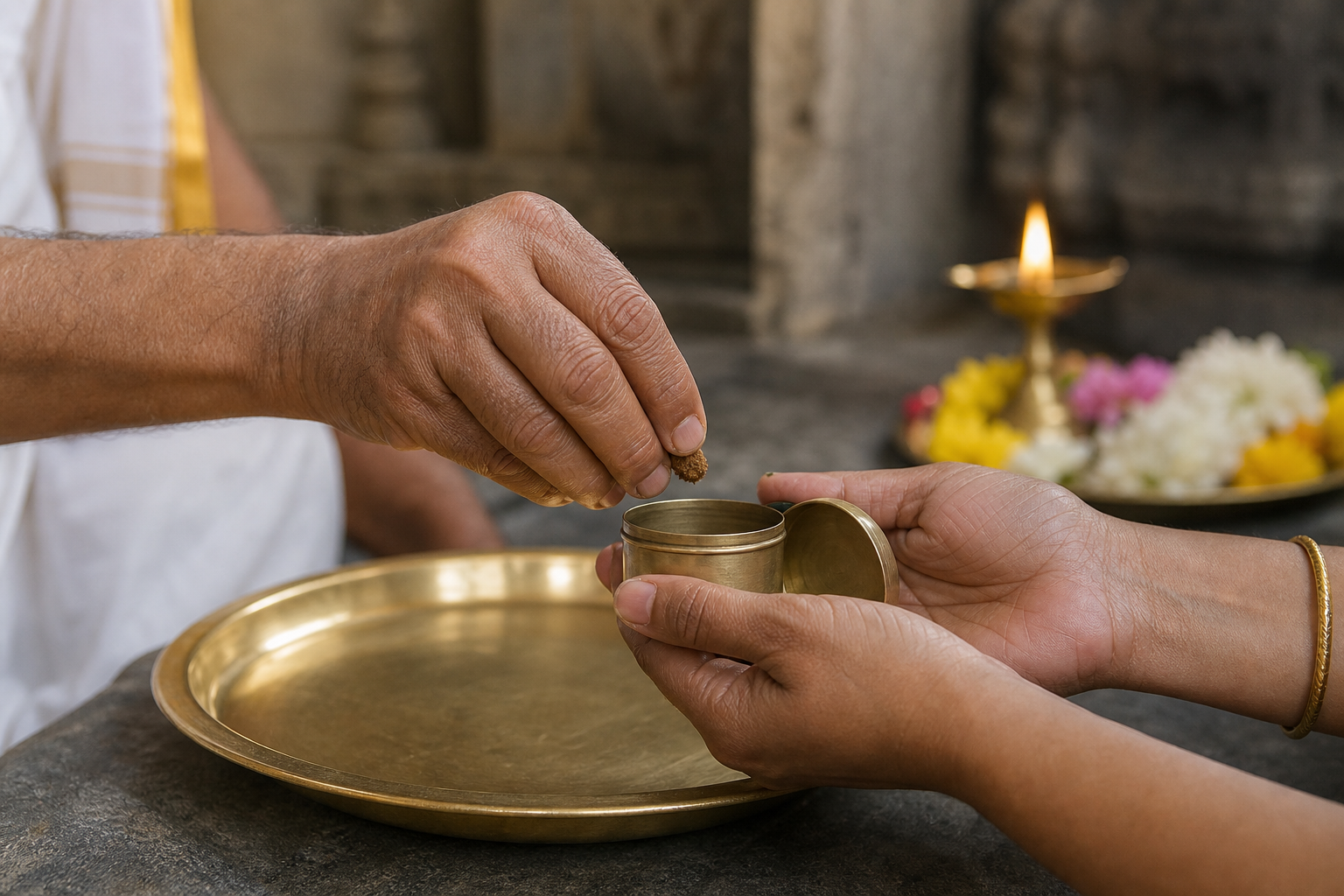
The cited DharmaRenaissance article explains that the Sanskrit word mrittika means earth, soil or clay. English-language devotional writing uses several spellings, including mrittika, mruttika, mrithika and mritika; the article also notes the form Mritigai. These variants reflect transliteration and regional pronunciation rather than separate categories of sacred material.
In this tradition, however, the term does not refer indiscriminately to any soil collected in or around Mantralayam. Sacred status is relational: provenance, ritual handling and an acknowledged connection to Sri Rayaru’s sacred center distinguish mrittika from visually similar earth. The relevant question is consequently not only, “What is this substance?” but also, “Through what recognized devotional relationship was it received?”
The source illustrates that distinction through the Matha’s account of Mruttika Sangrahana Mahotsava. It reports that on Ashada Pournima, observed as Guru Pournima, the pontiff visits the Tulasi garden and performs special worship associated with the mrittika. The earth is then placed in a Suvarna pallaki and ceremonially brought to Sri Rayaru’s Sannidhana. Whatever meaning devotees assign to the material afterward, this sequence shows that its collection is understood as a public ritual act rather than the casual removal of soil.
The Dvaita framework keeps the guru and the sacred earth in context
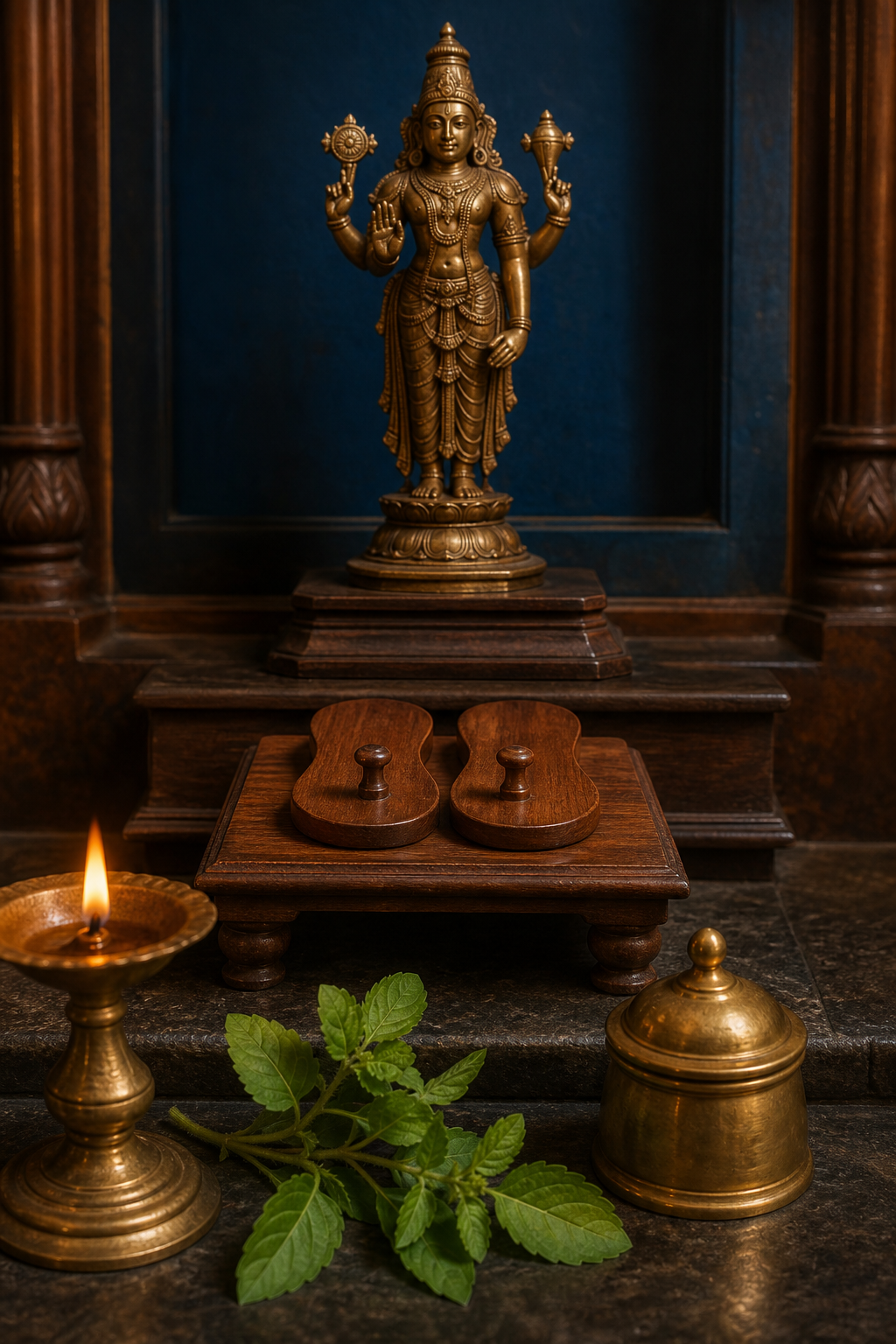
The source places Sri Raghavendra Swamy within the Dvaita Vedanta lineage of Sri Madhvacharya. In the theological account it summarizes, Sri Hari is supreme, individual souls and the material world are real, and enduring distinctions among God, souls and matter are maintained. The guru teaches right understanding, embodies devotion and directs the seeker toward the Supreme; the guru does not displace Sri Hari.
This framework changes how mrittika is interpreted. It can be received as guru-prasada and used as a tangible prompt for remembrance, but it is not presented as an independent force operating outside divine grace. Treating it as a mechanical charm would detach the object from the theology that gives it meaning.
The article also emphasizes Sri Raghavendra’s intellectual life, reporting works concerned with the Vedas, Upanishads, Bhagavad Gita, Brahma Sutras and the Madhva commentarial tradition. That scholarly setting matters for practice: devotion to Rayaru includes teaching, study, disciplined worship and service, not merely an expectation of extraordinary intervention.
How Mantralayam gives the tradition its sacred geography
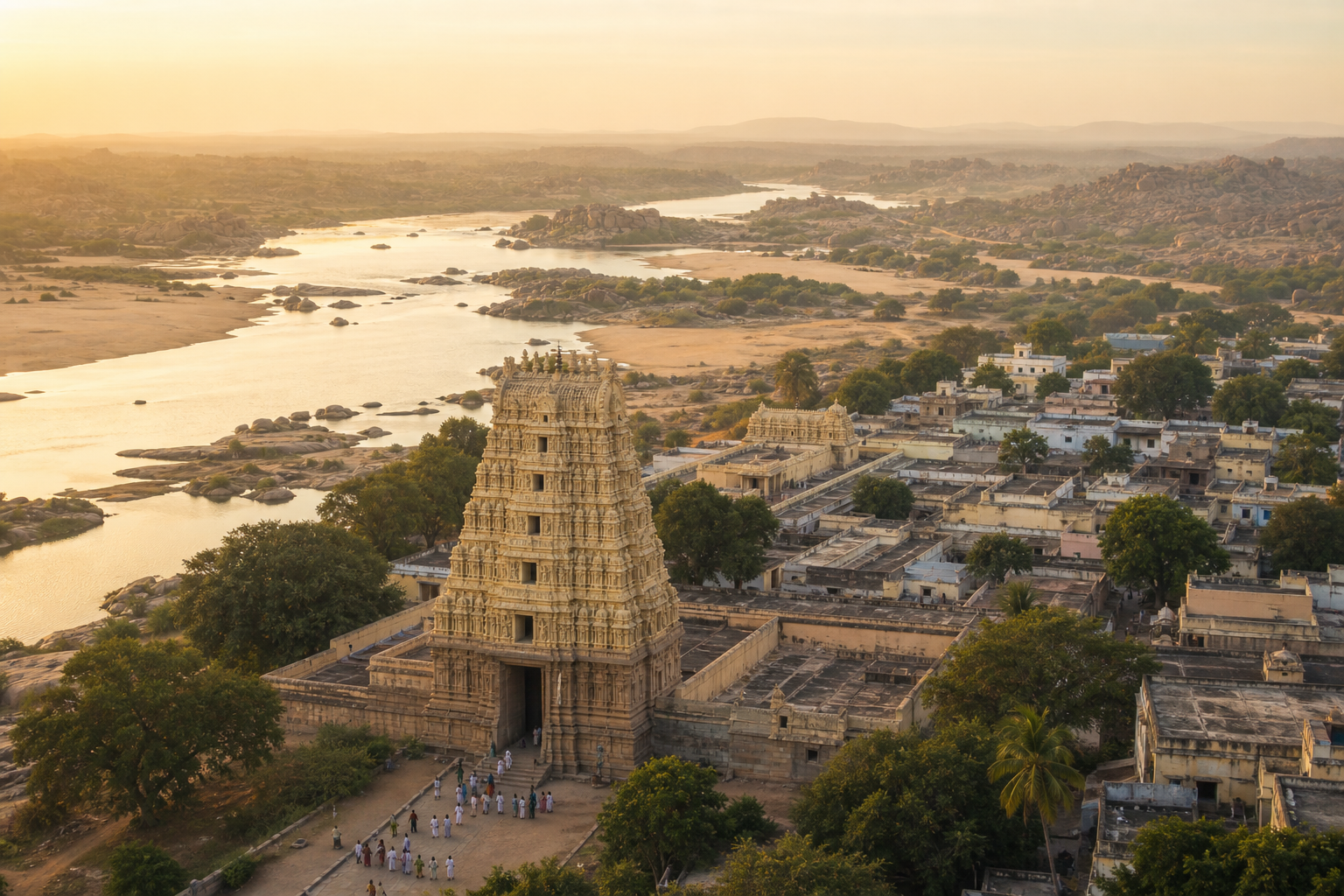
According to the source, Mantralayam stands on the Tungabhadra in the present-day Kurnool district of Andhra Pradesh and was traditionally known as Manchale. Drawing on the Matha’s sacred history, the article reports that Sri Raghavendra selected the location after first seeking the blessing of Manchalamma, its guardian deity. The narrative places the Brindavana within an already meaningful landscape rather than presenting the site as if its religious history began with one shrine.
The same Matha account dates Sri Raghavendra’s Brindavana Pravesha to 1671, on Shravana Krishna Paksha Dwitiya. It describes his entry into meditation and the construction of the Brindavana around him. Devotees understand the Moola Brindavana as a living center of Sri Rayaru’s continuing presence. The source appropriately identifies that continuing presence as a confessional conviction of the tradition, not a conclusion that historical investigation can independently demonstrate.
Mrittika allows this sacred geography to extend beyond Mantralayam. The article reports that the Matha recognizes Mrittika Vrindavanas in different parts of India and has documented the reconsecration of such shrines. Earth associated with the central Brindavana thus helps a distant shrine maintain a material, devotional and institutional relationship with Mantralayam. The local shrine is not simply a visual imitation; its significance comes from an acknowledged line of connection.
A responsible framework for devotional practice

Preserve provenance
Because sacred status depends on connection and ritual context, devotees should distinguish mrittika received through a recognized Matha or affiliated devotional setting from unverified soil merely described as coming from Mantralayam. Retaining information about its source is a practical way to preserve that distinction. Random collection from the pilgrimage area should not be assumed to reproduce the authorized ritual relationship described by the source.
Follow lineage-specific guidance
Customary forms of handling or household use may depend on instructions from the institution that distributes the mrittika, a local Mrittika Vrindavana or a trusted teacher in the tradition. The source supports an orientation centered on reverence, remembrance of the guru, devotion to Sri Hari, study and service; it does not justify separating the material from that broader discipline.
Respect testimony without converting it into a guarantee
Sacred narratives and devotees’ accounts of protection or guidance belong to the tradition’s lived expression. They can illuminate how a community understands grace, but they should not be presented as laboratory findings or promises of repeatable outcomes. This distinction permits serious attention to religious experience without making claims the supplied evidence cannot establish.
The source compares Raghavendra Mrittika with Shaiva vibhuti to show how an outwardly simple substance can carry substantial devotional meaning. It also cautions against collapsing the two practices into one. Vibhuti has its own ritual and theological associations, while Raghavendra Mrittika belongs specifically to Sri Rayaru, Mantralayam and the Madhva lineage. Similarity in sacred materiality does not make the traditions interchangeable.
Key takeaways
- Raghavendra Mrittika denotes earth with recognized ritual provenance, not every sample of soil from Mantralayam.
- Its devotional meaning is governed by Dvaita theology: the guru guides the devotee toward Sri Hari rather than functioning as a competing divine power.
- Ceremonial collection and Mrittika Vrindavanas connect material practice with the authority, worship and sacred geography of the Moola Brindavana.
- Responsible practice follows lineage guidance and does not turn sacred narratives or personal testimonies into guaranteed empirical claims.
As this tradition continues through pilgrimage, family devotion and Mrittika Vrindavanas, its integrity will depend on preserving provenance, transmitting its theological setting and allowing faith claims to remain meaningful without overstating what historical or empirical methods can prove.