
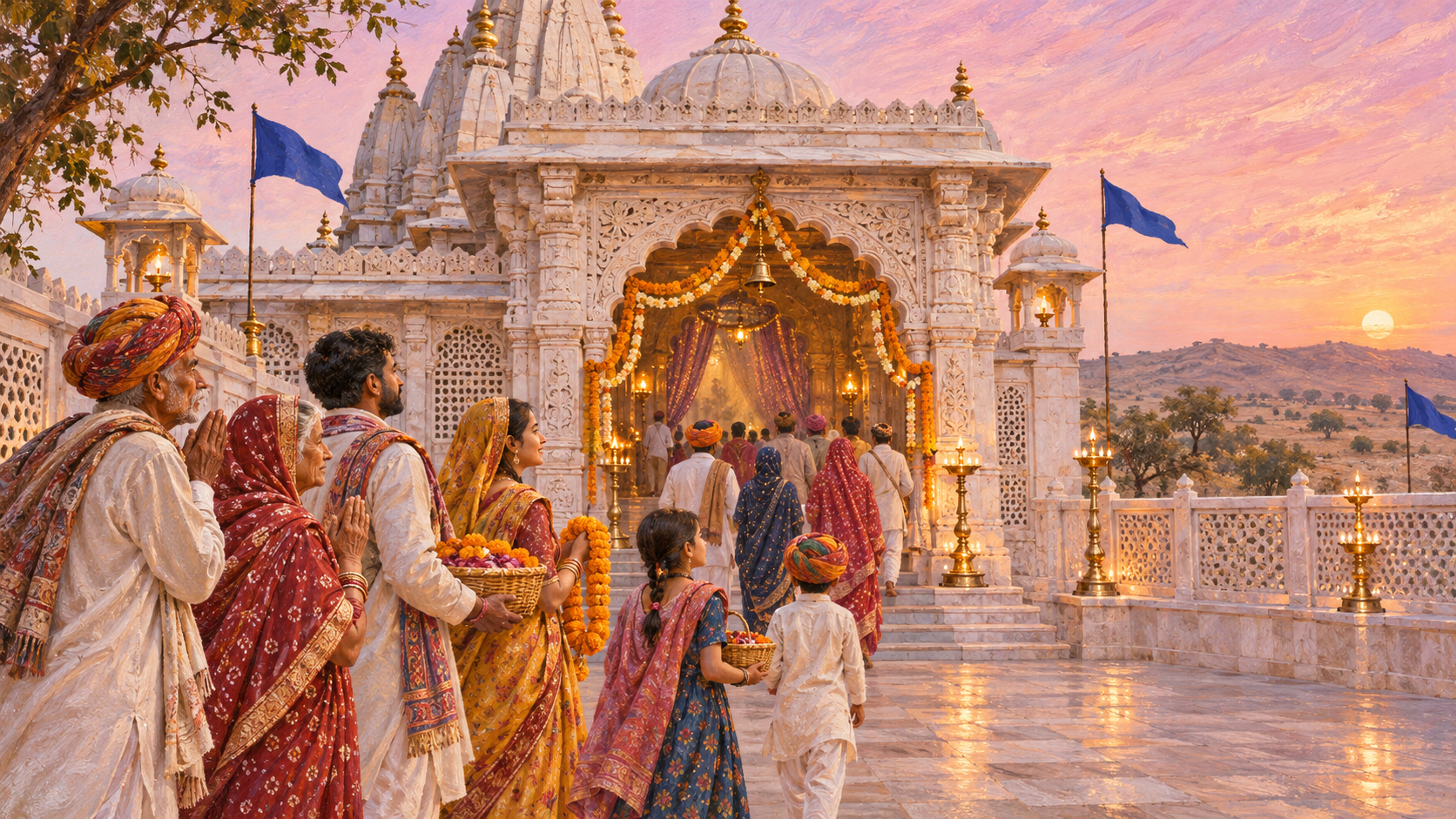
You may have heard one family speak of Barbarika, another invoke Khatushyamji, and devotees simply call out to Shyam Baba. The immediate question is practical: are these different beings, or different names within one tradition?
The short answer is that the names point to the same revered figure, but they do different devotional work. Once you understand the difference between legendary identity, regional tradition and a devotee’s form of address, the apparent confusion largely disappears.
One revered figure, several meaningful names
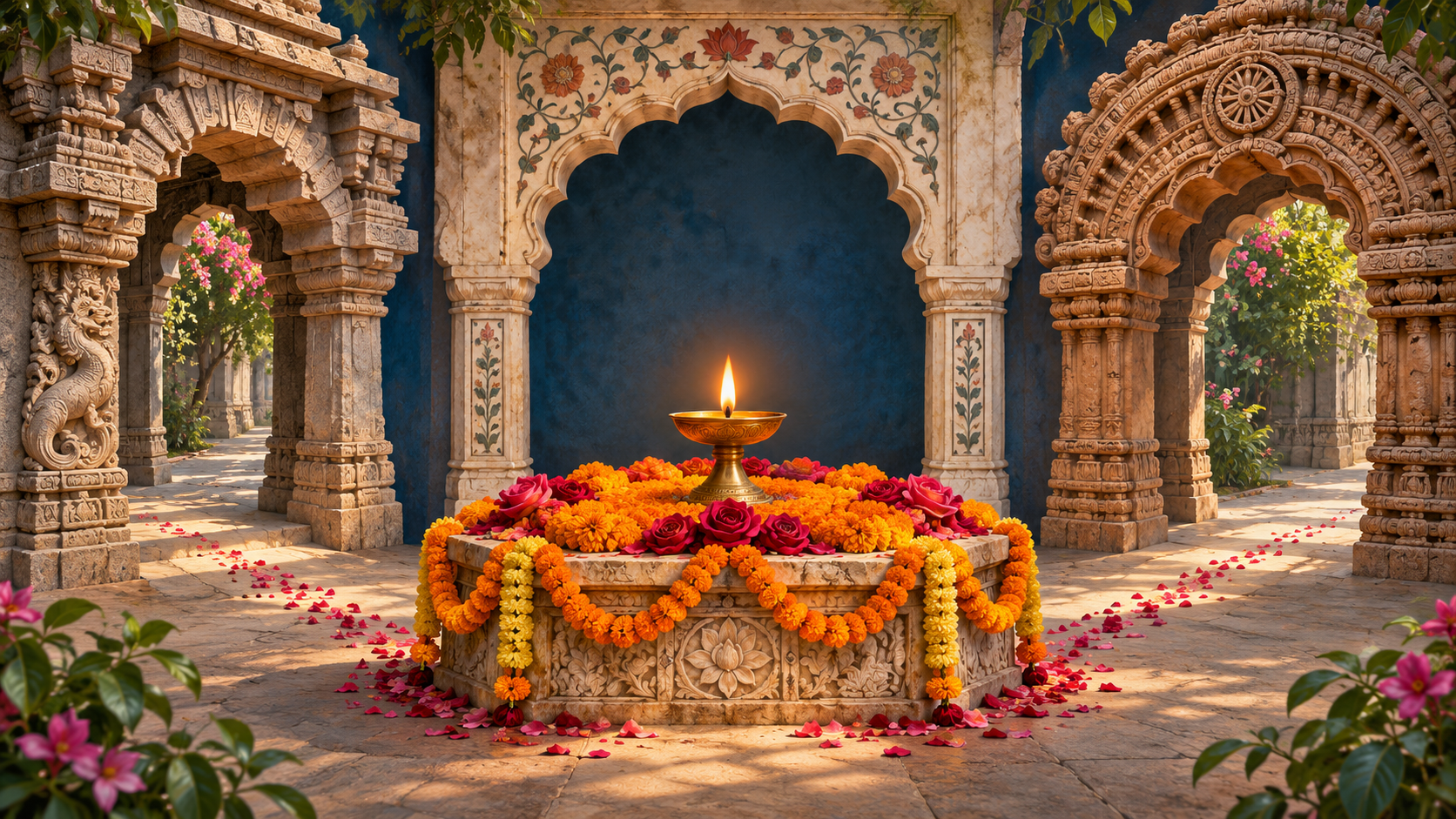
The tradition’s central identification is straightforward: Khatushyam is another name for Barbarika, the legendary son of Ghatotkacha and Mourvi. Barbarika therefore names the figure within an epic family line, while Khatushyam names that same figure as the focus of a living devotional tradition.
Shyam Baba is the affectionate form you are especially likely to hear from devotees. The word “Baba” signals reverence joined with intimacy. It tells you something important about the relationship: this is not merely a character remembered from an old narrative. For the worshipper, Shyam Baba is addressed as a present refuge and protector.
Khatushyamji adds the respectful honorific “ji.” Baliyadev is another name encountered around the wider tradition. You need not force every name into a separate identity. Begin with the shared figure, then ask what a particular community’s preferred name expresses.
- Barbarika points most directly to the legendary identity and lineage.
- Khatushyam or Khatushyamji points to the established devotional form of that figure.
- Shyam Baba expresses the devotee’s intimate and reverential relationship with him.
- Baliyadev belongs to the broader regional vocabulary associated with the tradition.
This name map is the safest place to start when explaining the tradition to a child, a visitor or someone encountering Shyam Baba for the first time. It preserves unity without erasing regional expression.
Keep legend, devotion and historical description distinct
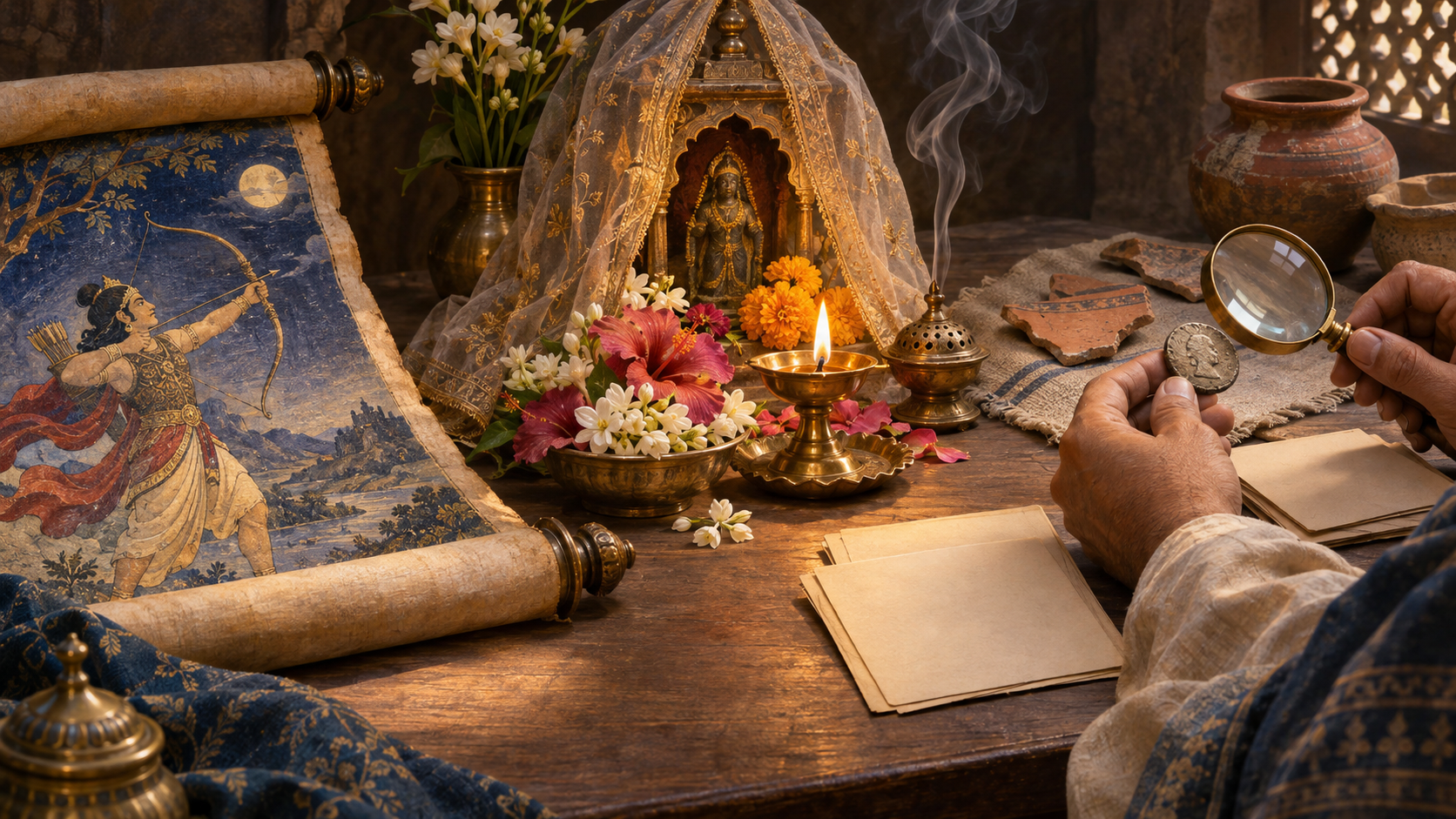
A respectful explanation does not have to treat every kind of claim as though it belonged to the same category. Barbarika’s parentage belongs to sacred legend. The identification of Barbarika with Khatushyam belongs to the tradition. The conviction that Shyam Baba actively saves and protects belongs to lived bhakti.
Devotees regard Shyam Baba as a saviour deity for Kali Yuga. That wording matters. It presents the belief as the community’s devotional conviction rather than pretending to issue a universal definition binding on every Hindu sampradaya.
Kali Yuga is understood in Hindu sacred time as the present age of moral and spiritual difficulty. To invoke a deity as a saviour in this age is therefore more than a decorative title. It expresses the worshipper’s confidence that divine help remains accessible amid confusion, weakness and adversity.
If you are writing or speaking about Khatushyam, choose verbs that preserve these distinctions:
- Use “the tradition identifies” when connecting Khatushyam with Barbarika.
- Use “legend remembers” when discussing lineage or narrative identity.
- Use “devotees regard” when describing Shyam Baba as a saviour in Kali Yuga.
- Use “worshippers address him as” when explaining names such as Shyam Baba.
This is not evasive language. It is accurate language. It allows you to honour sacred conviction without turning a devotional account into a modern historical claim it was never intended to be.
Rajasthan and Gujarat are part of the tradition’s living context
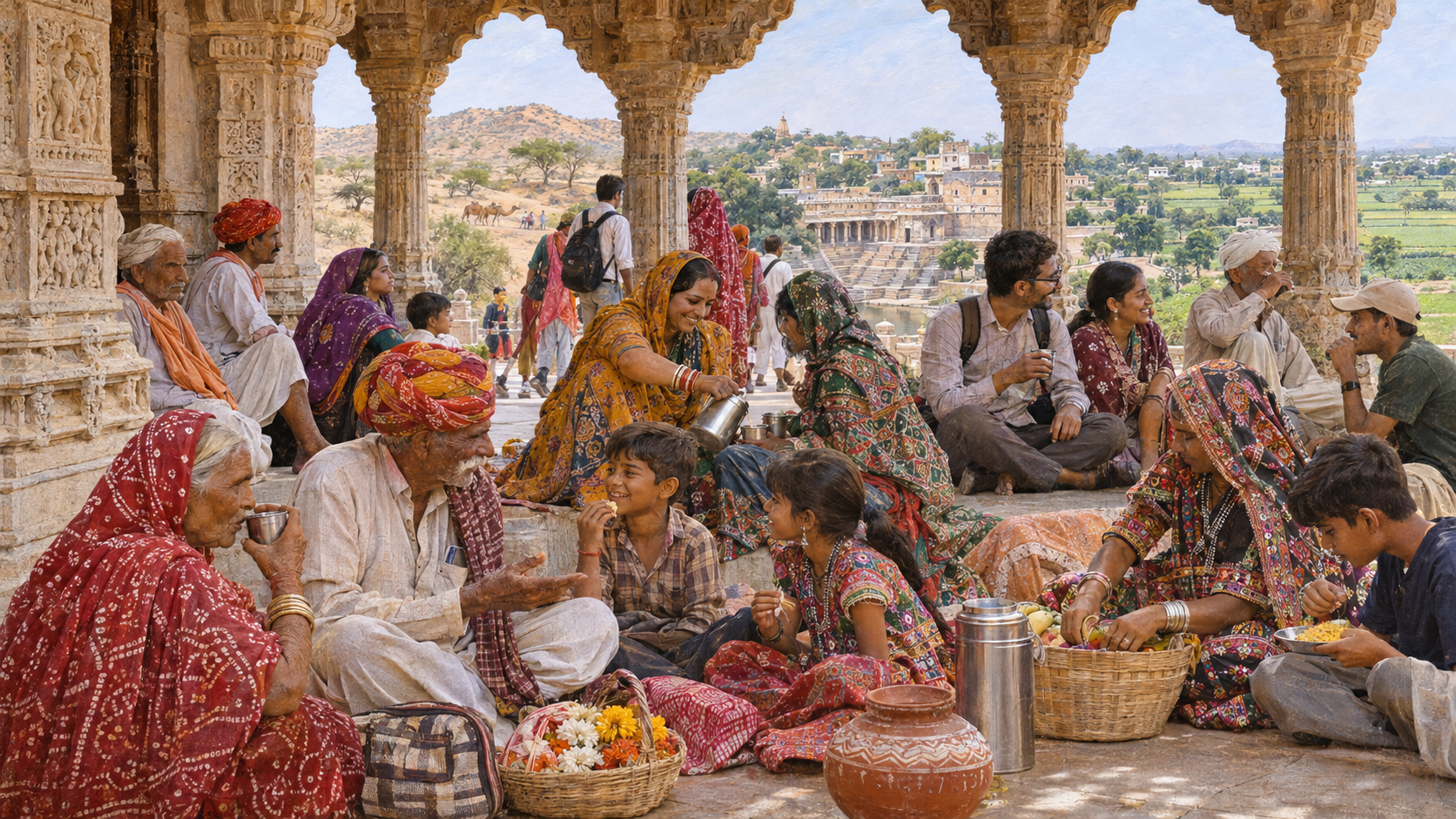
Khatushyam worship is especially associated with devotees in Rajasthan and Gujarat. This regional concentration helps explain why someone may know the figure intimately while another Hindu, raised elsewhere, knows Barbarika only as a legendary name—or has not encountered the tradition at all.
Regional depth should not be mistaken for narrowness. Much of Hindu life is carried through particular communities, languages, pilgrimage habits, family observances and local forms of address. A tradition may be rooted in one part of Bharat while remaining spiritually meaningful to devotees far beyond it.
This also explains why a single rigid retelling can be misleading. A community’s katha may emphasize one name or devotional theme, while another community foregrounds a different one. Before declaring two versions incompatible, identify their shared core:
- The revered figure is Barbarika, also known as Khatushyam.
- His legendary parents are Ghatotkacha and Mourvi.
- Devotees commonly address him as Shyam Baba.
- His worshippers understand him as a source of saving help in Kali Yuga.
- The tradition has a particularly strong regional association with Rajasthan and Gujarat.
Details beyond that core may belong to a particular oral, family or regional telling. When you encounter one, ask where it is preserved and how local devotees understand it. That question will teach you more than arguing over which vocabulary sounds most familiar.
How to approach the tradition without flattening it
If you are attending worship, hearing a katha or learning from a devotee, your first task is not to prove that you already know the “correct” version. Listen for the name the community uses and the relationship that name conveys.
- Identify the setting. Is this a family observance, a regional gathering, a temple practice or an explanatory conversation? The setting affects which name and emphasis will feel natural.
- Learn the local form of address. If worshippers say Shyam Baba, use that name respectfully rather than replacing it with a more academic label.
- Separate the common identity from local elaboration. Hold firmly to the Barbarika–Khatushyam connection, but allow communities to preserve their own devotional vocabulary.
- Describe belief as belief. Say that devotees regard Shyam Baba as a saviour in Kali Yuga. Do not weaken their conviction into “mere folklore,” and do not misrepresent it as a creed all Hindus formulate identically.
- Observe before participating. In an unfamiliar place of worship, let local devotees show you the order, gestures and forms of address. Respectful attention is better than importing practices from a different tradition.
If your purpose is personal devotion, begin with the name that makes the relationship intelligible to you, while remembering the wider identity behind it. If your purpose is education, teach the name map first. If your purpose is cultural documentation, record which community uses which name and avoid presenting a local variation as the only possible form.
The most common mistake is to reduce the tradition in one of two directions: either Barbarika becomes only an old legendary figure, or Shyam Baba is discussed without his legendary identity. The tradition holds the two together. Memory supplies the identity; bhakti makes that identity present.
Key takeaways
- Khatushyam and Barbarika are not rival or unrelated figures; they are names for the same revered being within the tradition.
- Barbarika emphasizes legendary identity, while Khatushyam and Shyam Baba belong especially to living devotion.
- The tradition remembers Barbarika as the son of Ghatotkacha and Mourvi.
- Devotees regard Shyam Baba as a saviour deity in Kali Yuga; present that as a devotional conviction rather than a universal formulation for every Hindu community.
- Rajasthan and Gujarat provide an important regional setting for the tradition.
- When local tellings differ, establish the shared core before judging the variations.
The next time you hear “Barbarika,” “Khatushyamji” or “Shyam Baba,” listen for more than a label. Ask whether the speaker is recalling lineage, naming a form of worship or addressing a trusted divine protector. That one distinction will let you understand the tradition on its own terms—and speak about it with greater care.
References

Leave a Reply
You must be logged in to post a comment.