
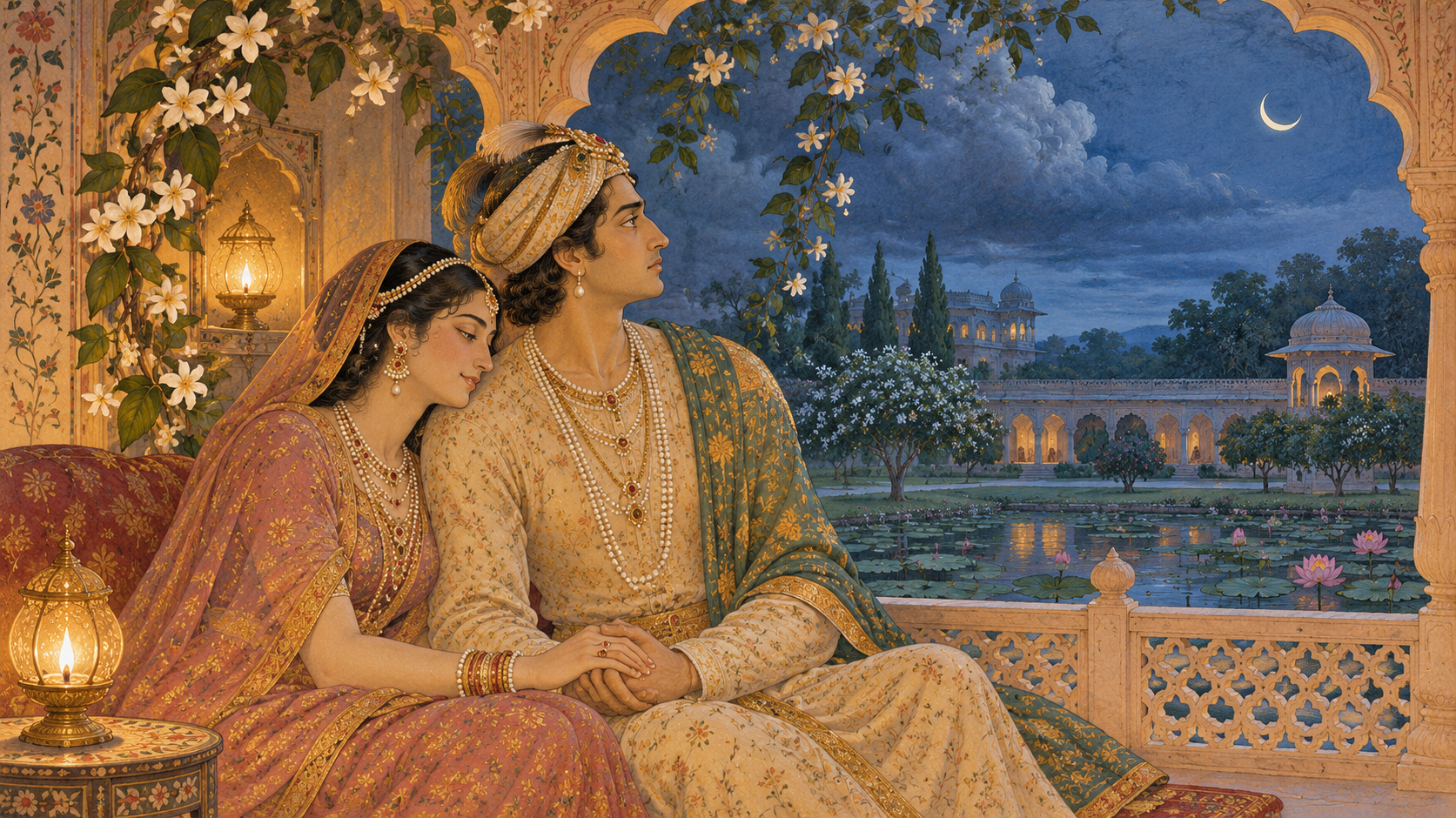
You may know the puzzle from your own life: separation hurts, yet presence does not always end the restlessness. A loving meeting can carry fear of loss, a wish for reassurance, or the knowledge that even the closest person cannot be possessed or fully known. If union is supposed to fulfil love, why does an ache remain?
Rasa theory gives you a more exact answer than either romantic idealism or cynical withdrawal. It does not tell you to reject love. It helps you distinguish the beauty of turning toward another from the bondage of making your inner stability depend entirely on that person’s response.
The ache does not begin when the beloved leaves
Shringara is traditionally honoured as rasaraja, the king of rasas. It encompasses the delight of union as well as the longing of separation. The familiar interpretation puts pleasure on one side and pain on the other: presence fulfils love, while absence wounds it. A more demanding reading argues that shringara can be understood as duhkha in union too.
That does not mean every loving encounter feels miserable, or that tenderness is an illusion. Here, duhkha points to a structural vulnerability inside the delight. The joy is real, but its conditions are not wholly yours to command. The beloved can respond or withhold, remain or leave, understand or misunderstand. Even during union, love reaches toward a freedom outside itself.
You can notice that hidden ache in three places:
- Uncertainty: the other person has an independent will, so affection cannot be guaranteed by your desire.
- Impermanence: the present meeting carries the possibility of change, distance and eventual loss.
- Renewed longing: one moment of closeness does not permanently satisfy the movement of desire. Wanting can return inside the very condition that seemed destined to end it.
This is why the claim that shringara contains sorrow is not a condemnation of love. It is a refusal to flatter pleasure. When you enjoy a scene of union in poetry, drama or devotional song, look for what remains unresolved after the lovers meet. The answer often reveals more than the meeting itself.
Dependence is the hinge, not affection
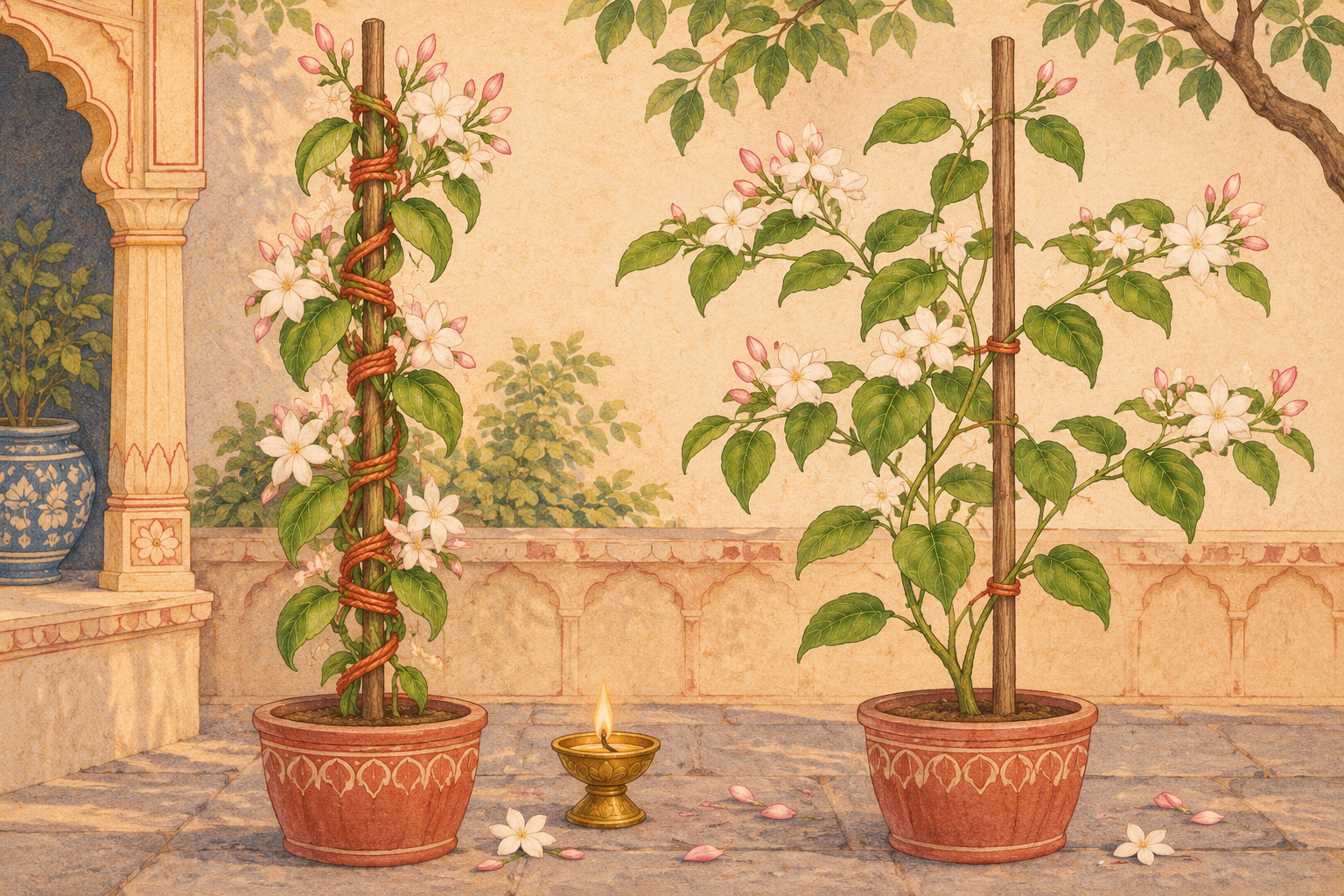
The philosophical hinge appears in the maxim from Manusmriti 4.160, sarvam paravasham duhkham: “whatever depends on another is sorrow”. Its force lies in the word “depends.” The problem is not that another person exists, matters to you or affects you. The problem begins when your peace is placed under a will you cannot govern.
This distinction prevents two opposite mistakes. One mistake is to call possession love: “I can be well only if you think, choose and remain as I require.” The other is to avoid vulnerability altogether and call that freedom. Dharmic inquiry permits a harder middle course. You can care deeply while examining the demand hidden inside your care.
Choose one recurring moment of tension in a relationship and ask four precise questions:
- What do I actually want from this person: affection, agreement, attention, certainty or obedience?
- Have I made their response evidence of my worth, rather than information about their present capacity and choice?
- Can this person differ from me without that difference feeling like betrayal?
- Am I making a request that leaves room for a free answer, or a demand disguised as devotion?
Then rewrite the problem in one sentence: “My peace currently depends on this person doing ________.” The blank exposes the point of bondage more clearly than a general complaint such as “love is painful.” You may still make the request. The practical change is that you stop pretending the request gives you ownership of the answer.
Mutual reliance is not automatically enslavement. Shared duties, promises and care are part of human relationship. The test is whether dependence has become inward captivity: whether another person’s mood, approval or availability has acquired unquestioned control over your sense of self. Rasa theory helps you notice that movement without forcing you to deny attachment or affection.
Rasa lets you savour sorrow without being trapped in it
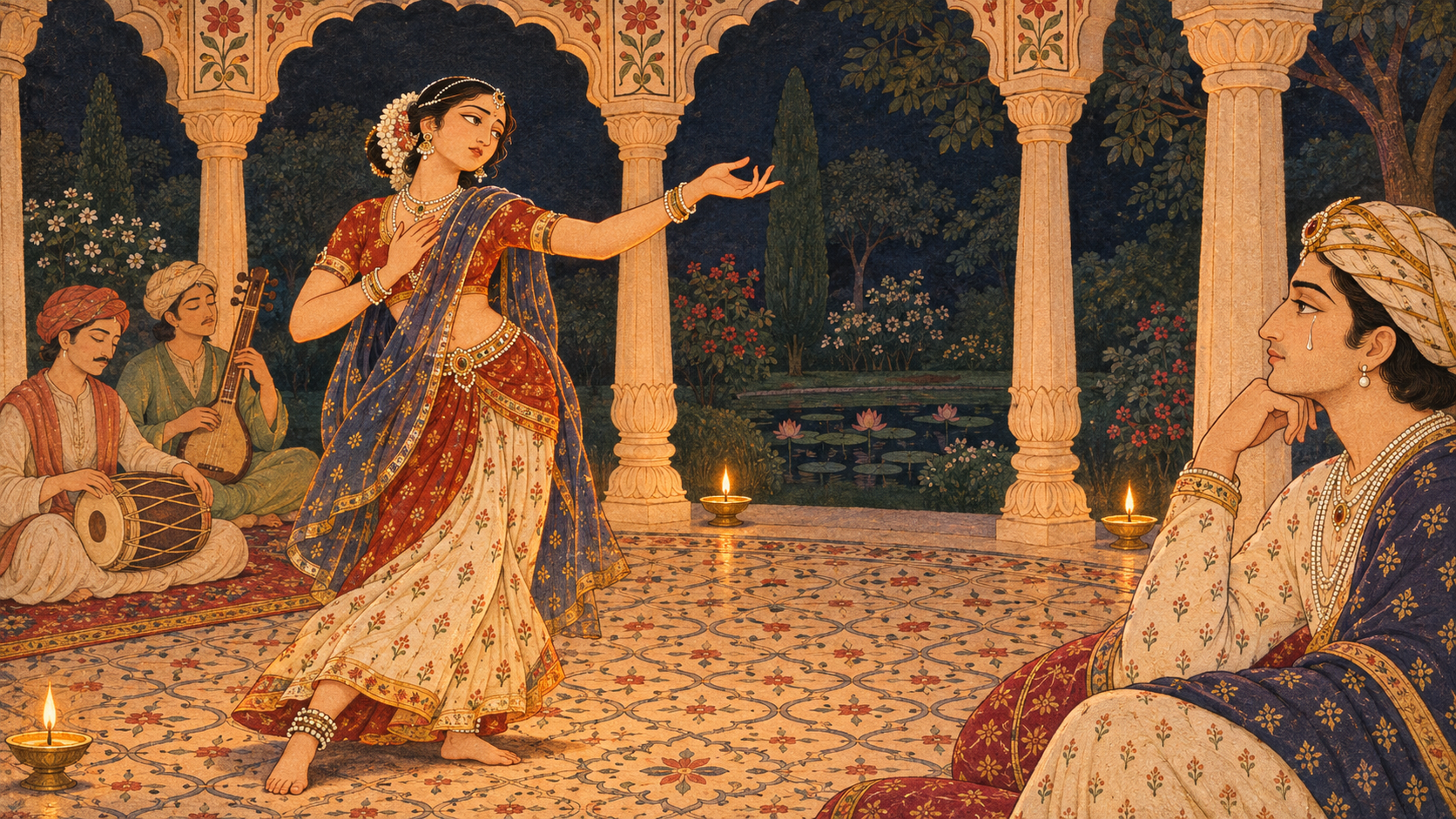
Rasa is not simply the private emotion of a character copied into the spectator. In aesthetic experience, a particular love, fear or grief becomes available in a shareable form. Abhinavagupta’s account of sadharanikarana, often understood as universalisation, helps explain why you can relish shringara without personally obtaining the beloved presented before you.
The distance created by art does not erase sorrow. It changes your relation to it. You are not negotiating with the character, waiting for a message or protecting a personal claim. You can attend to the pattern of longing itself. The ache becomes perceptible without demanding immediate possession, escape or repair.
That is the apparent paradox: sorrow can be aesthetically relished without suffering becoming good. Form, performance and contemplative distance release the experience from the narrow question, “How do I get what I want?” You can then recognise desire’s structure rather than merely obeying it.
Use a three-pass method the next time you read a love poem, watch a dramatic meeting or hear a bhakti composition:
- Read the event. Note what physically happens: approach, meeting, delay, misunderstanding or departure. Do not interpret it yet.
- Locate the dependence. Ask what each figure’s fulfilment requires from another being. Look especially for expectations that remain unspoken.
- Attend to the rasa. Notice how the work makes the longing available to you even though the desired person or deity is not yours to possess. Ask what becomes visible once personal acquisition is suspended.
The debate around shanta rasa sharpens the final pass. Shringara moves toward the beloved; shanta raises the question of what remains when grasping becomes quiet. You do not need to rank one mechanically above the other. Instead, notice whether the work merely inflames wanting or allows you to behold wanting with a steadier awareness. That difference is useful both aesthetically and spiritually.
Prema-vaichittya reveals separation inside presence
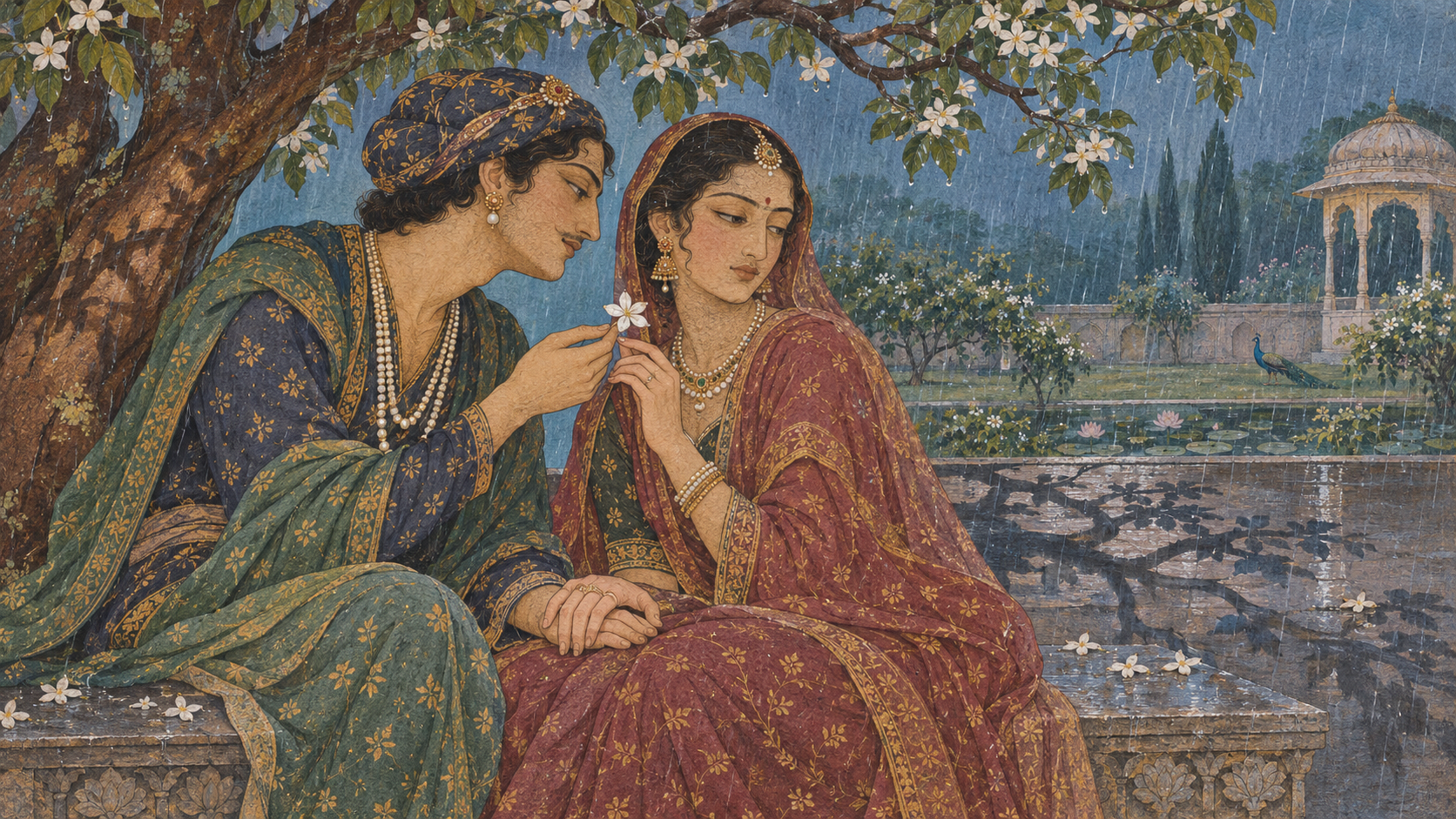
Gaudiya Vaishnava aesthetics gives a particularly subtle name to the puzzle: prema-vaichittya, the experience of separation even within union. Physical proximity does not necessarily produce inward possession. The beloved may be present, yet love perceives distance, fears loss or experiences a longing that presence alone cannot settle.
This matters when you read devotional literature. Do not classify a passage solely by asking whether the divine beloved is visibly present. Ask how presence is experienced. A scene can outwardly depict union while inwardly carrying separation. The emotional truth lies in the relation, not only in the arrangement of bodies within the scene.
The concept must be handled carefully outside its devotional setting. It can illuminate why anxiety sometimes persists during closeness, but it does not make every anxiety sacred or prove that greater distress means greater love. Intensity is not spiritual authority. Nor should divine shringara be flattened into an ordinary relationship problem; its theological horizon exceeds interpersonal romance.
For practical reflection, separate three things that are easily confused:
- Presence: the beloved is available here and now.
- Possession: you imagine that presence gives you control over the beloved’s freedom or future.
- Communion: closeness is real precisely because two beings meet without difference being abolished.
When sorrow appears during union, first identify which of these you expected. If you wanted presence, a clear request may be possible. If you wanted possession, no amount of reassurance can permanently satisfy the demand. If you wanted communion, then difference is not a defect to eliminate; it is one of the conditions that makes meeting meaningful.
Love can hold unity without erasing difference
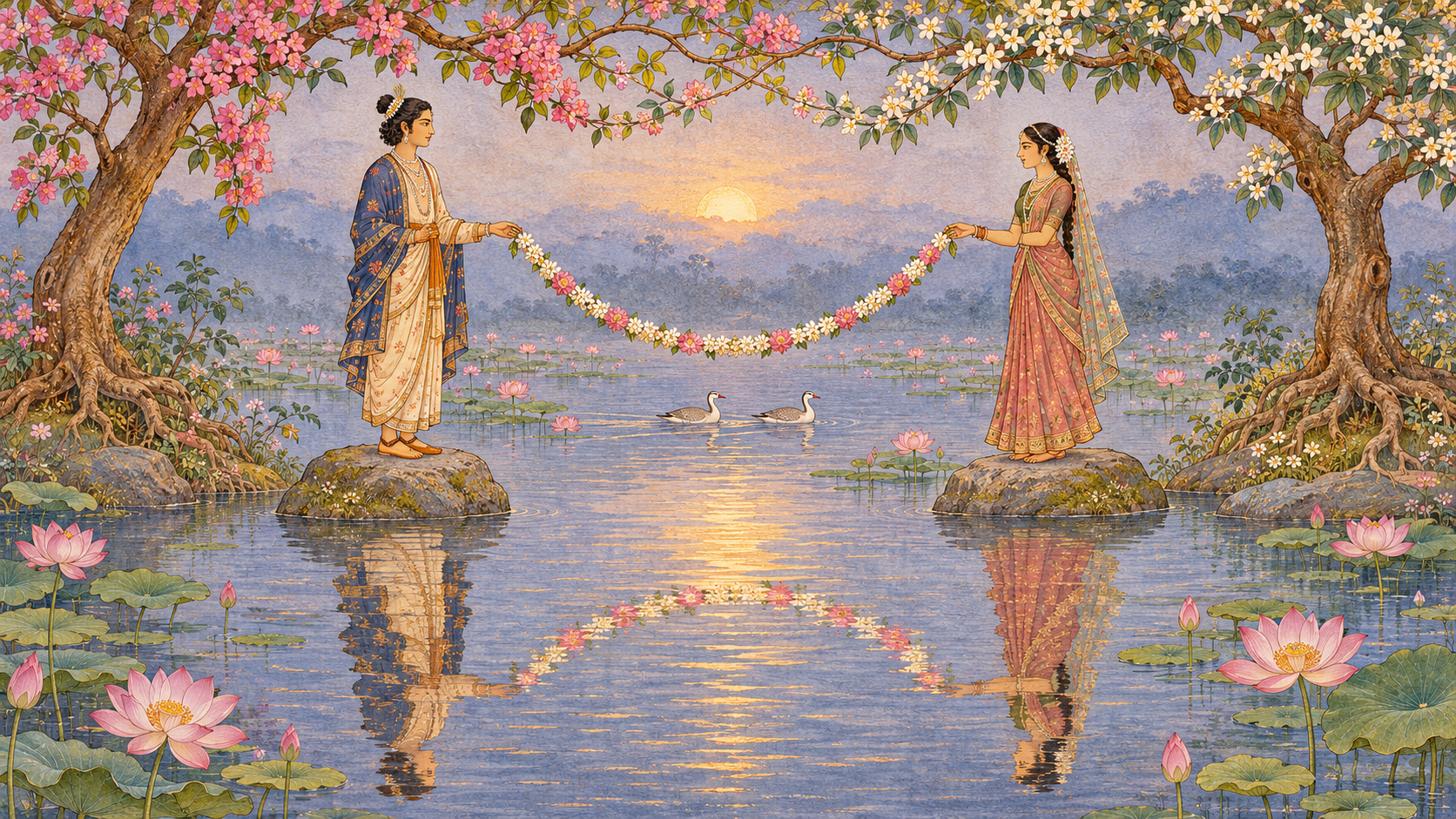
Once dependence has been exposed, two tempting conclusions remain. You can try to dissolve the other into yourself through control, or you can protect yourself by treating the other as permanently unreachable. Neither conclusion gives a complete account of love. The first destroys difference; the second makes genuine union impossible.
Acintya-bhedabheda offers a third conceptual position: inconceivable simultaneous difference and non-difference. In relation to shringara, it allows union to be real without requiring two beings to become interchangeable. Difference need not mean alienation, and unity need not mean possession.
This theological principle should not be reduced to a quick relationship technique. It can, however, discipline the way you approach closeness:
- Ask for what you need instead of demanding that love produce mind-reading.
- Treat disagreement as evidence of difference before treating it as evidence of disloyalty.
- Receive presence as a gift of the present, not as ownership of the future.
- Keep your dharmic duties and spiritual practice from becoming conditional on another person’s attention.
- Let devotion increase responsibility and reverence, not entitlement.
There is also a firm boundary to maintain. The sorrow inherent in vulnerability does not excuse humiliation, coercion, manipulation or violence. Those are harms, not proof of profound shringara. Recognising that all relational love is exposed to uncertainty should make conduct more careful, not make mistreatment easier to romanticise.
Key takeaways
- Shringara contains more than the pleasure of union and the pain of absence; union itself remains vulnerable because the beloved is free and change is possible.
- Duhkha enters through dependence under another’s sway, not through affection alone.
- Sadharanikarana lets you savour the form of longing without having to possess the particular beloved represented in art.
- Prema-vaichittya shows why experienced separation can remain even during outward presence.
- Acintya-bhedabheda provides a way to affirm closeness and difference together, avoiding both possession and emotional withdrawal.
The next time a scene of love moves you, do not stop at deciding whether it is happy or sad. Ask what the joy depends on, what remains beyond possession, and whether the meeting honours difference. Then bring the same questions to one demand you have been calling love. That is where rasa becomes more than literary knowledge: it becomes a disciplined way of seeing.
References

Leave a Reply
You must be logged in to post a comment.