

You may be facing a change that has no clean beginning: a relationship feels different, a habit is losing its hold, a responsibility has become heavier, or a once-stable institution is drifting. You can see the present condition, but you cannot point to a single instant when the change occurred.
Avastha Parinama gives you a precise way to read that experience. It directs your attention away from dramatic before-and-after labels and toward the transformation already occurring within each condition. That shift helps you notice change earlier, judge it more carefully, and choose a response suited to the state that actually exists.
Change is present before it becomes obvious

Most change reaches your awareness late. Fruit ripens before its colour makes the change unmistakable. Water cools before you call it cold. Trust weakens through small alterations in conduct before anyone declares that a relationship has broken. The visible event is often a threshold, not the whole transformation.
This is why a purely linear picture of time is inadequate. A calendar can tell you that one day follows another, but it does not by itself explain how a condition becomes different. In Hindu philosophy, time can be understood as a transformative dimension of existence rather than merely a line on which events are placed. Avastha Parinama concerns the temporal modification of a state: what was present is passing into another condition, whether or not the transition has acquired a public name.
This distinction matters whenever you are tempted to say that something changed suddenly. Ask what became visible at that moment and what had already been changing. You may discover that the apparent beginning was only the point at which a gradual process could no longer be ignored.
That does not mean every outcome was predetermined. A developing condition contains direction, pressure, and possibility, not a guaranteed future. Seeing the direction early gives you more room to act. Treating the final event as the entire change leaves you responding after the available choices have narrowed.
What Avastha Parinama asks you to distinguish
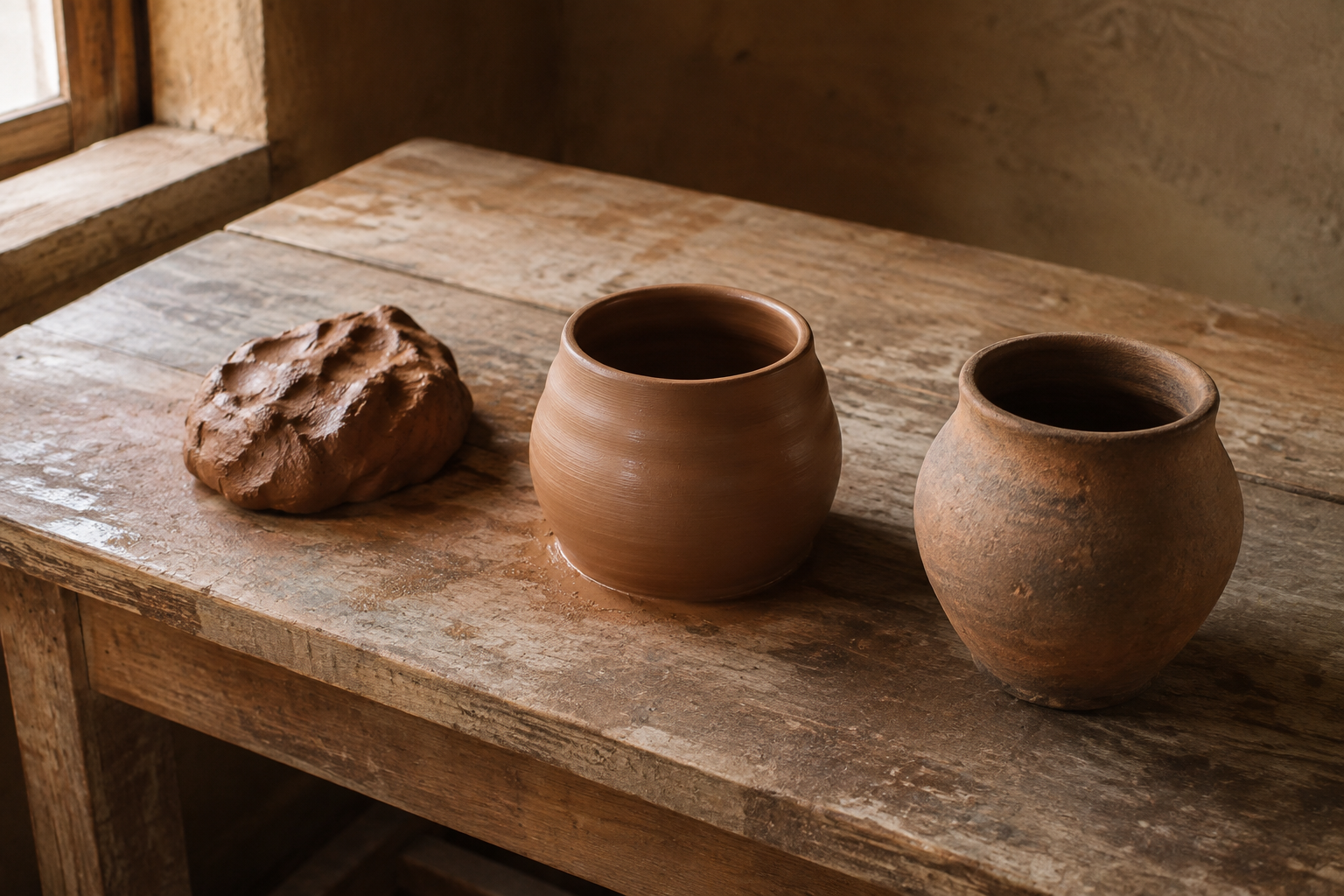
Avastha means a state or condition. Parinama means transformation, modification, or the result of becoming otherwise. Put together, the expression directs attention to change in condition across time.
Its usefulness depends on keeping three questions separate. If you collapse them into one, you either deny real change or exaggerate every change into complete destruction.
- What are you continuing to speak about? A cup of tea can remain the object under discussion while its temperature changes. A community can remain recognisable while its confidence, organisation, or practice changes.
- What is its present condition? Name what is observable now, not what you fear it will become. Warm is not yet cold; strained is not yet broken; neglected is not yet lost.
- How is this condition temporally related to another? Ask what has receded, what has intensified, and what the present movement makes more likely. This is where a static description becomes an account of transformation.
Avastha Parinama therefore corrects the freeze-frame error. A present state is real, but it is not temporally isolated. It carries the effects of prior conditions and is participating in what comes next. To understand it, you need both an accurate description of the present and an awareness of its movement.
It also corrects the identity error. Saying that a condition has changed does not automatically answer every metaphysical question about what ultimately persists. Different Dharmic traditions may analyse continuity, substance, consciousness, and permanence in different ways. You do not need to flatten those differences to use this insight: first observe the changing state accurately, then consider the deeper account offered by the tradition you are studying.
A practical way to observe temporal transformation

You can turn Avastha Parinama into disciplined observation without making it vague or mystical. Begin with one ordinary process. A cooling drink is better for learning the method than a complicated dispute because the changing quality is easy to identify.
- Choose the continuing subject. State exactly what you are observing. Do not begin with a general category such as life, society, or everything.
- Name the current avastha. Use concrete qualities. The drink is warm; the conversation is tense; the daily practice is irregular; the organisation is losing participation.
- Identify the comparison. What was different in the preceding condition? Avoid nostalgia and blame. Record the relevant alteration.
- Look for movement within the present. Is the quality intensifying, weakening, stabilising, or fluctuating? The current state is not only a label; it has a direction.
- Separate conditions from verdicts. Heat loss explains why the drink cools. Repeated avoidance may contribute to a strained conversation. These observations are not yet moral judgements.
- Choose an action appropriate to this state. Do not respond to an imagined final condition. Support what should mature, interrupt what is becoming harmful, or wait when the process requires patience.
A compact written form can sharpen the exercise: The continuing matter is X. Its present condition is Y. The relevant movement is Z. The next condition my action should support is A. If you cannot fill in one of those parts, you have located the gap in your understanding.
Consider a daily spiritual discipline that has become irregular. A static judgement says that you either possess discipline or lack it. Temporal observation asks more useful questions. Is the practice becoming less frequent, more mechanical, or simply displaced by a temporary demand? Is attention weakening even when outward regularity remains? The answer determines whether you need to restore a schedule, renew intention, simplify the practice, or stop mistaking a passing disruption for abandonment.
The same method improves difficult conversations. If tension is increasing but trust has not collapsed, respond to tension rather than declaring the relationship destroyed. Slow the exchange, clarify the disputed point, and refrain from words that would create the rupture you are merely afraid of. The earlier state and the possible later state are connected, but they are not identical.
Dharma begins where observation becomes a choice
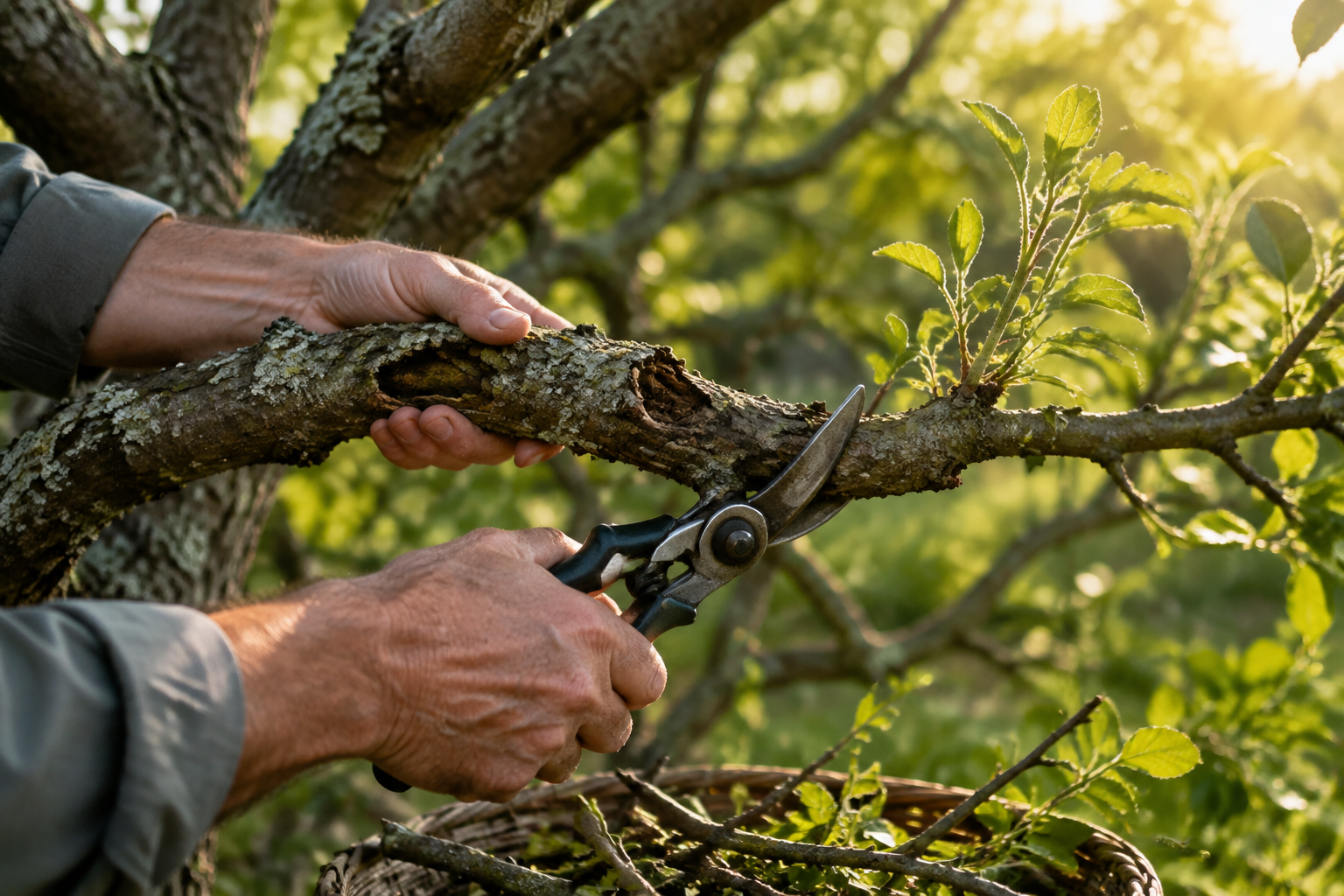
Avastha Parinama describes transformation; it does not make every transformation desirable. Change is not the same as progress. Decline is not made virtuous by being natural, and continuity is not made righteous merely by being old. Once you see the condition clearly, dharma is needed to judge what should be preserved, corrected, relinquished, or cultivated.
Three common misreadings are especially worth avoiding.
- Acceptance is not approval. You must acknowledge a present condition before you can respond effectively, but acknowledging it does not require endorsing it.
- Impermanence is not insignificance. A passing state can shape the conditions that follow. Because actions participate in transformation, their consequences matter.
- Change is not fatalism. Conditions limit available choices, but your action can itself become one of the conditions influencing what emerges next.
This is particularly important when thinking about Dharmic tradition. A living tradition passes through temporal states without needing to surrender its defining commitments. Recitation, teaching, ritual observance, temple care, language transmission, and family practice are not attempts to escape time. They are ways continuity is carried responsibly through time.
The practical question is therefore not whether a tradition should change or remain unchanged in every respect. Ask which condition it is entering, which changes preserve its capacity to transmit dharma, and which changes quietly dissolve that capacity. Equally, ask whether something defended as preservation is actually neglect, empty repetition, or fear of necessary repair.
When a decision matters, work through four questions before acting:
- What condition is actually present, apart from my preferred story about it?
- Which prior choices and circumstances helped produce this condition?
- What next condition will my proposed action make easier?
- What dharmic commitment must remain continuous through the transition?
Key takeaways
- Avastha Parinama is the transformation of a condition through time, not merely the replacement of one label by another.
- The dramatic event you notice may be the visible threshold of a change already underway.
- Describe the current state, its direction, and its contributing conditions before predicting an outcome.
- Use dharma to decide which emerging condition to support; change by itself supplies no moral verdict.
- Your response is not outside the transformation. It becomes one of the conditions shaping what follows.
Before your next difficult decision, resist asking only what the situation is. Ask what it is becoming, what your response will nourish, and what must remain worthy through the transition. Then take the smallest clear action that supports the dharmic condition you want to help bring forth.
References
