
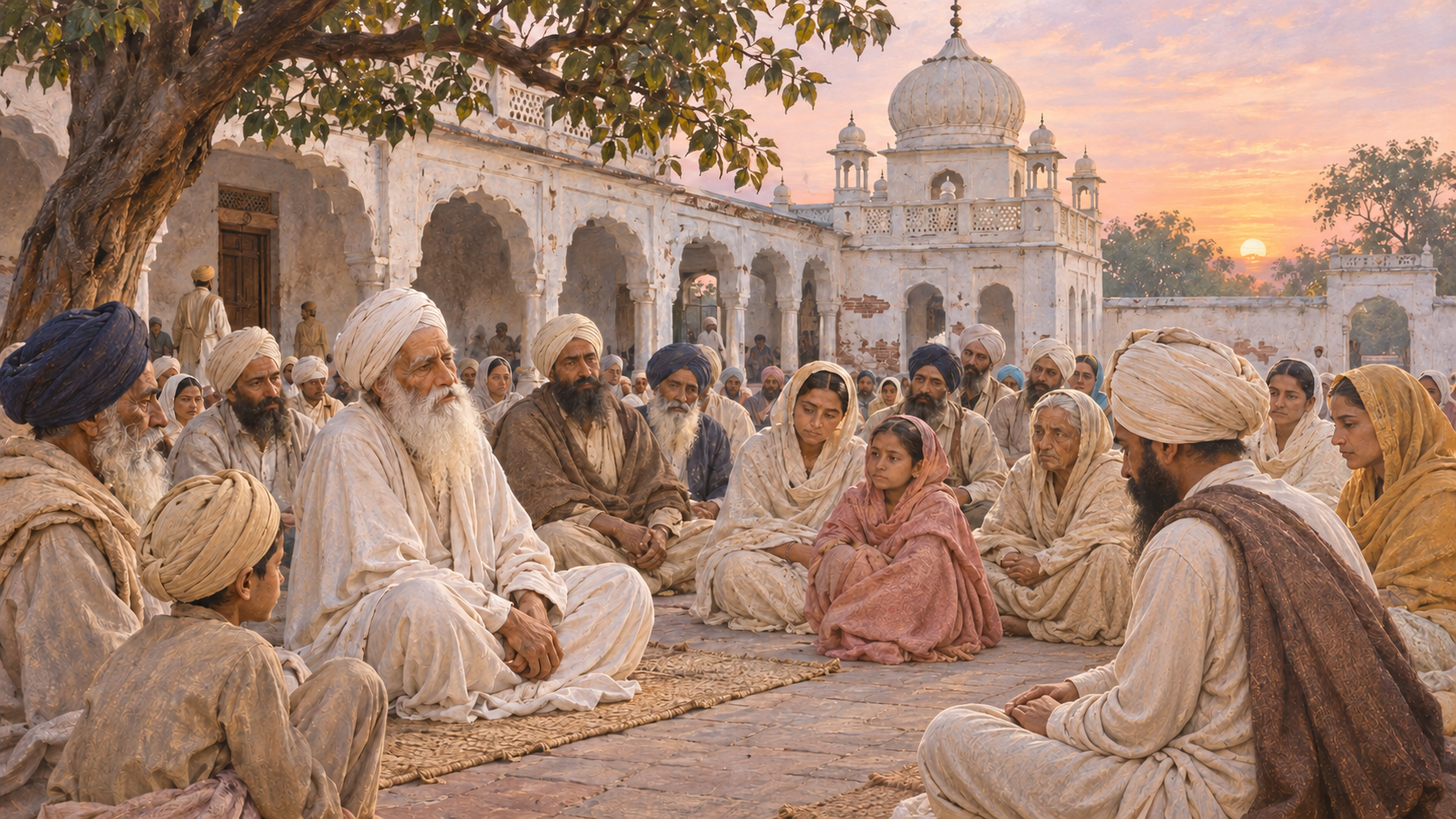
If you know Sant Attar Singh chiefly as a revered name, the important question is not how much biography you can repeat. It is whether his memory can change the way you remember the Divine, discipline your speech, and serve the people around you.
His enduring place in Sikh memory is captured in a demanding description: a life that awakened souls. That phrase gives you a way to approach his legacy without reducing it either to distant admiration or to unexamined legend. The right response to an awakening life is to become more awake in your own.
Awakening is the real measure of a saintly legacy
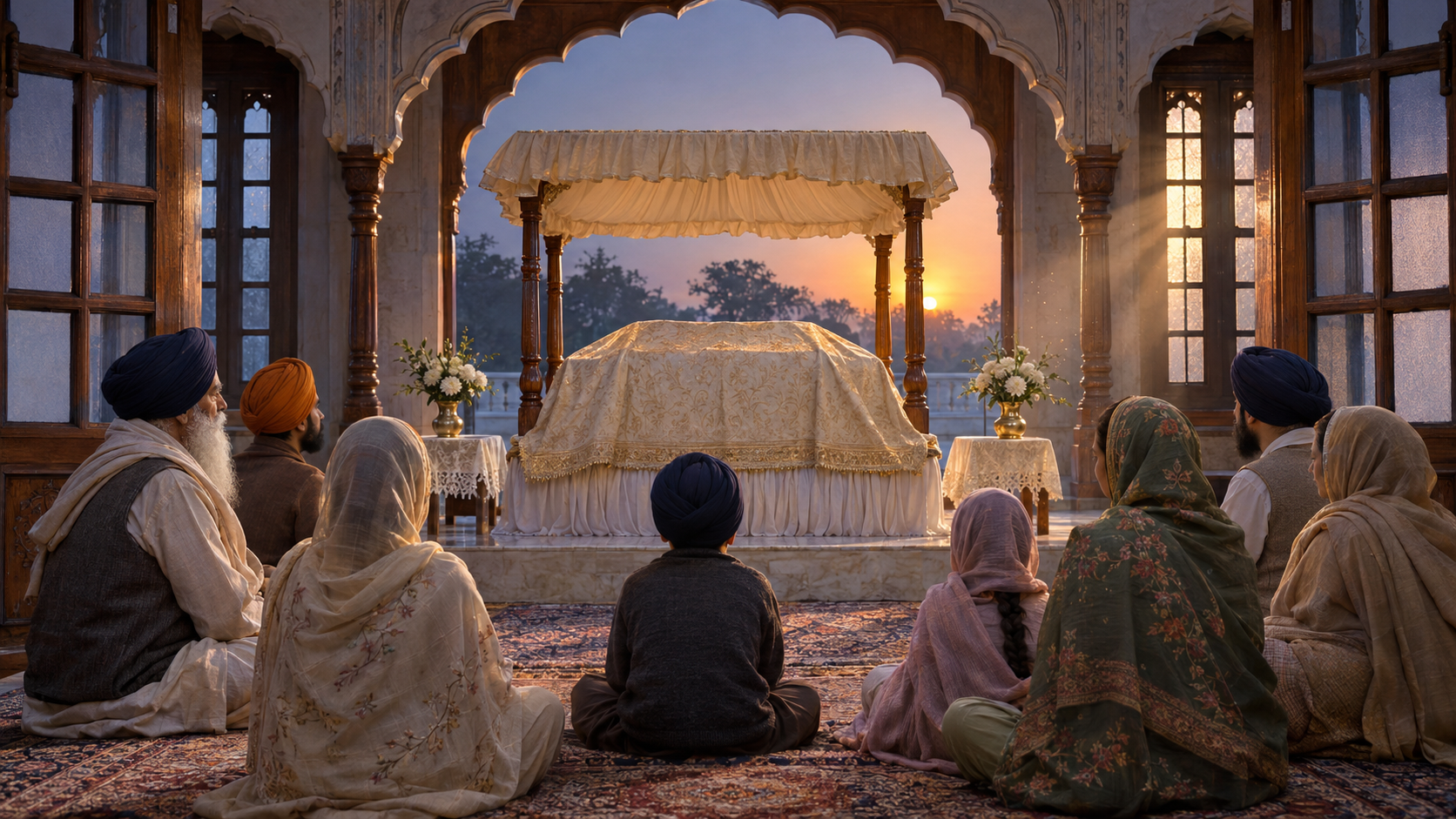
A spiritual legacy is easily mistaken for a collection of dates, institutions, portraits, and commemorations. These can preserve memory, but they cannot by themselves transmit spiritual life. A portrait may remind you of a sant. It cannot remember Naam for you. A celebration may gather a sangat. It cannot make you humble after you leave.
Within the Sikh path, awakening is not merely an intense feeling. It changes the direction of attention. The mind repeatedly returns to Waheguru instead of treating its own fears and desires as the centre of reality. Gurbani is approached as guidance to obey, not simply language to admire. Seva becomes a responsibility rather than a stage for recognition. Haumai, the ego’s insistence on being central, becomes something you learn to notice in ordinary conduct.
This gives you a practical test for any commemoration of Sant Attar Singh. After hearing his name or life discussed, ask what has actually moved in you. Are you more willing to remember the Divine? More careful about truthful speech? Less hungry for credit? More ready to serve? If nothing changes beyond a temporary feeling of reverence, the memory has remained outside you.
The point is not to manufacture an impressive spiritual experience. It is to allow remembrance to produce a more truthful life. Quiet consistency matters more than devotional excitement that disappears as soon as inconvenience arrives.
Keep the Guru, not the personality, at the centre
Respect for a Sikh sant must lead back to the Guru. Guru Granth Sahib is not one influence among many surrounding a holy personality; the Guru is the authoritative centre of Sikh spiritual life. A sant may illuminate the path through disciplined living, but does not replace its source.
This distinction protects devotion from becoming a personality cult. It also preserves what is most valuable in Sant Attar Singh’s legacy. You do not honour a guide by becoming dependent on stories about the guide. You honour that guide by walking more faithfully in the direction shown.
Four common distortions are worth watching for:
- Admiration without imitation: You praise humility while defending your own need to be seen, obeyed, or thanked.
- Marvels without transformation: Extraordinary stories receive more attention than Naam, Gurbani, honest work, compassion, and self-restraint.
- Quotation without verification: A memorable sentence is placed in the sant’s mouth because it sounds appropriate, even when its wording cannot be established.
- Possession by a group: A spiritual figure becomes a badge of factional identity instead of an invitation to deeper Gurmat-centred living.
When you encounter a dramatic claim, you do not have to mock it or accept it immediately. Identify whether it is documented biography, devotional testimony, or later interpretation. These forms of memory can coexist, but they should not be presented as though they carry the same kind of certainty. Honest reverence does not need exaggeration.
A useful rule is simple: if a story about Sant Attar Singh makes the storyteller more important, more combative, or more interested in winning an argument, pause. If it directs attention toward the Guru, remembrance of Naam, humility, and service, it is functioning as spiritual memory should.
Build the legacy into an ordinary day

You do not need to wait for a commemorative occasion to receive a saintly legacy. The decisive arena is an ordinary day: the first moments after waking, the irritation you meet at work, the way you speak about someone who is absent, and the service you perform when nobody is keeping score.
The following discipline is not a reconstruction of Sant Attar Singh’s personal schedule. It is a practical way to let the Sikh values illuminated by saintly lives enter your own routine.
- Begin before outside voices enter. Before opening messages, news, or social media, sit in a place where interruption is unlikely. Remember Waheguru with deliberate attention for a fixed period you can keep every day. Choose consistency over an ambitious duration that you will soon abandon.
- Read a small portion of Gurbani slowly. Do not measure the reading only by quantity. Identify one demand it places on your conduct. Carry that demand into the day in a form you can recognise when a decision arrives.
- Select one restraint. For that day, guard against one expression of haumai: belittling speech, gossip, needless argument, self-display, resentment, or the demand to receive credit. If you fail, acknowledge it and repair the harm promptly.
- Perform one unadvertised act of seva. Help at home, support someone in difficulty, contribute to the sangat, or complete an overlooked task. Do not announce the act merely to secure the reputation of being helpful.
- Review the day honestly. Before sleep, notice where remembrance shaped your conduct and where ego took control. The purpose is not self-condemnation. It is to see clearly enough to begin again with greater attention.
Keep this pattern long enough for its difficult parts to become visible. Naam may feel peaceful when you are alone; the sharper test comes when someone contradicts you. Seva may feel satisfying when it is appreciated; its deeper test comes when the work is unnoticed. Humility is not proved by speaking softly about yourself. It is proved when you can accept correction without immediately protecting your status.
Do not turn this discipline into a private productivity system. Naam is not merely a technique for becoming calmer or more efficient. Its orientation is toward Waheguru. The practical fruits matter, but they follow from a changed centre rather than from using spirituality to strengthen the same self-importance you are trying to loosen.
Pass on his memory without flattening it
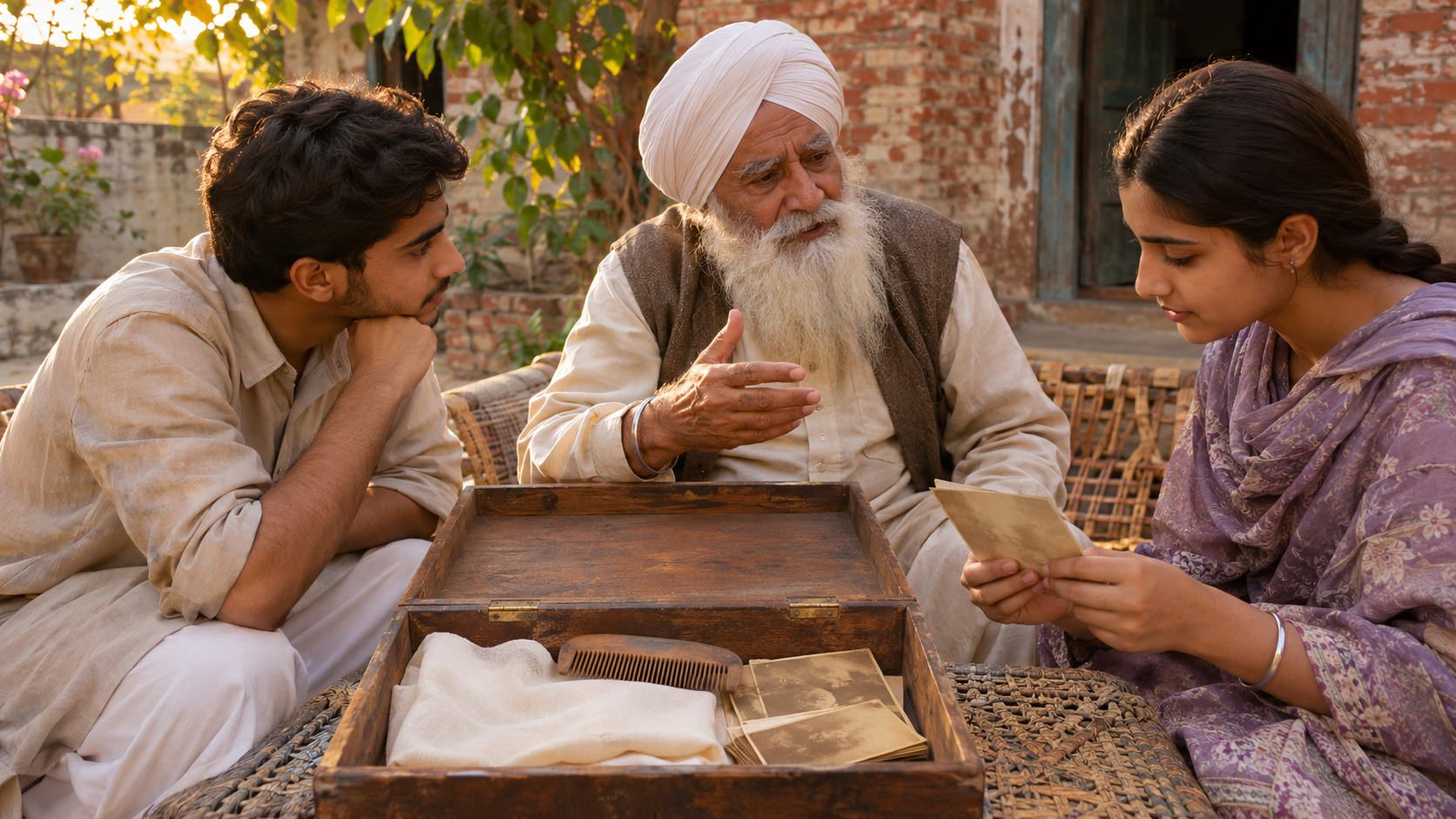
If you are teaching children, speaking in a sangat, writing online, or discussing Sant Attar Singh at home, you carry a second responsibility: transmit meaning without turning reverence into either folklore or dry information.
Use three clear layers when you tell a saint’s life:
- Established detail: State a biographical fact only as precisely as your reliable account supports it. Do not fill gaps with plausible-sounding dates, places, conversations, or motives.
- Devotional memory: When a story belongs to remembered testimony, introduce it that way. You can respect what a community has preserved without disguising testimony as independently verified history.
- Spiritual meaning: Explain what the episode asks the listener to notice or practise. Make clear that this is an interpretation rather than a quotation from the sant.
This separation makes teaching stronger, not weaker. A child can understand, for example, that a remembered life illustrates devotion while also learning not to attach a famous name to every appealing saying. If you cannot verify exact words, paraphrase the lesson and label it as a lesson. Quotation marks are a factual claim about wording.
When planning a commemoration, connect memory to a practice that continues after the gathering. Let participants choose a daily period of Naam Simran, undertake a defined seva responsibility, study a Gurbani passage with attention to conduct, or repair a neglected relationship. Do not measure success only by attendance, decoration, or the emotional force of the programme. Ask what the sangat will still be doing when the event is over.
Online, resist the temptation to make Sant Attar Singh more shareable by making him less precise. A dramatic quotation on an image may travel farther than a careful explanation, but reach is not transmission. Preserve the difference between what is known, what is remembered, and what you have understood from it.
Key takeaways
- Sant Attar Singh’s legacy is best received as an invitation to spiritual awakening, not merely as material for commemoration.
- Respect for a Sikh sant should return your attention to Guru Granth Sahib, Naam, Gurbani, humility, and seva.
- The most revealing tests occur in ordinary conduct: speech under irritation, service without recognition, and willingness to accept correction.
- Keep established biography, devotional testimony, and spiritual interpretation distinct when you teach or publish his life.
- Begin with one repeatable discipline rather than an ambitious display: remember Waheguru before your first screen, carry one line of Gurbani into conduct, and complete one unadvertised act of service.
Tomorrow morning, leave your phone untouched for the first part of your day and give that space to Naam. Then choose one act of seva whose completion will bring you no public credit. That small movement from reverence to practice is where a living legacy begins.
References

Leave a Reply
You must be logged in to post a comment.