
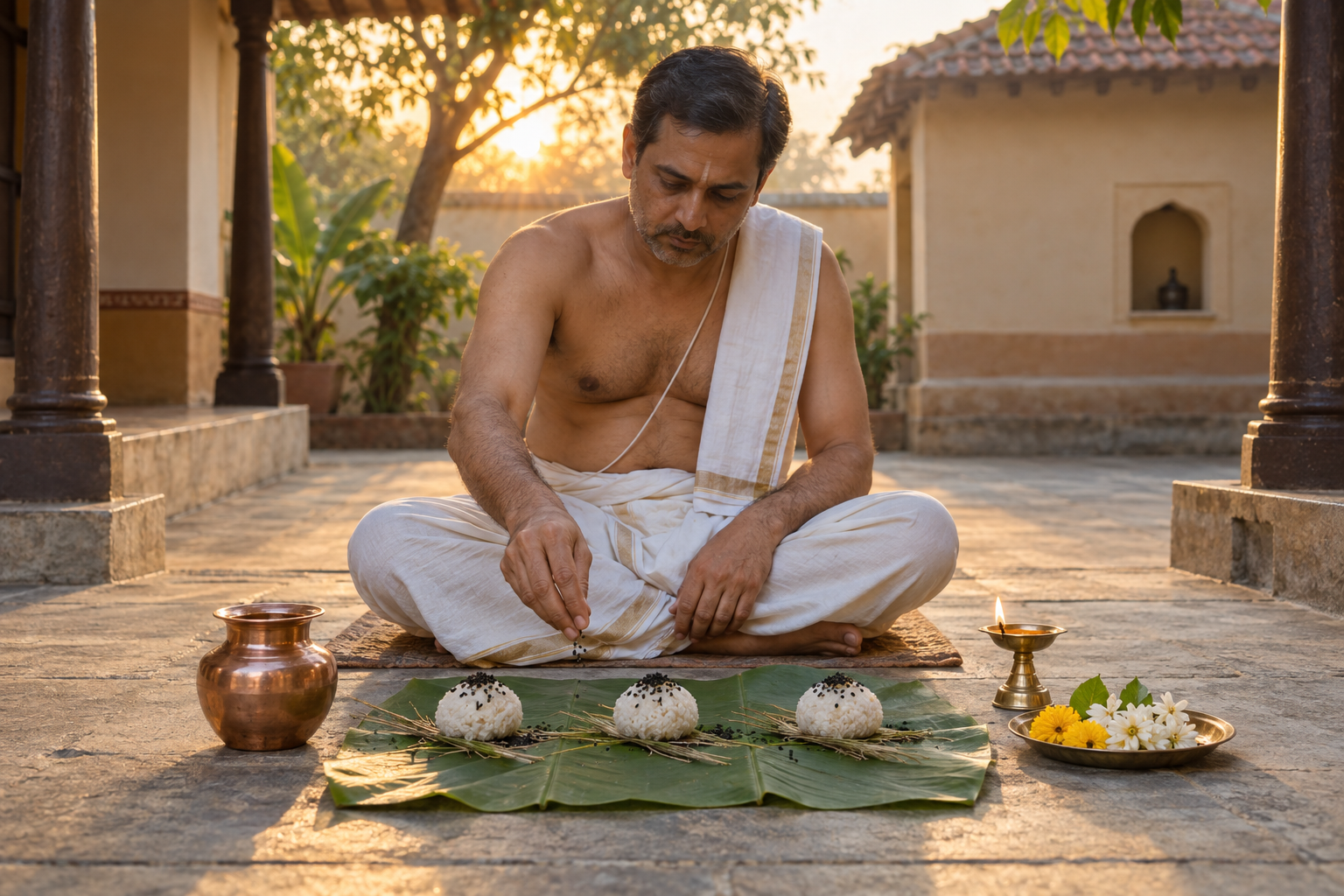
If you are arranging the 2026 rites, the first question is deceptively simple: does Pitru Paksha open on September 26 or September 27? Both dates matter, but they refer to different points in the lunar sequence.
September 26 is the Purnima Shraddha observance. September 27 is Pratipada Shraddha, the first observance after Purnima, and September 28 is Dwitiya Shraddha. Your next step is not merely to pick the earliest date. You need to match the observance to the ancestor’s lunar death tithi and obtain the correct sankalpa for your place and family tradition.
Why September 26 and 27 can both be opening dates
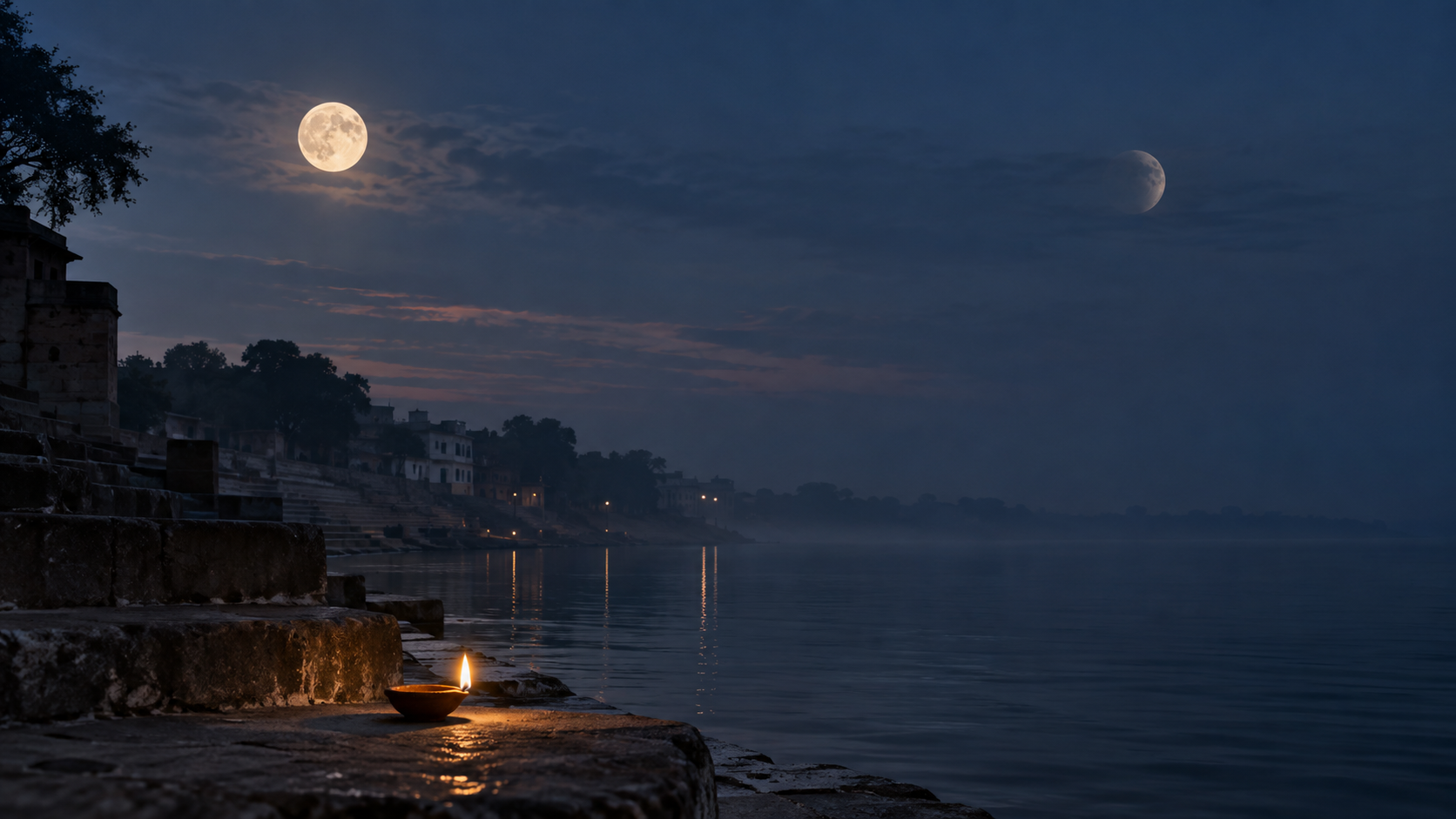
Purnima begins at 11:06 PM on September 25 and ends at 10:18 PM on September 26. The associated Purnima Shraddha is dated September 26. If your family counts this Purnima observance as the opening of Mahalaya Paksha rites, September 26 is the date you need.
If by the opening you mean the first tithi after Purnima, use September 27. That is Pratipada Shraddha. The distinction resolves the apparent conflict without treating either date as interchangeable.
| Place in the sequence | Observance | 2026 civil date | Tithi information |
|---|---|---|---|
| Opening Purnima observance | Purnima Shraddha | September 26 | Purnima runs from 11:06 PM on September 25 to 10:18 PM on September 26 |
| First post-Purnima tithi | Pratipada Shraddha | September 27 | Pratipada continues until 9:00 PM, followed by Dwitiya |
| Next tithi | Dwitiya Shraddha | September 28 | Dwitiya continues until 7:15 PM, followed by Tritiya |
The nakshatra also changes during the latter two dates. On September 27, Uttara Proshtapada continues until 11:09 AM and Revati follows. On September 28, Revati continues until 10:17 AM and Ashwini follows. These changes matter when the sankalpa names the current nakshatra.
Because these clock times are not tied here to a named city or time zone, treat them as planning information rather than a universal local muhurta. Confirm the applicable tithi, nakshatra and ritual period in the panchanga for the city where you will actually perform the rite.
Your ancestor’s tithi decides which date to observe
Annual Shraddha is ordinarily anchored to the lunar tithi associated with the ancestor’s death, not simply to the recurring Gregorian date. That difference matters because a Gregorian anniversary can fall under a different tithi from one year to the next.
- Find the ancestor’s recorded death tithi in an earlier family calendar, priest’s record or previous Shraddha instructions.
- If the recorded tithi is Purnima, note September 26. If it is Pratipada, note September 27. If it is Dwitiya, note September 28.
- Tell the purohit or knowledgeable family elder the city where the rite will occur. Do not send only your current city if the ceremony will be conducted elsewhere.
- Ask which local ritual period governs the selection. A tithi boundary is not always applied by looking only at which tithi exists at civil midnight.
- If the death tithi is unknown, do not assign Purnima or Pratipada merely because it is the first available date. Ask which common-day observance or family convention applies later in the paksha.
- If you are remembering several ancestors with different tithis, confirm whether your parampara combines their rites or observes them separately.
This order prevents the common planning error: booking September 26 because it appears first, then discovering that the family record calls for Pratipada or another tithi.
A Shraddha sankalpa is more than one fixed mantra
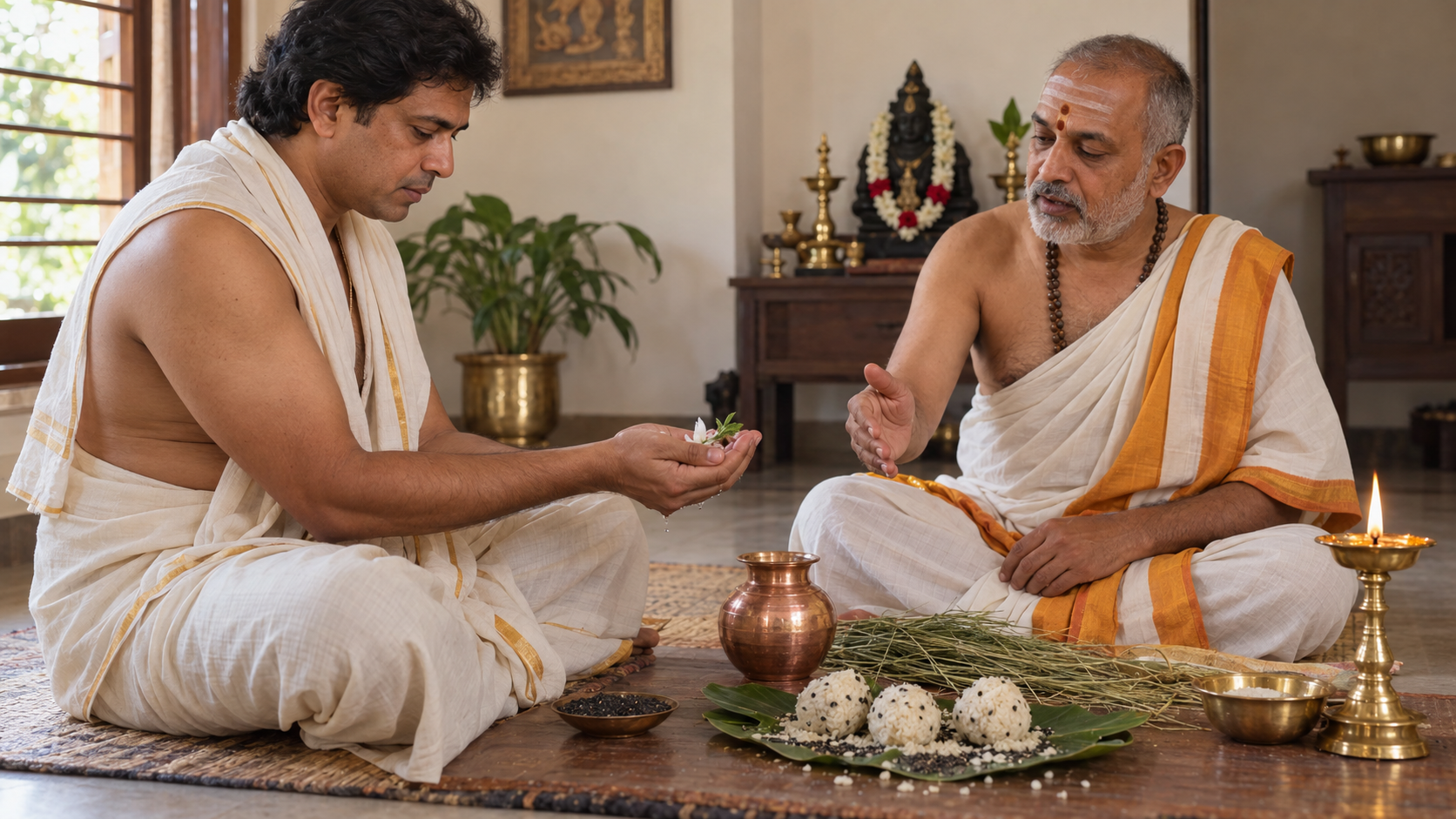
The phrase Shraddha mantra can conceal two different needs. The sankalpa states the ritual intention and locates the act within its calendar, place and family context. Tarpana, also written as Tharpana, is the offering portion and follows the wording and sequence preserved by the family or officiating tradition.
One transliterated opening for the September 26 Purnima sankalpa reads:
Adya Sri Bhagavatha maha purushasya Vishnor Agnaya pravarthamanasya Adhya Brahmana Dweethiya parardhe Swetha Varaha kalpe Vaivaswatha manvanthare ashta vimsathi thame kali yuge prathame padhe
Purnima Shraddha sankalpa, September 26, 2026
This is an opening passage, not a complete personalised sankalpa. The recitation must proceed through the relevant calendar and ritual particulars. Roman spellings can also differ without telling an untrained reader how a word should be pronounced.
Use the wording prepared for the actual observance: Purnima on September 26, Pratipada on September 27, or Dwitiya on September 28. Do not join fragments from different dates into one recitation.
The date alone is still not enough. A useful copy should clearly mark every field that changes: place, calendar particulars, performer’s details, gotra where applicable, ancestor’s identity and relationship, and the purpose of the rite. Ask the person guiding you to fill or pronounce those fields before the ceremony begins.
Prepare the ritual details before you prepare the offerings
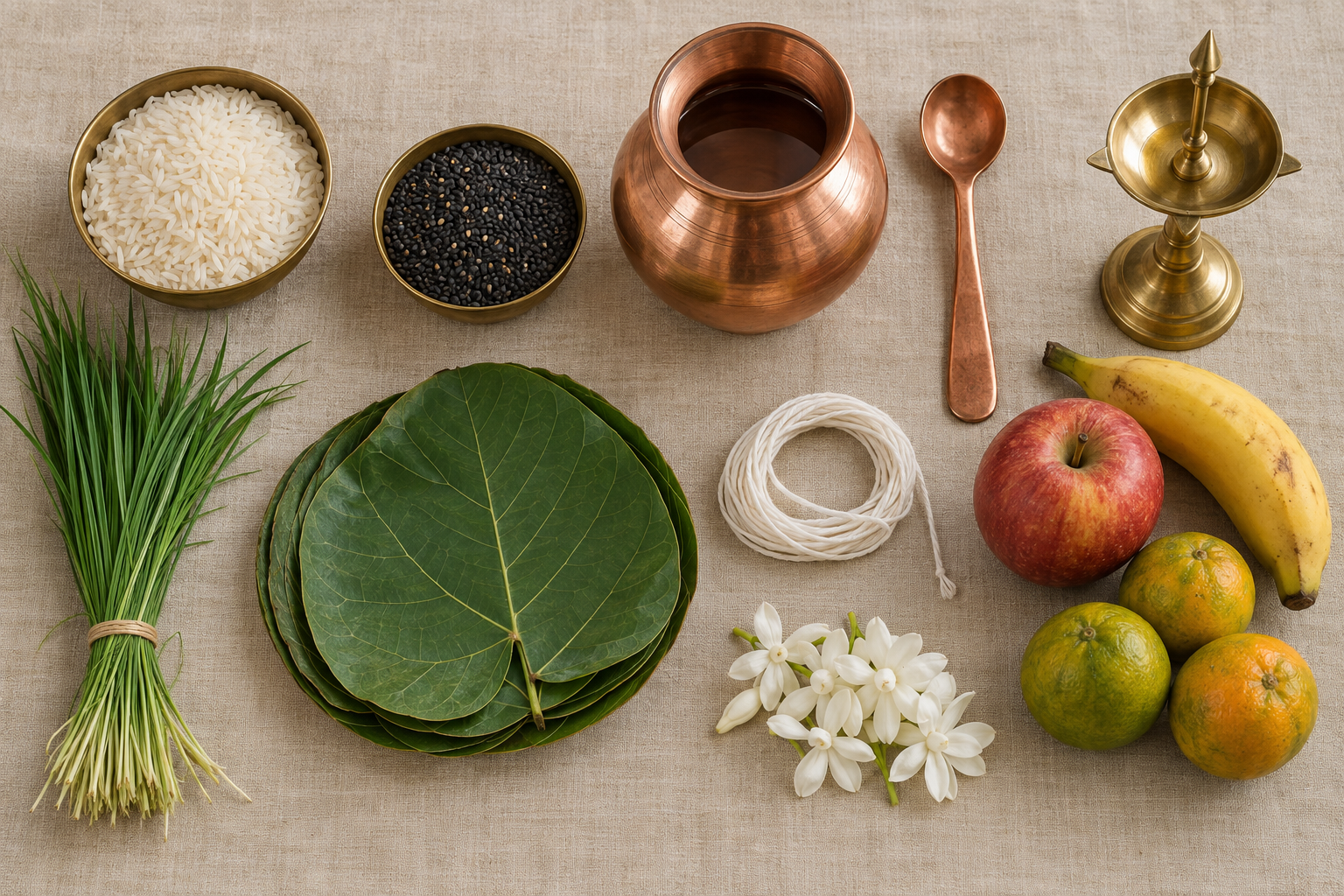
A downloaded transliteration can help you follow a guided recitation, but it should not become a substitute for identifying the rite correctly. Before September 26, assemble one short record containing:
- The ancestor’s name in the form traditionally used during family rites.
- The relationship of the ancestor to the person performing the Shraddha.
- The gotra and other lineage particulars, if known and required in your tradition.
- The recorded lunar death tithi.
- The city where the ceremony will take place.
- The selected 2026 observance date and its locally verified ritual time.
- The complete sankalpa approved for that date, with variable words visibly marked.
- Guidance on materials, posture, direction and the Tarpana sequence followed by your family.
If you cannot arrange a guided full rite, do not manufacture technical precision from an incomplete Sanskrit passage. Follow the simple remembrance or prayer customary in your home, and ask a qualified family priest how the formal Shraddha should be completed. A modest observance whose limits you understand is preferable to confidently reciting a mismatched sankalpa.
Key takeaways
- September 26, 2026 is Purnima Shraddha; Purnima runs from 11:06 PM on September 25 until 10:18 PM on September 26.
- September 27 is Pratipada Shraddha, with Pratipada continuing until 9:00 PM.
- September 28 is Dwitiya Shraddha, with Dwitiya continuing until 7:15 PM.
- The ancestor’s lunar death tithi, not the earliest convenient date, determines which observance you should prepare for.
- A date-specific sankalpa still needs local calendar, family and lineage details; confirm these rather than reciting an unedited online text.
Write down the ancestor’s tithi and the ceremony city now, then send both to the person guiding your family rites. Once the date is confirmed, keep only that day’s sankalpa with your ritual materials so that Purnima, Pratipada and Dwitiya wording cannot be mixed at the last moment.
References
- Hindu Pad — Dwitiya Shraddh Tharpana Sankalpa Mantras | 28 September 2026
- Hindu Pad — Pratipada Shraddh Tharpana Sankalpa Mantras | 27 September 2026
- Hindu Pad — Purnima Shraddha Tharpana Mantras | 26 September 2026
- Hindu Pad — Purnima September 2026 date, Time

Leave a Reply
You must be logged in to post a comment.