

If you are trying to judge a religious-conversion allegation in Punjab, do not begin with slogans, headcounts, or the religious label of the people involved. Begin with the person whose conscience is at stake: could that person understand the choice, refuse it, and walk away without losing assistance, safety, dignity, or acceptance?
Two mistakes make that question harder to answer. One is to dismiss every concern about conversion as intolerance. The other is to treat every voluntary change of faith as proof of a conspiracy. Both mistakes erase the individual. Punjab can protect Dharmic continuity and religious liberty at the same time, but only if communities insist on evidence, voluntary consent, impartial enforcement, and ethical seva.
The decisive question is consent, not the religious label
India’s constitutional framework in Articles 25-28 protects freedom of conscience and the rights to profess, practise, and propagate religion, subject to public order, morality, and health. That protection matters to Hindus, Sikhs, Buddhists, Jains, Christians, and people who decline religious affiliation. It protects the decision to accept a belief, retain one’s inherited tradition, return to a former tradition, or reject an invitation altogether.
Propagation permits a person to explain and advocate a faith. It does not turn deception, threats, or material pressure into an exercise of conscience. At the same time, hearing a sermon, visiting a prayer gathering, receiving literature, or choosing a new religious identity does not by itself establish wrongdoing. The conduct surrounding the decision is what must be examined.
For an initial ethical assessment, ask five concrete questions:
- Understanding: Did the person know that the gathering, instruction, ceremony, or commitment was religious in nature?
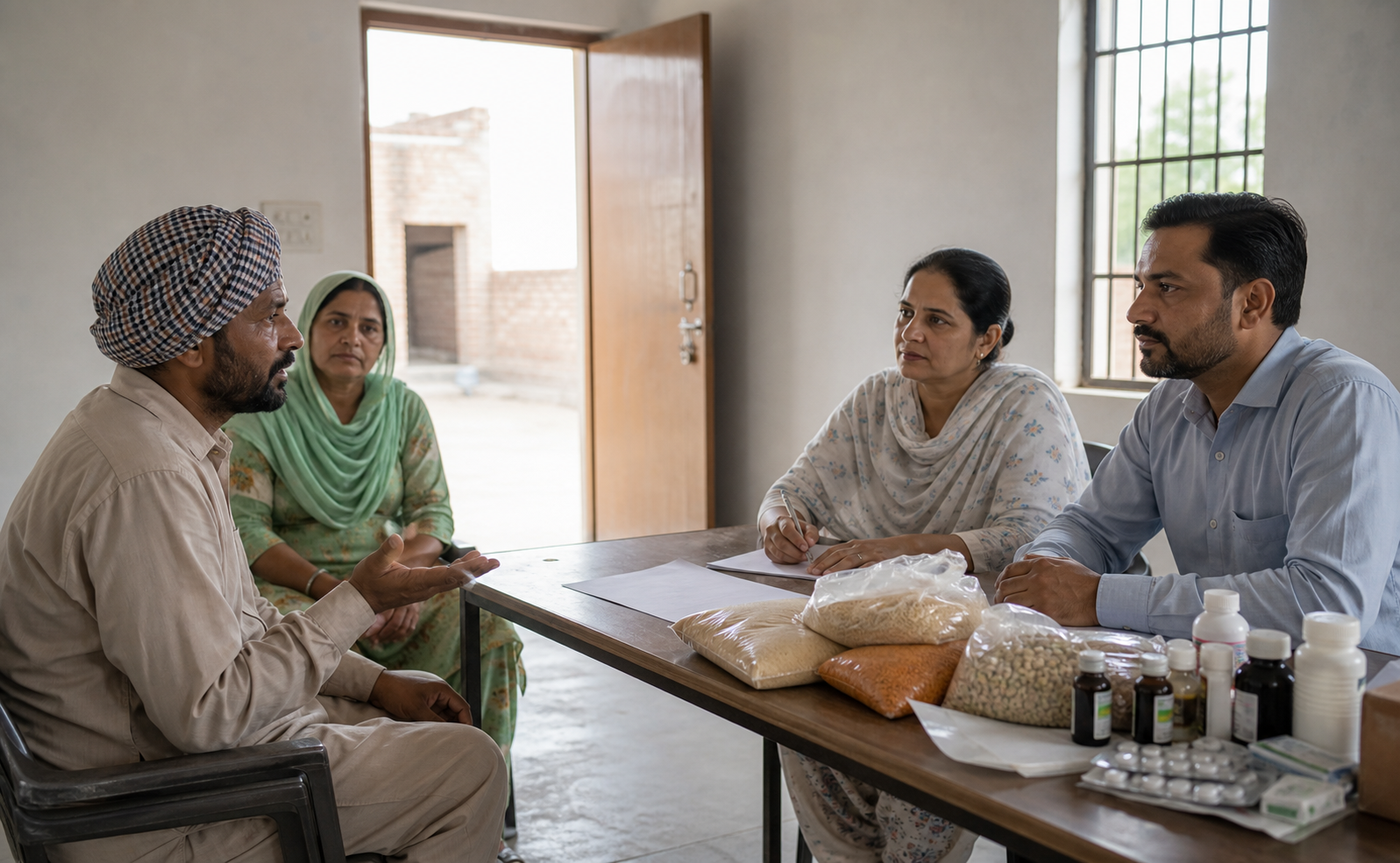
- Freedom to refuse: Could the person say no without being denied food, medical help, education, employment assistance, or another promised benefit?
- Absence of pressure: Was there a threat, repeated harassment, deliberate deception, or exploitation of a moment of acute distress?
- Personal voice: Can the person describe the decision in their own words, away from campaigners, relatives, religious representatives, and cameras?
- Time and privacy: Was there a genuine opportunity to reflect, seek advice, and decline public identification?
These questions are a screening tool, not a criminal verdict. A community committee should not invent its own legal definition, pronounce guilt, or impose punishment. Where the answers indicate possible fraud, inducement, or coercion, the safe next step is an impartial investigation and qualified legal guidance.
Turn a serious allegation into a verifiable case
A serious charge deserves a serious record. Anger can spread an accusation quickly, but it cannot establish what happened. If you receive a complaint, preserve the difference between what someone personally experienced, what another person reported, and what observers inferred.
- Protect the person first. Speak privately and avoid publishing the person’s name, photograph, family details, or religious status. If there is an immediate threat, contact the appropriate local authorities rather than assembling a crowd.
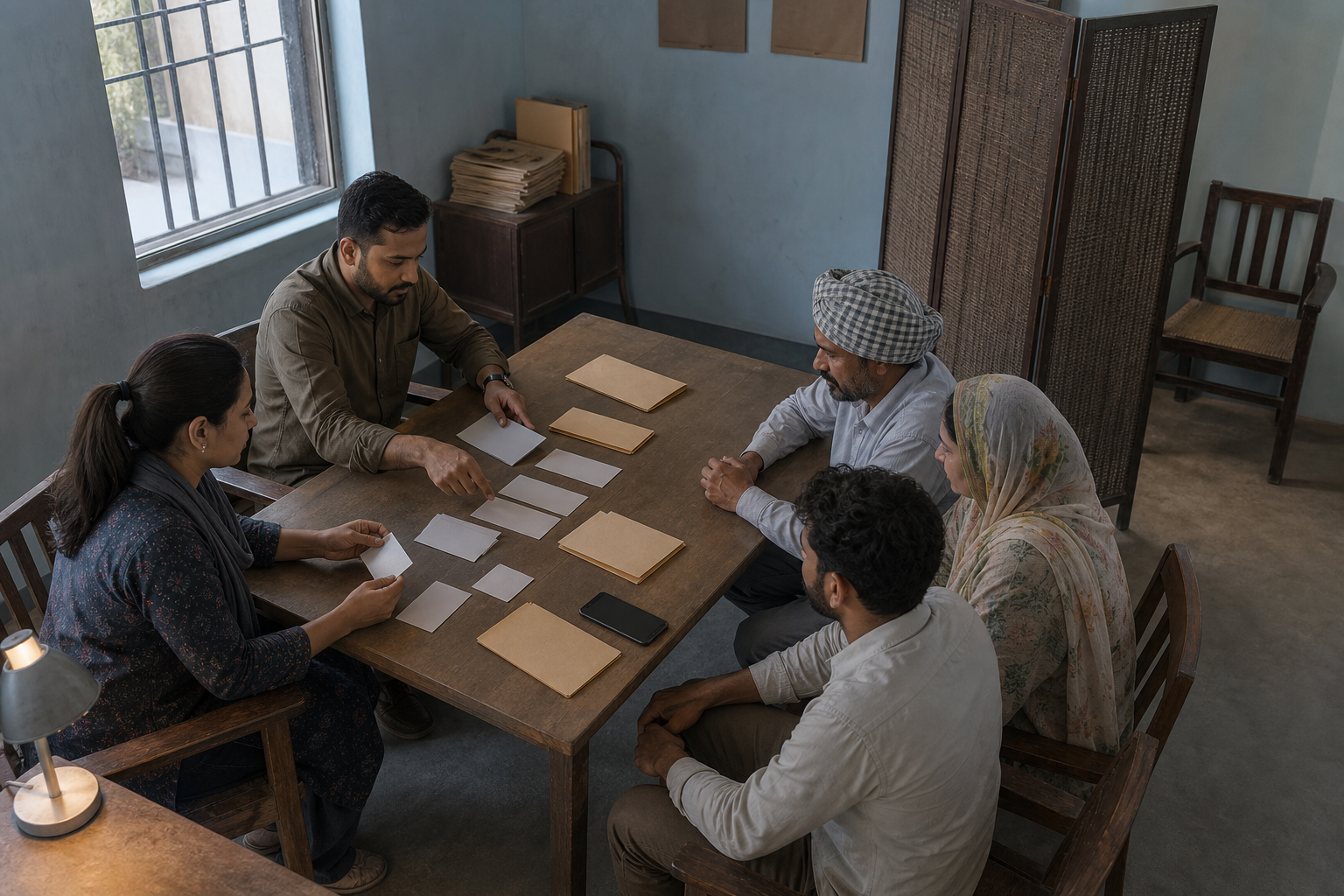
- Write the allegation precisely. Record the place, date, people present, promise or threat alleged, and the words or actions that made the person feel unable to refuse. “They converted people” is too vague to investigate.
- Preserve original material. Keep unedited messages, forms, notices, recordings obtained lawfully, and details of firsthand witnesses. Do not add captions or edits that change context.
- Identify the disputed condition. Ask whether assistance was explicitly made dependent on attending instruction, adopting a belief, joining a ceremony, or publicly declaring an affiliation.
- Name conduct, not a whole community. A complaint should identify the person or organisation alleged to have acted improperly. It should not turn an unproven incident into an accusation against every Christian, Hindu, Sikh, Buddhist, or Jain neighbour.
- Use due process. Take credible evidence to an impartial authority or a qualified lawyer. Do not threaten, detain, shame, or attempt to force the person into a counter-ceremony.
- Correct errors publicly. If a circulated number, image, identity, or allegation proves false, the correction should reach the same groups that received the original claim.
Do not coach the complainant into using politically convenient language. A statement becomes less reliable when several people rehearse it, and the person may feel pressured by the very community claiming to defend freedom. Let the account remain in the individual’s own words.
Demographic claims require a different standard of evidence from individual complaints. A crowded worship gathering cannot tell you how many attendees changed religion, why they came, or how Punjab’s religious composition is changing. A single complaint may justify investigation, but it cannot establish a province-wide campaign. Any wider conclusion needs independently verified data that can distinguish religious change from migration, temporary attendance, social-service use, and unsupported organisational claims.
Evidence protects both sides. It can reveal coercive conduct that would otherwise remain hidden, and it can prevent a religious minority from being condemned through rumour. That is why fact-finding is not weakness or delay. It is the discipline that makes accountability credible.
Build Dharmic resilience without policing conscience
Dharmic communities do not have to choose between passivity and hostility. Gurdwaras, mandirs, viharas, deras, Jain institutions, and local associations can make inherited traditions easier to understand, practise, and transmit. The strongest response to aggressive outreach is not social intimidation. It is confident religious education, dependable community support, and seva that does not purchase allegiance.
- Teach before a crisis. Offer regular explanations of belief, history, practice, and ethics in language that children, young adults, and families can understand. Make room for difficult questions without treating doubt as betrayal.
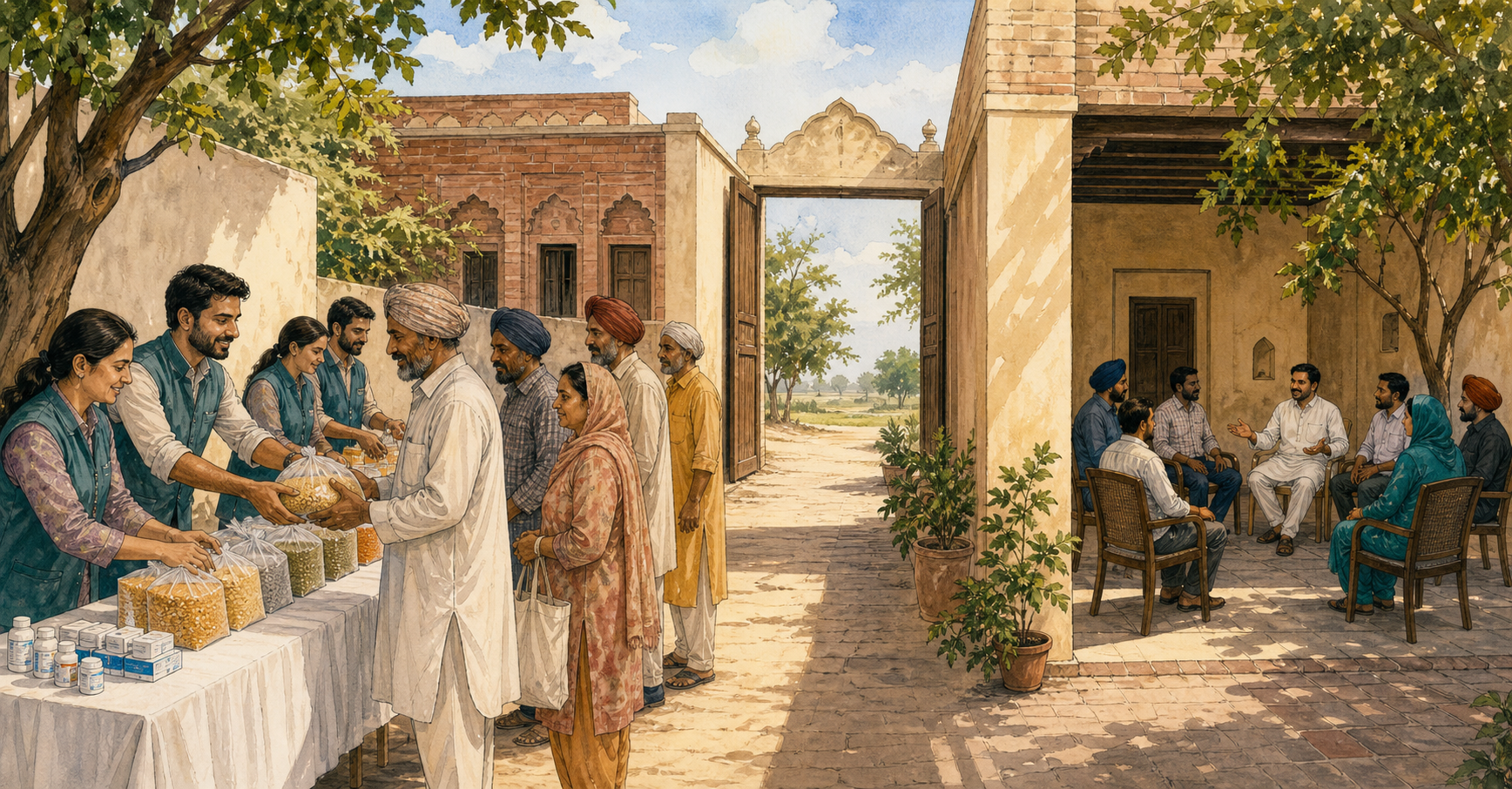
- Make seva visibly unconditional. State that food, healthcare assistance, tutoring, employment guidance, and emergency help do not require a ritual, donation, political commitment, conversion, or return to a former faith.
- Create a confidential help desk. Give people a place to report religious pressure, family conflict, or service-related conditions without first making their story public.
- Train volunteers to refer, not punish. Volunteers can listen, document, and connect a complainant with appropriate support. They should not interrogate alleged converts or confront an accused group.
- Keep relationships intact. A family member who changes belief should not face violence, expulsion, or public humiliation. Disagreement can be firm without becoming dehumanisation.
- Measure service, not religious outcomes. Track whether people obtained food, tutoring, healthcare access, or employment help. Do not judge a seva programme by how many recipients adopt or retain a religious identity.
Material vulnerability deserves particular attention. When a family lacks reliable schooling, healthcare, or employment opportunities, any provider of essential assistance holds unusual influence. That fact does not prove that a recipient converted or that a provider behaved improperly. It does explain why transparent conditions and equitable access matter. Public services and community seva reduce the risk that hardship, rather than conviction, determines a religious decision.
The same ethical rule should apply across traditions: assistance is not a bargaining chip for conversion, reconversion, attendance, or public loyalty. A Dharmic institution gains moral authority when a recipient knows that saying no will not close the kitchen, classroom, clinic referral, or community door.
Give every local institution the same trust compact
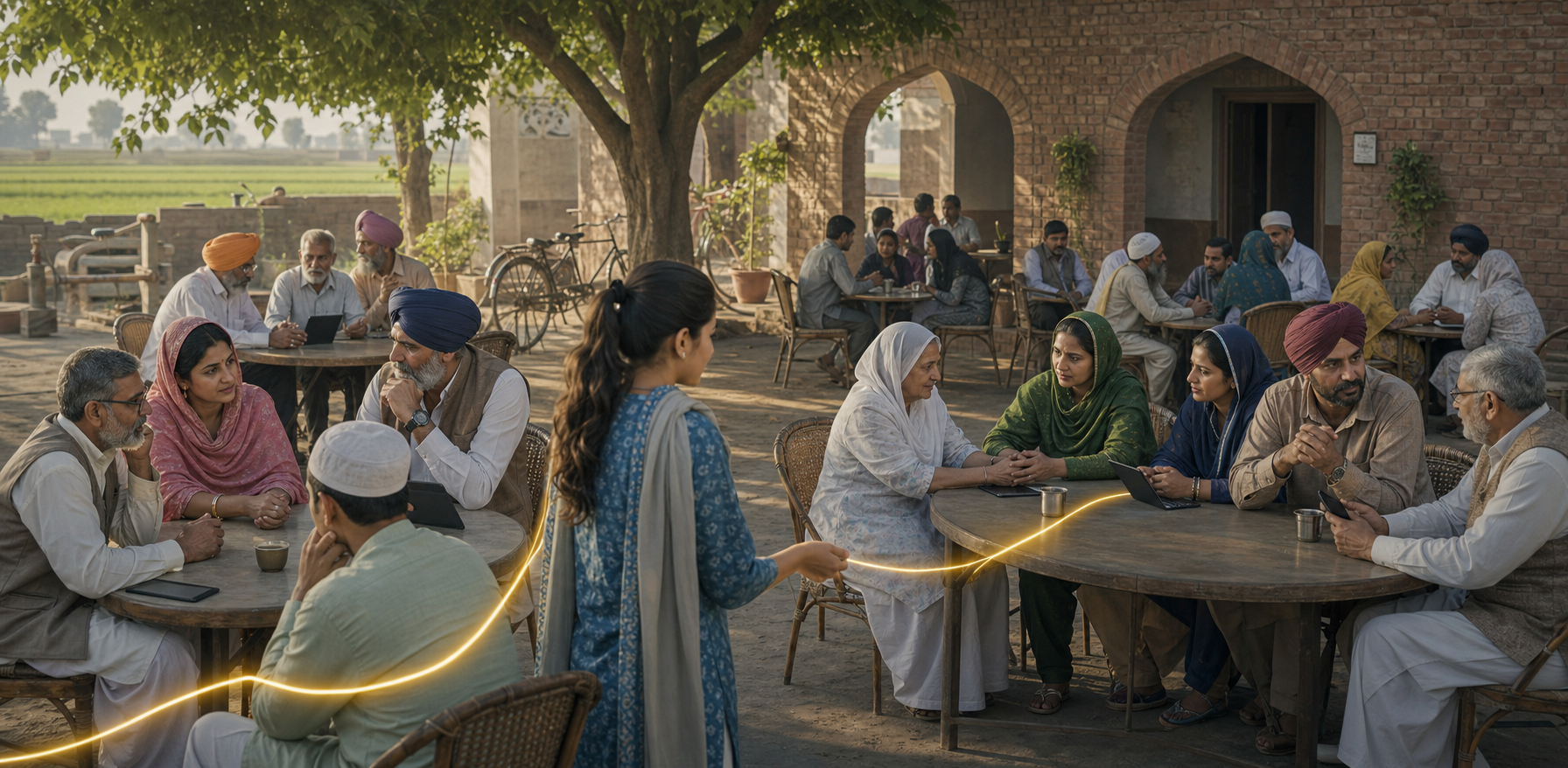
Interfaith dialogue becomes useful when it produces rules that people can apply to the next disputed incident. A district or neighbourhood forum can ask participating religious and service organisations to adopt a short, public compact. Applying identical terms to everyone prevents the compact from becoming a disguised restriction on one minority or a free pass for one majority.
- Disclose identity and purpose. People should know who runs an event, who funds the service when relevant, and whether religious instruction will occur.
- Separate assistance from assent. Written and spoken invitations should make clear that declining prayer, instruction, membership, or a ceremony will not affect access to material help.
- Provide a meaningful opt-out. A person should be able to leave religious instruction or refuse follow-up contact without harassment or loss of service.
- Maintain a confidential complaint channel. Publish a contact method, assign more than one trusted reviewer, keep a secure record, and acknowledge complaints within a stated response window.
- Use a consistent evidence rule. Separate firsthand testimony and original material from edited media, hearsay, demographic speculation, and political interpretation.
- Prohibit retaliation. Complainants, witnesses, accused individuals, and people who decline religious engagement should not face threats or public exposure.
- Refer possible offences. A forum may facilitate communication, but allegations involving coercion, fraud, threats, or violence belong with impartial authorities and qualified legal professionals.
- Publish corrections and outcomes. Report whether a complaint was substantiated, unresolved, referred, or found inaccurate while protecting private identities.
A local forum should discuss one documented grievance at a time. Use a neutral convener, put the disputed claim in writing, let each side respond without interruption, and end with a named follow-up action and a date for its status. Avoid livestreaming the initial fact-finding session. Public performance encourages hardened positions before the evidence has been tested.
A complaint mechanism can also be misused, so the compact must protect the accused as well as the complainant. Preliminary allegations should remain confidential. Reviewers should recuse themselves when they have a direct organisational or political interest. No one should be declared guilty merely for failing to answer a social-media campaign.
Key takeaways
- Judge a disputed conversion by informed consent, freedom to refuse, and the conduct surrounding the decision, not by the faith involved.
- Treat an individual complaint, an allegation of organised misconduct, and a claim of demographic change as three different questions requiring different evidence.
- Protect privacy, preserve original material, record firsthand accounts accurately, and use lawful channels rather than confrontation.
- Strengthen Hindu, Sikh, Buddhist, and Jain continuity through accessible education, unconditional seva, family support, and confident practice.
- Ask every religious and service organisation to follow the same transparent rules on aid, instruction, consent, complaints, and correction.
The next time a conversion claim reaches your family, institution, or neighbourhood group, slow the argument down. Write the exact allegation, protect the person involved, test the evidence, and direct any credible violation toward due process. That response defends Dharma more effectively than rumour because it preserves both truth and the freedom of conscience that communal trust requires.
References
