
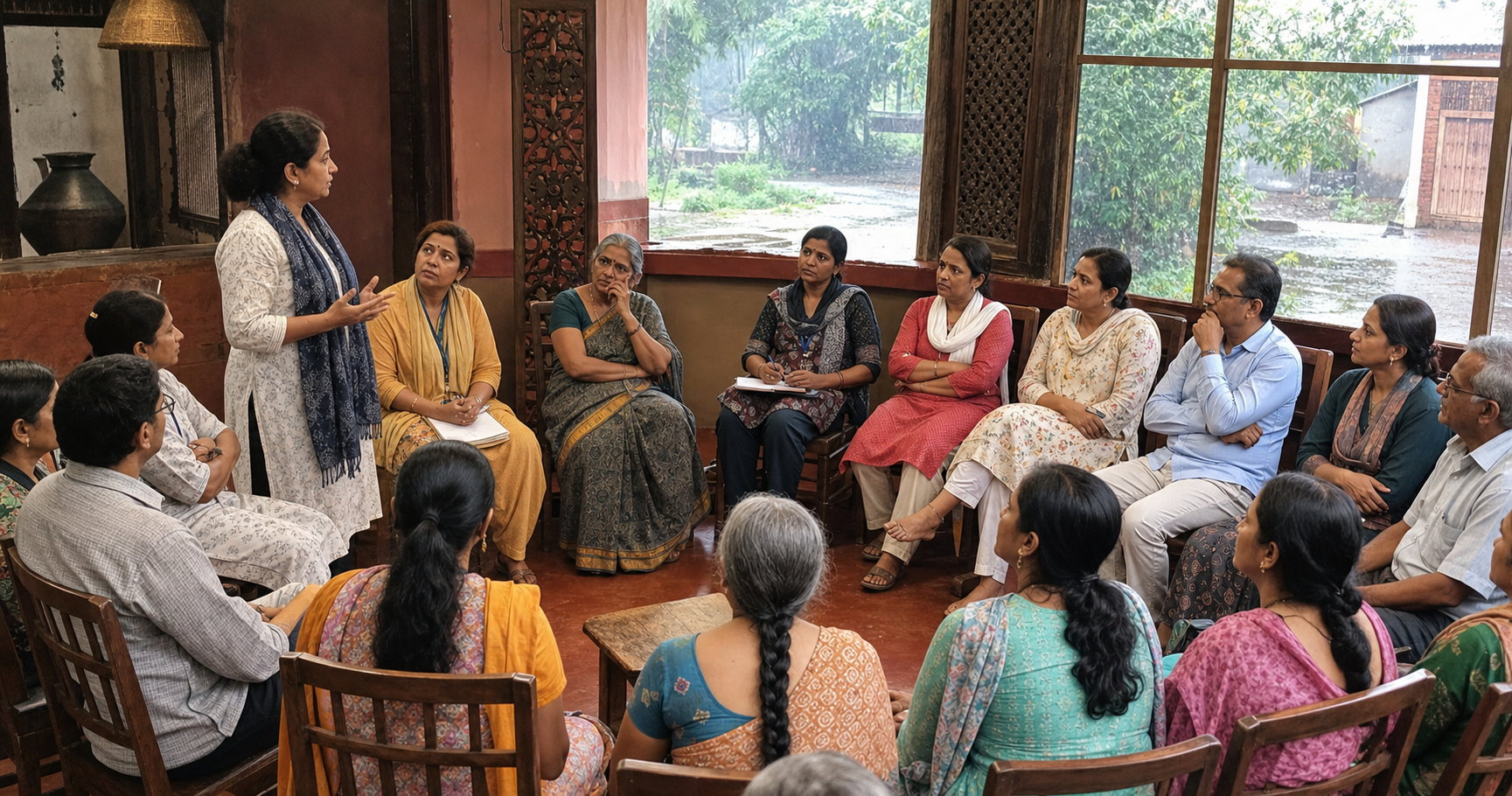
A reported gathering in Belagavi placed women’s safety within a wider discussion about relationships, cultural identity, family trust and social responsibility. Its significance lies not only in the concerns raised, but also in the standards by which such concerns should be assessed.
A careful reading points toward a balanced framework: scrutinise deception and coercion without treating religious difference as evidence of wrongdoing, strengthen cultural confidence without restricting women’s agency, and direct allegations toward law and evidence rather than public suspicion.
Key takeaways
- The supplied report says more than 1,600 citizens attended the Belagavi gathering addressed by Sadguru Swati Khadye and Ramesh Shinde.
- The most defensible safety standard is based on conduct, consent and evidence, not the religious identities of the people in a relationship.
- Cultural education can support confident decision-making, but it must coexist with privacy, dignity and women’s freedom to make lawful choices.
- Community concern becomes constructive when it produces counselling, open family communication, digital awareness and access to legal remedies.
What the event report establishes
The source article reports that the Belagavi meeting drew more than 1,600 citizens and featured addresses by Sadguru Swati Khadye and Ramesh Shinde. It says the discussion connected concerns commonly described in public discourse as “love jihad” with the initiative “Beti Surakshit, Rashtra Surakshit,” or daughters protected, nation protected.
According to the account, the programme approached women’s safety through several connected themes: cultural awareness, family stability, emotional vulnerability, digital communication, legal knowledge and community participation. The gathering was therefore presented as more than opposition to a particular kind of relationship. It was framed as a call for Hindu families and institutions to become better prepared to recognise manipulation and support young people in distress.
The limits of the source also matter. The supplied article does not provide case-level evidence, an event date, a detailed programme or direct testimony from participants. Its attendance figure and description of the speakers are reported claims rather than independently verified facts. The event demonstrates that the stated concerns attracted substantial participation, but attendance alone cannot establish the prevalence or circumstances of the misconduct discussed.
Safety claims need conduct-based scrutiny

The article’s most important qualification is its distinction between interfaith relationships and abusive conduct. It explicitly argues that interfaith relationships cannot be treated as inherently suspicious and acknowledges that many rest on lawful consent and mutual respect. At the same time, it identifies deception, coercion, grooming, blackmail, isolation and pressure to abandon a faith as behaviours deserving serious attention.
This distinction provides a workable ethical test. The relevant questions are whether a person knew the material facts, could consent freely, retained access to family and trusted friends, and could leave the relationship without threats or retaliation. The identity of a partner does not answer those questions. Evidence about conduct does.
That approach also avoids two damaging extremes. Dismissing every warning as prejudice can leave vulnerable people without help. Treating every relationship across religious boundaries as a conspiracy can undermine personal liberty, stigmatise innocent people and weaken the credibility of genuine complaints. Responsible advocacy has to defend both freedom of choice and freedom from manipulation.
Cultural identity must coexist with women’s agency

The Belagavi report treats cultural literacy as a form of resilience. It argues that young people who understand their heritage, festivals, scriptures, family traditions and ethical responsibilities are better equipped to engage with a changing social world without feeling uprooted. In this view, identity supplies a moral vocabulary and a sense of belonging rather than a barrier against all outside contact.
That proposition becomes constructive only when cultural confidence is distinguished from control. A daughter cannot be described as protected if she is denied a voice, punished for seeking advice or treated as the bearer of family honour rather than as a person with rights. Cultural education is strongest when it helps young women assess relationships confidently, recognise coercive behaviour and seek assistance without shame.
The same responsibility cannot fall on women alone. The source broadens its dharmic message to include educating sons, honouring mothers and protecting vulnerable people. That shift is essential: healthier relationships require boys and men to learn consent, honesty, emotional responsibility and respect for boundaries. Otherwise, a public campaign about women’s safety risks becoming a set of restrictions imposed only on women.
From mobilisation to practical support

A crowded meeting can draw attention to an issue, but durable safety depends on what exists after the gathering ends. The source proposes accessible counselling, trusted elders, legal-awareness sessions, youth education and places where young women can discuss concerns without fear. It also highlights digital safety, mental health, consent and healthy relationships as suitable subjects for sustained workshops.
Family communication is central to that model. When young people expect only anger, humiliation or punishment, they may conceal troubling situations until the risks intensify. An affectionate but principled family culture creates a better route to early help: listening before judging, preserving confidentiality where possible and making support available even after a mistake or disagreement.
The article also warns against reducing protection to surveillance. Monitoring phones, movements or friendships may create an appearance of vigilance while eroding the trust needed for disclosure. Practical prevention instead develops emotional literacy, confidence, awareness of manipulative behaviour and knowledge of where to obtain qualified help.
When an allegation involves deception, intimidation, forced conversion, trafficking, abuse or blackmail, the report calls for law, evidence and due process. That boundary is indispensable. Community organisations may help a complainant reach appropriate services, but they should not replace investigation or adjudication. Evidentiary discipline protects complainants, guards against false accusations and keeps advocacy aligned with constitutional order.
A forward standard for community advocacy
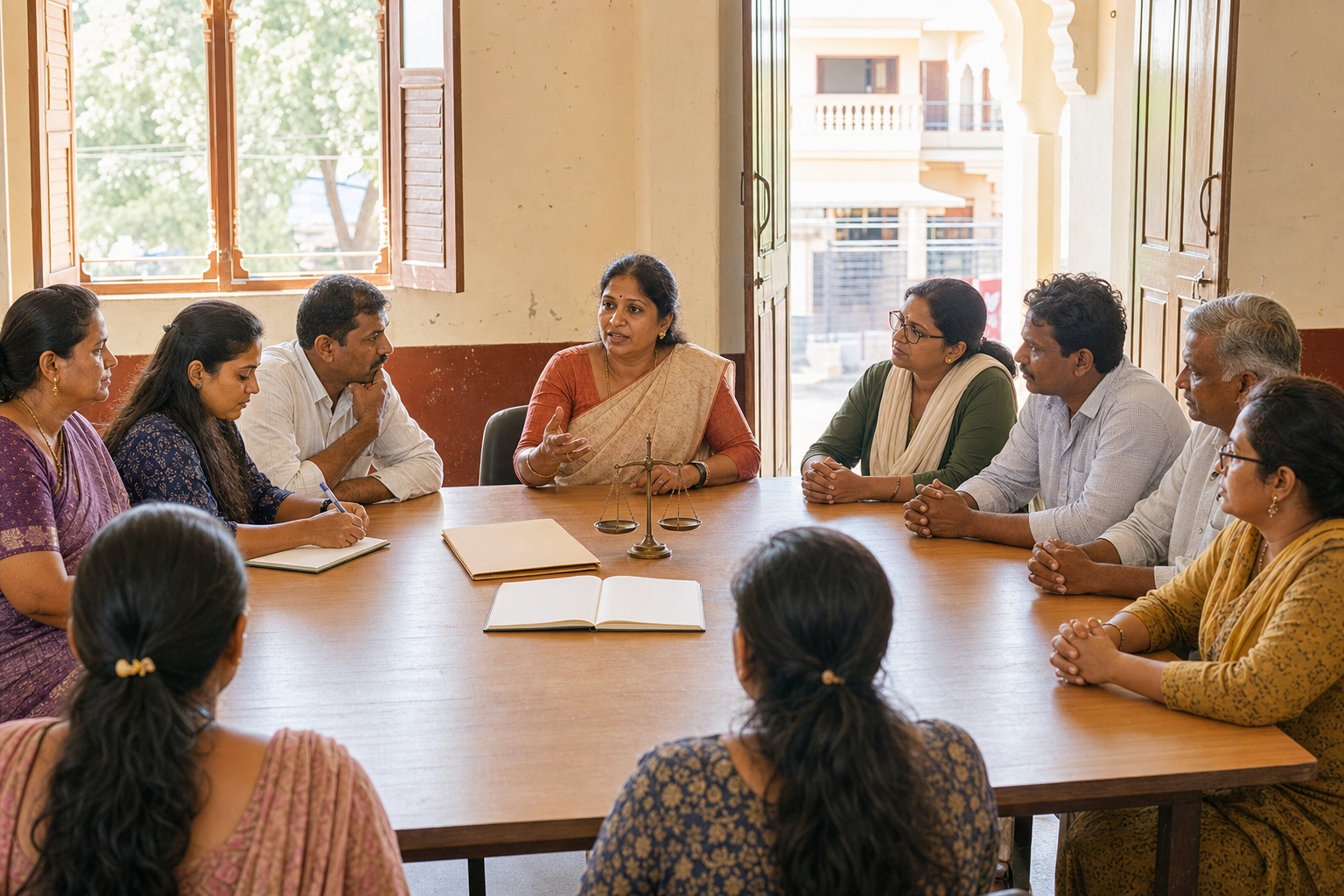
The lasting value of the Belagavi message will depend on whether it produces institutions rather than episodic alarm. A useful programme would be judged by whether young people seek help earlier, families respond more calmly, counsellors and legal resources are accessible, and claims of wrongdoing are evaluated consistently regardless of the identities involved.
The phrase “Beti Surakshit, Rashtra Surakshit” can support such work if safety is understood broadly: freedom from violence and coercion, freedom to make informed lawful choices, confidence in one’s cultural inheritance and confidence that family and community support will remain available in a crisis. None of these goals requires contempt for another community.
Future advocacy can build credibility by pairing cultural education with relationship education, confidential support and scrupulous respect for due process. That would turn the concern visible in Belagavi into a durable ethic of dignity, agency and accountable care.