
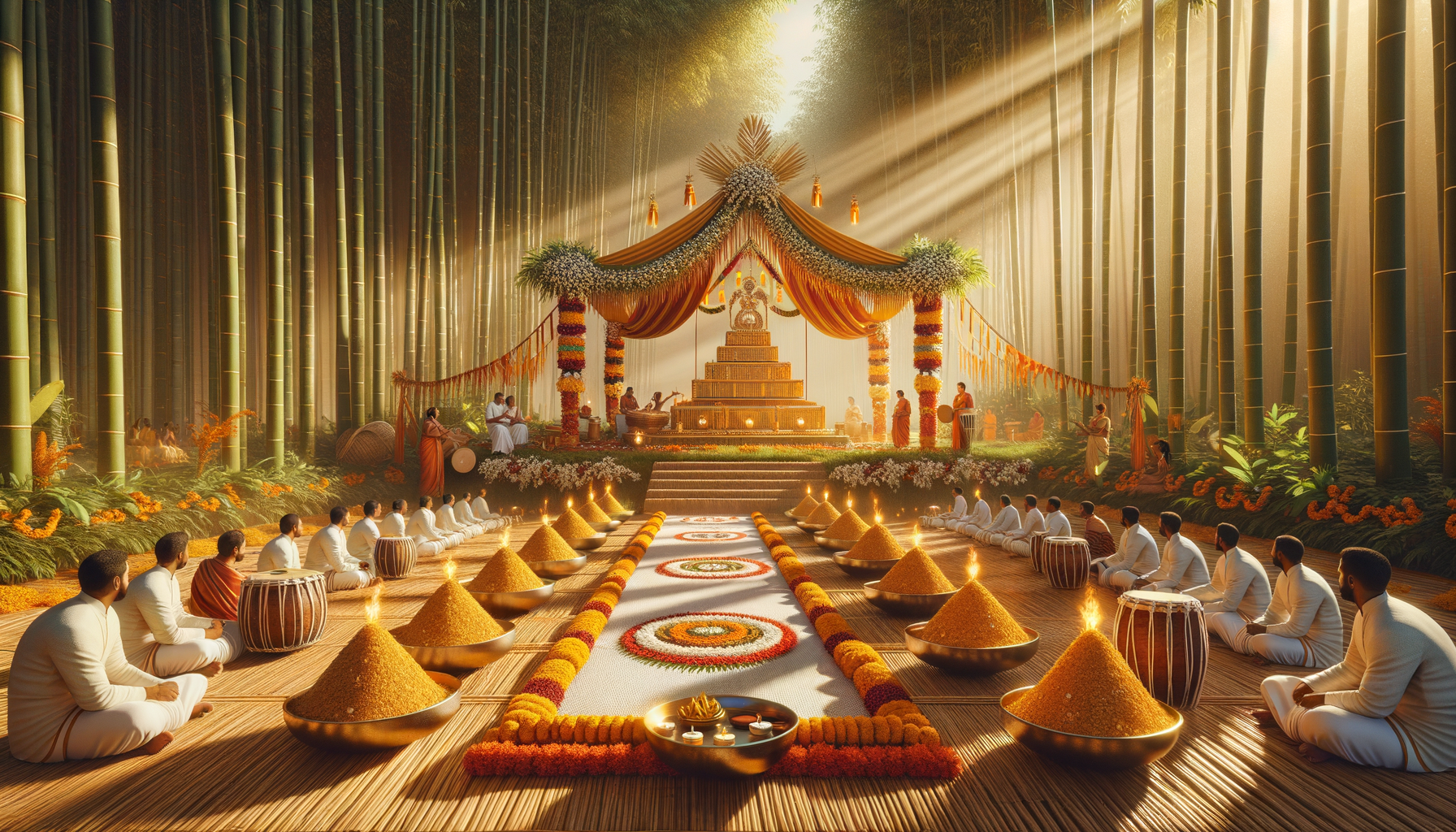
Sammakka Saralamma Jatharawidely recognized as the largest tribal fair in the worldreturns to Medaram in 2026 with profound cultural energy and spiritual devotion. The biennial festival will be observed over four days in alignment with Magha Purnima, beginning on January 28 and concluding on January 31, 2026. Pilgrims, cultural researchers, and heritage enthusiasts regard the Jathara as a living repository of indigenous dharmic traditions and communal harmony.
Held at Medaram village in Mulugu district, Telangana, the Jathara venerates the mother-daughter deities Sammakka and Saralamma (Sarakka). The four-day sequence typically unfolds with tribal rites, the ceremonial arrival and darshan of the deities at the sacred Gadde, large-scale offerings by devotees, and a concluding return procession that symbolizes cyclical renewal. In 2026, the core schedule is as follows: January 28 (commencement of Jathara observances), January 29–30 (peak darshan and offerings), and January 31 (concluding rites), all coinciding with the spiritually potent period of Magha Purnima.
The ritual life of the Jathara centers on offerings such as jaggery (often called bangaram), turmeric, vermilion, and neem leaveselements that express gratitude, vows, and a deep reverence for nature. Devotees from across Telangana and India’s wider tribal and rural communities converge to seek blessings, fulfill sankalpas, and affirm bonds of kinship. Many visitors describe the atmosphere as both solemn and celebratory: forest fragrances, drum rhythms, and collective chants create a sensory tapestry that underscores the festival’s enduring appeal.
The Jathara also exemplifies shared values within the broader dharmic familyHinduism, Buddhism, Jainism, and Sikhismthrough its emphasis on compassion, community seva, dana, and reverence for life. Observers frequently note how these principles are embodied in the respectful participation of diverse communities, the protection of sacred groves, and the intergenerational transmission of ethical practices. Such convergence affirms unity in spiritual diversity while honoring local customs and indigenous knowledge systems.
For first-time visitors, the scale of this cultural gathering can feel transformative. Planning travel and accommodation in advance, respecting local codes of conduct, and adopting eco-sensitive practices all enhance the experience. Given the large footfall, patience, preparedness, and attentiveness to community guidelines contribute to smooth movement, dignified darshan, and the preservation of sacred spaces.
Key details for 2026 are clear and concise: the Medaram Sammakka Sarakka Jatara starts on January 28 and ends on January 31, aligned with Magha Purnima. These dates enable devotees, culture seekers, and researchers to schedule visits, study ritual patterns, and engage responsibly with one of India’s most significant heritage events.
Overall, Sammakka Saralamma Jathara stands as a powerful testament to cultural continuity, tribal heritage, and dharmic unity. Its rituals and rhythms invite disciplined contemplation as well as shared celebrationqualities that sustain the festival’s identity as the world’s largest tribal fair and a beacon of inclusive spiritual practice.
Inspired by this post on Hindu Pad.
