
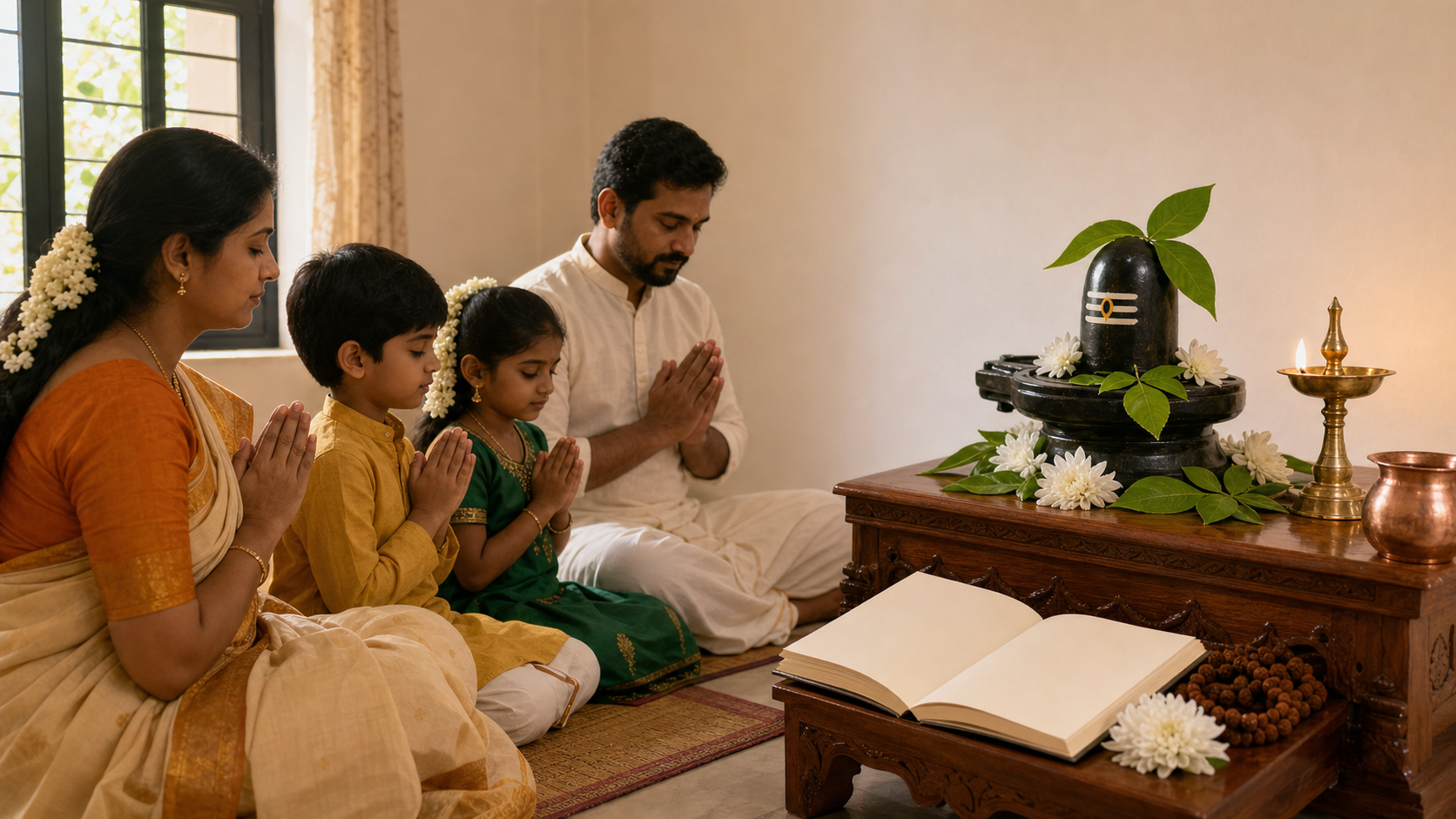
You may already have January 22 marked, but a date alone does not tell you how to observe Markandeya Jayanti. Should you fast? Do you need to visit a temple? Which practice matters most if you have limited time? And what should you do if a local calendar gives a different ritual window?
For 2026, Markandeya Jayanti is observed on January 22, corresponding to Shukla Paksha Chaturthi in the Hindu month of Magha. A meaningful observance can remain simple: settle the local timing, remember Sage Markandeya, worship Shiva, undertake sincere japa or study, and translate the day’s lesson into one deliberate action.
Settle the tithi before planning the ritual
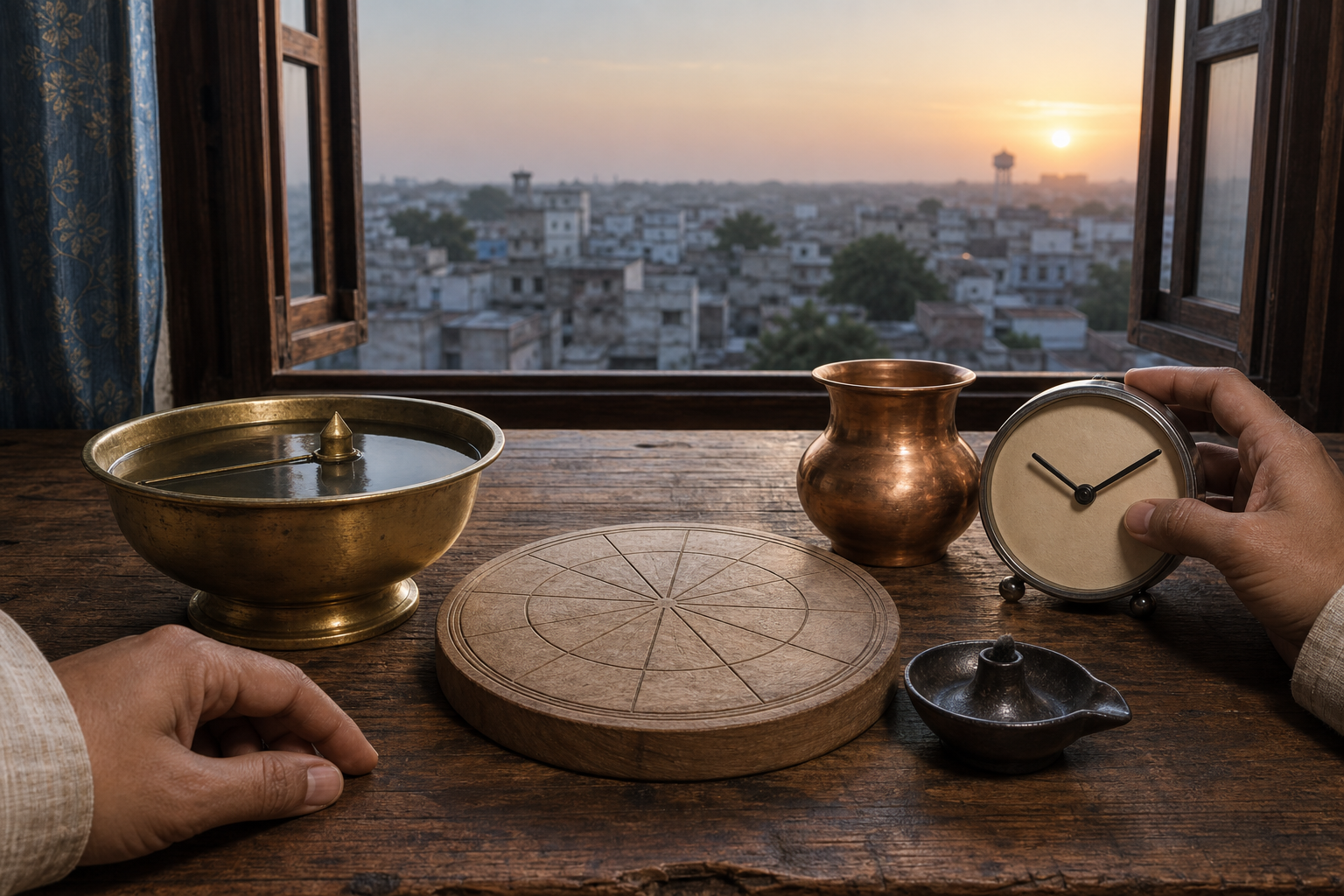
January 22 is the civil-calendar date to place in your 2026 plan. The governing religious date, however, is Magha Shukla Chaturthi. A tithi is a lunar-calendar division rather than a midnight-to-midnight civil day, so its boundaries can fall at different clock times in different locations.
This distinction matters when you see apparently conflicting calendars. One may be giving the festival’s general date, while another may be displaying the tithi’s beginning and ending times for a particular city. Do not copy a ritual time from a calendar prepared for another location and assume it applies where you live.
- Use January 22 as the planning date for the 2026 observance.
- Check a panchang calculated for your city or time zone before fixing the puja period.
- Note both the beginning and end of Magha Shukla Chaturthi rather than looking only for the festival name.
- If your family sampradaya or temple follows a particular calendar, use its determination consistently.
- Ask the temple directly if you intend to join a communal puja, reading, or kirtan; its programme time may not be the same as the full tithi window.
If you cannot obtain a reliable local time, do not manufacture a precise muhurta from incomplete information. Keep January 22 as the observance date and follow the established guidance of your family priest, guru, or local temple. Precision is valuable when it is grounded in the correct location; false precision is not.
Remember what Markandeya’s example asks of you
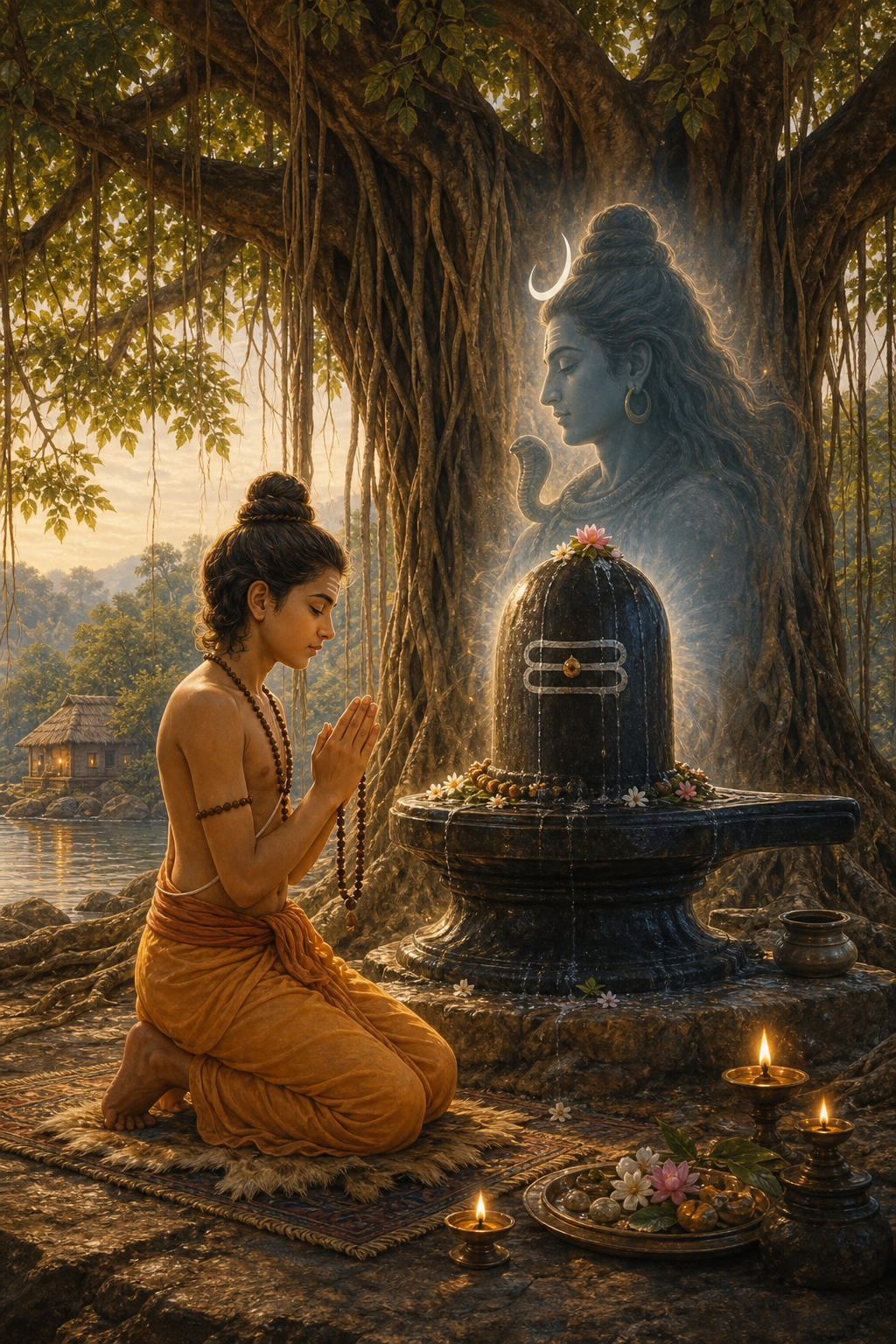
Sage Markandeya is remembered as a devoted worshipper of Lord Shiva and a revered seer of the Puranic tradition. The familiar account joins his steadfast devotion, the Mahamrityunjaya mantra, and victory over the fear of death. Its devotional center is not a bargain through which ritual effort purchases invulnerability. It is the refusal to abandon dharma when fear becomes overwhelming.
That gives you a useful way to choose a sankalpa. Do not begin with a long list of desired outcomes. Name one place in your life where fear, avoidance, or discouragement has weakened right action. Your observance can then be directed toward the quality Markandeya embodies: steady devotion joined to courage.
- If fear is delaying a necessary duty, resolve to take the first honest step after the puja.
- If your spiritual routine has become irregular, choose one modest practice you can continue after the Jayanti.
- If anxiety is making you harsh with others, connect mantra practice with restraint in speech.
- If you are facing grief or uncertainty, let the observance provide a disciplined space for prayer without pretending that devotion forbids sorrow.
The Mahamrityunjaya mantra belongs here as a practice of surrender, remembrance, and inner steadiness. It should not be presented as a guaranteed cure, protection contract, or replacement for medical care. Spiritual practice and responsible practical care do not compete with each other.
Follow a simple home observance in a clear order
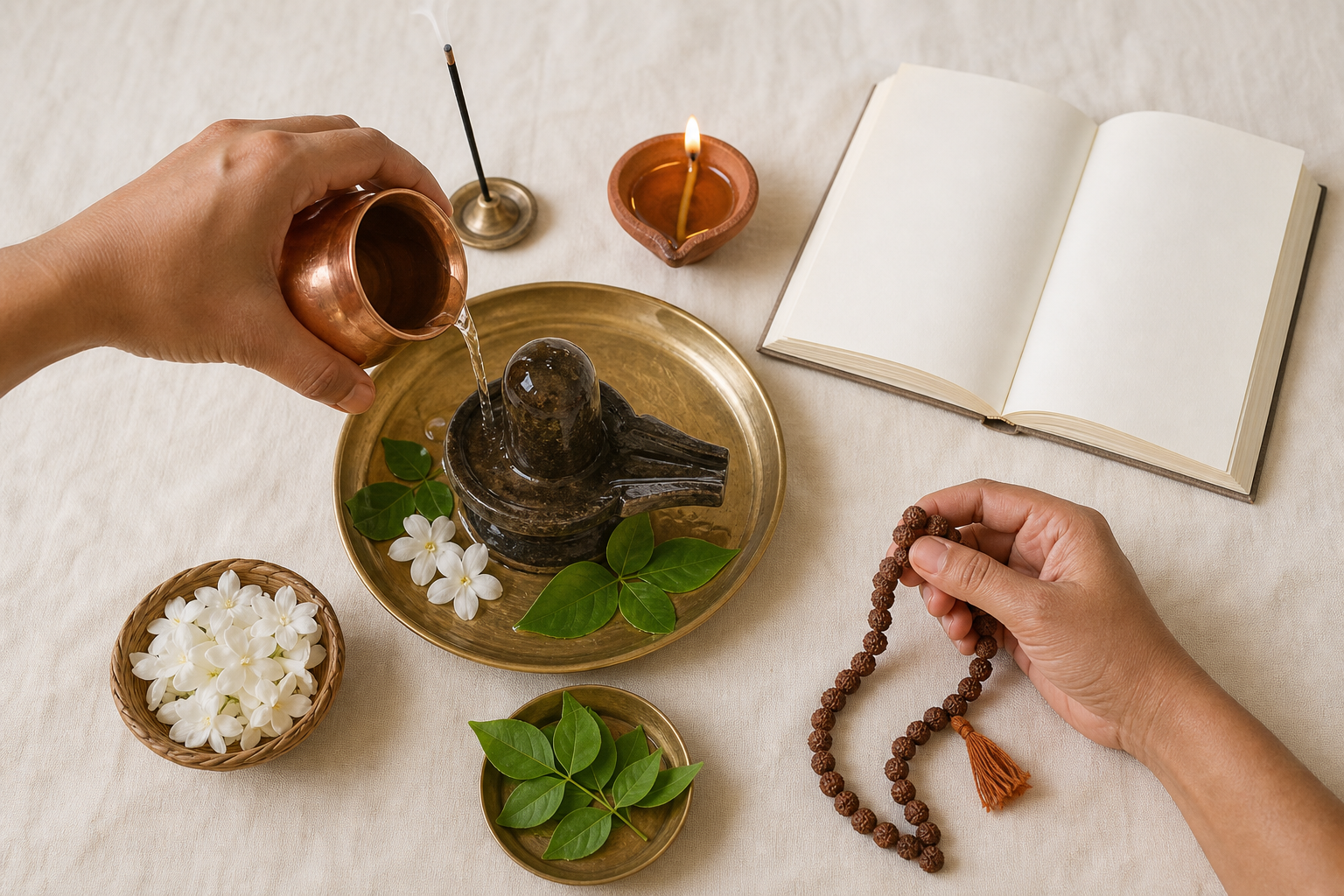
You do not need an elaborate event to honor Markandeya. If your household has an established vidhi, continue it. If not, the following order gives the day a coherent devotional shape without pretending to replace guidance from a qualified acharya or priest.
- Prepare a clean worship space. Arrange the image or murti you normally use for Shiva worship. If you keep an image of Sage Markandeya, place it respectfully. Gather only the offerings you will actually use; bilva leaves are a traditional offering to Shiva for this observance.
- State a concise sankalpa. Remember Sage Markandeya and name the quality you intend to cultivate, such as courage, discipline, truthfulness, or unwavering bhakti. Keep the intention specific enough to guide one real decision after worship.
- Offer Shiva and Markandeya puja. Follow your household procedure rather than combining unfamiliar rites from several traditions. A sincere, orderly puja with modest offerings is preferable to an elaborate sequence performed without understanding.
- Recite the Mahamrityunjaya mantra. Use the pronunciation and count taught by your guru, temple, or family tradition. If no count has been given to you, choose a manageable round and recite attentively. Do not rush merely to claim a larger number.
- Undertake svadhyaya. Read a focused selection associated with Sage Markandeya. The Markandeya Purana is especially significant and includes the Durga Saptashati. Select a passage you can contemplate instead of measuring the day by pages completed.
- Sit in silence. After japa or reading, allow a period without conversation, notifications, or background media. Ask what fear is controlling you, which dharmic duty it has obstructed, and what the next rightful action is.
- Close with seva. Dedicate an act of service to the observance. It may be support for a temple activity, assistance to someone in need, a shared meal, care for an elder, or another concrete act suited to your circumstances.
Keep the vrat sincere and physically responsible
A simple vrat may accompany the puja, but fasting is not a test of whose devotion is strongest. Decide beforehand what you can observe without turning the household tense or placing health at risk. If food restriction conflicts with a medical condition, medication schedule, pregnancy, recovery from an eating disorder, or safety-sensitive work, do not undertake it without appropriate professional guidance.
You can still make a disciplined vow: eat simply, abstain from an indulgence, reduce entertainment, guard your speech, or reserve additional time for japa and study. Children should be invited into age-appropriate prayer, storytelling, and seva rather than pressured into an adult fast. The purpose is self-mastery directed toward devotion, not distress for its own sake.
Give family and community participation a real purpose
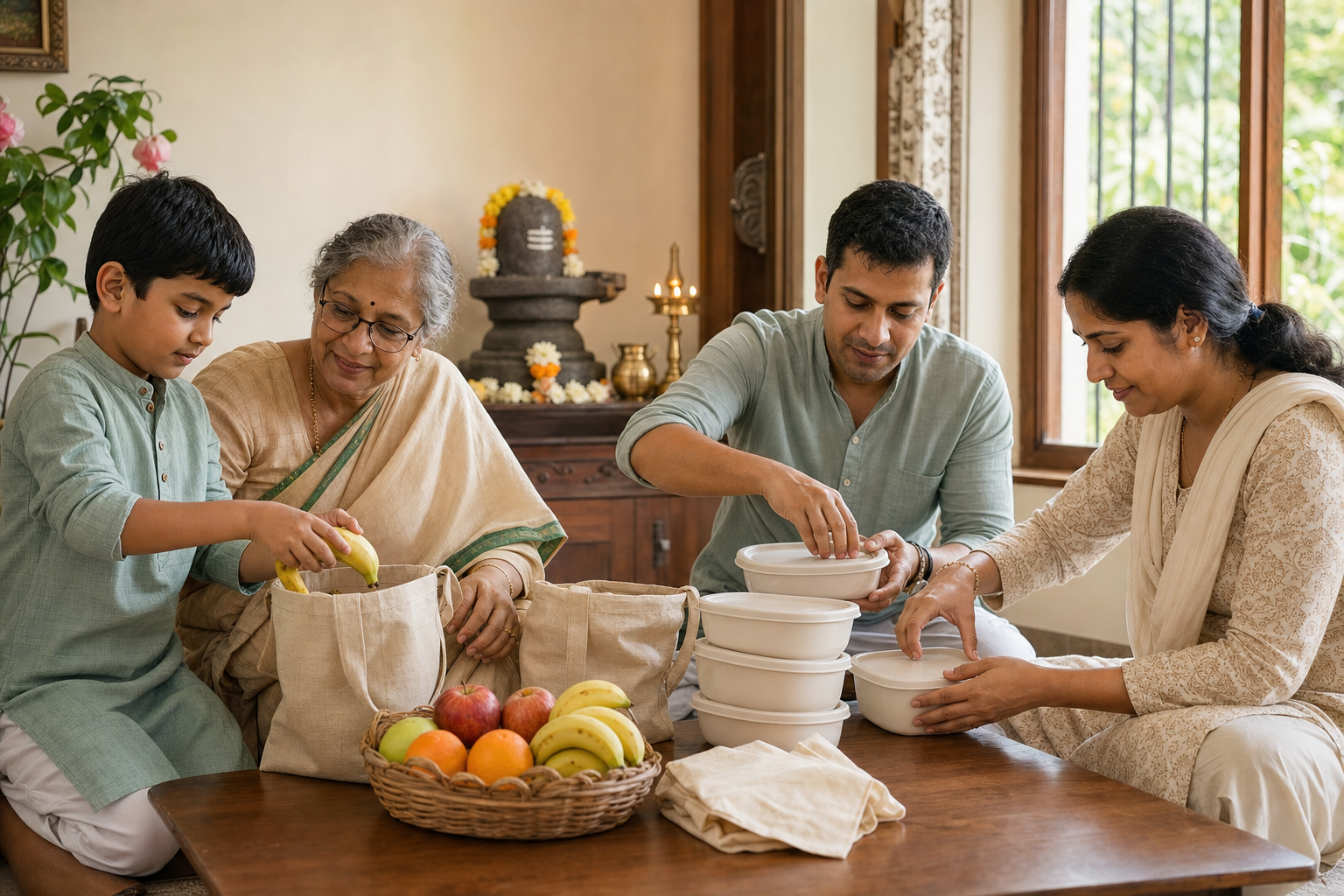
A shared observance works best when each person has something meaningful to do. Otherwise, children become spectators, adults become event managers, and the central lesson disappears beneath logistics.
- Ask one family member to tell the Markandeya account in three movements: devotion to Shiva, confrontation with the fear of death, and steadfastness in dharma.
- Let each participant name one quality they recognize in Markandeya and one way to practise it during the following days.
- Divide the reading into short portions so that several people can participate without turning svadhyaya into a performance.
- If your community gathers, combine puja with a focused reading, kirtan, or mantra recitation rather than scheduling activities only to fill time.
- Choose a shared seva task before the gathering ends, assign responsibility, and specify when it will be completed.
Minimal, eco-conscious arrangements are entirely compatible with a reverent celebration. Use offerings in quantities that can be handled respectfully, avoid disposable decoration where practical, and leave the worship or temple area cleaner than you found it. Expenditure is not a measure of bhakti.
Fearlessness, compassion, self-discipline, and truth-seeking also resonate across Hindu, Buddhist, Jain, and Sikh ethical life. That shared dharmic vocabulary can support respectful conversation, but it should not flatten distinct traditions. Markandeya Jayanti remains a Hindu observance centered on Sage Markandeya and devotion to Shiva; recognize common virtues without claiming that every community follows the same theology or ritual.
Key takeaways for Markandeya Jayanti 2026
- Date: Markandeya Jayanti falls on January 22, 2026.
- Tithi: The observance corresponds to Shukla Paksha Chaturthi in Magha.
- Timing: Confirm the tithi window with a panchang calculated for your location, especially before announcing a puja time.
- Core practices: Shiva and Markandeya puja, Mahamrityunjaya mantra japa, meditation, and study of the Markandeya Purana are appropriate choices.
- Vrat: A simple fast is optional. Adapt or omit food restriction when health, medication, life stage, or work safety requires it.
- Application: Complete the observance with one defined act of courage, discipline, compassion, or seva.
Put two entries in your 2026 plan: reserve January 22, then add a separate reminder to verify the local panchang and temple schedule. After that, choose one mantra practice, one passage for svadhyaya, and one act of seva. Those decisions give the day its shape before ritual details begin to crowd the intention.
References
