

You are probably trying to answer a practical question: which November dates should your family keep free for Kartik Shukla observances in 2026? The answer is a sequence, not a single festival day.
Use November 16 and November 18 as the firm civil-date anchors in this guide. For advance planning, reserve November 13–16 as the working four-day Chhath period, then confirm the applicable tithi boundaries, puja times and community programme with your local panchang or temple.
The November 2026 dates at a glance

| Observance | Kartik Shukla position | November 2026 planning date | What distinguishes it |
|---|---|---|---|
| Chhath Puja | Four days, Chaturthi through Saptami | Working block: November 13–16; verify locally | Worship dedicated to Surya Bhagawan |
| Jalaram Jayanti | Saptami | November 16 | Birth anniversary of Jalaram Bapa |
| Akshaya Navami | Navami | November 18 | Also called Amla Navami and Akshay Navmi Parikrama Divas |
| Jagadhatri worship | Follow the relevant regional calendar | Confirm with your temple or community | Worship of Jagadhatri, a form of Devi Durga, especially in West Bengal and Odisha |
The Chhath range is a planning inference, not a substitute for a local festival calendar. Chhath runs for four days from Kartik Shukla Chaturthi through Saptami, while Kartik Shukla Saptami is placed on November 16 in 2026. Counting back through the four tithis gives November 13–16 as the sensible block to protect for travel, leave and community arrangements. Local tithi boundaries can affect how a temple or household maps the observance onto civil dates.
Keep the two November 16 observances distinct
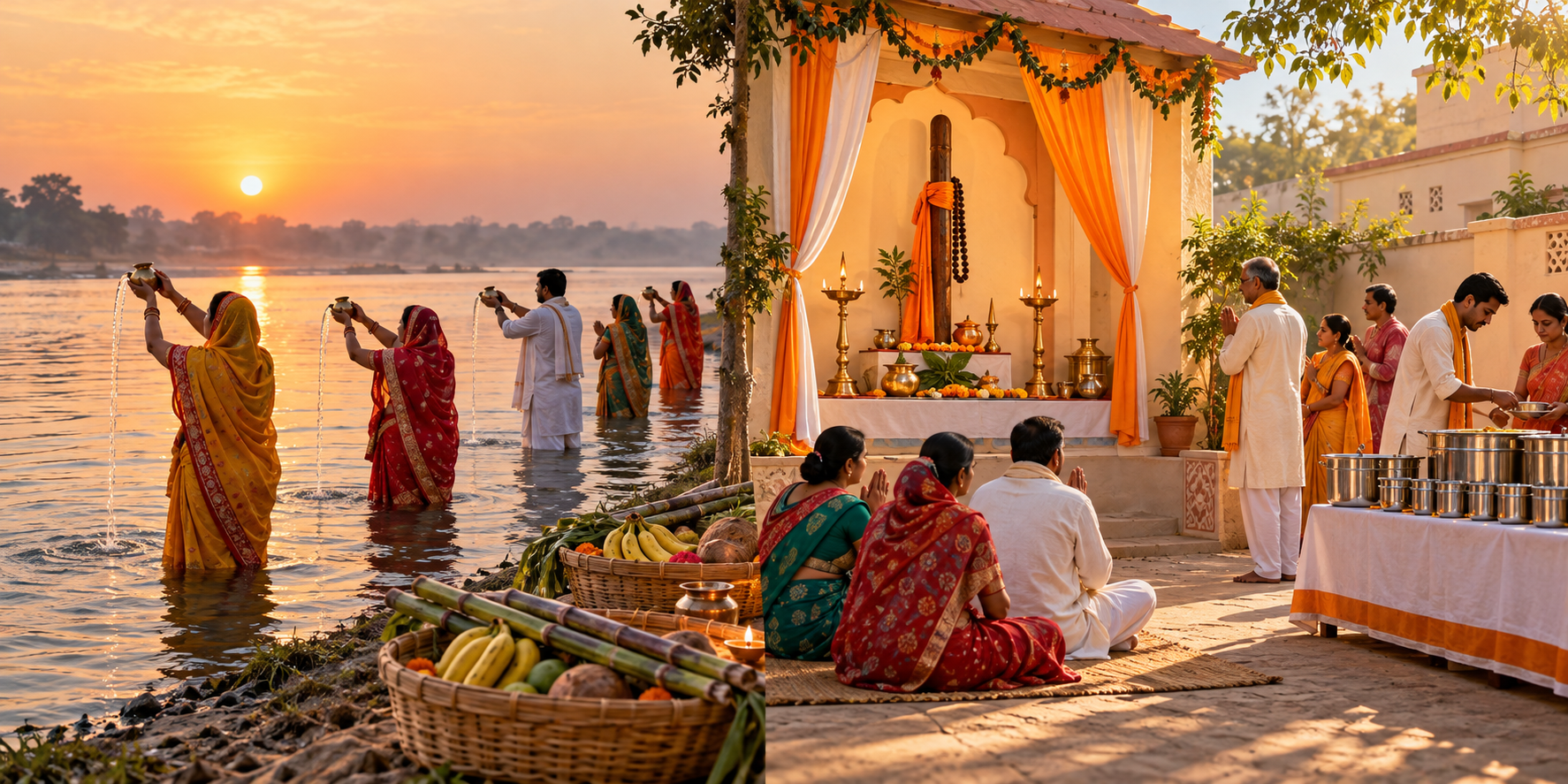
November 16 needs two entries if both traditions matter in your family. Sharing Kartik Shukla Saptami does not make Chhath and Jalaram Jayanti interchangeable.
Chhath is dedicated to Surya Bhagawan. Its four-day form means that planning only for the final date will miss most of the commitment. It is especially prominent in Bihar and Jharkhand, with observance also found in New Delhi, Haryana and other parts of North India.
Jalaram Jayanti commemorates a different sacred inheritance. It marks the birth anniversary of Jalaram Bapa, a Hindu saint born in 1799 at Virpur near Rajkot in Gujarat. The November 16 date therefore carries particular significance for devotees, families and institutions connected with his tradition.
If your household has both Bihari or Jharkhandi and Gujarati connections, do not ask which festival is the “correct” one for Saptami. Ask which commitments your family actually follows and which programmes your local community is holding. Then plan them separately:
- Block November 13–16 as a multi-day Chhath commitment rather than creating only a November 16 reminder.
- Add a separate November 16 entry for Jalaram Jayanti if your household, mandir or community observes it.
- Check for overlapping travel, seva or gathering commitments before accepting invitations.
- Obtain exact timings from the panchang used by the household or institution leading the observance. A civil date alone does not establish a puja time.
Read the November 18 names as aliases, not extra festivals
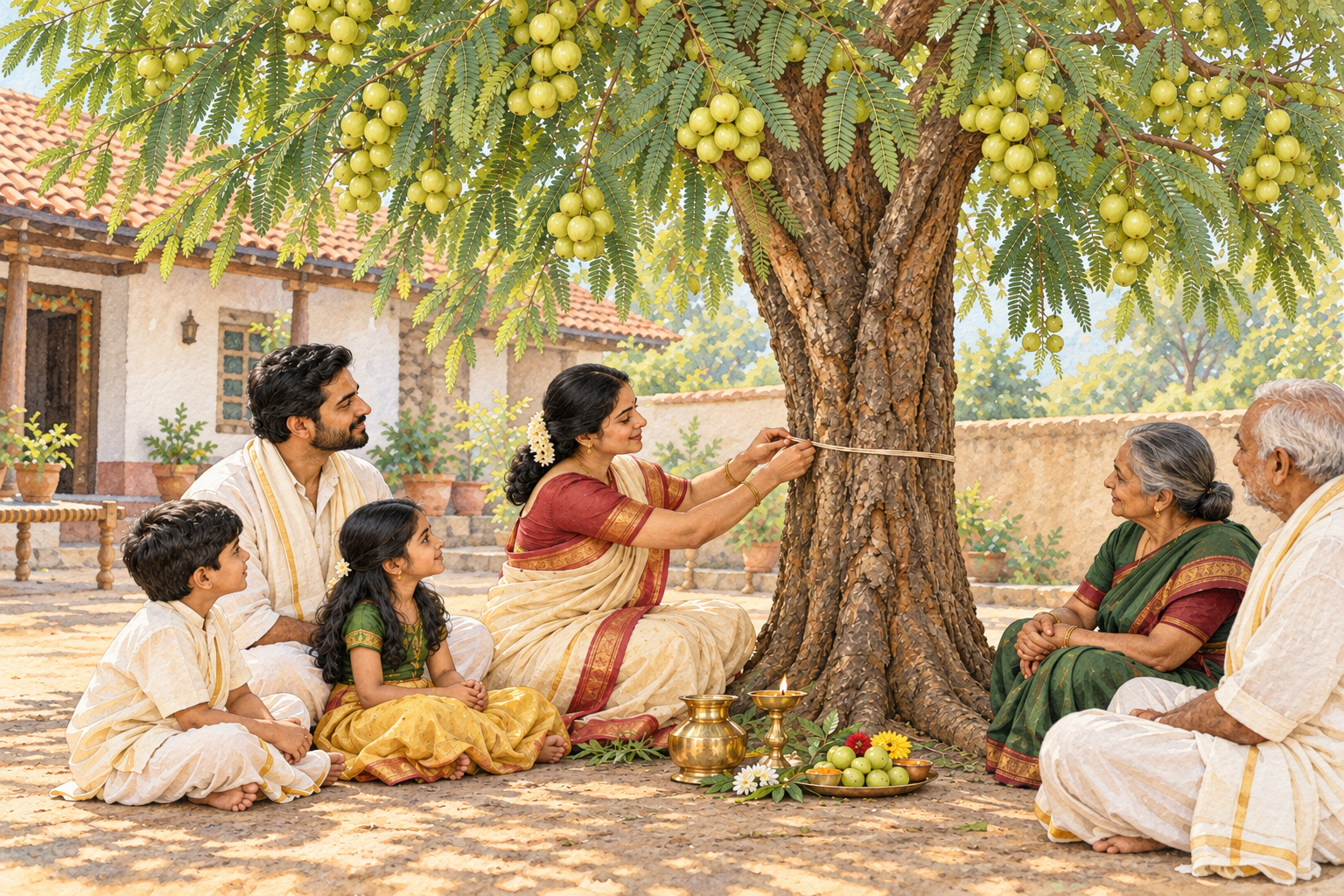
Akshaya Navami falls on November 18 in 2026. You may also encounter Amla Navami, Akshay Navmi or Parikrama Divas in calendars, messages and temple announcements. For date planning, treat these as names associated with the same Navami observance unless your own tradition or temple distinguishes its programme more narrowly.
A second wording difference can cause unnecessary confusion. Akshaya Navami is Kartik Shukla Navami, yet North Indian calendars may describe it as the ninth day in the second half of Kartik, while other Hindu calendars place the same day in the first half. This reflects different ways of reckoning the lunar month. It does not create two Akshaya Navami dates.
The safest calendar label is therefore “Akshaya Navami / Amla Navami — Kartik Shukla Navami — November 18.” Including the tithi and the common aliases prevents family members from creating duplicate entries or assuming that one regional name has been omitted.
Build regional practice into your calendar
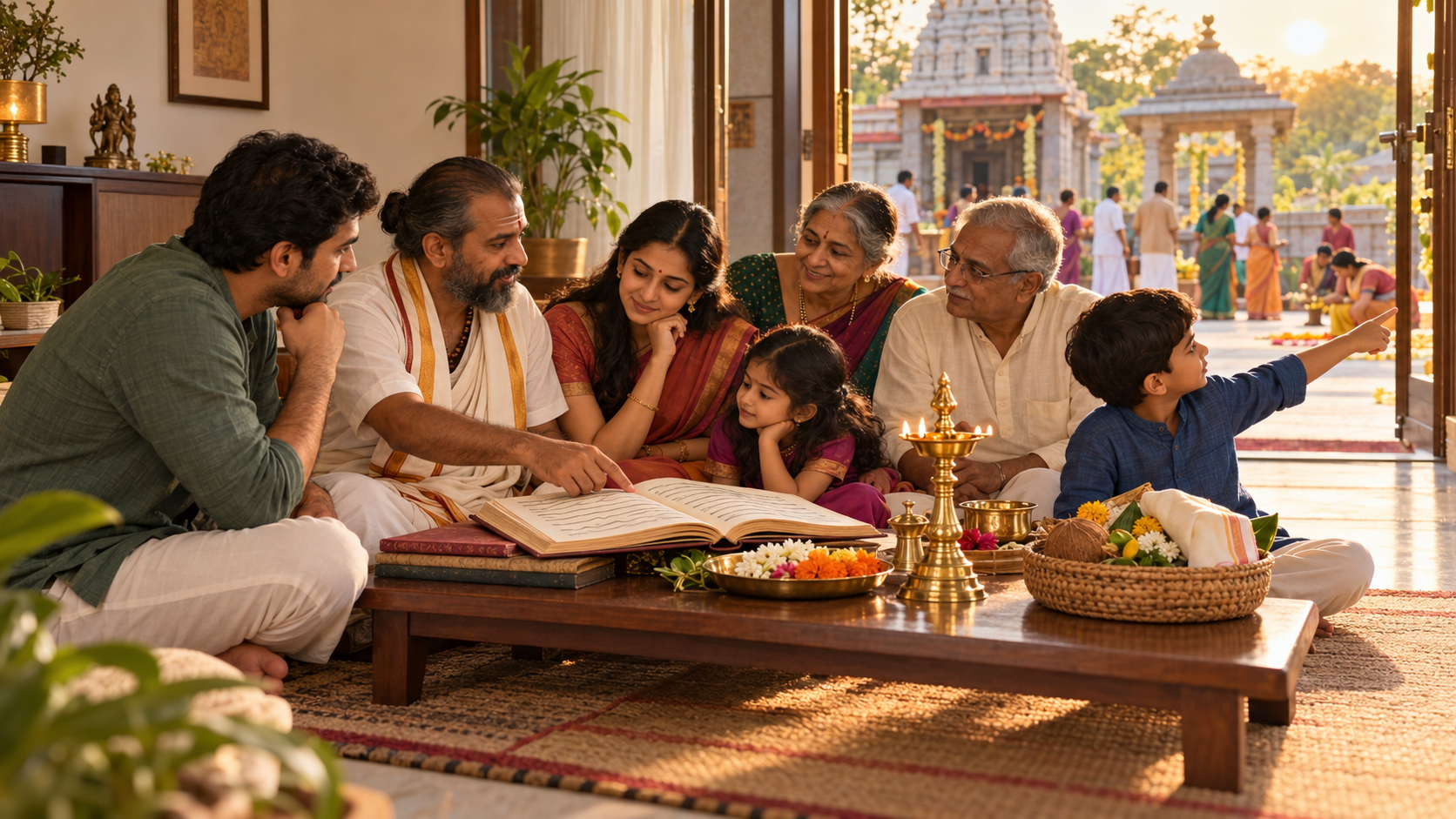
A single all-India list cannot tell every household what it should observe. Kartik Shukla practice is shaped by region, family lineage, sampradaya and the calendar used by the temple or community conducting the worship.
Jagadhatri is a form of Devi Durga worshipped especially in West Bengal and Odisha. Her sacred account presents the Goddess as the universal power who checks the pride of the demigods and reveals that all power remains under her authority. That identity and regional setting distinguish Jagadhatri worship from the Surya devotion of Chhath, the saintly remembrance of Jalaram Jayanti and the Navami observance known as Akshaya or Amla Navami.
No verified November 2026 civil date is established here for Jagadhatri worship. Do not attach it automatically to November 18 merely because it appears within the same broader Kartik Shukla period. If it belongs to your family or regional practice, ask the relevant temple, puja committee or community calendar for its date and time.
A usable personal calendar can be built in four steps:
- Create a provisional Chhath block for November 13–16 and mark it “local confirmation required.”
- Create a distinct Jalaram Jayanti entry on November 16.
- Create an Akshaya Navami / Amla Navami entry on November 18.
- Add Jagadhatri worship only after receiving the applicable regional or institutional schedule.
For each entry, record who supplied the final timing. That small note prevents a common last-minute problem: two relatives forwarding different calendars without anyone knowing which panchang the household intended to follow.
Key takeaways
- Reserve November 13–16 as the working four-day Chhath window, but confirm the civil-date mapping and timings locally.
- November 16 is Kartik Shukla Saptami and the 2026 date for Jalaram Jayanti; keep it separate from the Chhath entry.
- November 18 is Akshaya Navami, also known as Amla Navami and Akshay Navmi Parikrama Divas.
- Different descriptions of Navami as being in the first or second half of Kartik reflect calendar reckoning, not competing festival dates.
- Jagadhatri worship is especially associated with West Bengal and Odisha; obtain its 2026 date from the regional community or temple you follow.
Put the November 13–16 block and the November 16 and 18 anchors into your calendar now. Then settle the remaining details with the local panchang or institution whose practice you will actually follow. That gives you enough certainty to arrange leave and travel without pretending that one national date list can replace living regional tradition.
References
- Hindu Pad — Akshaya Navami 2026 | Amla Navami | Akshay Navmi Parikrama Divas
- Hindu Pad — Jagadhatri (Maa Jagaddhatri)
- Hindu Pad — Chhath Puja 2026 | Chhath Pooja 2026 dates
- Hindu Pad — Jalaram Jayanti 2026 | Jalaram Bapa Jayanti 2026 date

Leave a Reply
You must be logged in to post a comment.