
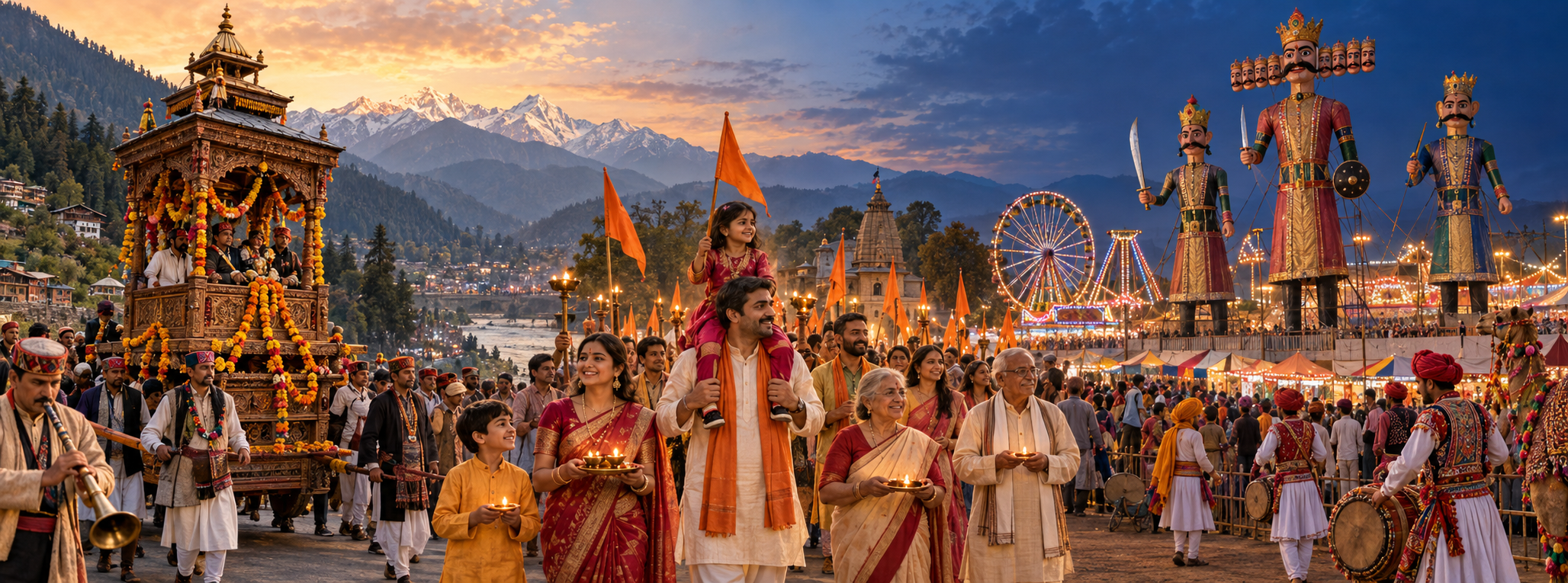
If you are choosing when to perform your family observance, take leave from work or travel for a major celebration, circle October 20 first. That is the principal Dasara or Vijaya Dashami date in India in 2026. Kullu and Kota then follow distinct public festival calendars.
The important distinction is simple: the sacred date and the full regional celebration do not always occupy the same span. Kullu begins after Vijaya Dashami, while Kota opens on the day itself and continues into November. Plan the observance and the journey as two related decisions.
The Dussehra 2026 dates to put in your calendar

Dasara is observed on the tenth day of the bright fortnight of Ashwin, also called Ashwayuja. It is also the tenth and final day of Durga Navratri. In 2026, the principal Dasara date in India is October 20.
| Observance or celebration | 2026 date or festival window | What the date means for you |
|---|---|---|
| Dasara or Vijaya Dashami in India | October 20 | Use this as the principal religious and calendar date. |
| Kullu Dussehra, Himachal Pradesh | October 21-27 | The named regional celebration begins the day after the principal Vijaya Dashami date. |
| Kota Dussehra Mela, Rajasthan | October 20-November 6 | The mela begins on Vijaya Dashami and continues well beyond it. |
If you need only the main Dussehra date, use October 20. If you are arranging a journey, accommodation or a community outing, use the destination-specific window instead. Treating every line in the table as interchangeable is the mistake that leads to wrong arrival dates.
Why the regional calendars are different
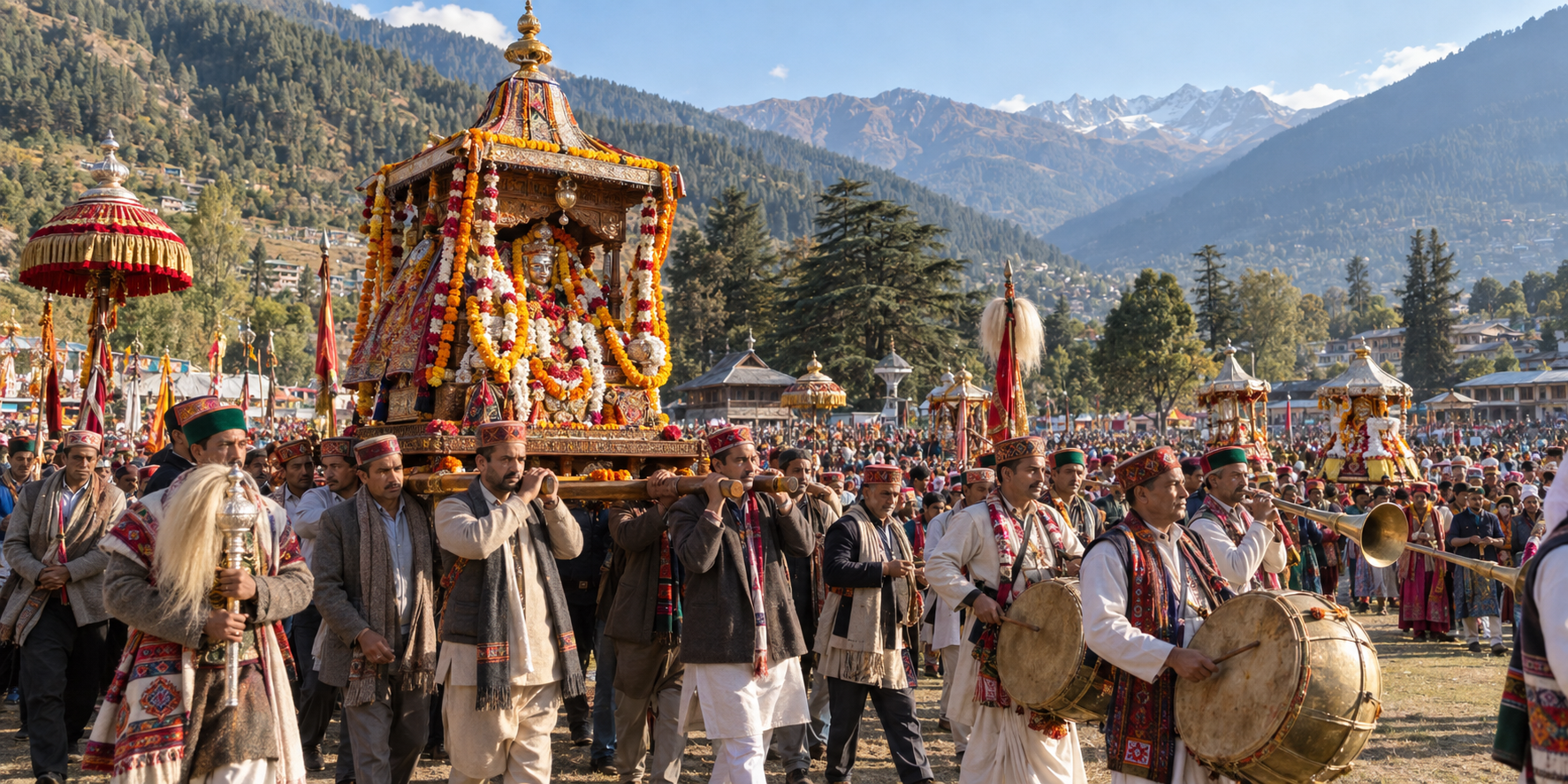
Dussehra is both a sacred calendar observance and a living regional festival. The tithi establishes Vijaya Dashami, but a city’s mela or cultural programme can occupy a longer period. That is why one principal date can sit beside two very different event windows without contradiction.
Kullu makes this distinction especially clear. Although Vijaya Dashami falls on October 20, Kullu Dussehra runs from October 21 through October 27. Do not assume that an event bearing the name “Dussehra” must open on the principal calendar date.
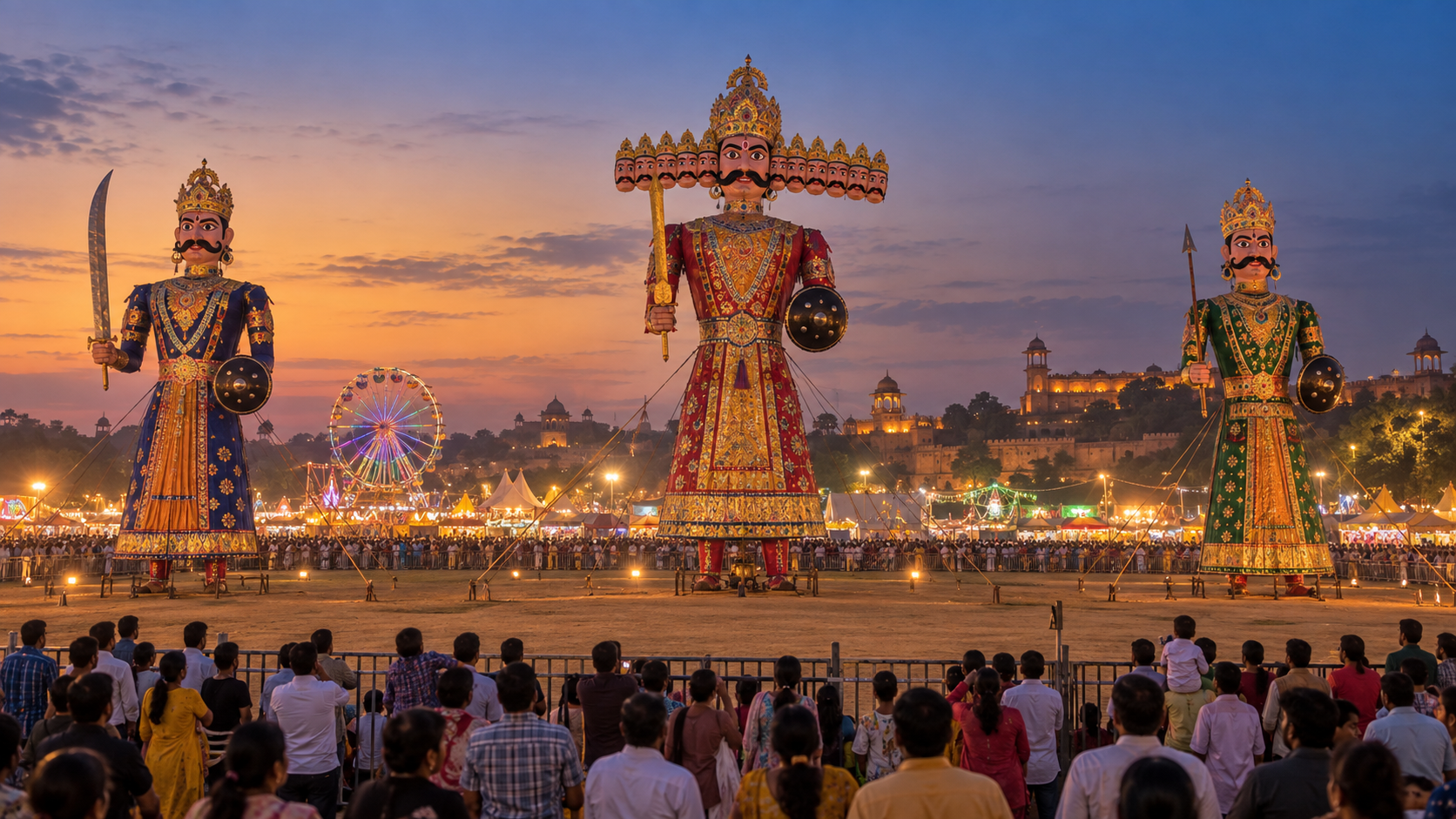
Kota follows another pattern. Its Dussehra Mela begins on October 20 and ends on November 6. A person attending on Vijaya Dashami and a person visiting later in the mela period may both be attending Kota Dussehra, but they are not attending the same phase of the celebration.
The names can also vary without indicating different festivals. Dasara, Dussehra and Vijaya Dashami refer here to the same culminating observance. Likewise, Ashwin and Ashwayuja are regional names used for the lunar month. When relatives, temples or travel listings use different forms, compare the date and place before assuming that they mean different occasions.
Choose the date that matches what you intend to do
For worship or a family observance
Keep October 20 as your central date. If your observance requires a precise puja period rather than only the civil date, consult the panchang followed by your family or temple. A festival date tells you the day to reserve; it does not by itself supply local ritual timings.
For Kullu Dussehra
Build your Kullu plan around October 21-27, not around a generic search result for “Dussehra 2026.” The practical point is not merely that Kullu lasts several days. Its opening falls after the principal date, so an itinerary centred only on October 20 misses the stated festival window.
For the Kota Dussehra Mela
Choose October 20 if being present on Vijaya Dashami itself matters to you. Choose within the wider October 20-November 6 period if your priority is attending the mela and you need more flexibility. Do not describe a later visit as attendance on Vijaya Dashami; it is attendance during the extended Kota celebration.
Plan the journey without confusing the holy day and the event
- Decide what is fixed. If family worship is the priority, reserve October 20 before making travel plans.
- Write the destination window separately. Record Kullu as October 21-27 and Kota as October 20-November 6. Do not place all three entries under a single undifferentiated “Dussehra” label.
- Choose the phase you want. For Kota, distinguish the principal festival day from a later mela visit. For Kullu, remember that the regional window starts after the principal day.
- Check the daily programme before committing money. The festival windows tell you when the celebrations run, but they do not identify which ceremony, performance or activity occurs on each day. Confirm the local programme, access arrangements and travel details before making non-refundable bookings.
- Share dates with their place names attached. “Vijaya Dashami: October 20,” “Kullu: October 21-27” and “Kota: October 20-November 6” are much harder for a family or group to misread than three unlabeled dates.
If you are coordinating a temple, association or school event, make the distinction explicit in every notice. State whether October 20 is the day of worship, the day of a local programme or both. A regional mela continuing beyond that date does not move Vijaya Dashami; it extends the public celebration around it.
Key takeaways
- Dussehra, Dasara or Vijaya Dashami falls on October 20 in India in 2026.
- Kullu Dussehra runs from October 21 through October 27.
- Kota Dussehra Mela runs from October 20 through November 6.
- Use October 20 for the principal observance, but use the full regional window when planning travel.
- Consult your local panchang for ritual timing and the local event programme for day-by-day activities.
Put October 20 on your calendar now, then add Kullu or Kota as a separate entry if you intend to travel. That small distinction preserves both the sacred date and the regional character of the celebration you want to attend.
References
- Hindu Pad — Kullu Dussehra 2026 | Dussehra celebrations in Kullu Valley of Himachal Pradesh
- Hindu Pad — Dasara 2026 | Dussehra 2026 date
- Hindu Pad — Kota Dussehra Mela 2026 | Dussehra Mela at Kota in Rajasthan

Leave a Reply
You must be logged in to post a comment.