
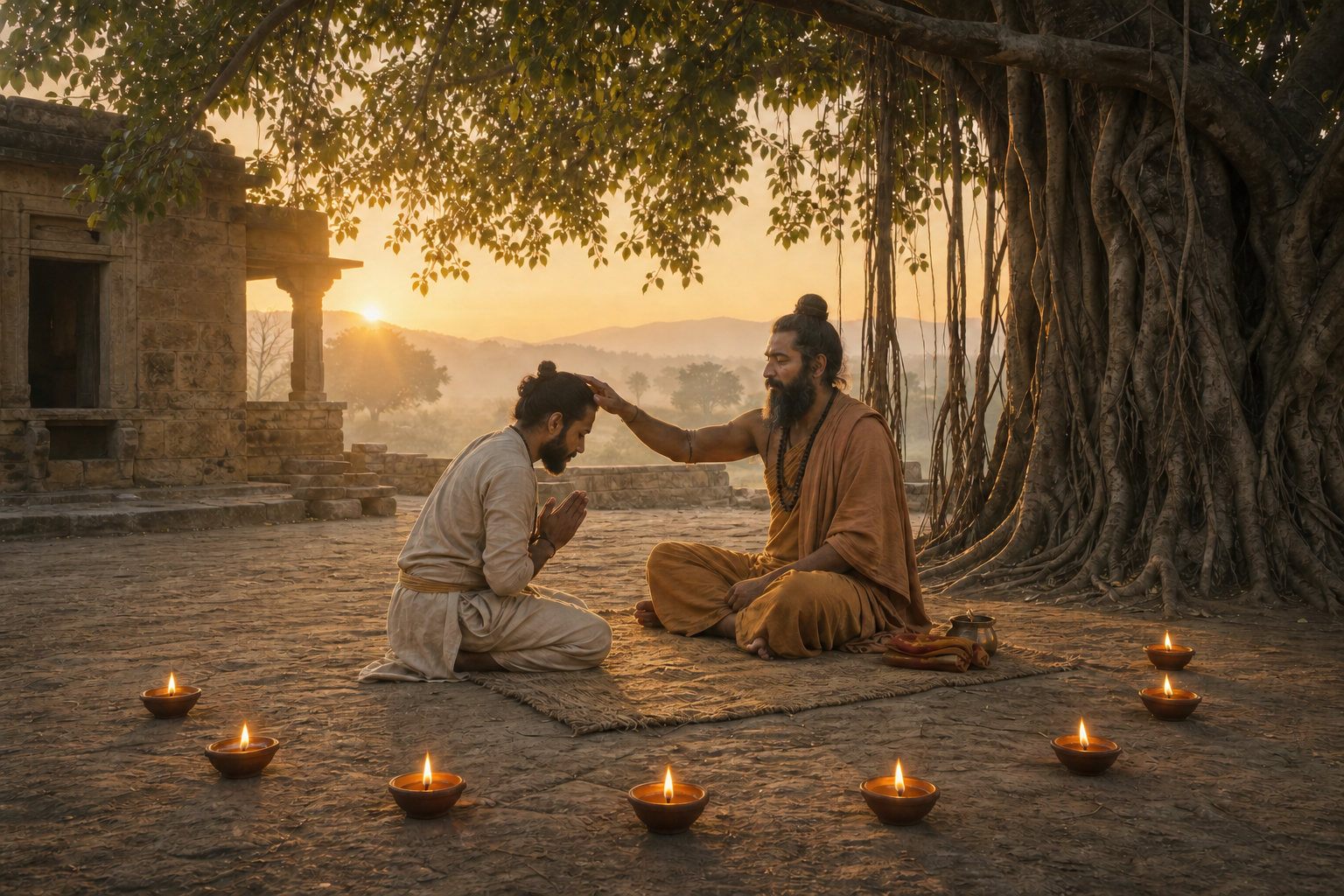
If you know Dharmanath Beej is connected with the Navnath Sampradaya but aren’t sure what it commemorates, begin with one word: initiation. The occasion remembers Shri Dharmanath’s initiation and directs your attention to the teacher-disciple lineage that makes spiritual learning possible.
That focus gives you a practical way to approach the day. Choose prayers, study, restraint, and service that deepen gratitude to the guru lineage. Elaborate ritual is secondary to disciplined remembrance.
Key takeaways for Dharmanath Beej
- Dharmanath Beej is observed on Magh Dwitiya, the second lunar day of the Hindu month of Magh.
- The occasion commemorates the initiation of Shri Dharmanath, the son of Shri Machindranath.
- In 2026, Dharmanath Beej fell on January 20. That Gregorian date applies to 2026, not automatically to every year.
- Traditional forms of remembrance include prayers at Nath temples and mathas, offerings to the guru lineage, satsang, devotional hymns, a simple vrata, study, seva, and daana.
- A home observance can be meaningful, but it should be understood as remembrance rather than a substitute for formal initiation into a lineage.
Why initiation is the heart of the commemoration
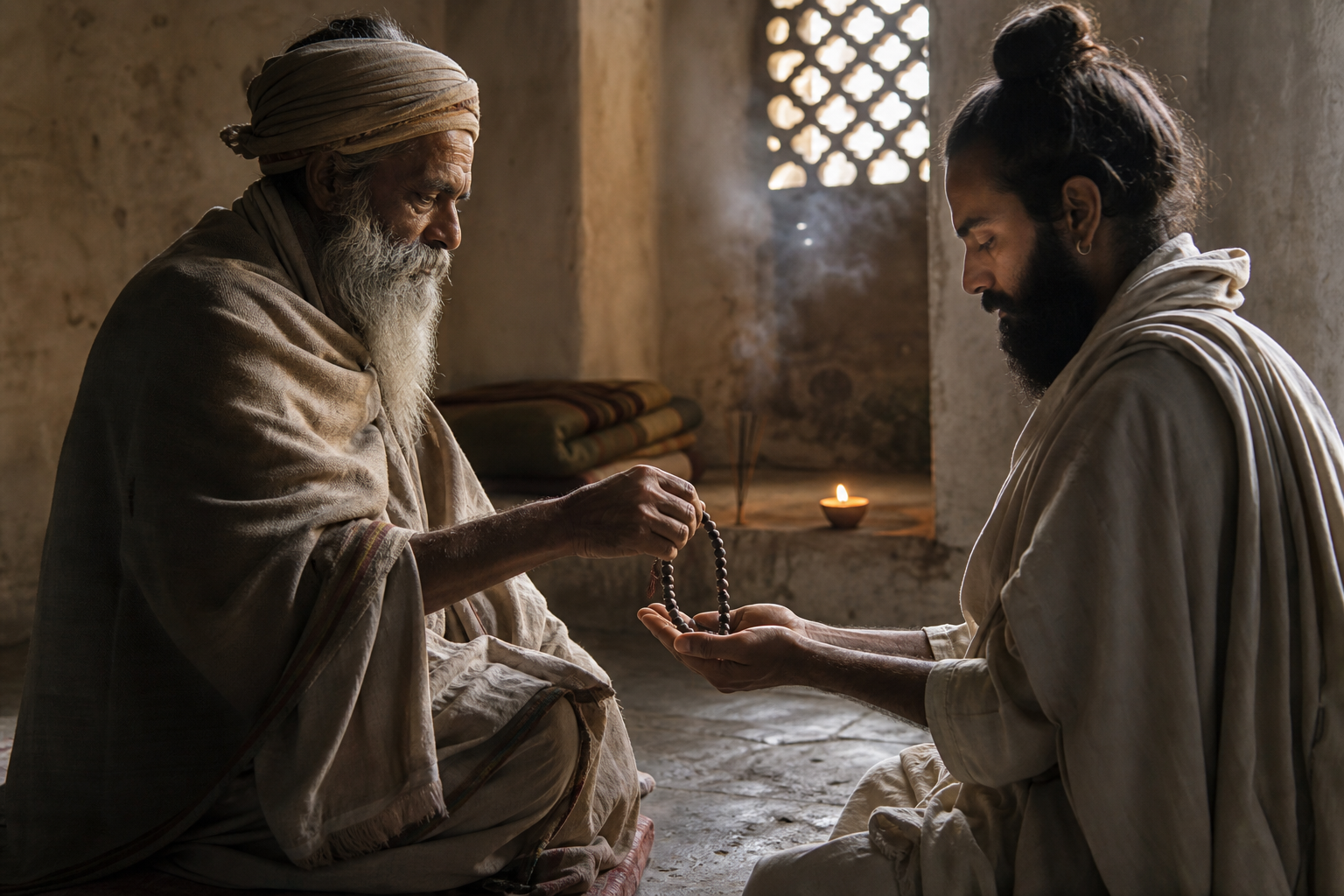
Dharmanath Beej is easy to misread as a festival devoted only to a revered personality. Its central event is more specific: the initiation of Shri Dharmanath, son of Shri Machindranath. The day therefore honours a person and the process through which spiritual knowledge is received, practised, and carried forward.
The guru-shishya parampara is not merely ceremonial respect for an elder. It places the learner in a relationship of instruction, reflection, correction, and sustained practice. A teaching remains alive when someone receives it with humility, tests it through disciplined living, and becomes capable of transmitting it responsibly. Temples, mathas, satsang, hymns, and family remembrance support that continuity, but none can replace practice itself.
Dharmanath’s relationship to Shri Machindranath also invites a useful reflection. He is remembered as a son, yet the defining spiritual milestone is initiation. Kinship can place someone near a tradition, but proximity is not the same as formation. Cultural inheritance becomes a living discipline only when it is consciously received and embodied.
This distinction matters if you were born into a Dharmic household. Knowing the names of gurus, keeping an image on the altar, or attending an annual programme preserves memory. The next step is to ask what instruction shapes your conduct. On Dharmanath Beej, identify one teaching you have received from a parent, acharya, guru, or other trustworthy teacher. Then choose how you will practise it after the observance is over.
Gratitude to a teacher should produce a visible consequence. It may become more careful speech, greater regularity in study, a neglected duty completed, or service performed without seeking recognition. The particular discipline will depend on your situation and lineage. The important point is that remembrance should move from sentiment into abhyasa, sustained practice.
How to determine the date without carrying forward an error
Here, Beej carries the calendrical sense of Dwitiya: the second lunar day. Dharmanath Beej is tied to the second day of Magh, not to a permanently fixed Gregorian date. In 2026, the corresponding date was January 20.
The practical mistake is to save January 20 as an annually recurring event. The Hindu lunar date must be matched to the civil calendar again for each year. Treat the Gregorian date as a planning aid for that particular year, while Magh Dwitiya remains the defining observance.
- Look for Magh Dwitiya in the Hindu calendar for the year you intend to observe.
- Confirm the corresponding civil date rather than copying the previous year’s date.
- If you plan to attend a Nath temple or matha, check its announced programme before arranging travel.
- Use the local programme time for collective worship, satsang, or offerings, while retaining Magh Dwitiya as the reason for the observance.
This simple distinction prevents two different questions from being confused. The tithi tells you what sacred day is being remembered. The temple schedule tells you when a particular community will gather. You need both pieces of information if you want to participate in person.
A home observance centred on the Navnath lineage
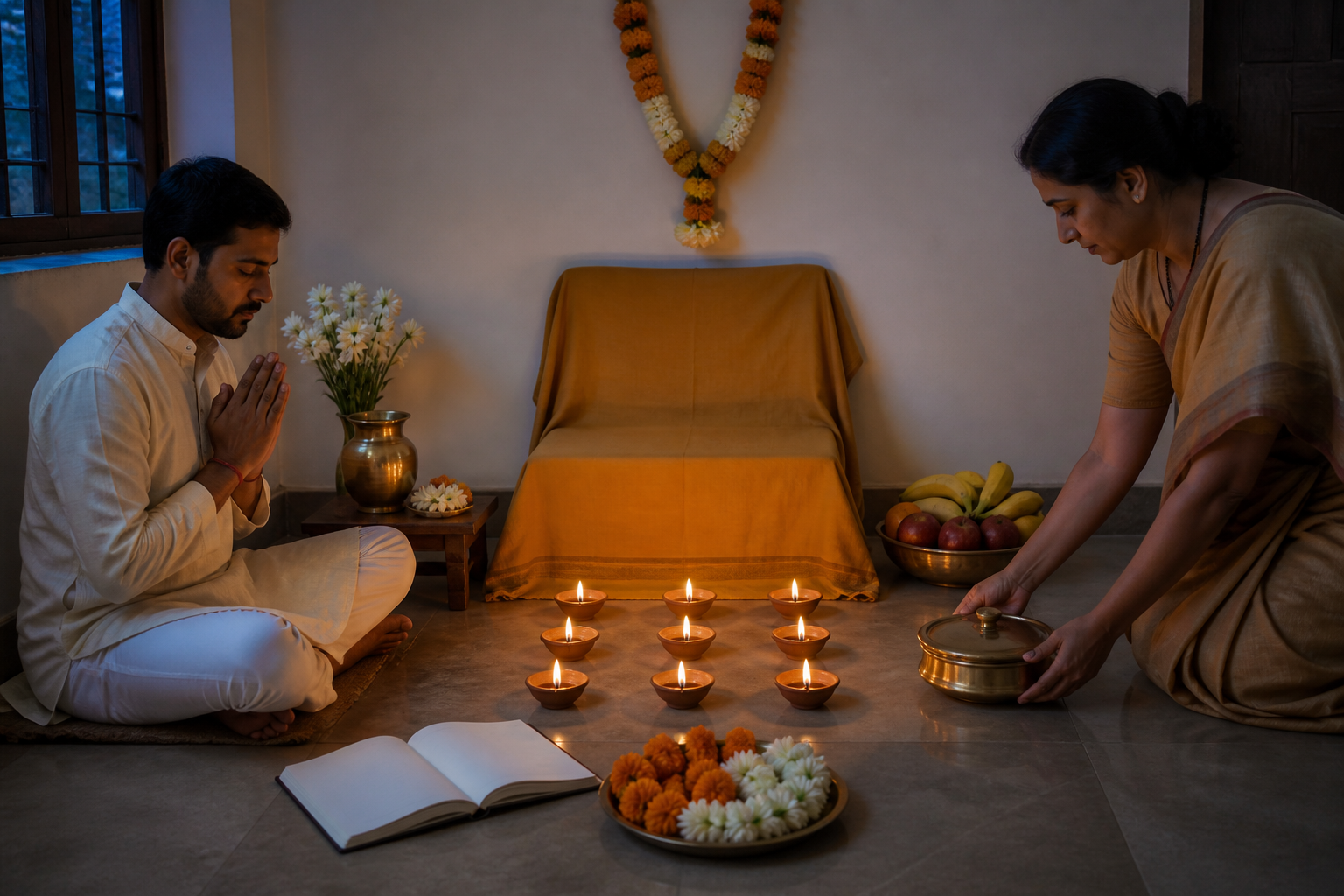
You do not need to imitate a temple programme at home. Build the observance around the practices most closely connected with the occasion: remembrance of the guru lineage, devotional recitation, study, a manageable vow, and service. Keep each element clear enough that the family understands why it is being done.
The following sequence is a practical framework, not a claim that every Nath community follows an identical liturgy:
- Prepare an orderly worship space. Clean the altar or chosen place and arrange the lamp before beginning. Simplicity helps direct attention toward remembrance rather than display.
- Light the lamp with a clear intention. Recall Shri Dharmanath’s initiation and offer gratitude to Shri Machindranath and the guru lineage. If your family follows an established form of prayer, retain it.
- Use devotional words you can stand behind. Recite hymns accepted in your family or community. If you do not know a Navnath recitation, ask a Nath temple or knowledgeable practitioner instead of presenting an improvised text as traditional.
- Make study part of the worship. Read about the Navnath lineage, initiation, or the responsibilities of a student. End the reading by identifying the teaching you intend to carry into daily conduct.
- Choose a simple vrata. A vow is useful when it strengthens attention and self-command. Select a restraint you can honestly keep. Do not turn an unfamiliar or excessive austerity into the measure of devotion.
- Prepare a simple sattvic meal. Let the meal support the day’s contemplative character. Follow the established practice of your household rather than inventing prohibitions and declaring them universal.
- Complete the observance through seva or daana. Decide what service you will perform or what support you will give. Whenever possible, complete the act rather than leaving it as a general intention.
Do not measure the observance by its length. A shorter practice that includes attentive prayer, honest study, and completed service is more faithful to the theme of disciplined transmission than an elaborate programme no one understands. If a Nath temple or matha is accessible, collective satsang can add the dimension of community and living instruction that a solitary observance cannot reproduce.
How to explain Dharmanath Beej to children and newcomers
Begin with a precise explanation: “Dharmanath Beej remembers the initiation of Shri Dharmanath, the son of Shri Machindranath. It teaches us to be grateful for genuine teachers and to practise what we learn.” This is clearer than beginning with unfamiliar terminology or an unsupported list of legends.
Then connect the occasion to questions a learner can answer:
- Who has taught you something that improved your conduct?
- How can you show gratitude through practice rather than words alone?
- What act of service can you complete as part of the observance?
If you do not know a detail of the lineage narrative, say so and verify it through a knowledgeable community member. Cultural transmission is strengthened by accuracy, not by filling every silence with an invented story. A newcomer can participate respectfully through listening, prayer, study, and service without claiming an initiation or authority that has not been received.
Spiritual unity without erasing Dharmic differences
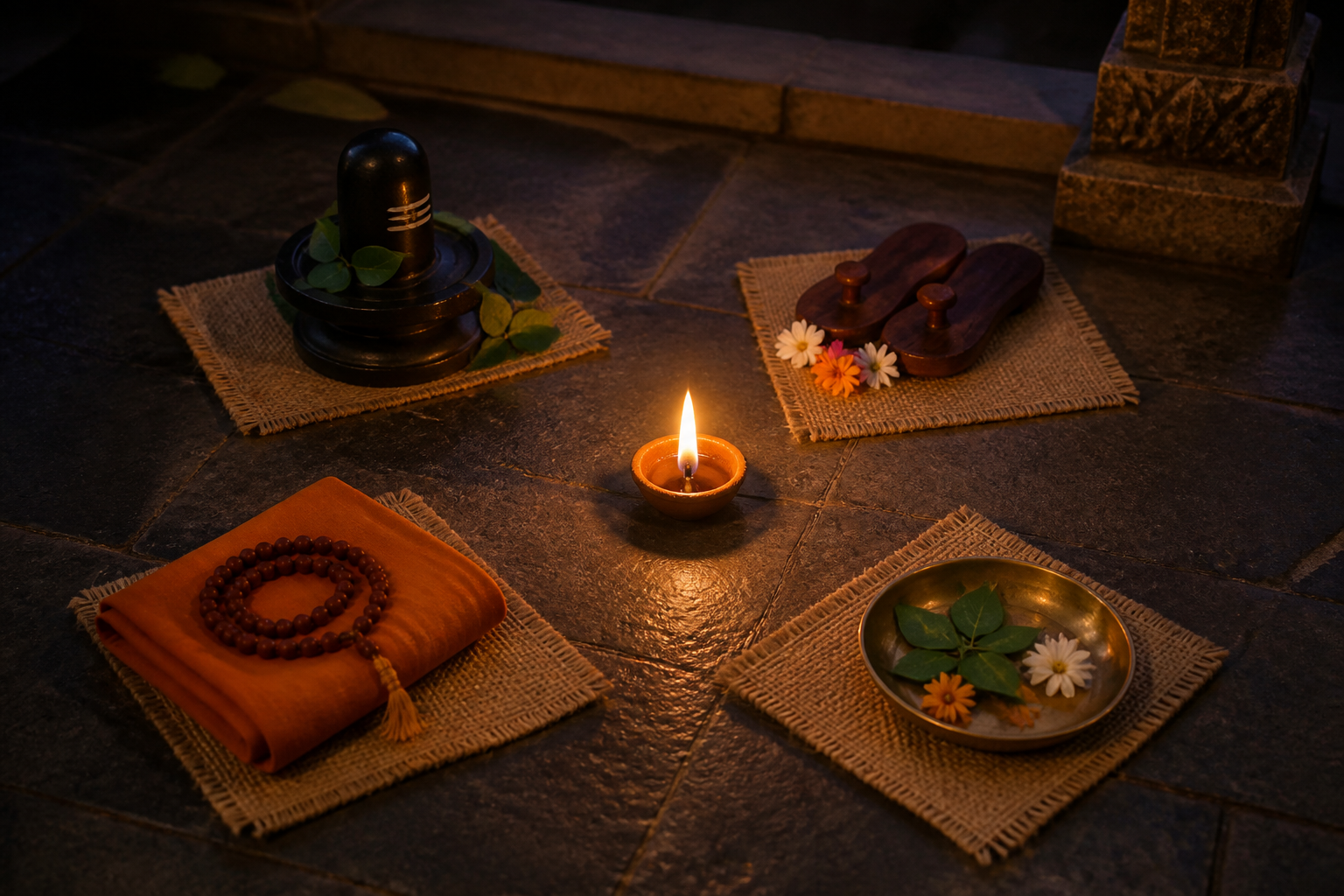
Dharmanath Beej can also help you recognise a shared ethical grammar among Hindu, Buddhist, Jain, and Sikh traditions. Discipline, compassion, humility before knowledge, gratitude to teachers, and service are intelligible across these paths. They provide a sound basis for Dharmic solidarity because they concern how a person learns and lives.
That solidarity does not require the claim that every tradition has the same doctrine, ritual, or understanding of the guru. Such a claim makes unity easier to announce but harder to trust. A more durable approach respects each tradition’s vocabulary and practices while noticing the values that allow communities to cooperate.
If you are arranging a family or community gathering, organise it around that distinction. Let participants describe gratitude to teachers in their own tradition. Discuss how instruction becomes conduct. Then connect the gathering to a concrete act of seva or daana. This preserves Navnath specificity while making the occasion hospitable to a wider Dharmic audience.
Four mistakes commonly weaken the observance:
- Treating January 20 as the permanent date. It was the date in 2026; determine Magh Dwitiya afresh for other years.
- Turning the day into personality praise alone. Remember Shri Dharmanath, but keep initiation and disciplined learning at the centre.
- Equating spiritual unity with sameness. Honour shared values without overwriting distinct teachings and forms of practice.
- Completing rituals without carrying forward a discipline. Choose a practice, service, or course of study that continues beyond the festival day.
For your next observance, begin by confirming Magh Dwitiya and the local temple schedule. Then choose one teaching to practise and one act of service to complete. That is how Dharmanath Beej becomes more than an annual remembrance: it helps cultural memory pass into living conduct.
References
