
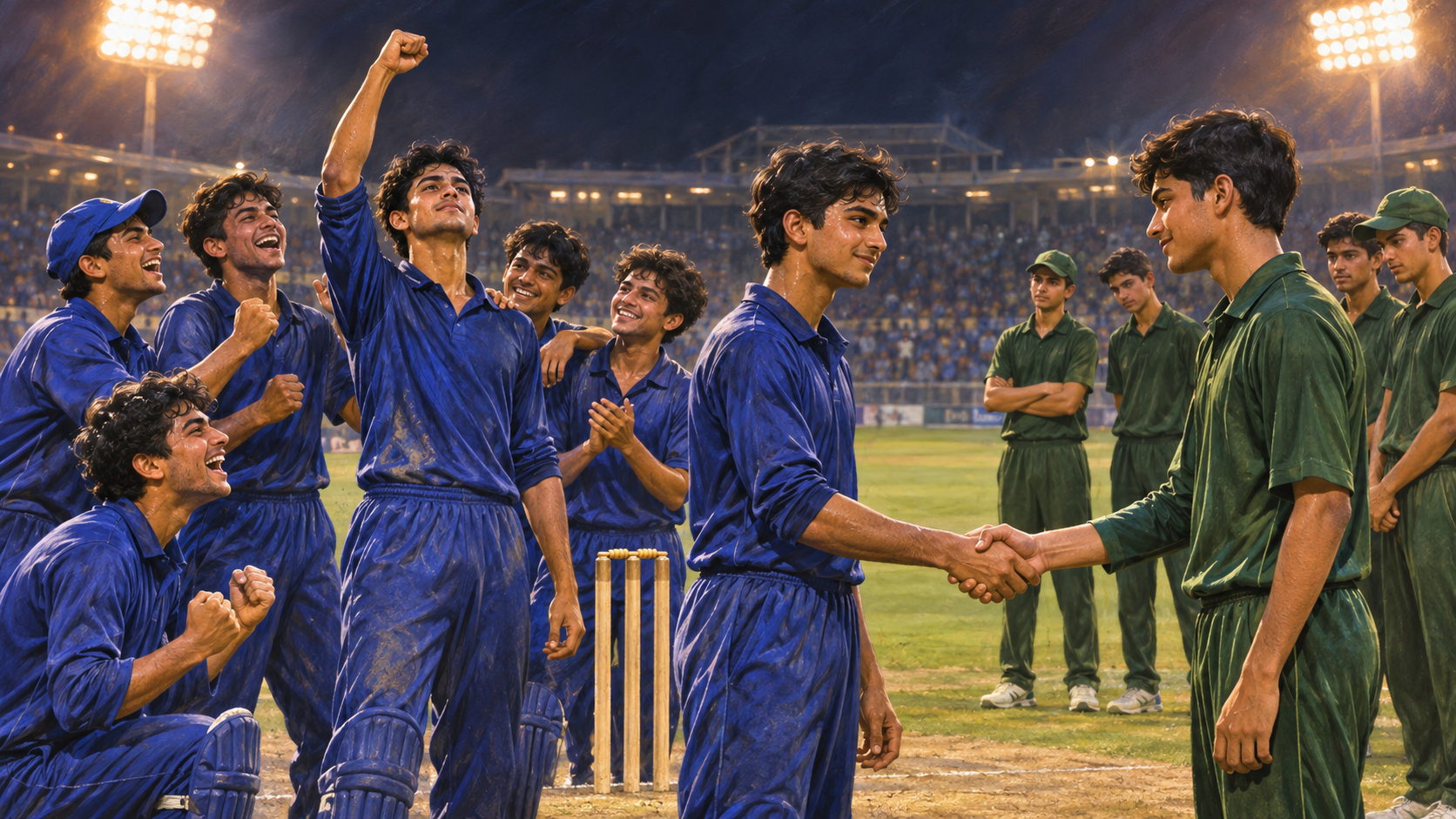
If you watched Bharat’s U19 victory over Pakistan and then saw the argument over the team’s Shiva-pose celebration, the real question is not whether young cricketers are allowed to show emotion. It is whether their response crossed the line from confident self-assertion into conduct that harms the game.
You can answer that without accepting selective outrage and without pretending that every retaliatory gesture is automatically wise. Look at the sequence, the meaning of the gesture, its proportionality and the consistency of those judging it.
Read the sequence, not just the final frame
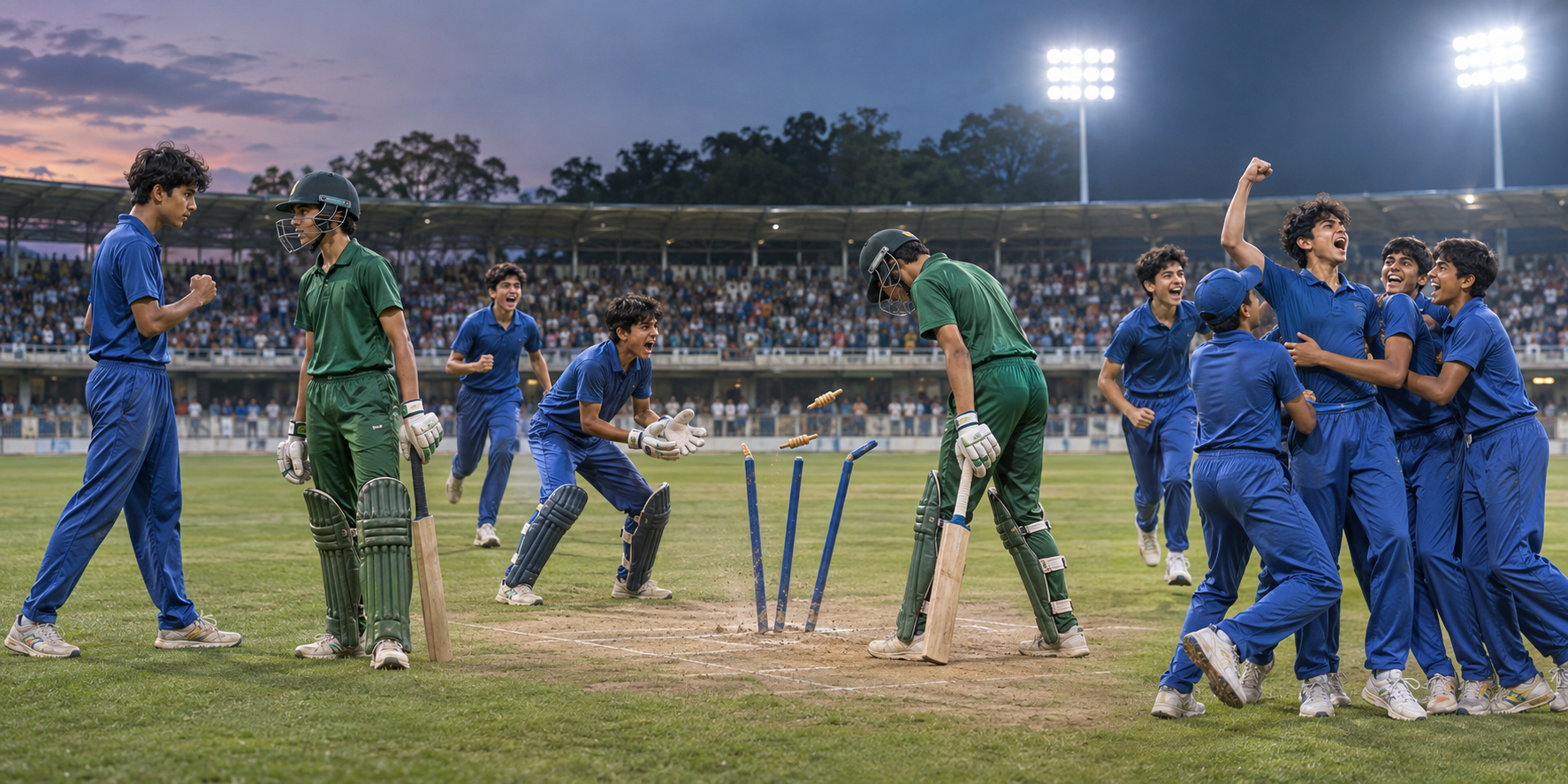
Bharat defeated Pakistan in the U19 Asia Cup final on 14 November. The controversy did not begin with the post-presentation celebration. The final came after an earlier league-stage meeting on 8 November, while the Bharatiya players’ defenders described repeated sledging, abuse and in-the-face provocation across the encounters.
That sequence matters. A short clip beginning with the winning side’s reply can make retaliation look unprovoked. A partisan clip beginning only with the opponent’s conduct can make every subsequent response appear justified. Neither gives you enough information.
Before condemning or defending a celebration, ask three concrete questions:
- What happened immediately before the gesture, including conduct that may have been omitted from the circulating clip?
- Was the celebration an expression of the team’s own confidence, or was it directed at an identifiable opponent as a personal insult?
- Are those demanding restraint applying the same standard to the first provocation and the final response?
Context does not erase responsibility. It establishes what kind of act you are judging. A spontaneous release after a pressured victory is not the same as an unprovoked attempt to humiliate. Conversely, provocation does not turn every possible response into good judgment.
Why the Shiva pose became the centre of the dispute
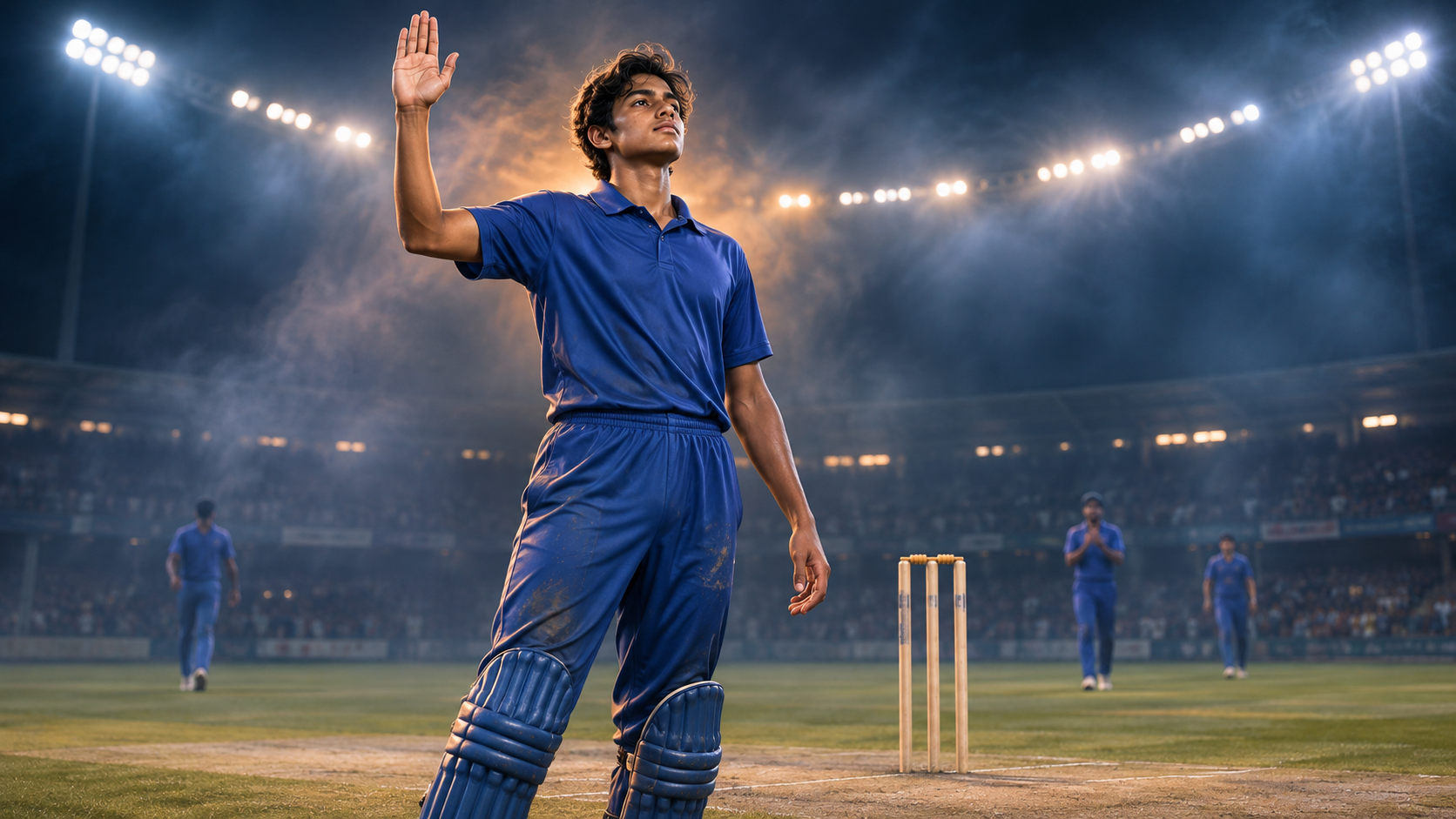
The team’s post-presentation Shiva pose changed the argument from a routine dispute about cricketing aggression into a question of civilizational confidence. For many Hindu viewers, the pose represented strength, composure and an unwillingness to hide a Dharmic identity after victory.
A Hindu symbol does not become unsporting merely because its visibility makes someone uncomfortable. The proper question is what the players did with that symbol. A pose expressing identity, gratitude, strength or collective confidence belongs in a different category from an obscene gesture, a threat or a slur aimed at another person’s faith or family.
That distinction gives a Hindu response two guardrails. We should not accept the premise that open Dharmic expression is inherently provocative. We also should not reduce Mahadeva to a disposable prop for personal abuse. Civilizational confidence means carrying the symbol without apology and with enough discipline not to cheapen it.
Consistency is essential here. The outrage was contrasted with reactions to Mohammad Rizwan performing namaz on the ground and to provocative celebrations associated with Sahibzada Farhan and Haris Rauf, including Rauf’s military-coded Rafale gesture. A credible standard cannot treat one community’s religious visibility as ordinary personal expression while treating a Shiva pose as unacceptable aggression. Nor can it overlook a taunt from one side and suddenly discover sportsmanship when Bharat responds.
The fair position is straightforward: religious expression is not an offence merely because it is religious, and misconduct does not become acceptable merely because it is wrapped in religious or national symbolism. Apply both parts of that rule to everyone.
Sportsmanship does not require unilateral meekness
Sportsmanship requires respect for the rules, the contest and the humanity of the opponent. It does not require one team to absorb abuse in silence while the aggressor enjoys the psychological advantage. Calls for composure become manipulative when they are addressed only to the side that finally answers back.
At the same time, self-respect is not a blank cheque. The clearest way to hold the line is to separate three kinds of conduct:
- Competitive assertion: an emphatic celebration, an intense look or a cultural pose can be a legitimate answer when it remains within the rules and does not become personal abuse.
- Personal degradation: slurs about family, ethnicity or faith should be rejected regardless of which shirt the speaker wears.
- Threatening or military-coded conduct: gestures invoking violence or armed conflict deserve closer scrutiny because they carry meaning beyond the match.
This framework avoids two weak positions. The first says Bharatiya players must always remain visibly passive to prove their virtue. The second says any conduct becomes acceptable once the opponent misbehaves. Dharma asks for neither helplessness nor loss of control. Strength without restraint becomes ego; restraint without the capacity to answer provocation is easily mistaken for submission.
Institutional support matters especially when the players are under 19. BCCI’s Devajit Saikia backed the boys, as did Mohit Ulva, who made an important contribution to the victory. That public backing for the young team signals that selective social-media outrage will not automatically leave the players isolated.
Backing them should still include guidance. A board can defend its players from unfair character attacks while teaching them how to answer provocation without incurring penalties, escalating physical danger or letting an opponent control their emotions. Protection and discipline are not competing choices.
Use the same test when the teams are reversed
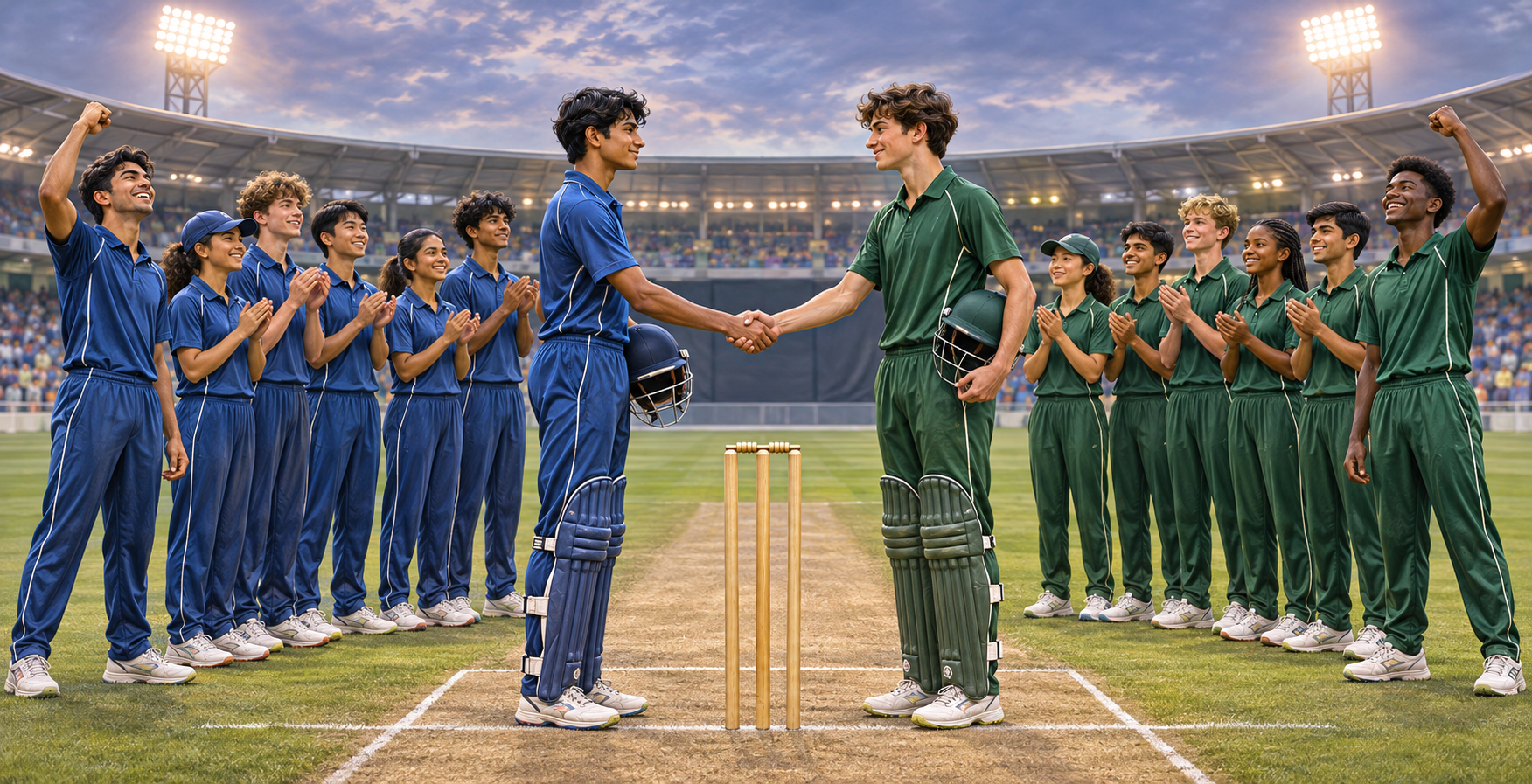
Bharat-Pakistan cricket carries political and historical weight that an ordinary bilateral fixture does not. Terrorism, conflict and hostility beyond the boundary affect how supporters interpret what happens on it. Pretending that background does not exist produces shallow analysis. Using it to excuse every individual act produces equally poor judgment.
If you want to evaluate the reactions rather than join a reflexive camp, use a role-reversal test. Imagine the same pose, words and timing from the other team. Would you still call it harmless confidence? Would the people invoking sportsmanship now remain silent? If the answer changes only with the nationality or religion of the player, the standard is partisan.
You can make that test more precise:
- Describe the exact gesture before attaching a label such as spiritual, aggressive or offensive.
- Separate a team’s celebration of itself from a gesture aimed directly at degrading the opponent.
- Compare conduct of the same type: religious expression with religious expression, verbal abuse with verbal abuse and military symbolism with military symbolism.
- Demand the full sequence before sharing a clip as proof of innocence or guilt.
- Criticise the responsible player or institution without turning every citizen, faith or ethnicity into the target.
This method may not produce the emotionally satisfying verdict that every person on your side wants. It will produce a position you can defend after the teams, symbols and political sympathies are reversed.
What self-respect asks of players and supporters
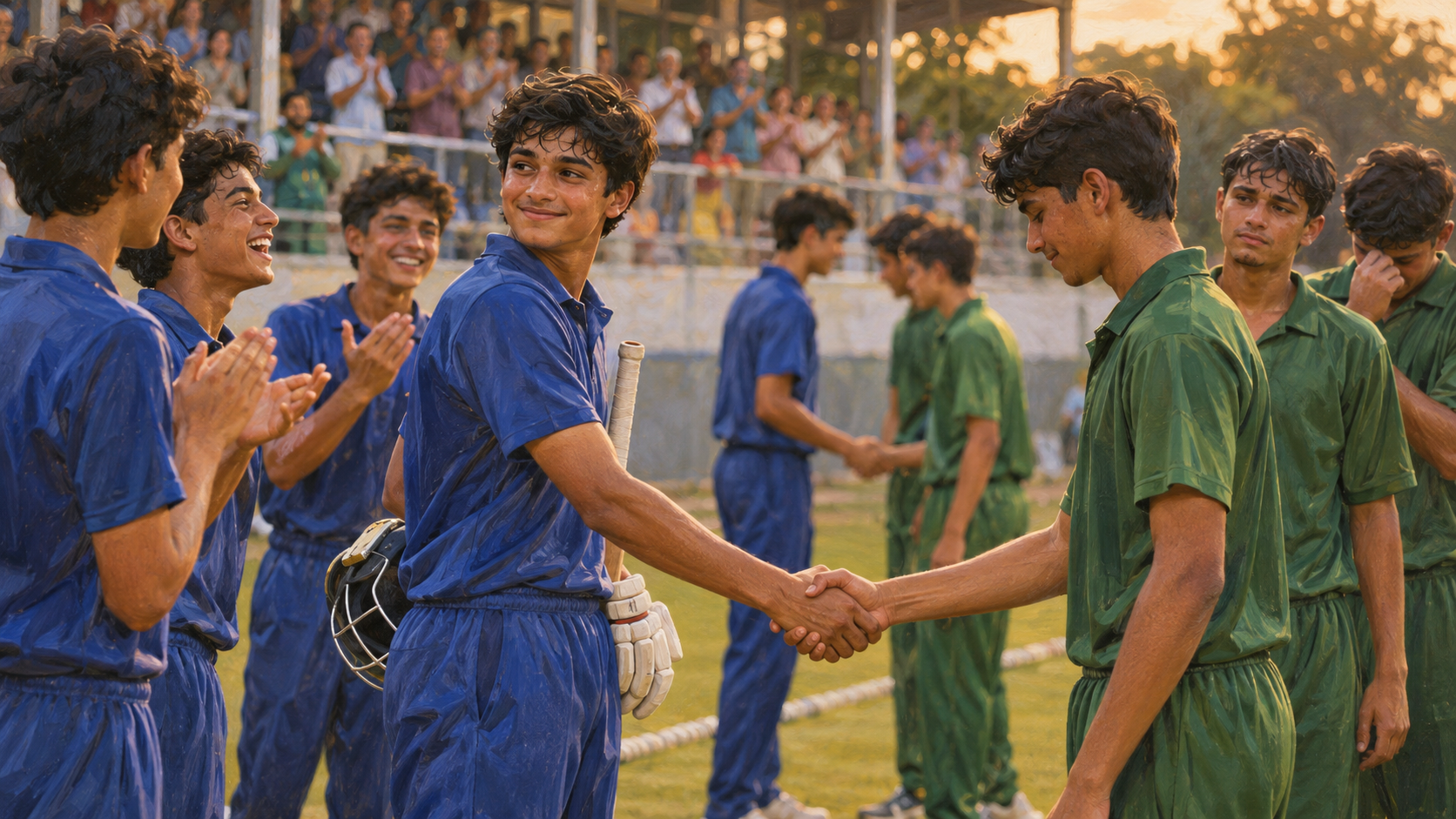
The celebration has been read by many Bharatiyas as evidence of a wider change: young Indians no longer assume that dignity requires them to lower their eyes whenever an opponent is hostile. That shift is worth protecting. It should produce athletes who are rooted, resilient and difficult to intimidate – not athletes who can be baited into reckless conduct.
If you defend the U19 players, defend them on precise grounds. Say that the response followed provocation. Explain why a Shiva pose is not inherently abusive. Point out inconsistent standards. Do not improve the argument by inventing motives, circulating edited footage or abusing anyone who asks a good-faith question. Those tactics surrender the moral clarity you are trying to preserve.
Key takeaways
- The final celebration should be judged in the sequence of the 8 November league encounter, the reported sledging and abuse, and the 14 November final.
- A Shiva pose is not unsporting simply because it is visibly Hindu. Judge its target, meaning and manner.
- Sportsmanship permits a firm competitive answer but does not excuse personal slurs, threats or loss of control.
- A trustworthy critic applies the same rule to Bharatiya and Pakistani players, and to Hindu and Islamic expression.
- Support for young players should combine protection from selective outrage with clear expectations of discipline.
The next time a confrontation clip appears, pause before accepting the caption. Find the beginning, identify the exact conduct and apply the role-reversal test. Then defend Bharat with confidence, accuracy and maryada. That combination is harder to provoke and much harder to discredit.
References

Leave a Reply
You must be logged in to post a comment.