
-
Ever-Watchful Deities in Veda Shastras: Karma, Vayu Bhagavan, and Dharmic Conduct

Vedic wisdom teaches that devas and devis attentively witness human actions, reinforcing the law of karma and encouraging alignment with dharma. This perspective frames accountability as compassionate guidance rather than fear-based surveillance. Lord Vayu Bhagavan, present in every breath, becomes a practical reminder to live with mindfulness, gratitude, and restraint. The theme resonates across Buddhism,…
-
Chamunda, the Scorpion, and the Southwest: Fierce Divine Protection from Moral Decay

Chamunda’s fierce iconographyher bony frame, sunken abdomen, and cremation-ground imageryfunctions as a clear ethical lesson: face decay, confront impurity, and protect what is good. Associated with the southwest (Nairritya) direction, she stands at the threshold where decline must be halted and responsibility embraced. The scorpion motif highlights vigilant awareness, signaling that moral danger is often…
-
Thousand Pillar Temple, Hanamkonda: Timeless Kakatiya Splendor and Sacred Trikuta Harmony

The Thousand Pillar Temple (Rudreswara/Rudreshwara Swamy Temple) in Hanamkonda, Warangal, is a 12th-century Kakatiya masterpiece renowned for its Trikutalaya plan dedicated to Shiva, Vishnu, and Surya. Its dense colonnades, lathe-turned pillars, and exquisite friezes create an immersive play of light and shadow. Visitors commonly note the temple’s contemplative atmosphere and the precision of its stonework,…
-
Honoring Guru Tegh Bahadur Ji: 350 Years of Courage, Conscience, and Religious Freedom

The 350th anniversary of Guru Tegh Bahadur Ji’s martyrdom offers a moment to recall a defining act of moral courage in Indian history and the Sikh tradition. His sacrifice in 1675 affirmed Religious Freedom and protected the spiritual autonomy of people across communities. The tribute highlights how his example advances Interfaith Dialogue, the Harmony of…
-
Punjab’s Changing Faith Landscape: Dialogue, Due Process, and Unity over Division
A recent call by the Punjab Bachao Andolan to address alleged conversion activities has reignited debate in Punjab about religious freedom, ethical outreach, and community cohesion. This analysis outlines a balanced, law-based path that protects voluntary faith choice while addressing concerns over coercion or inducement. It recommends evidence-driven inquiry, transparent safeguards, and ethical engagement standards…
-
Who Really Acts? Bhagavad-gita on Nature’s Forces, Karma, and Dharmic Freedom

Bhagavad-gita’s teaching that all beings act under the modes of material nature (Bg. 3.5; 18.40) reframes agency as skillful alignment with dharma rather than absolute autonomy. This perspective resonates with broader dharmic insights: Buddhist dependent origination, Jain karma theory, and Sikh understanding of Hukam all address conditioning and the path to freedom. Readers gain a…
-
Echoes of Devotion: Hazoori Ragi Sarabjeet Singh ‘Laad on Shabad Kirtan, Seva, and Unity

This interview with Hazoori Ragi Bhai Sahib Sarabjeet Singh ‘Laad, conducted by Bhupinder (Bo) Singh, explores the discipline and devotion at the heart of shabad kirtan. The discussion highlights how Gurmat Sangeet unites musical rigor with scriptural fidelity to guide the sangat toward contemplation. It emphasizes seva as a lived ethic that strengthens Sikh community…
-
Japa’s Transformative Power: Awe-Inspiring Potencies of the Holy Name in Bhakti

Lord Caitanya’s teaching affirms that Krishna’s full potencies reside in each holy name, making japa a profound bridge between devotion, ethics, and contemplation. Hari Bhakti Vilas equates sincere chanting with the merits of charity, fasting, austerities, and pilgrimage, presenting an accessible practice for daily life. Many practitioners report greater clarity, emotional balance, and compassion, while…
-
Indigenous Wisdom and Hindu Dharma: A Sacred, Just Path to Lead the Climate Era

Frontline Indigenous communities are demanding climate justice and genuine inclusion, a civilizational warning that negotiations must center those who protect living ecosystems. Hindu dharmaand allied insights from Buddhism, Jainism, and Sikhismoffers an ethical framework that treats Earth as sacred, translating ecology into moral duty. Drawing on the Atharva Veda and Bhagavad Gita, this approach frames…
-
Hindu Rashtra Samanvay Samiti decries laxity on Kanasageri goshala corruption, seeks swift justice

Hindu Rashtra Samanvay Samiti has questioned delays in legal action over alleged irregularities worth lakhs of rupees in the construction of the Kanasageri government goshala. The concern highlights the importance of transparency, due process, and timely accountability in the use of public funds. A time-bound, impartial investigation can distinguish allegations from facts while restoring faith…
-
Steadfast Devotion Through Life’s Trials: Cultivating Faith and Resilience in Bhakti

Spiritual growth demands steadiness through both adversity and achievement. This reflection presents a practical framework for deepening faithaligning daily choices with sadhana, cultivating abhyasa, and renewing commitment after setbacks. It explains how desires shape decisions and how satsanga, japa or meditation, study, and seva gradually realign intention with dharma. The approach is grounded in the…
-
Temple of the Vedic Planetarium: A Profound Act of Compassion and Dharmic Unity
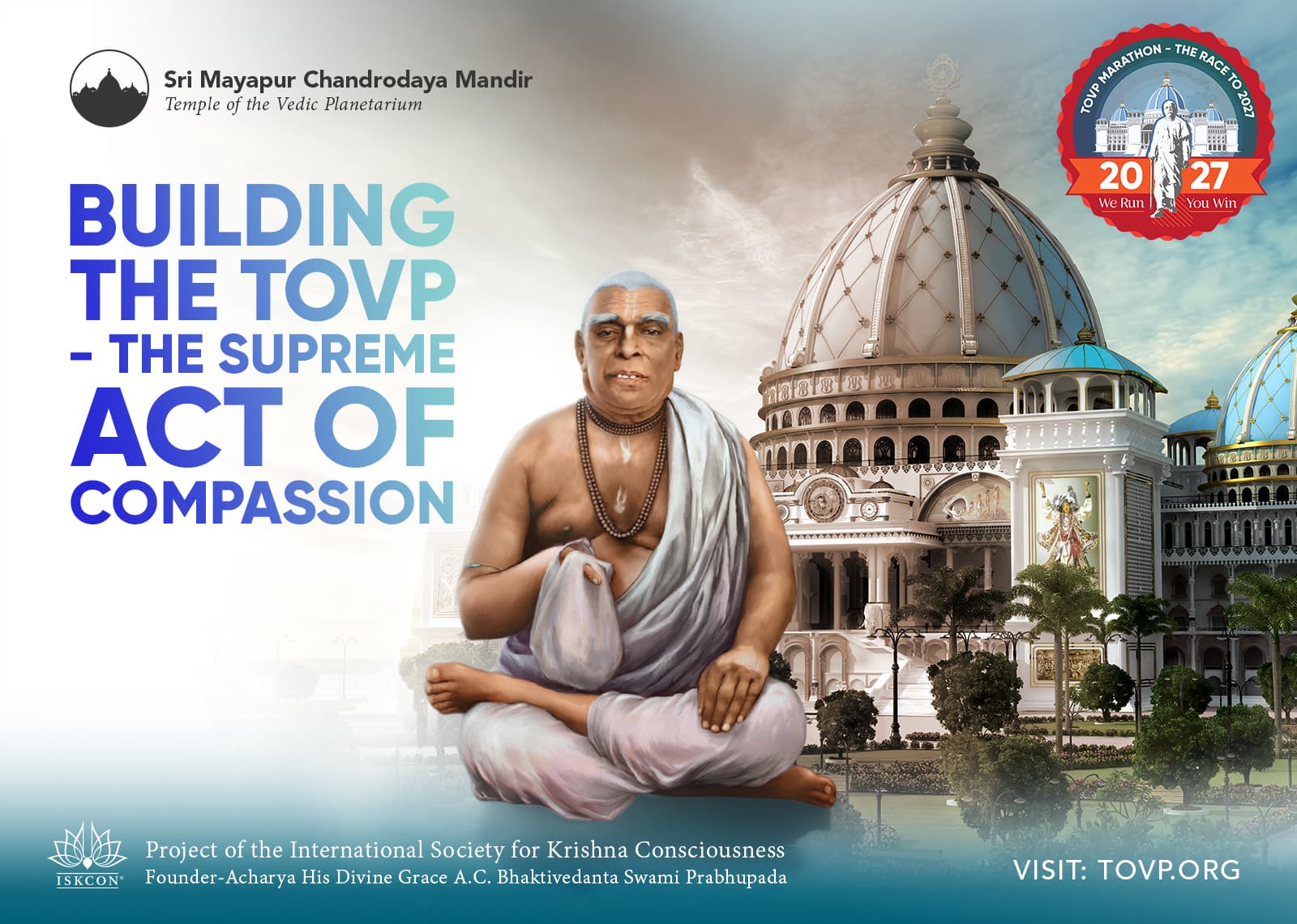
The Temple of the Vedic Planetarium (TOVP) is presented as a compassionate cultural institution rather than just another temple. It integrates sacred architecture with education, translating Vedic heritage into accessible learning for families, students, and pilgrims. Rooted in the Vaishnava tradition, it highlights values shared across Hinduism, Buddhism, Jainism, and Sikhism, advancing unity in spiritual…
-
Fifty Transcendent Qualities of Sri Krishna: Rupa Gosvami’s Timeless Portrait of Divinity

Srila Rupa Gosvami’s classic enumeration of Sri Krishna’s qualities offers a clear, contemplative framework for devotion and ethical living. Organized across themesbeauty, intellect, virtue, compassion, and sovereigntyit provides a practical syllabus for daily reflection. Readers gain a succinct yet comprehensive guide to cultivate truthfulness, compassion, self-control, and forgiveness. The portrait aligns naturally with the shared…
-
Transformative Humility: Srimad Bhagavatam 3.2.4 and the Grace Found in Rejection
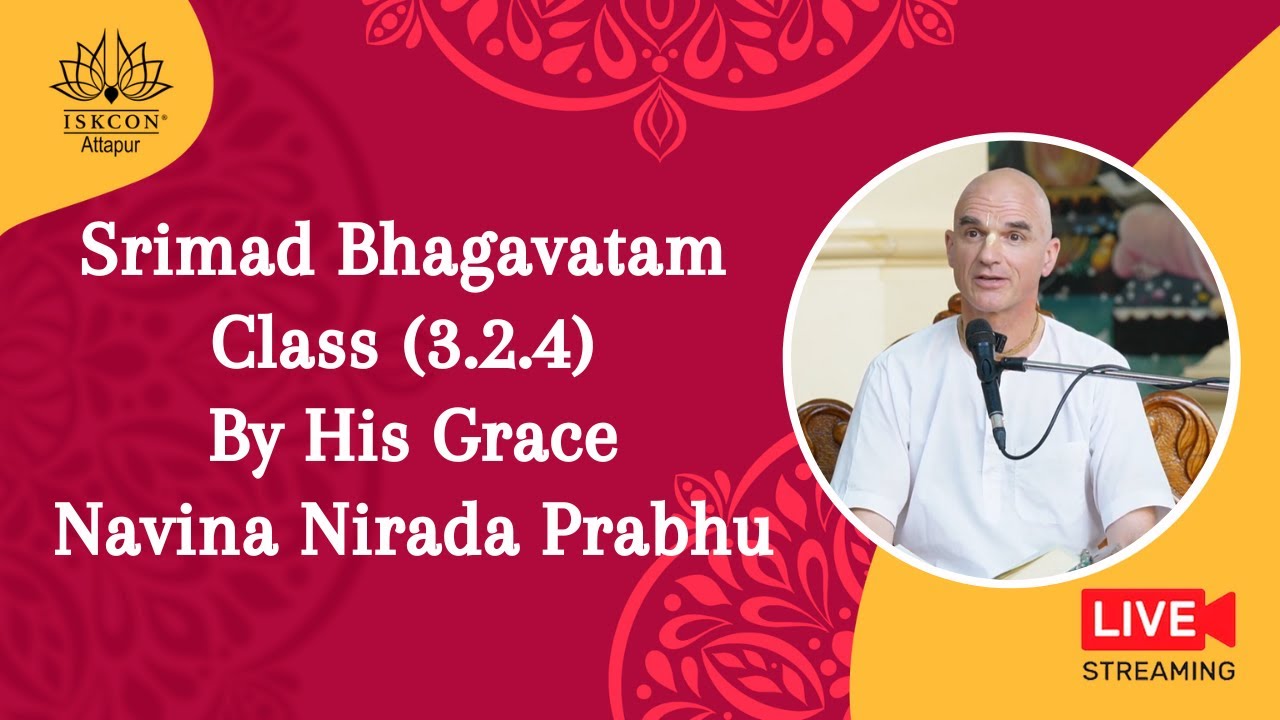
This reflection on Srimad Bhagavatam (3.2.4), shared by His Grace Navina Nirada Prabhu, reframes rejection as an instrument of grace in the Bhakti Tradition. It explains how disinterest from others punctures intellectual pride, especially when confidence rests on knowing a few shlokas. The analysis highlights humility, attentive listening, and seva as practical responses that transform…
-
‘Get Up and Fight’: Krishna’s Counsel to Arjuna on Duty, Detachment, and Everyday Courage

Krishna’s directive to Arjuna“get up and fight”is a disciplined call to fulfill duty with compassion, detachment, and clarity. Framed within Dharma-Yuddha and Kshatra Dharma, it rejects aggression and centers ethical responsibility. Through Karma Yoga, one acts without attachment to results, supported by equanimity and reflective practice. The guidance adapts to everyday life: addressing injustice, sustaining…
-
Partha and Pārthiva Revealed: Profound Symbolism of the Mortal Seeker in Gita Chapter 1

Bhagavad Gita 1.25 uses “Pārtha” to frame Arjuna not merely as a warrior but as a mortal seeker grounded in lineage, responsibility, and dharma. The cognate “pārthiva”earthly, princelydeepens this symbolism, suggesting rulership over the self as the heart of ethical action. Krishna’s selective use of names functions as pedagogy, stabilizing Arjuna amid Kurukshetra’s tumult and…
-
Gobhila Rishi’s Enduring Legacy: Sama Veda Ritual Wisdom in Grihya Sutras and Smritis
Gobhila Rishi’s contributions to Vedic literatureespecially the Gobhila Grihya Sutra and Gobhila Smritioffer a clear, textually grounded guide to Hindu domestic rites within the Sama Veda tradition. His works detail samskaras that sanctify life’s milestones while nurturing ethical steadiness and communal harmony. The remembered but lost Gobhiliya Shraddhakalpa highlights his focus on śrāddha and intergenerational…
-
Vakratunda Sankashti Vrat Katha: Harness Ganesha’s Power in Kartik for Relief and Prosperity

Observed on the Krishna Paksha Chaturthi of Kartik, the Vakratunda Sankashti Vrat Katha honors Lord Ganesha’s form as Vakratunda, revered for removing obstacles and restoring clarity. The vrata pairs disciplined fasting with recitation, reflection, and charity, cultivating relief from troubles and prosperity grounded in dharma. Its narrative mirrors inner struggles, especially envy and pride, and…
-
Remembering Gopichand Hinduja, 85: ISKCON Friend and Devotee of London’s Radha-Krishna Temple

Gopichand Hinduja has passed at 85, remembered not only as a business leader but as a devoted friend of ISKCON in London. As shared by Kripamoya Prabhu, he visited London’s Radha-Krishna temple each morning before breakfast for kirtan and darshan. This steady discipline reflects core dharmic valuesseva, humility, and steadfast devotionthat resonate across Hinduism, Buddhism,…
-
Bahuchara Mata: Fertility, Courage, and Inclusive Devotion at Gujarat’s Sacred Shrine

Bahuchara Mata is venerated as a goddess of fertility and an incarnation of Pārvatī, with her principal shrine at Bahucharaji (Becharaji) in Gujarat. Devotion is especially meaningful for issue-less couples and for the Hijra and transgender communities, who seek blessings for dignity, courage, and new beginnings. The goddess’s four-armed iconography and rooster vahana convey vigilant…