
-
Vijayanagara’s Enduring Splendor: Hampi’s Art, Architecture, and Sacred Power
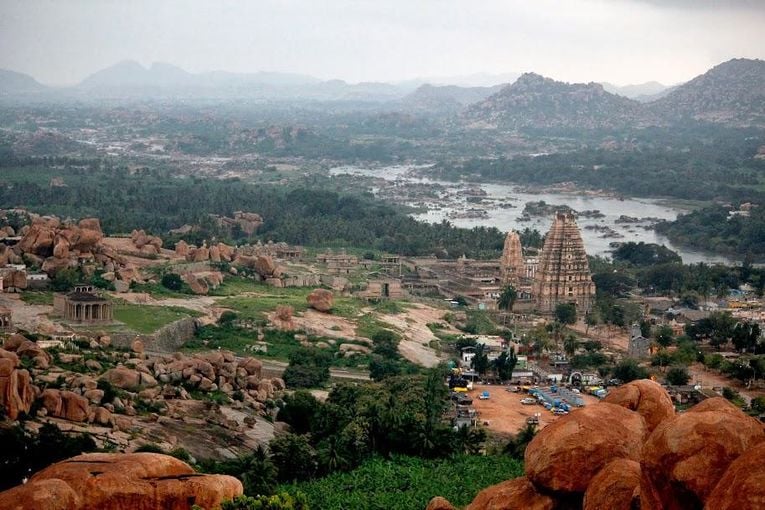
Vijayanagara at Hampi was one of medieval India’s most sophisticated capitals, combining sacred architecture, military planning, hydraulic engineering, royal ceremony, and artistic excellence. This rewritten study explains how the city developed on the Tungabhadra River and why its landscape of temples, tanks, fortifications, palaces, bazaars, and sculptures remains central to Indian history. It highlights the…
-
Agnivamsa Rajput Origins: A Powerful Reassessment of Fire-Lineage History
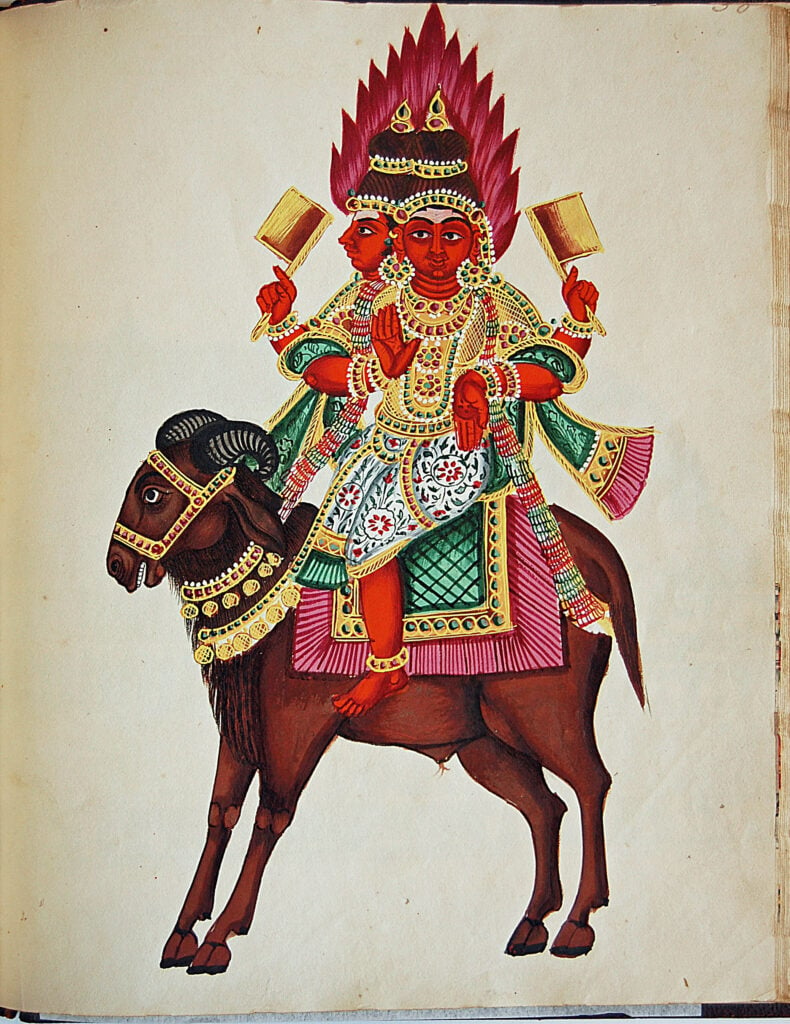
This long-form reassessment explains the Agnivamsa tradition as a major chapter in Indian history, Rajput Heritage, and Kshatra Dharma. It explores the fire-lineage account connected with Mount Arbuda, the four major houses of Paramaara, Prathihaara, Chahamaana, and Chaalukya, and their role in shaping the political memory of Bharatavarsha. The article presents the debate over Rajput…
-
Vikramaditya Paramara: Powerful Legacy of the Legendary Emperor of Ujjain
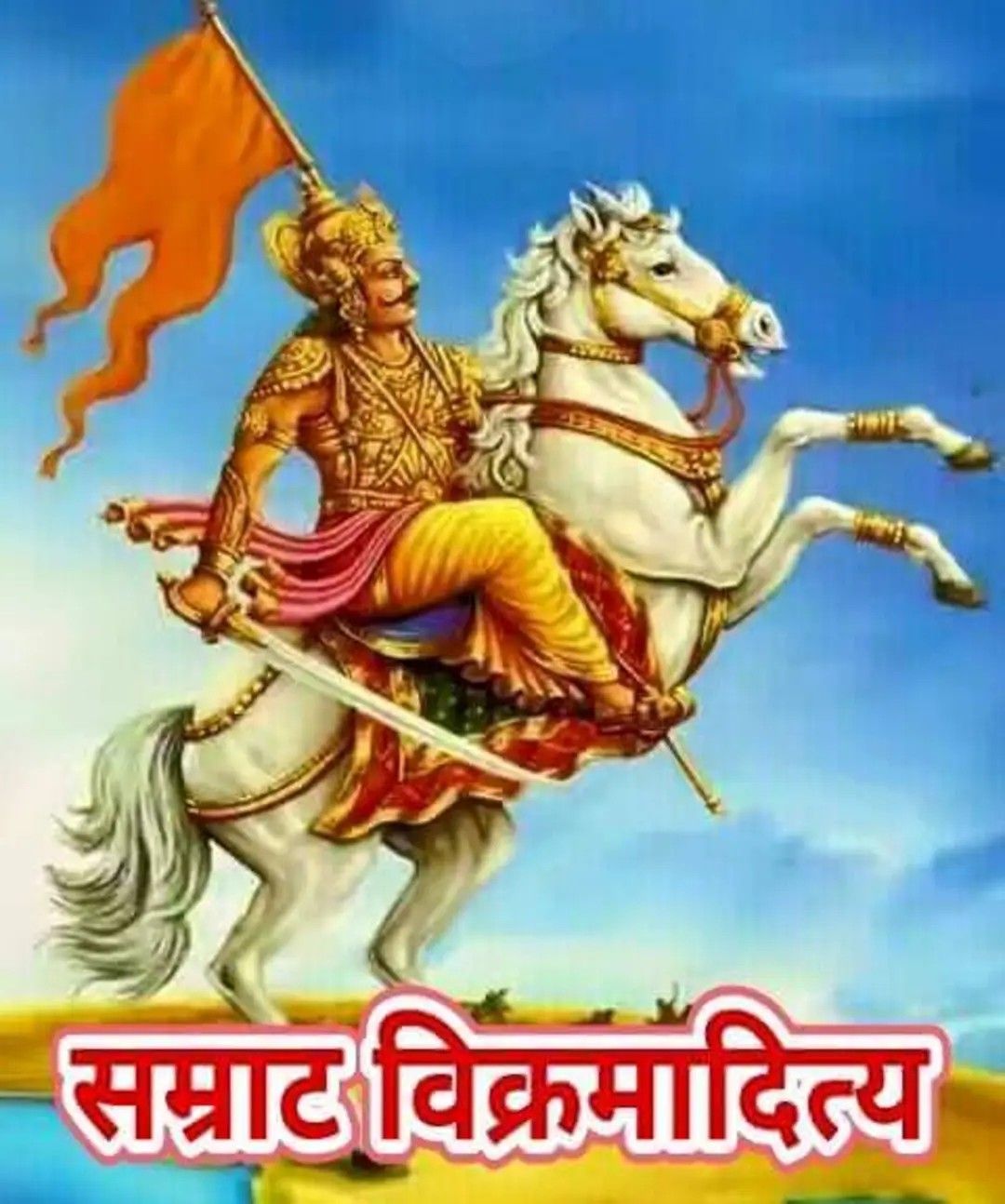
Vikramaditya Paramara remains one of the most compelling figures in Indian historical memory, standing at the crossroads of history, legend, literature, and dharmic kingship. This essay examines his association with Ujjain, the Paramara lineage, the Agnivamsa tradition, the Shaka conflict, and the Vikrama Samvat legacy with academic caution and civilizational sensitivity. It highlights the importance…
-
Simhasana Dvatrimsika: Powerful Lessons from Vikramaditya’s Legendary Throne
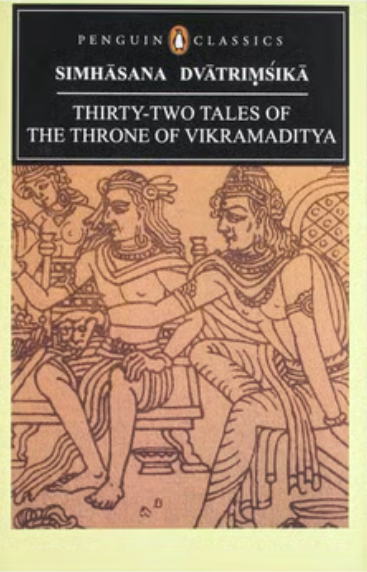
Simhasana Dvatrimsika, also known as Singhasan Battisi, is far more than a cycle of entertaining tales about Vikramaditya’s throne. It is a sophisticated work of Sanskrit literature that examines Rajadharma, ethical leadership, generosity, courage, and discernment through thirty-two narrative tests. The text links the memory of Vikramaditya with King Bhoja, turning royal succession into a…
-
Rajadharma and Government Types: Essential Lessons for Dharmic Governance
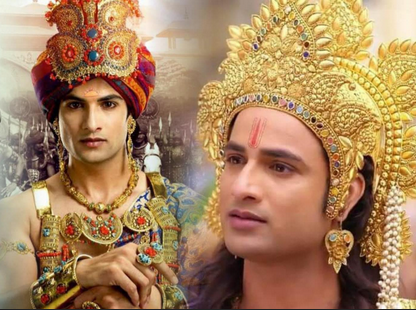
This article explains Rajadharma through the lens of government types, including monarchy, republic, confederation, democracy, local assemblies, and village administration. It clarifies key Indic terms such as Raajya Vyavastha, Ganaraajya Vyavastha, Jaanaraajya Vyavastha, Sangharaajya, Sabha, Samithi, Gana, and Sangha. The discussion shows that ancient Bharatavarsha developed complex political institutions with councils, ballots, committees, local autonomy,…