
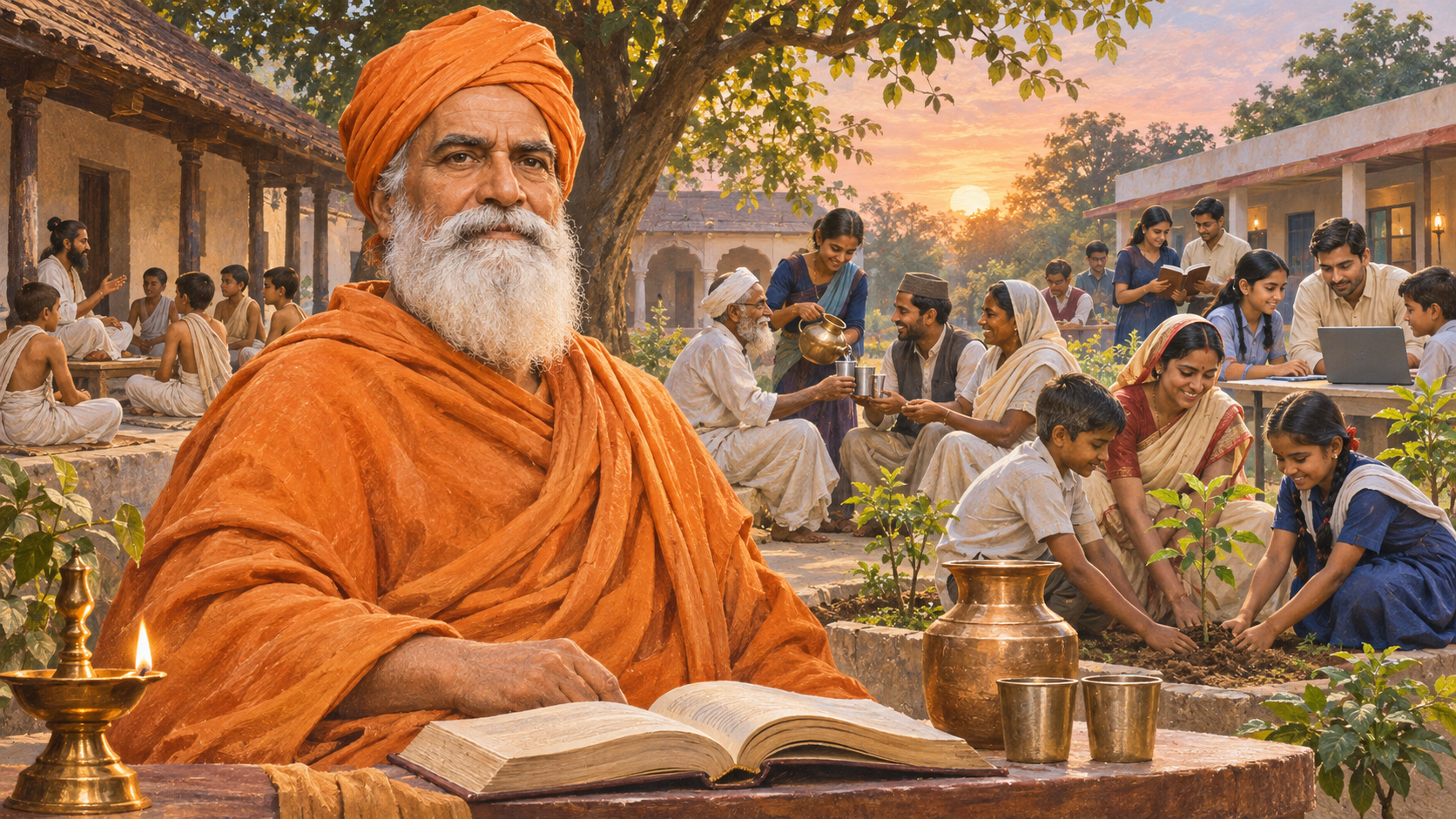
If you are preparing a sabha, lecture, community meal or tribute in 2026, you face a practical choice: will it end with garlands and speeches, or will it leave your community stronger than it found it? Swami Shraddhanand’s centenary is especially ill-served by ceremonial memory alone.
A faithful observance should hold together three commitments that are often separated: restoring those cut off from Hindu society, ending exclusion within Hindu society, and reforming customs that weaken education, responsibility and social confidence. That combination turns remembrance into work you can continue after the gathering.
Why 2026 demands more than ceremonial remembrance
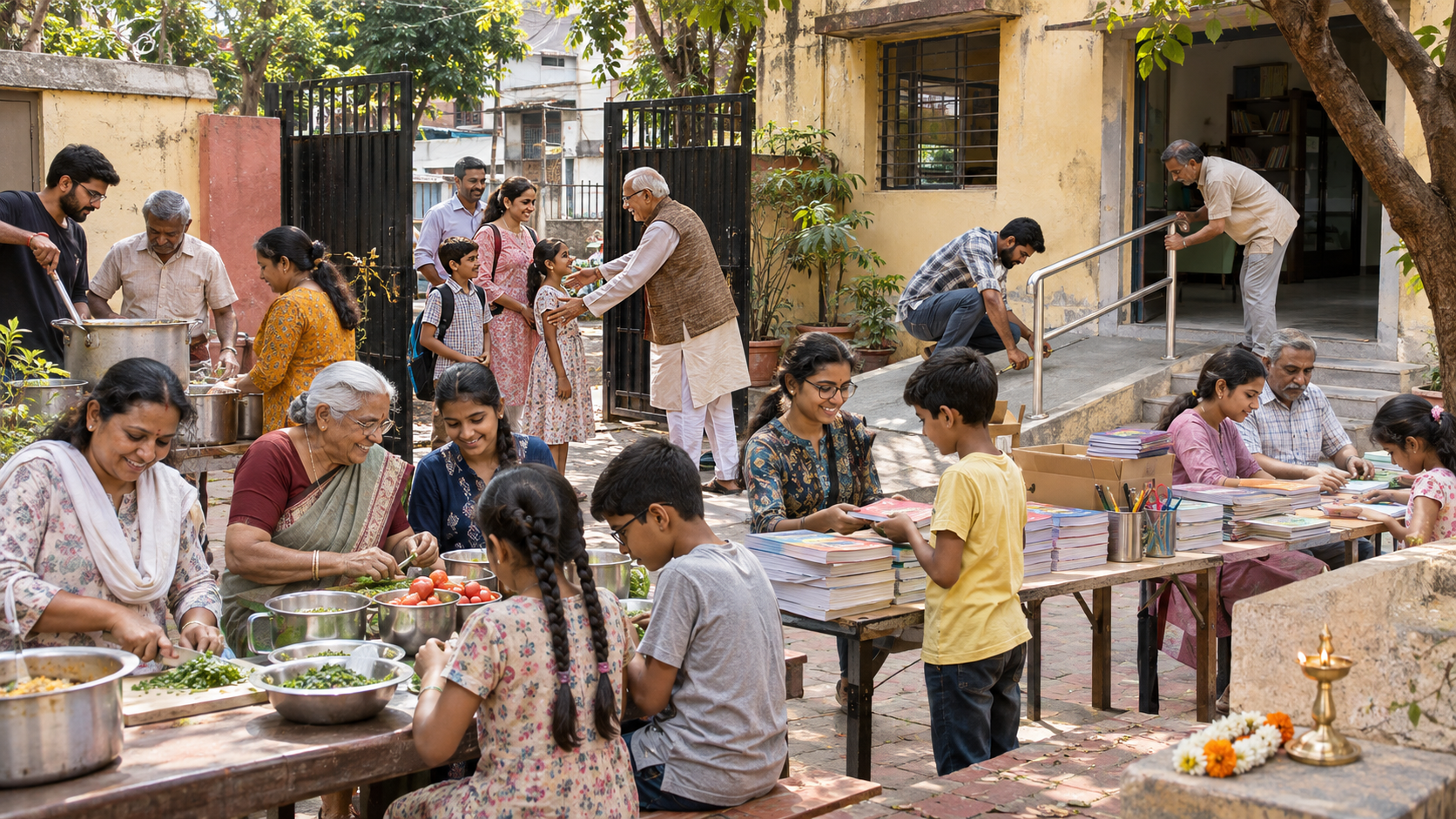
The year 2026 completes a century since Swami Shraddhanand’s balidan. He is remembered as a freedom fighter, a tapasvi of the Arya Samaj and a pioneer of the Shuddhi movement. His public life therefore cannot be placed neatly in a box marked only religious, political or social. Each part depended on the others.
Shuddhi addressed the return of Hindus who had undergone religious conversion. Sangathan addressed the strength and cohesion needed to sustain a civilisation. Samrasta addressed the internal distance created when sections of society were treated as lesser, left outside common fellowship or denied meaningful participation. Education and social reform addressed the conditions that allowed weakness to reproduce itself.
This gives you a simple test for any centenary programme. If it praises ghar-wapsi but ignores social exclusion, it remembers only half the man. If it celebrates equality while avoiding the question of civilisational continuity, it also remembers only half the man. His legacy does not permit us to defend Hindu society from outside pressures while refusing to repair its failures within.
Start your observance with one governing question: what will help a person experience Hindu society as a community to which they can return, in which they can participate, and for whose future they can accept responsibility? That question keeps the centenary focused on belonging rather than performance.
His work was one connected programme
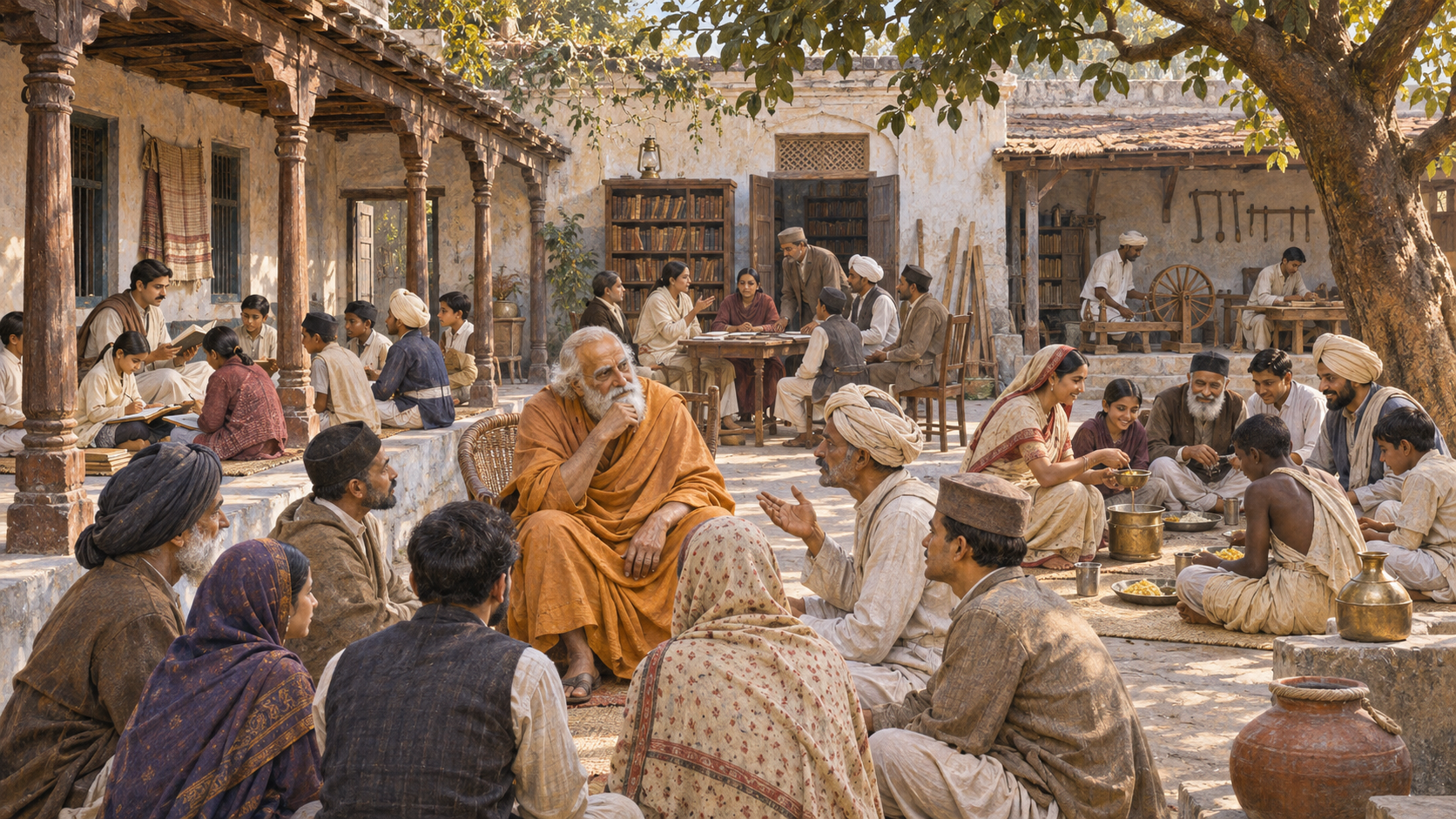
Shuddhi meant reopening the door to Hindu belonging
The Shuddhi movement worked for the ghar-wapsi of converted Hindus, and large numbers of Malkana Rajputs returned to the Hindu fold through that work. His martyrdom is remembered in direct connection with the hostility generated by this mission.
For a centenary audience, explain Shuddhi as the name of a historical movement of return. Do not leave the word undefined, and do not use it as a taunt against people following another path. The durable principle is that separation need not be final: a person who sincerely wishes to return should find an open door, restored relationships and a dignified place in community life.
That principle carries obligations for the receiving community. A returning family is not a slogan, a statistic or a trophy. If welcome ends after a public ritual, the deeper work remains unfinished. Belonging becomes credible through ordinary participation, shared meals, social support, mutual respect and the same opportunities to serve that established families receive.
- Teach the history accurately: identify Shuddhi as a movement for the return of converted Hindus and explain the Malkana Rajput example without embellishment.
- State the ethical boundary: return must rest on conviction and dignity, never coercion, humiliation or hostility.
- Define the community’s duty: ghar-wapsi must be followed by genuine social acceptance, not merely a ceremony.
Sangathan was an answer, not merely an alarm
The contrast between two book titles captures an important shift in thought. Lieutenant Colonel U. N. Mukherjee’s Hindu: A Dying Race framed a demographic and civilisational danger. Swami Shraddhanand’s Hindu Sangathan: Savior of the Dying Race placed organisation at the centre of the response.
A warning can produce fear, anger or temporary mobilisation. Sangathan asks a harder question: what must people build together? Read beside Swami Shraddhanand’s social work, organisation cannot be reduced to headcounts. It requires relationships strong enough to prevent abandonment, institutions that carry responsibility, and customs that do not push families to the margins.
Use this distinction when planning a discussion. Do not spend the entire session describing threats. Ask participants to identify where Hindu society in their own locality is present in name but absent in practice. Who is invited only when a crowd is needed? Who bears a costly custom because no one will stand with the family? Which child has ability but lacks educational support? Who is expected to belong without being allowed to lead?
Those questions turn sangathan from rhetoric into an audit of communal responsibility. They also prevent demographic concern from becoming an excuse to ignore people already within the fold.
Samrasta and reform made organisation credible
Swami Shraddhanand promoted preeti-bhoj as a way to bring socially neglected communities into common fellowship. A shared meal in this setting was not simply hospitality or catering. It challenged social distance through visible participation in the same communal space.
The seriousness of that commitment is reflected in Dr Ambedkar’s description of him as the greatest benefactor of the neglected classes. The important word for a present-day organiser is not benefactor but responsibility. Communities affected by exclusion should help plan the programme, shape its language, lead its sessions and decide what useful work follows. Inviting people only to sit in an audience reproduces the distance that samrasta is meant to overcome.
His wider reform agenda joined the same purpose. He supported women’s education, opposed child marriage, challenged wasteful wedding expenditure and death feasts, and called on prosperous members of society to recognise duties toward orphaned children. These were not side interests detached from Hindu organisation. Each confronted a practice or neglect that drained families, obstructed education or weakened mutual obligation.
This gives your centenary budget a moral test. If a tribute spends heavily on decoration, hospitality and publicity but assigns nothing to education, inclusion or continuing service, its form contradicts the reformer’s message. Simplicity is not a lack of respect here. It creates room for the work that makes respect believable.
A centenary observance that leaves something standing
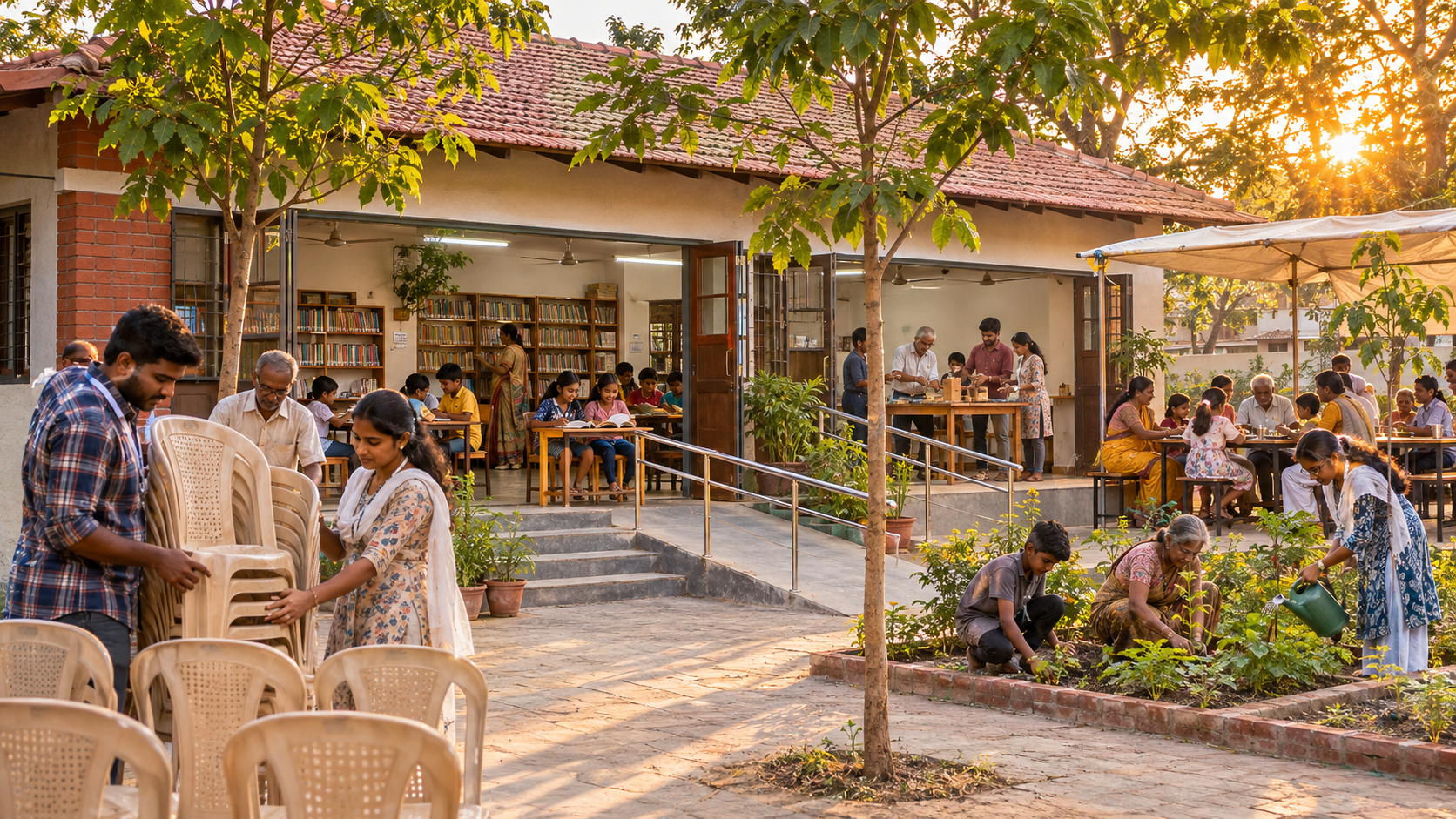
You do not need an elaborate institution to begin. You do need a defined outcome, a responsible person and a review date. The following sequence can be used by a temple committee, Arya Samaj body, cultural association, student group or local Hindu organisation.
- Establish a verified factual baseline. Prepare a short handout covering his place in the freedom struggle, his Arya Samaj tapasya, the Shuddhi movement, the Malkana Rajput return, preeti-bhoj and his reform commitments. Separate sourced history from devotional praise so that listeners know what they can confidently repeat.
- Explain the key terms before debating them. Define Shuddhi as historical ghar-wapsi, sangathan as organised social strength, and samrasta as fellowship that overcomes exclusion. Then show why return without acceptance, strength without reform, and equality without civilisational confidence are each incomplete.
- Give the preeti-bhoj a social purpose. Include people from communities affected by exclusion in planning, speaking, serving and decision-making. Arrange the meal as common fellowship rather than a display of charity. The people supposedly being honoured should not be treated as exhibits in someone else’s programme.
- Choose a continuing project rooted in his agenda. Support education for girls, help a family resist ruinous ceremonial expenditure, create practical support for orphaned children, or build a local programme of social fellowship. Select the work your group can actually sustain; a narrow promise completed is more useful than a broad declaration abandoned.
- Protect dignity in every discussion of return. If ghar-wapsi is part of the programme, state clearly that conviction must be voluntary. Replace language of conquest with the language of kinship, welcome and responsibility. Ask what the community will do after a person returns, not merely how it will announce the event.
- Assign accountability before the gathering closes. Record the coordinator, the resources available, the next review date and the channel through which the community will receive an update. If responsibility belongs vaguely to everyone, it usually belongs effectively to no one.
Working resolution: Our centenary observance will honour Swami Shraddhanand by strengthening voluntary Hindu belonging, removing an identifiable barrier to social fellowship, and completing a defined act of educational or community responsibility. The resolution is useful because it names both the civilisational and social sides of his work without turning either into a token gesture.
When evaluating proposed activities, notice where the effort goes. A lecture transfers knowledge. A meal can create fellowship. A service commitment builds capacity. A strong observance may contain all three, but its lasting value will depend on whether the final commitment has an owner and continues after the stage is dismantled.
Key takeaways for centenary organisers
- Treat 2026 as a call to continue work: the centenary should produce more than ceremonial remembrance of a martyr.
- Keep the legacy whole: Shuddhi, sangathan, samrasta, education and social reform belong to one programme of Hindu renewal.
- Present ghar-wapsi with moral clarity: voluntary return should lead to durable acceptance and participation, not public display.
- Measure organisation by responsibility: ask whether the community supports people who are excluded, educationally disadvantaged or burdened by harmful social pressure.
- Make shared fellowship real: people affected by exclusion should exercise planning authority and leadership, not receive a symbolic invitation at the end.
- Let the budget express the tribute: restrain spectacle and direct meaningful effort toward the reform commitments being praised.
- Publish the follow-through: name the work, the person responsible, the review date and the way progress will be reported.
Before you release an invitation, add one line naming what will continue after the gathering. If your committee cannot yet write that line, the programme is not finished. Choose the duty first, place it beside the remembrance, and let the centenary become a living act of Hindu sangathan.
References

Leave a Reply
You must be logged in to post a comment.