
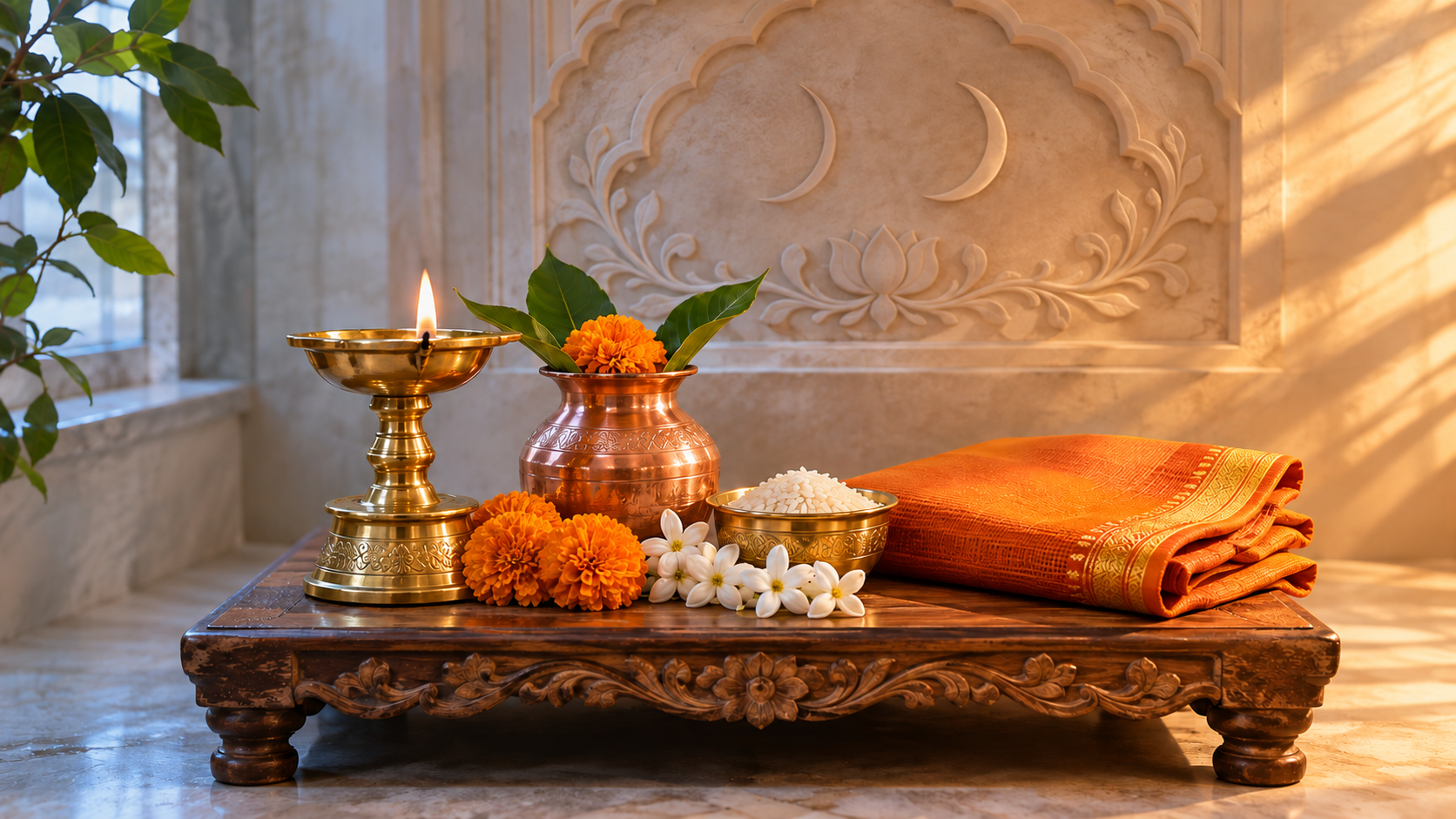
If you are arranging puja on Tuesday, November 10, 2026, the important detail is that the lunar date changes during the civil day. Worship performed before and after that transition will not fall under the same tithi.
The usable answer is straightforward: Shukla Paksha Pratipada continues until 12:38 PM in most regions, after which Shukla Paksha Dwitiya begins. Use that time as your planning marker, then confirm it against a Panchang calculated for your location if the exact boundary affects a ritual.
The tithi schedule for November 10, 2026
| Period | Prevailing tithi | Meaning |
|---|---|---|
| Until 12:38 PM | Shukla Paksha Pratipada | The first tithi of the waxing or light half of the lunar month |
| After 12:38 PM | Shukla Paksha Dwitiya | The second tithi of the waxing or light half of the lunar month |
This is why writing only “Pratipada” beside the date can cause confusion. November 10 contains part of Pratipada and part of Dwitiya. A tithi follows the changing relationship between the Sun and Moon, so its boundary does not have to coincide with midnight.
If you only need the daily calendar entry, record both tithis and the transition time. If you need the tithi for a sankalpa, vrata or ceremony, the time and place of the observance become part of the answer.
How to apply the transition to your puja
- Record the place of worship. Panchang boundaries are calculated for a location. Do not assume that a clock time copied from a calendar for another place is automatically exact for your city.
- Record when the ritual will be performed. Under the listed schedule, an observance held before the transition falls under Pratipada; one held after it falls under Dwitiya.
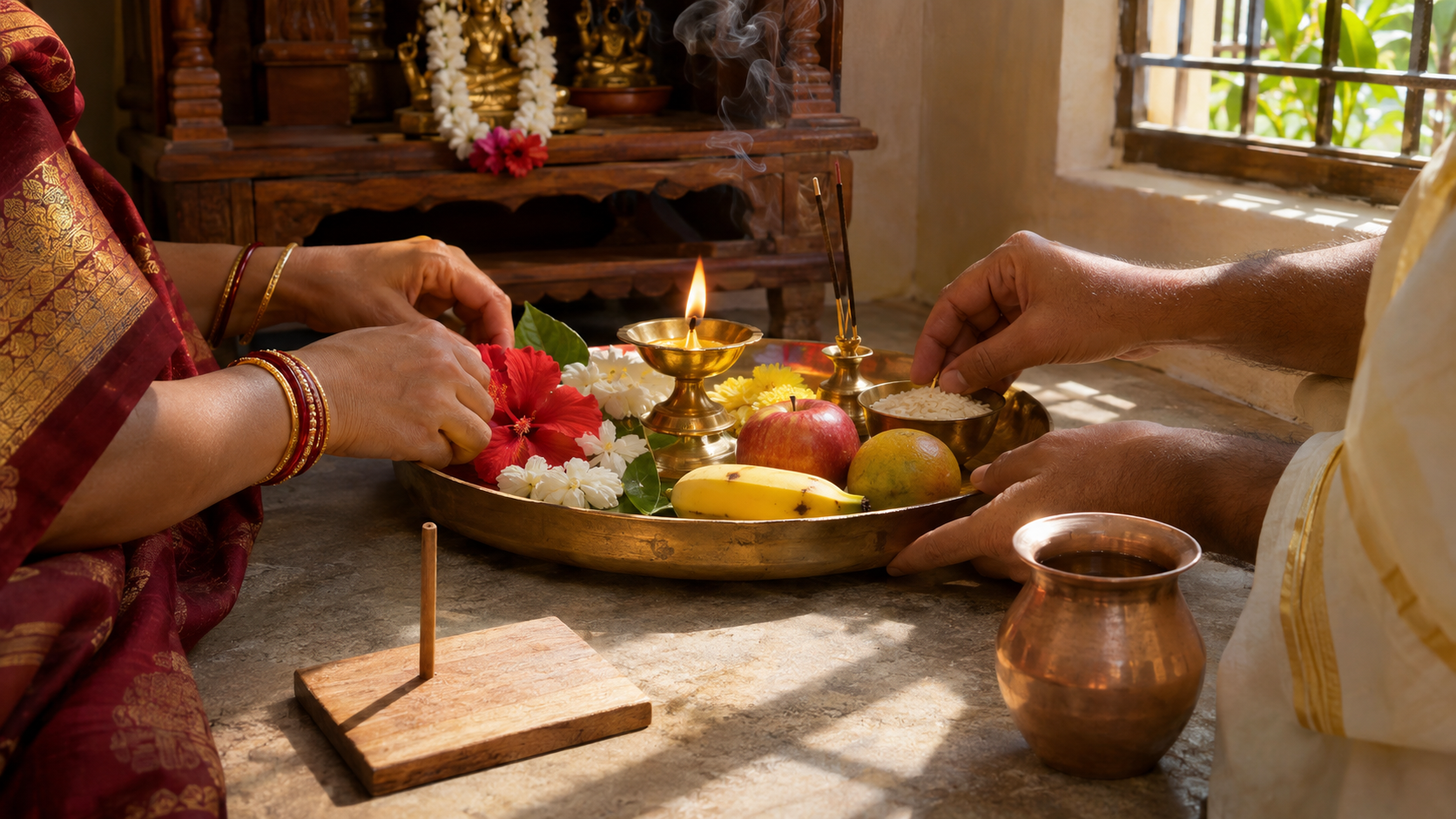
- Use the tithi current at the relevant ritual moment. For an ordinary home puja or sankalpa, check which tithi prevails when you worship and follow the wording used by your family or sampradaya.
- Check the rule for a vrata or samskara. Some observances are assigned by sunrise, the duration of a tithi or another tradition-specific rule. A tithi transition by itself does not settle every festival or ceremonial question.
- Verify close calls locally. If your planned observance is near 12:38 PM, consult a city-specific Panchang or your purohit instead of guessing which side of the boundary applies.
For a morning worship completed well before the listed transition, Pratipada is the practical reading. For worship later in the day after the transition, use Dwitiya, subject to the local calculation and any special rule governing the observance.
What the tithi does not tell you
Do not treat the change to Dwitiya as proof that every activity after 12:38 PM is auspicious. Tithi is one part of a Panchang, not a complete muhurta judgment. Selecting a time for a wedding, griha pravesh, major purchase or other formal undertaking can also require the weekday, nakshatra, yoga, karana and location-specific restrictions.
For the same reason, tithi and rashi are not interchangeable. The statement that Dwitiya begins after the transition does not establish the Moon’s rashi or the prevailing nakshatra. Those details must be checked separately rather than inferred from the tithi.
A useful distinction is to ask what decision you are making. If you want to name the lunar date in worship, the tithi transition is central. If you want to choose an auspicious starting time, you need a fuller muhurta assessment.
Common calendar mistakes to avoid
The most common error is forcing one lunar label onto the entire Gregorian date. On November 10, that would erase the midday change from Pratipada to Dwitiya. Another error is waiting until midnight to change the tithi in a personal calendar, even though the lunar transition has already occurred.
Location is the other practical trap. A printed or online Panchang may be perfectly consistent for the place it was calculated for while differing from the timing needed elsewhere. This matters most when your ritual is close to the boundary; far from it, the distinction is less likely to affect which tithi prevails.
Key takeaways for November 10
- Tuesday, November 10, 2026 contains two tithis.
- Shukla Paksha Pratipada prevails until 12:38 PM in the listed calendar.
- Shukla Paksha Dwitiya prevails after 12:38 PM.
- Use the tithi current at the relevant time, not a single label applied to the whole civil day.
- Confirm the transition for your city when timing a sankalpa, vrata or formal ceremony.
- Do not infer nakshatra, rashi or a complete auspicious muhurta from tithi alone.
Mark the transition in your calendar before fixing the puja time. If your observance falls close to it, send your location and intended time to your purohit or check a local Panchang so the sankalpa uses the correct lunar date.
References

Leave a Reply
You must be logged in to post a comment.