

If you are considering reporting suspected illegal immigration in your neighbourhood, the Bengaluru case places two duties before you. Do not ignore credible information, but do not turn suspicion into confrontation. Immigration status is for lawful authorities to verify. Your role is to pass on specific information, preserve evidence and protect yourself.
Dr. T. Nagendrappa was reportedly assaulted at Hulimangala, near Electronic City, while identifying people he suspected of being illegal Bangladeshi immigrants and sharing information with police. He was said to be in critical condition in hospital. The urgent questions now concern his safety, the identity and motive of his attackers, and whether citizens can provide information to the state without being exposed to intimidation or retaliatory prosecution.
Separate the court record from the unresolved allegations

This case has a documented legal history, but not every claim in the controversy has been proved. Keeping those categories separate is essential if you want justice rather than a contest of accusations.
Nagendrappa had asked Bengaluru Police to investigate Nasreena and Mohammad Bilal, whom he suspected of being illegal Bangladeshi nationals in the Bellandur and Varthur areas. Counter-complaints accused him of assault, after which police registered cases against him and arrested him.
Justice M. Nagaprasanna of the Karnataka High Court quashed two FIRs against Nagendrappa. The court criticised the unusual speed of the police response, regarded the prosecution as an abuse of legal process and found indications that the counter-complaints were retaliatory. That judicial intervention is an established part of the earlier proceedings.
It does not, by itself, establish Nasreena’s or Bilal’s nationality or immigration status. It also does not identify the perpetrators of the later assault, prove their immigration status or establish their motive. Those matters require evidence and investigation. The previous court ruling raises the level of scrutiny that police conduct deserves; it does not permit anyone else to fill evidentiary gaps with assumptions.
Three questions must therefore be investigated independently:
- Was the information supplied about suspected immigration violations credible, and did the authorities verify it?
- Who attacked Nagendrappa, what evidence connects each person to the assault, and what was the motive?
- Did the police handle the original complaints, counter-complaints and risks to the informant impartially and lawfully?
Collapsing these questions produces bad policing and reckless public claims. An assault does not prove an immigration allegation. A disputed immigration status does not excuse an assault. A person’s religion, language, clothing, occupation or neighbourhood is not evidence of citizenship or criminal guilt.
Report evidence, not identity-based conclusions
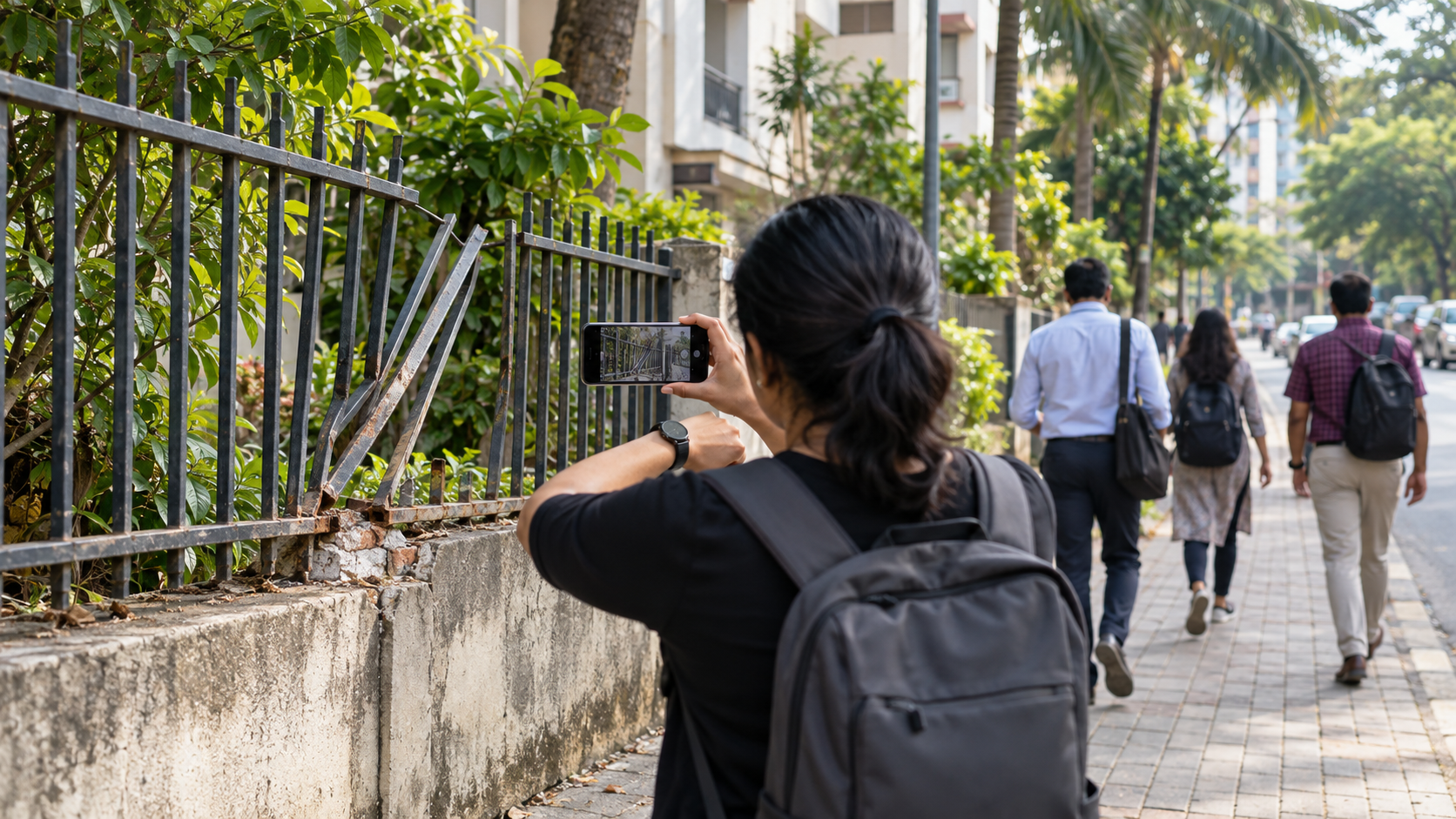
A citizen may alert authorities to suspected unlawful activity. A citizen should not assume the powers of an immigration officer, police investigator or court. That distinction protects the people being reported, but it also protects you from physical danger, factual error and legal exposure.
If you have credible information, use a disciplined process:
- Record what you personally observed. Write down the place, time, conduct and circumstances while your memory is fresh. Describe actions rather than assigning nationality or motive.
- Separate observation from hearsay. If a neighbour, worker or local contact told you something, identify it as second-hand information. Do not rewrite it as something you witnessed.
- Preserve lawful evidence in its original form. Keep messages, photographs, video and documents without editing them. Retain information showing when and where each item was obtained. Do not trespass, impersonate an official or obtain records through coercion.
- Ask for verification rather than declaring a verdict. A responsible complaint says that specified facts may warrant an immigration check. It does not announce that a named person is an illegal immigrant before the competent authority has determined that status.
- Submit the complaint in writing. Keep a copy and request an acknowledgement or reference that allows you to establish when the information was given. If you later provide additional material, preserve that submission separately.
- Disengage after reporting. Do not follow, detain, surround, threaten or repeatedly question the people concerned. Do not organise a crowd to visit their home or workplace. Let the authorities investigate.
Publicly circulating names, addresses and unverified allegations can expose innocent people to harassment while also warning genuine offenders that an inquiry may be underway. Share sensitive details with the competent authorities and a lawyer, not with an online audience. If public accountability becomes necessary, disclose only what can be substantiated and what does not endanger witnesses or an active investigation.
Treat retaliation risk as part of the complaint

The earlier counter-cases against Nagendrappa matter because retaliation does not always begin with a physical attack. It can begin with threats, surveillance, pressure to withdraw, online disclosure of personal information or a counter-allegation designed to reverse the roles of complainant and accused.
Do not assume that filing a complaint gives you immunity from danger or from a counter-complaint. If the people involved know your identity, plan for that risk before making further contact:
- Tell a trusted person where you are going and avoid meetings alone.
- Keep a dated chronology of threats, suspicious approaches and pressure to withdraw.
- Preserve threatening calls, messages and online posts without responding provocatively.
- Use a lawyer or responsible organisation as an intermediary when communication becomes hostile.
- Ask the receiving authority what measures are available to protect your identity and safety, but do not assume confidentiality has been guaranteed.
- If danger appears immediate, leave the location and contact police or emergency assistance. Gathering more evidence is never worth remaining in a situation that may become violent.
If a counter-complaint is filed, do not confront the complainant, pressure a witness or delete communications. Preserve the complete record and obtain advice from a criminal lawyer who can assess the actual allegations and local procedure. An activist organisation may help with documentation and accompaniment, but it cannot replace qualified legal counsel.
Accountability requires action from police and Hindu groups
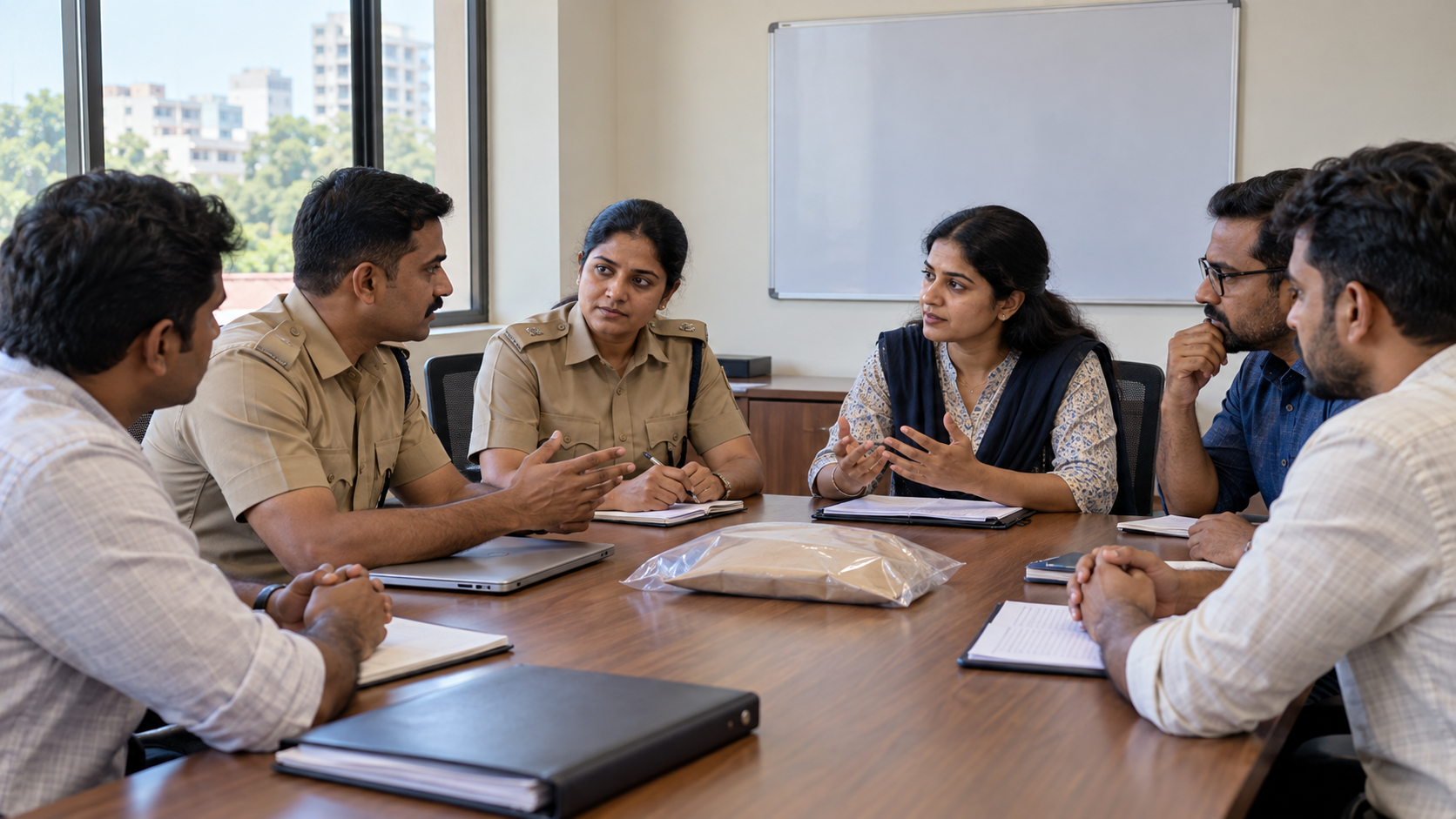
The state cannot ask citizens to cooperate and then leave an identifiable informant exposed. In Nagendrappa’s case, the High Court’s criticism of the earlier police response makes independent and visibly impartial handling of the later assault especially important.
Police accountability should include an evidence-led assault investigation, prompt preservation of available footage and witness accounts, an assessment of threats to Nagendrappa and his family, and supervisory review of how the previous complaints and counter-complaints were handled. The suspected immigration violations should be verified in a separate track. Neither inquiry should be used to prejudge the other.
Hindu organisations also have a clear role, but it is not to conduct street-level immigration enforcement. They can provide legal support, help preserve a reliable chronology, accompany vulnerable informants to the authorities, arrange assistance for an injured activist and press for time-bound institutional action. They should designate a small number of responsible representatives instead of sending crowds into a tense locality.
They should also refuse collective blame. If evidence establishes that particular people committed an assault, those people should face lawful prosecution. If competent authorities establish that particular foreign nationals are residing in Bharat illegally, immigration law should be enforced against those individuals. Neither finding justifies treating every Bengali speaker, Muslim, migrant worker or resident of a particular neighbourhood as suspect.
This is where a Dharmic public standard must be exacting. Protect the injured. Demand an honest investigation. Insist that the state enforce the law. At the same time, refuse falsehood, mob intimidation and guilt by association. Dharma is not served by replacing official neglect with private vigilantism.
Key takeaways
- Nagendrappa’s reported assault demands a prompt investigation, medical and security support, and accountability based on evidence.
- The Karnataka High Court’s quashing of two earlier FIRs establishes serious concern about the handling of the prior counter-complaints; it does not decide the separate immigration allegations.
- Citizens should document firsthand facts, submit written information and retain an acknowledgement rather than confronting or detaining suspects.
- Nationality and immigration status cannot responsibly be inferred from religion, language, name, dress or occupation.
- Threats and retaliatory complaints should be documented immediately and handled with police protection and qualified legal advice.
- Hindu organisations can defend activists most effectively through lawful support, disciplined evidence and institutional pressure, not crowds or unverified public accusations.
If you hold credible information, turn it into a precise written complaint and let the competent authorities verify it. If reporting has exposed you to threats, prioritise safety, evidence preservation and legal counsel. The proper answer to the Nagendrappa case is neither frightened silence nor vigilantism. It is protected civic reporting, impartial investigation and enforcement that can withstand judicial scrutiny.
References

Leave a Reply
You must be logged in to post a comment.