
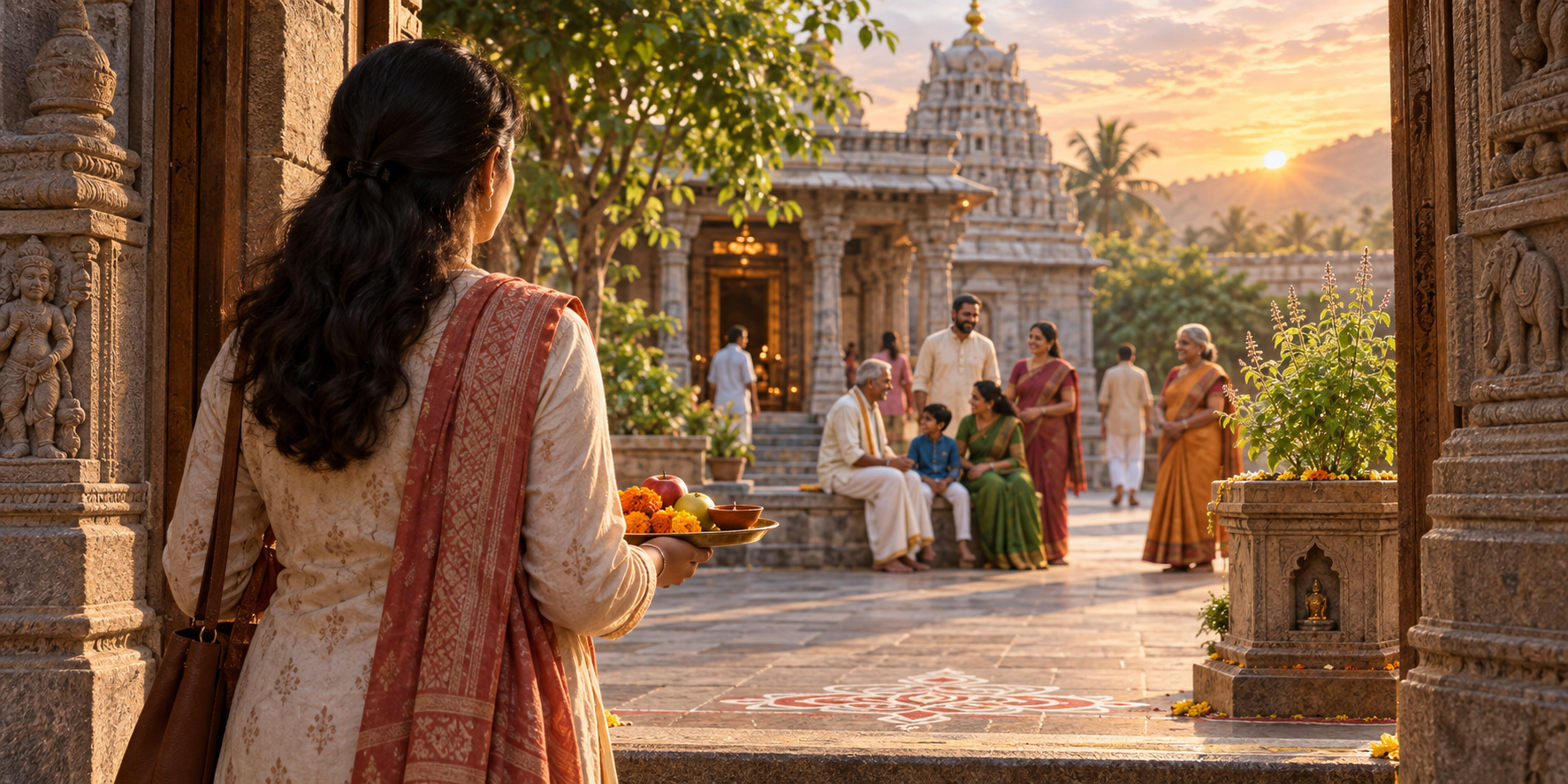
If you are considering a return to the Hindu faith of your ancestors, your hardest question may not be whether you are allowed to call yourself Hindu. It may be how to return with integrity when your family history is incomplete, your relatives disagree, or you do not know which temple or tradition to approach.
Paravartana gives that journey a clear direction: a willing return, followed by a life that makes the commitment real. You do not need to manufacture a perfect ancestry, master every Hindu custom, or accept pressure from an organization. You do need free consent, truthful intent, reliable guidance, and a practice you can sustain.
What paravartana means, and what it does not
The Sanskrit root vrit carries the sense of turning or returning. Paravartana therefore describes the return of a person to an ancestral Hindu faith. Its ethical centre is compassionate welcome: someone who sincerely wishes to come back should be helped to find a place in dharmic life, not treated as a permanent outsider.
This is different from winning an argument or recruiting someone against another community. If the decision depends on fear, family pressure, political reward, humiliation, or material inducement, pause. A return that is not freely chosen contradicts the very dignity paravartana is meant to restore.
Paravartana can mark spiritual commitment and communal welcome. It cannot manufacture an ancestry you do not have, erase the path you previously followed, or guarantee that every relative and institution will respond in the same way. Be candid about your history. There is no dharmic benefit in replacing one rupture with a false story.
Hindu traditions are decentralized. There is no single worldwide office that prescribes one ceremony for every returning Hindu. A temple, teacher, community, or sampradaya may follow its own customs. That means you should look for a trustworthy guide rooted in the tradition you intend to practise, rather than searching for a supposedly universal certificate.
Clarify your decision before seeking a ceremony

A ceremony cannot answer questions you have avoided. Before contacting a temple or teacher, write down your answers to the following prompts. They will help you explain what you seek and notice when someone else is trying to substitute an agenda for your own decision.
- State your intention in one sentence. For example: you wish to return to the Hindu tradition associated with your family and build a sincere religious life within it.
- Record what you actually know about your ancestry. Note family regions, languages, household deities, pilgrimage places, festivals, surnames, and remembered customs. Mark family recollection as recollection, not documented fact.
- Separate ancestry from conviction. An ancestral connection explains why you describe the step as a return. Your present spiritual commitment explains why you are choosing it now. You should be able to speak honestly about both.
- Identify the life you intend to live afterward. Decide whether you are seeking personal worship, temple participation, formal instruction, community belonging, family rites, or some combination of these.
- Check that the decision is yours. If a partner, relative, religious organizer, or political group is demanding an immediate declaration, postpone it until you can decide without pressure.
You do not need to fill every gap in your genealogy. If an older relative remembers a custom but not its origin, preserve the memory and keep the uncertainty. If you do not know your family’s former sect or lineage, say so. An honest unknown gives a competent guide something to work with; an invented answer sends you into a tradition under false premises.
Keep the spiritual and administrative questions separate. A religious rite does not automatically determine how a government office, school, marriage authority, employer, or court will classify you. If you intend to change an official record or if the decision could affect marriage, inheritance, custody, or another legal interest, obtain qualified advice in your jurisdiction before signing documents. Spiritual belonging and legal status are related in some places, but they are not the same question.
Choose a guide and community, not merely an event
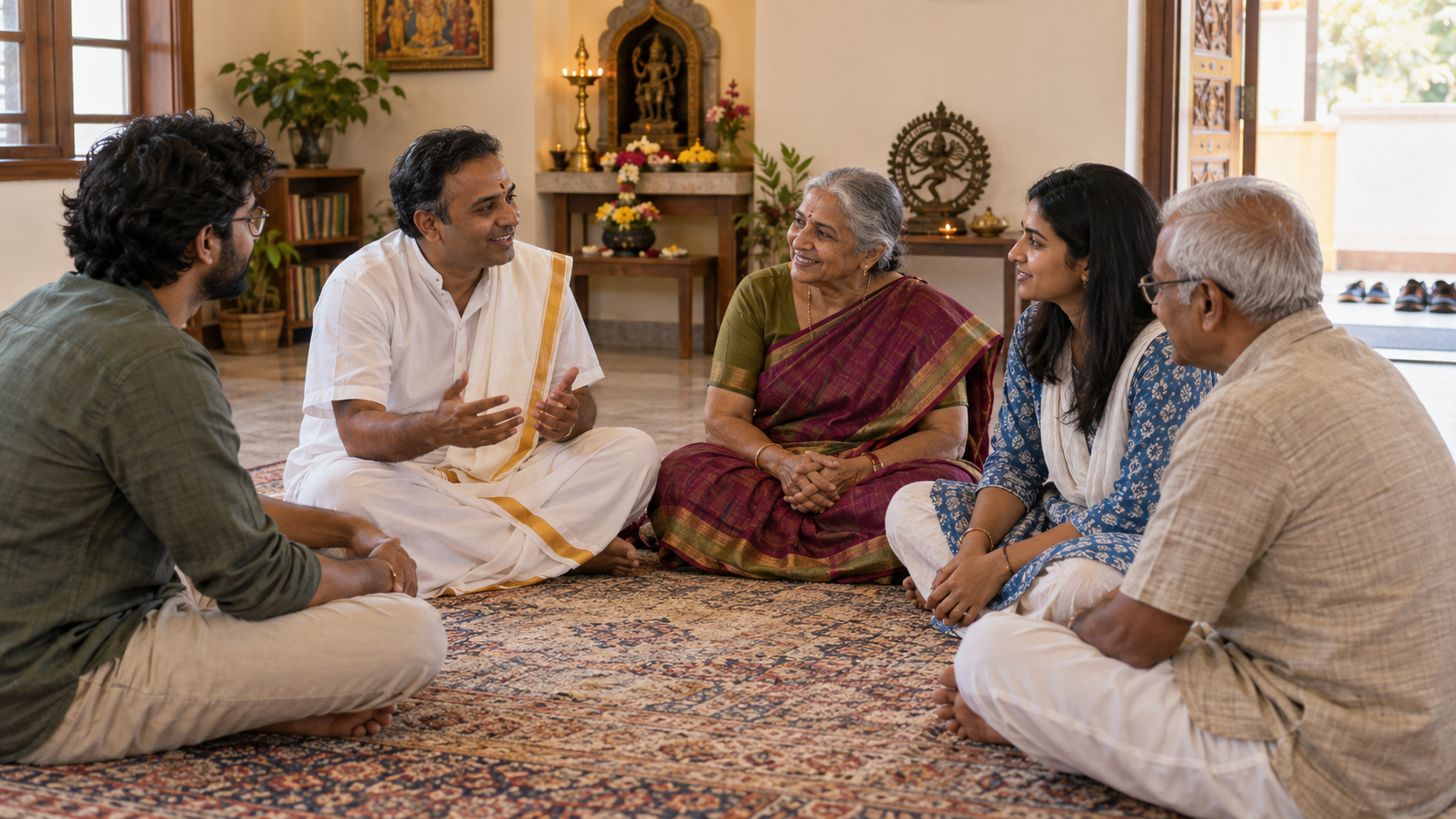
Start with a temple, acharya, or established Hindu community that you could realistically continue visiting. A distant public ceremony may provide a memorable moment, but it cannot replace the people who will answer questions, teach practice, and welcome you after the occasion has passed.
When you make contact, briefly explain your family connection, present location, languages, previous religious formation, and the kind of guidance you want. You do not have to disclose intimate details to a stranger. You should disclose enough for the guide to understand whether the community can responsibly help you.
Ask concrete questions before agreeing to anything:
- Do you welcome people who are seeking paravartana, and who conducts the process?
- Is there a preparatory conversation or period of learning?
- What will happen during the rite, and what does each part mean?
- Which commitments are essential, and which are local customs?
- What practice or instruction will be available afterward?
- Will the community treat the matter privately if that is necessary for your safety?
- Are there fees, donations, documents, or public declarations involved?
- If a certificate is issued, what does it establish within the community, and what does it not establish elsewhere?
A responsible guide should be able to explain the process in a language you understand and give you time to decide. Be cautious when someone demands immediate action, refuses to explain expectations, hides financial conditions, insists that you insult another faith, or claims that one organization alone can make you Hindu. Paravartana should bring you into dharma with dignity; it should not turn your personal return into someone else’s spectacle.
If the first community cannot help, that is not a verdict on your sincerity. It may lack experience, have a different ritual discipline, or simply be unable to offer continuing support. Ask whether its leaders can direct you to a teacher or temple better suited to your family tradition and circumstances.
Let daily practice carry what the ceremony begins
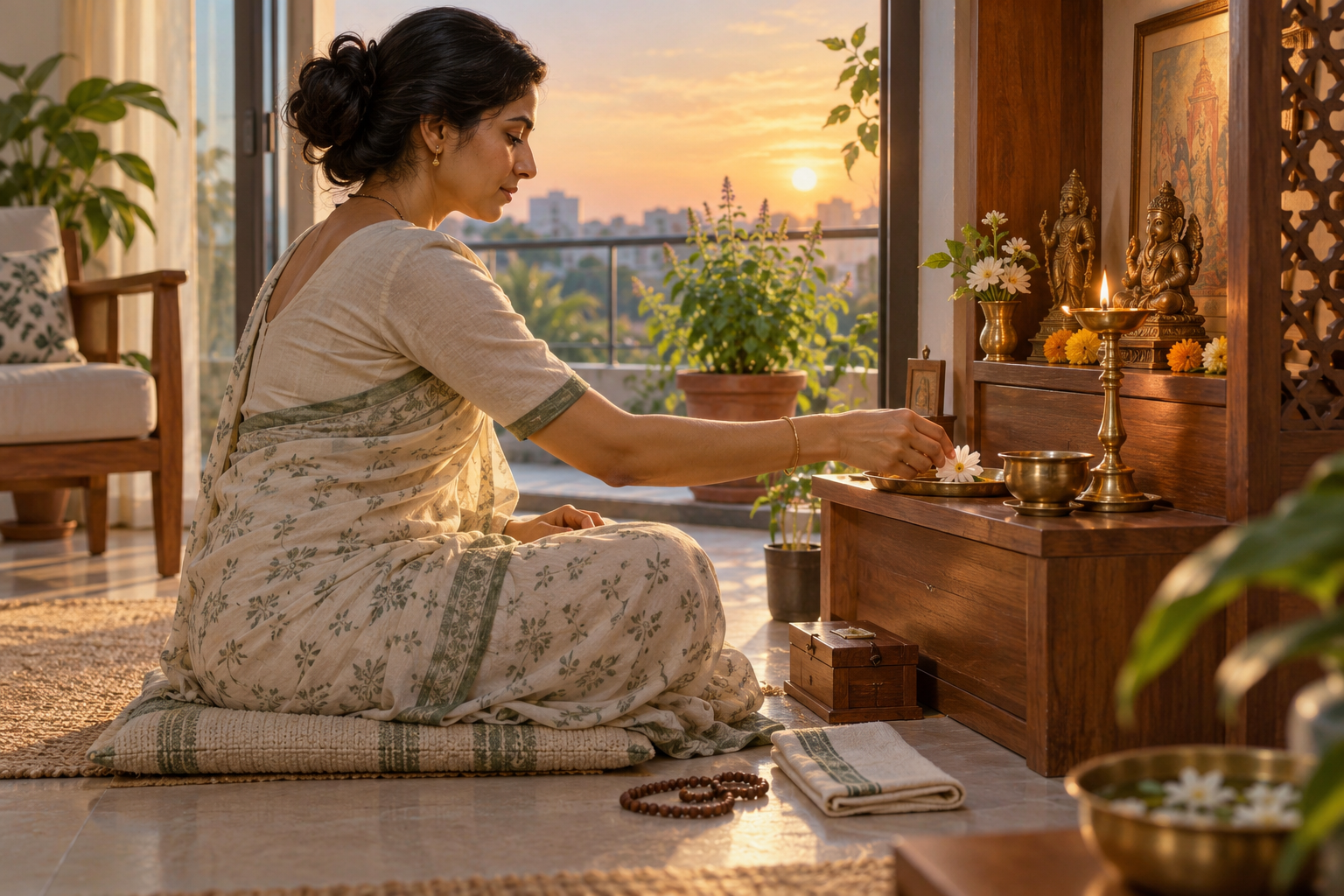
The visible rite may be important, but it is a threshold rather than the whole return. What follows should connect devotion, learning, ethical conduct, and community. Otherwise, paravartana risks becoming an announcement with no spiritual home behind it.
Build a simple pattern you can keep. Choose one daily devotional practice with guidance from your tradition. Set aside regular time for learning. Attend worship or community gatherings when possible. Take part in seva without using it as a performance of identity. Observe the family festivals and customs you genuinely know, while learning the meaning behind them rather than copying every practice you encounter online.
Do not try to practise all of Hinduism at once. Hindu dharma contains many philosophies, deities, disciplines, regional customs, and lineages. Returning does not require you to flatten those differences or pass an encyclopedic test. Begin with the tradition you can approach honestly, then deepen your understanding through a qualified teacher and a living community.
Family memory can become part of that practice. Ask elders which festivals mattered at home, whether the family visited a particular temple, which prayers or songs they remember, and what customs surrounded birth, marriage, and death. Record the answers without forcing them into a tidy narrative. Even a fragment can reconnect a family with something real; an embellished history cannot.
When relatives do not agree
Your return does not require every relative to make the same choice. Explain what you are doing without assigning a religious identity to a spouse, parent, or child who has not chosen it. Ask for ordinary respect, but do not make agreement the price of family affection.
If disclosure could expose you to violence, loss of housing, forced confinement, or another serious danger, put safety before a public ceremony or announcement. Seek confidential guidance from trustworthy people who understand your local conditions. A private spiritual commitment can be nurtured carefully; an unsafe public declaration cannot always be undone.
Key takeaways for a sincere return
- Paravartana is voluntary. Pressure, reward, fear, or public humiliation has no place in a sincere return.
- Tell the truth about your ancestry. Preserve what your family knows, mark uncertainty clearly, and never invent a lineage to satisfy an organizer.
- Expect legitimate variation. Hindu traditions do not share one universal authority or one mandatory return ceremony.
- Choose continuing guidance. The right temple or teacher is one that can explain the rite and support your practice afterward.
- Keep legal questions separate. Consult a qualified local professional before changing records or taking a step that could affect civil rights or obligations.
- Measure the return by the life that follows. Devotion, learning, ethical conduct, family memory, and seva make belonging durable.
Your most useful next step is modest: write your intention in one truthful sentence, record what you know about your family’s Hindu inheritance, and approach a reputable local guide with the questions above. Let the return proceed at the speed of understanding and free consent. A path back to dharma should leave you more truthful, more responsible, and more firmly connected than when you began.
References

Leave a Reply
You must be logged in to post a comment.