
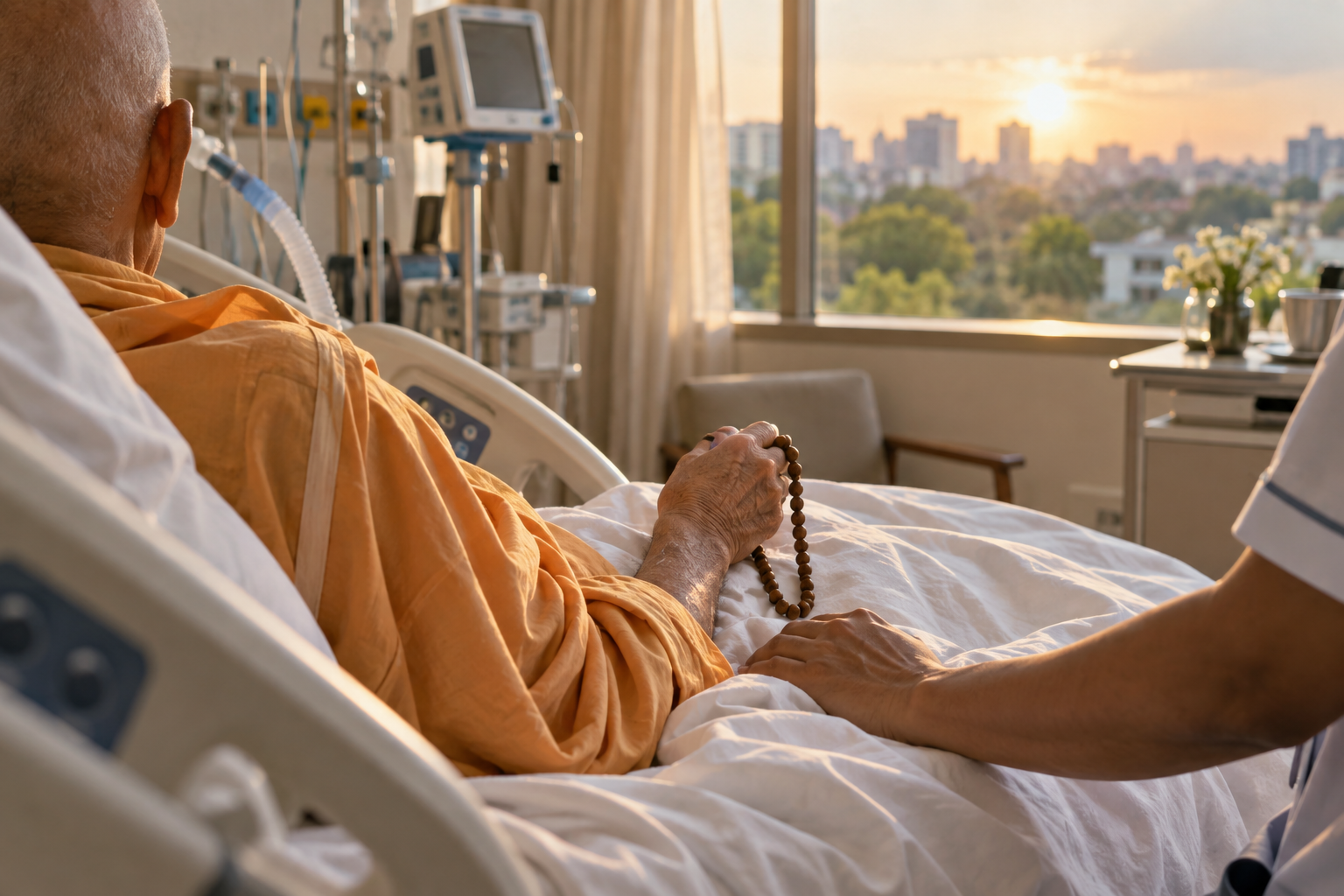
If you have been checking Jayapataka Swami’s condition, the clearest reading is cautious but genuinely encouraging. He is following commands more responsively and participating in rehabilitation, while breathing, voice production and a recurring fever still require close medical attention.
As of 6:00 PM IST on September 11, 2026, in Bengaluru, the strongest progress was neurological. That progress is meaningful, but it should not be turned into a prediction about full recovery or a timetable that his medical team has not given.
Jayapataka Swami health update: key takeaways
- He was following commands faster and more consistently, with less delay than before. His neurologist was pleased with the findings of a detailed examination.
- He remained interactive while seated in a wheelchair for about three and a half hours.
- A speaking valve is being used, but it has not yet produced an audible voice. His vocal cords appear capable of functioning, while adequate airflow and pressure remain necessary for sound.
- Speech therapy will begin with simple sounds and vowels rather than expecting clear words immediately.
- Efforts continue to increase his time away from ventilatory support and reduce his dependence on it as his condition permits.
- A low-grade fever is still recurring on most days and is being monitored for a possible infection or another cause.
The neurological gains are the strongest positive sign
The most important change is not a general impression that Jayapataka Swami looks better. It is the more specific finding that he is following commands with greater speed and consistency. The neurologist also completed a thorough examination and found the progress encouraging.
This is a directional improvement: an observable function is stronger than it was previously. It does not establish that every neurological function has recovered, and no long-term neurological prognosis has been announced. If you share the news, say that his responsiveness has improved. Avoid shortening that into the much broader claim that he has neurologically recovered.
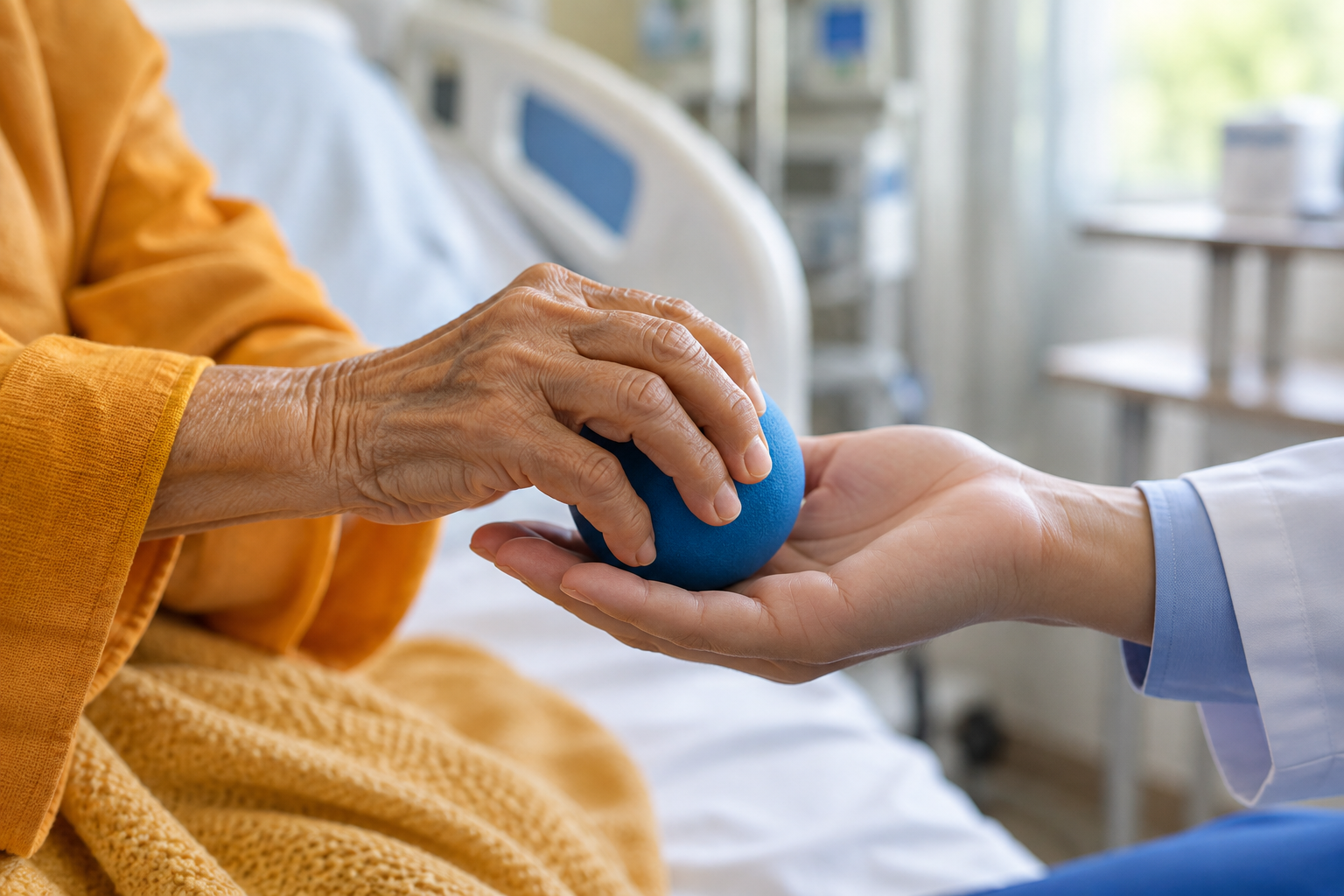
His time in the wheelchair gives the neurological finding some functional context. He was interactive for approximately three and a half hours while seated there. That demonstrates sustained participation on that occasion, but it does not tell us whether he could sit independently, how much physical assistance he needed or whether the same duration can be repeated every day.
Two familiar actions also stood out: he encouraged a doctor to chant and gave a book to a nurse. Devotees can reasonably find these moments heartening because they reflect recognisable aspects of his devotional personality and his interest in engaging with people around him. They should still be treated as signs of awareness and engagement, not as a clinical forecast by themselves.
Why a functioning voice box has not yet meant audible speech
Neurological responsiveness and audible speech are separate milestones. Jayapataka Swami can show better awareness and follow commands more reliably while still being unable to produce a voice. Improvement in one area does not require every other function to advance at the same pace.
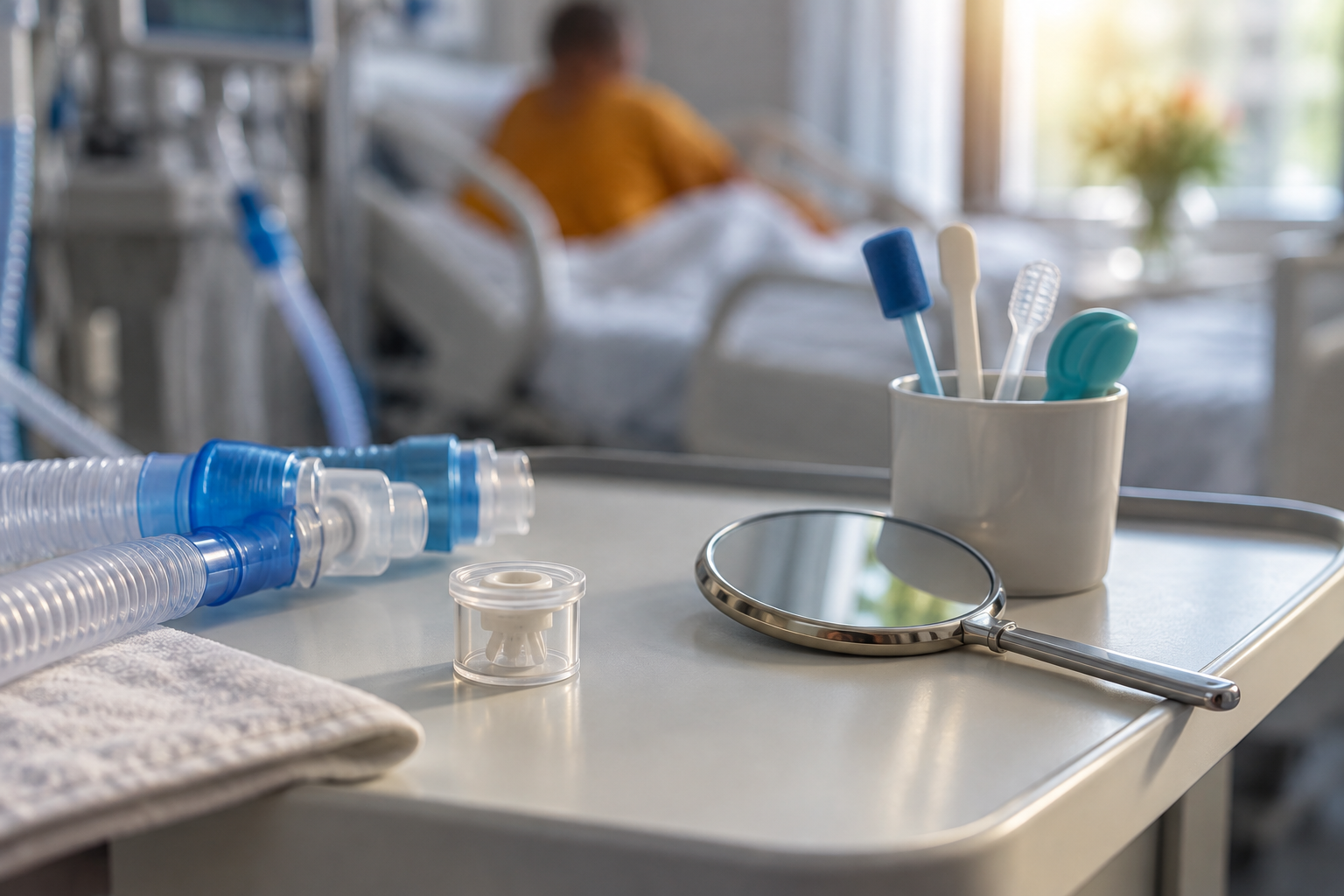
The speaking valve remains in use, but no audible voice has yet been produced. The ENT assessment found that his vocal cords appear to be functioning. The present obstacle is producing enough controlled airflow and pressure through the airway to create sound.
That distinction changes what you should watch for next. The first meaningful speech milestone is not necessarily a sentence or even a clear word. His speech team plans to work first on simple sounds and vowels, gradually developing the strength, airflow and control needed for vocalisation. An initial sound would therefore represent progress even if understandable speech remains some distance away.
- First, look for the production of a simple audible sound or vowel.
- Next, look for greater consistency, airflow and control during practice.
- Only after those foundations improve should clearer vocalisation become the main measure.
These exercises are being performed especially when he is off ventilatory support. His medical team is also trying to reduce his overall reliance on that support as tolerated. No duration for his unsupported breathing periods, target date for independence or forecast for the return of speech has been provided. Claims that he has started speaking, or that speech must be imminent because the vocal cords appear functional, go beyond what is currently known.
The recurring low-grade fever remains an unresolved concern
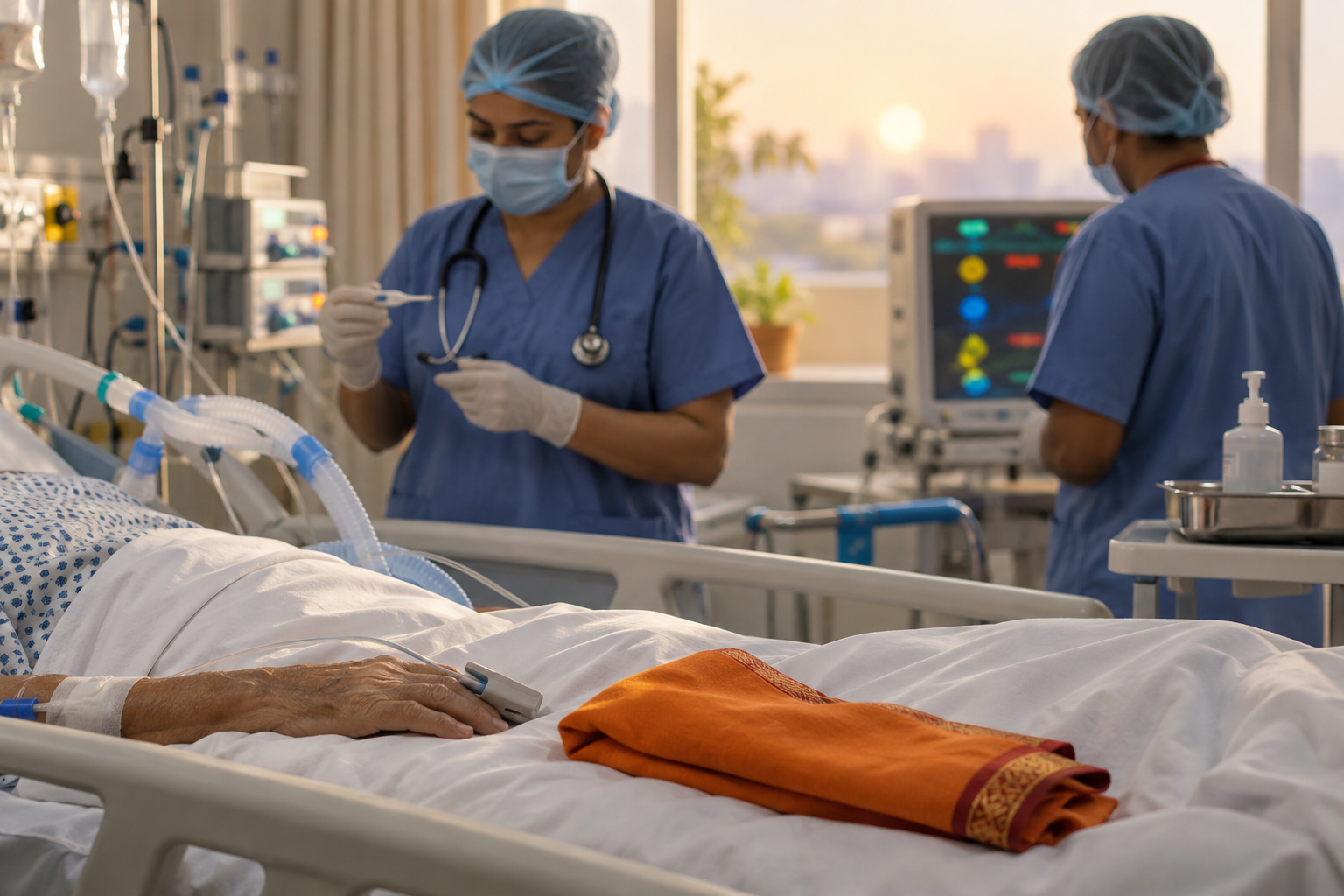
The main caution in an otherwise encouraging report is a low-grade fever that continues to recur on an almost daily basis. His medical team is watching it closely while considering a possible infection or another underlying cause.
No confirmed cause has been identified in the information available. The accurate wording is that a possible infection or another cause is being investigated, not that Jayapataka Swami has a confirmed infection. That difference matters because repeating an unconfirmed diagnosis can create needless alarm and distort later reports.
A recurring fever can be medically significant in this setting, but people outside the treating team do not have the clinical information needed to diagnose it. Do not recommend medicines, supplements or home remedies for him through social media. His physicians must decide what evaluation and treatment are appropriate. Prayer can accompany medical care; it is not a substitute for that care.
What to watch next and how to share the news responsibly
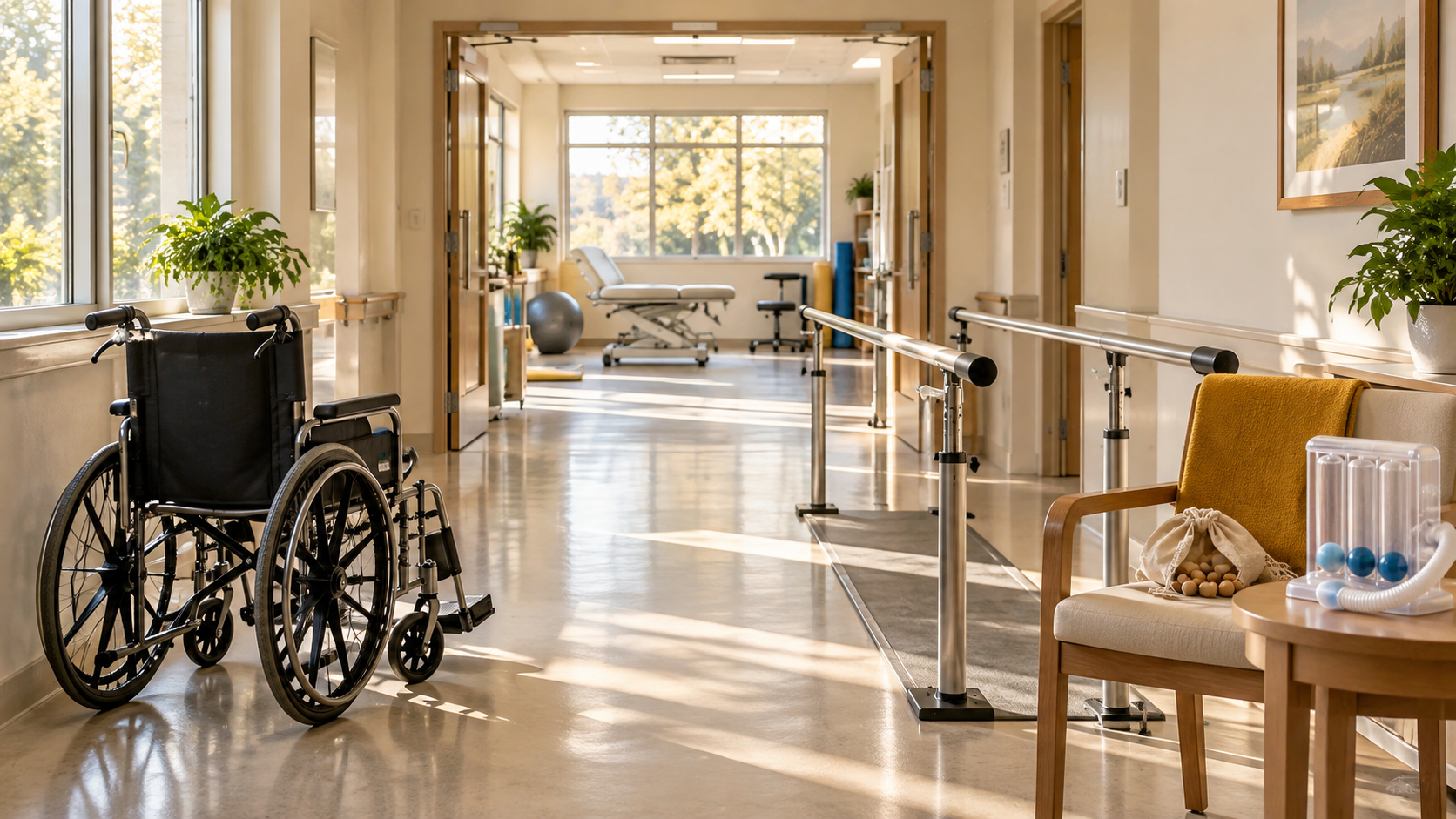
The coming phase is centred on turning neurological improvement into more usable function. Physiotherapy, mobilisation, rehabilitation, breathing work and speech practice are therefore becoming more intensive. When the next dated communication arrives, these are the five markers worth checking:
- Neurological responsiveness: Is he continuing to follow commands promptly and consistently?
- Mobility and endurance: Is he tolerating longer or more active rehabilitation, rather than merely being positioned in a wheelchair?
- Vocalisation: Has he begun producing a simple sound or vowel, even if clear speech is not yet possible?
- Breathing independence: Are periods away from ventilatory support increasing, and is his overall dependence decreasing?
- Fever: Is the fever becoming less frequent, and has the medical team identified or excluded a cause?
These markers may not improve together. A day without vocalisation would not erase a neurological gain, while better responsiveness would not make the fever irrelevant. Read each development within its own area instead of trying to reduce a complex recovery to either good news or bad news.
Before forwarding a screenshot or voice message, check its date, place and time. Medical information becomes stale quickly, and hopeful fragments often travel without the cautions that originally accompanied them. A careful one-sentence summary to share is: As of 6:00 PM IST on September 11 in Bengaluru, Jayapataka Swami was showing encouraging neurological improvement and beginning more intensive rehabilitation, but he had not yet regained an audible voice, continued to need ventilatory support and was still being monitored for a recurring low-grade fever.
Devotees have been asked to continue sincere prayers to Sri Sri Radha-Madhava, Sri Panca-tattva, Lord Nrsimhadeva and Srila Prabhupada. If that is your practice, keep the prayer focused on the needs now before him: freedom from infection, renewed strength, recovery of speech, greater independence in breathing and steady movement toward stable health.
For now, take the improvement seriously without converting it into a recovery deadline. Keep the September 11 timestamp attached when you share this information, continue your prayers, and look to the next dated communication for concrete movement in breathing, vocalisation, rehabilitation and fever control.
References

Leave a Reply
You must be logged in to post a comment.