
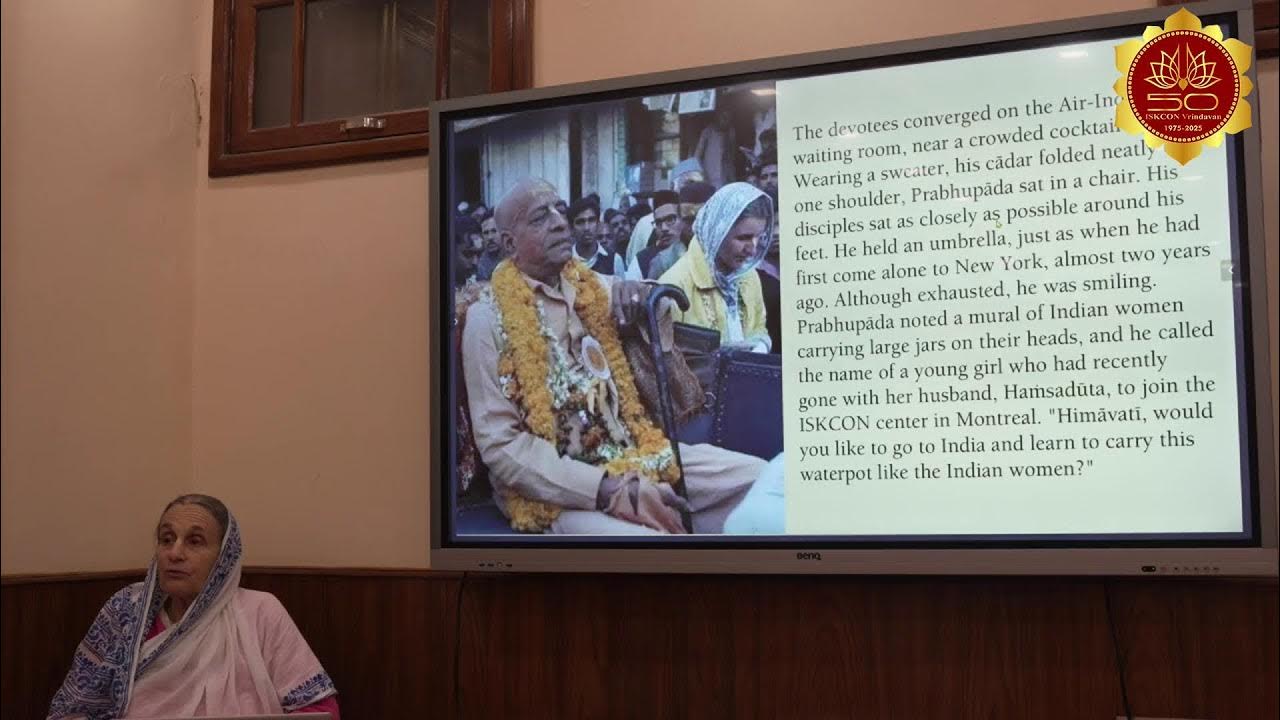
While recuperating from a stroke at Stinson Beach near San Francisco, Srila Prabhupada assessed the coastal climate and found the limited sunlight unsuitable for recovery. In a measured and compassionate decision aimed at sustaining service, he resolved to return to India, planning a route that reflected both practical foresight and global responsibility: San Francisco → New York → London → Moscow → Delhi.
Despite convalescence and an inability to travel to the temple, he continued to guide disciples by conducting initiations at Stinson Beach itself. This choice exemplified the Guru-Shishya Tradition at the heart of Bhakti, where spiritual bond and duty are upheld with dignity even under physical constraints. The scene at the shoresimple, sincere, and intimateillustrated how sacred rites in ISKCON (International Society For Krishna Consciousness) remain anchored in care, clarity, and commitment.
The itinerary through major world cities underscored a broader historical context: Srila Prabhupada’s mission traversed continents, and his return to Delhi was not a retreat but a strategic act of resilience. The journey fused health, leadership, and purpose, revealing the balance between personal well-being and collective service essential to Sanatana Dharma and Hindu spiritual traditions.
For many, the episode resonates with familiar experiences of illness, recovery, and discerning what truly supports healing. The decision to move from San Francisco’s cool coast to India’s more suitable light and warmth reflects a universal principle recognized across dharmic pathsHinduism, Buddhism, Jainism, and Sikhismthat self-care strengthens one’s capacity to serve. In this light, the narrative offers a unifying message: compassion, adaptability, and steadiness are shared virtues across these traditions.
As often highlighted in community reflections associated with Srila Prabhupada’s life, including talks connected with H.G. Daivi Shakti Mataji, this moment emphasizes disciplined leadership under pressure. It shows how spiritual authority acts with prudence, favors health to protect long-term service, and holds steady to vows even when ordinary logistics fail.
Viewed historically and spiritually, the Stinson Beach period provides a concise lesson set: care for the body to preserve the mission; adapt sacred practice to circumstances without dilution; and guide disciples with patience and continuity. These insights enrich contemporary seekers, offering an academic yet deeply human portrait of resilience and responsibility in practice.
Inspired by this post on Dandavats.
